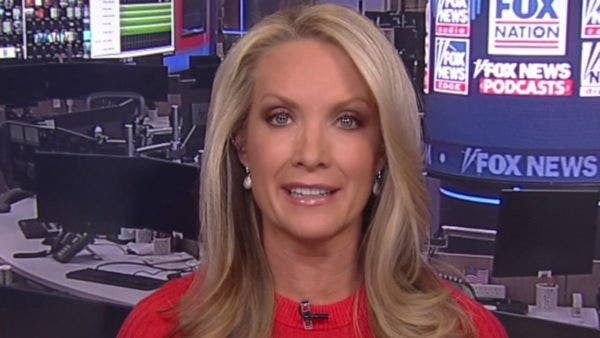
“It’s not a good thing” — Dana Perino has spoken out, revealing the dark sides behind the role of White House press secretary and issuing a warning to those who follow in her footsteps.

Meta Description: Dana Perino shares her candid observations about the challenging aspects of being a White House press secretary. In her insightful writings, she delves into the pressure of the role, the strain it places on personal life, and provides cautionary advice for future press secretaries. Discover the truths that lie behind this high-profile position and what aspiring press secretaries should consider before stepping into such a demanding role.
The Press Secretary’s Burden: An Inside Look

In her career as the White House press secretary under President George W. Bush, Dana Perino faced immense pressure and scrutiny. While many view the position as glamorous and influential, Perino sheds light on the darker aspects of the role that may not be visible to the public. The constant need to communicate the administration’s message often involves long hours, rapid-fire decision-making, and an intense media environment that can feel overwhelming.
Perino emphasizes the toll such responsibilities can take. Press secretaries are not just spokespeople; they are the frontline defenders of the administration’s reputation. This means dealing with unpredictable scenarios, such as crises and controversies that require quick and strategic responses. The pressure to deliver coherent and effective communication under scrutiny can lead to significant stress, often affecting one’s personal life and mental well-being.
The Impact on Personal Life

Alongside the professional demands, Perino highlights the personal sacrifices that accompany the role of a press secretary. The time constraints and the erratic schedule can leave little room for personal engagements and family interactions. For many, the passion for public service is met with the harsh reality that relationships may suffer due to the relentless focus on the job.
In her reflections, Perino expresses empathy for those who dare to step into this world of political communication. She offers a heartfelt warning: “It’s not a good thing,” she asserts, emphasizing that potential candidates need to be prepared for the sacrifices they will make. The path may lead to career accomplishments, but it is essential to weigh the toll it may take on one’s health and relationships.
Warding Off the Pitfalls

For those aspiring to follow in her footsteps, Perino has vital advice to offer. She encourages future press secretaries to cultivate resilience and seek support systems outside of work. Establishing boundaries between personal and professional life is crucial to maintaining mental health and well-being in such high-pressure environments.
Moreover, she stresses the importance of preparation and self-care. Staying informed and equipped to handle crises is a necessary skill for press secretaries, but equally vital is the ability to detach and recharge. An understanding of both the responsibilities and the potential pitfalls can guide future press secretaries toward a more balanced approach to their roles.
Perino’s insights serve as a reminder that while the role of the press secretary comes with significant opportunities, it also requires careful navigation through complexities that can overshadow career achievements. Her experiences illuminate the nuances that anyone considering this career should take to heart.
In conclusion, Dana Perino’s reflections are essential reading for anyone contemplating a career as a White House press secretary. She encourages aspiring press secretaries to remain vigilant about both their professional ambitions and the personal impact that such a career can have. Embracing the journey with awareness and preparation can lead to a more fulfilling experience in a role that has the power to shape public discourse.