Fox News Host Greg Gutfeld Slammed for Creating a New ‘N-Word’ on Show

Recent comments made by Greg Gutfeld, the provocative host of Fox News’ “The Five,” have ignited a firestorm of controversy across media platforms. The backlash stemmed from Gutfeld’s suggestion during a broadcast that conservatives should essentially reclaim derogatory terms, such as “Nazi,” in a manner reminiscent of how some Black Americans have embraced the n-word. This statement, intended as both comedy and commentary, instead resulted in widespread condemnation and calls for accountability.

Context of the Controversy
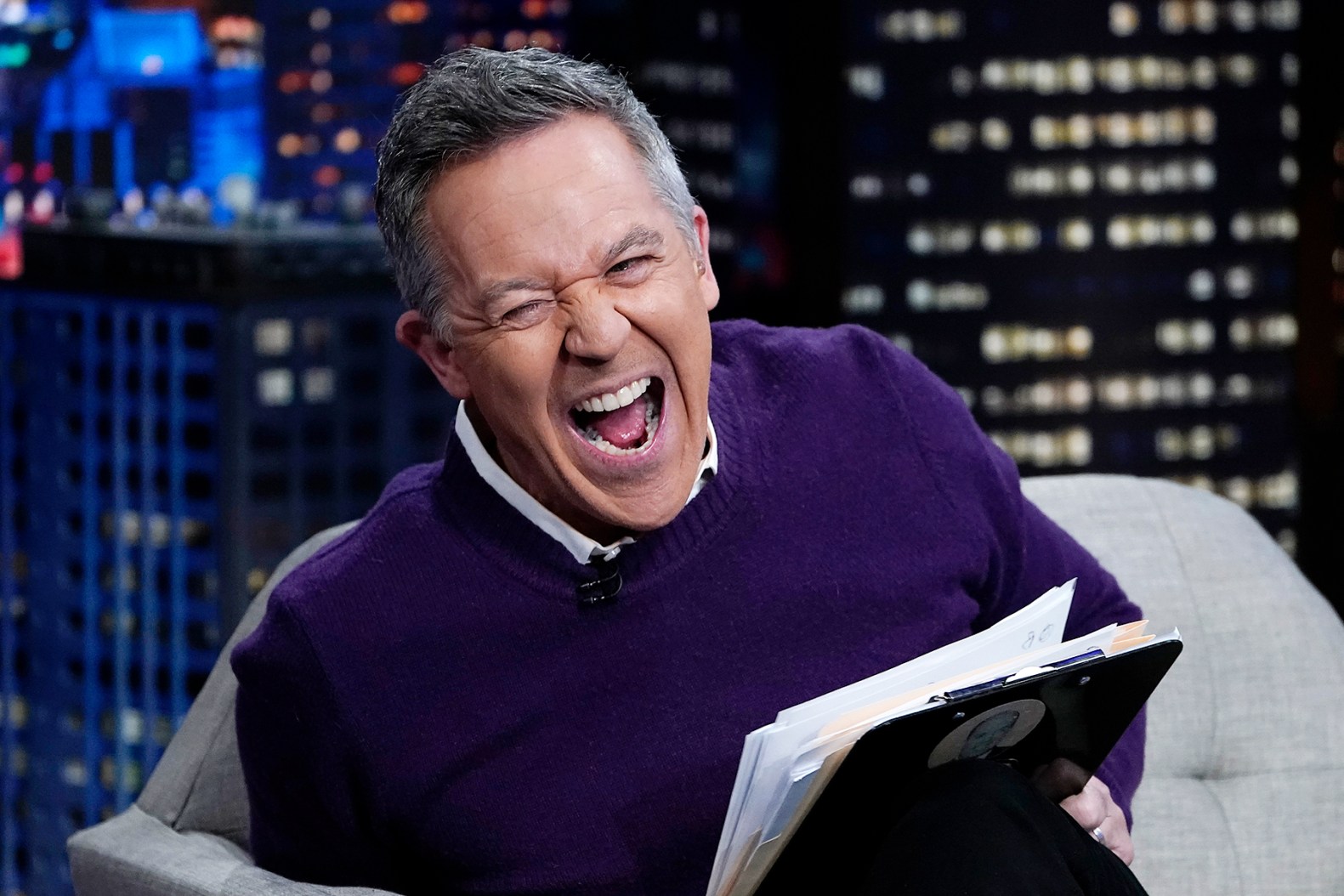
During a segment on “The Five,” Gutfeld proposed that conservatives might counter accusations of fascism by adopting the label “Nazi.” The intent behind his remark appeared to be an attempt to minimize the derogatory impact of the term by normalizing its use among conservatives. By calling for framed acceptance of such terms, Gutfeld suggested that if people confront these labels upfront, they lose their negative power. While some of his co-hosts chuckled at the quip, many viewers found his comments deeply unsettling.
Reactions and Backlash

As expected, Gutfeld’s comments went viral, leading to a wave of responses on social media. Users expressed their outrage, arguing that normalizing a term with such heavy historical repercussions is nothing short of reckless. Critics emphasized the grave implications of associating the Nazi label with political discourse, noting that it trivializes the suffering experienced during one of history’s darkest periods. Many condemned Gutfeld not only for insensitivity but for what they viewed as an irresponsible interplay of humor and historical reality.
- Social media platforms were flooded with criticism, with users condemning Gutfeld for his remarks.
- Accusations of racism and antisemitism emerged, as critics highlighted the inappropriateness of the comparison.
- The backlash touched on broader themes surrounding the normalization of extremist political ideologies.
Historical Implications and Political Discourse

The historical connotations attached to the term “Nazi” cannot be overlooked. For many, it represents not just a political ideology but a haunting reminder of tremendous human suffering and loss during the Holocaust and World War II. Critics have pointed out that equating political criticism with a term loaded with such severe implications undermines the discourse surrounding legitimate concerns of extremism. Furthermore, opponents of Gutfeld’s comments argue that humor should not come at the expense of historical facts and the dignity of those affected by such ideologies.

The incident highlights the delicate balance between satire, political discourse, and historical sensitivity. Gutfeld’s remarks can be seen as a concerning venture into murky waters where comedy meets serious political ideology. Given the current sociopolitical climate in the United States, the conversation surrounding such terms warrants a more nuanced and responsible approach.
Response from Fox News and Public Figures

As of the time of reporting, neither Gutfeld nor Fox News had issued an official response concerning the backlash. This silence may contribute to further outrage, as many believe public figures should be held accountable for their statements and the influence they wield over public opinion. There is an expectation that media figures act with a level of responsibility that accounts for the weight of the words they choose to use, especially when those words carry historical significance.

In conclusion, the incident involving Greg Gutfeld serves as a key moment for reflection on the use of language within political contexts. As society continues to grapple with issues of race, history, and identity, it is imperative to foster conversations that engage with sensitivity and depth. For those who seek to navigate political and humorous discourse alike, a commitment to understanding the implications of rhetoric is paramount. Contact your representatives and encourage them to promote responsible dialogue in media and politics today.


