Fox News Seeks to Throw Out Gavin Newsom’s Defamation Suit
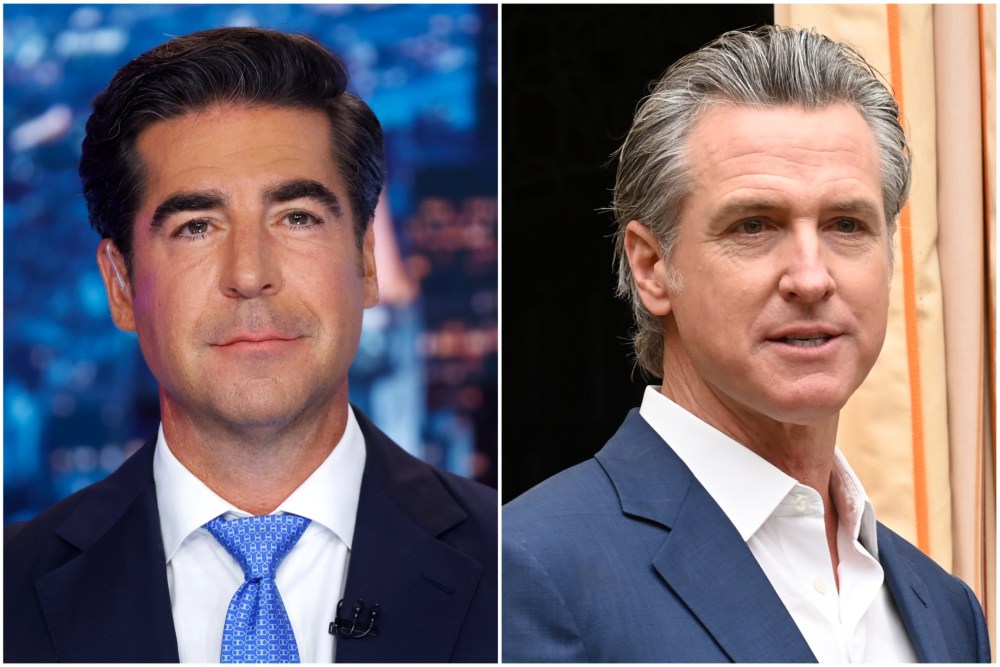
In a notable legal confrontation, Fox News has initiated a motion to dismiss a defamation lawsuit filed by California Governor Gavin Newsom. The high-profile suit, which seeks a staggering $787 million in damages, has captured significant media attention and reflects the contentious relationship between the news network and the state’s political leadership. Fox News contends that Newsom is leveraging this legal issue to generate a “press spectacle” that may bolster his aspirations for a presidential run.
The Origin of the Defamation Suit

The conflict stems from remarks made by Jesse Watters, a prominent host on Fox News. During a broadcast, Watters claimed that Governor Newsom had lied about a communication with former President Donald Trump. This statement referred to assertions made by Newsom in June, following a series of controversial raids conducted by Immigration and Customs Enforcement (ICE).
At the heart of the matter, Newsom claimed that Trump never reached out to him, directly countering the president’s narrative regarding a supposed phone call. Trump’s escalation during protests, where he federalized the National Guard, added further tension to the situation. Watters, defending Trump’s actions, accused Newsom of deceit, an allegation that prompted the defamation lawsuit.
Fox News’s Defense: Opinion vs. Defamation

In its motion to dismiss the lawsuit, Fox News argues that Watters’ comments should be protected under the umbrella of free opinion. The legal team at Fox suggests that the critical remarks aired by Watters do not amount to straightforward falsehoods but rather reflect a personal interpretation of the political landscape. They assert that Newsom’s claims about the phone call were misleading, allegedly supported by call logs that confirmed contact before Newsom’s public declaration.
The network’s legal argument raises vital questions about the nature of public discourse and media commentary, particularly regarding public figures such as elected officials. By framing Watters’ statements as opinion rather than fact, Fox News seeks to disentangle itself from the liability of defamation, which necessitates demonstrating that false claims were made with actual malice.
Strategic Legal Maneuvering

Adding further complexity to the legal proceedings, Fox News argues that Newsom has deliberately chosen a favorable legal venue. The lawsuit was filed in a jurisdiction perceived to be amenable to Newsom, contrasting with California courts where accusations of frivolous lawsuits could carry more severe ramifications for the plaintiff. This strategic placement may be representative of broader tactics often employed in high-stakes legal battles, as both parties look to secure advantageous circumstances in the eyes of the law.
Despite the ongoing legal complexities and a quasi-apology issued by Watters that might typically suggest a willingness to settle or withdraw claims, Newsom has not retracted his lawsuit. This ongoing litigation highlights not only the personal stakes involved but the broader implications for how media entities interact with governmental officials.
The Bigger Picture: Media Commentary and Political Capital

As the lawsuit unfolds, the case serves as a crucial example of the intersection between media commentary and political capital. Newsom’s determination to pursue legal action may be indicative of a broader trend among politicians who seek to challenge narratives they believe are damaging or misleading. Conversely, Fox News’s defense will likely delve into the realm of First Amendment rights, promoting a robust debate about freedom of speech in the context of critical political dialogue.

In a climate characterized by heightened scrutiny of media practices, this lawsuit additionally raises questions about the responsibility of news networks in their reporting. The outcome may set important precedents regarding the extent to which public figures can pursue defamation claims against media entities for comments perceived as disparaging yet rooted in opinions.

As the legal battle continues, both sides remain locked in a fight that could have far-reaching implications for the relationship between media outlets and government officials. The court’s eventual rulings may not only impact the parties involved but also influence the broader dynamics of public discourse and media accountability.

Stay tuned for updates on this high-stakes legal battle, as the outcomes could echo through the landscape of political media interactions for years to come.
For those interested in following the ongoing discussions surrounding media ethics, public accountability, and political narratives, we encourage you to engage with the unfolding developments in this case. Your voice matters in the conversation about the integrity of media and its essential role in democracy.


