CBS Host Pours Cold Water on Liberal Outrage Over Colbert Cancellation, Says Late-Night Industry is ‘Broken’

The late-night talk show landscape has been a hotbed of political discussion and entertainment, but recent events have stirred considerable controversy. CBS host has come forward to address the liberal outrage surrounding Stephen Colbert’s cancellation, suggesting that the entire late-night TV industry may be in disarray. This commentary casts a critical light on the current state of late-night programming, revealing broader issues within the genre.

Fans of Stephen Colbert were taken aback by the news of his show’s cancellation, igniting a wave of backlash from those who aligned with his socially progressive views. The outrage was palpable, with many considering it a politically charged decision to ax a show that provided a platform for left-leaning commentary. However, CBS host, seemingly unfazed, argues that there is more to this situation than meets the eye.

The Decline of Late-Night Programming
According to the CBS personality, the late-night industry is ‘broken’ — a sentiment echoed by many who have observed the decline in viewership and relevance of these programs. In recent years, traditional late-night shows have seen a significant dip in ratings, which has prompted networks to rethink their approach. This change has led to programming that one host describes as bland and repetitive, failing to resonate with the evolving tastes of contemporary audiences.

The format that once thrived on witty monologues and engaging interviews has been overshadowed by political polarization. Networks have struggled to balance humor with pressing political discourse, causing some hosts to shift their entire content focus to align with their audience’s expectations. This shift may have contributed to the sense of dissatisfaction among viewers, who report feeling disconnected from the programming.

The Impact of Political Polarization
Political polarization has undoubtedly played a role in the challenges facing late-night programming. In a media landscape where divided opinions dominate, viewers increasingly seek out content that aligns closely with their beliefs. As a result, late-night hosts often find themselves in a catch-22 situation: they can either maintain their original comedic tone or adapt their content to cater to a more divided audience.

This dilemma has led to a notable bifurcation in late-night television. Programs that lean heavily into partisan commentary may attract fervent loyalty from one side but alienate viewers from the opposite end of the political spectrum. The CBS host points out that this divisive approach could be detrimental—as it narrows the market and acts against the very essence of comedy, which should ideally bridge gaps, not deepen divides.
Calls for a New Direction in Late-Night TV
With criticism mounting, some in the industry are calling for a rethink in the late-night television format. The CBS host advocates for a diversified approach that moves away from purely political content and returns to core comedic values that appeal to a broader audience. This pivot could not only rejuvenate ratings but also reinstate late-night shows as a relevant part of American culture.

Innovation could lead to content that ingeniously weaves humor into everyday issues, with less emphasis on political identification. Whether it’s quirky interviews, social experiments, or light-hearted monologues, the opportunity for growth lies in re-engaging audiences with relatable, if not outright entertaining, content. The true challenge remains: finding the balance between political insights and humor that resonates with everyone.
Ultimately, the fate of late-night television depends on its ability to adapt to changing viewer expectations. As asks for a shift in narrative gain traction, it is crucial for late-night hosts and networks to consider this perspective seriously. Embracing varied themes might just hold the key to success in reigniting this once-thriving genre.
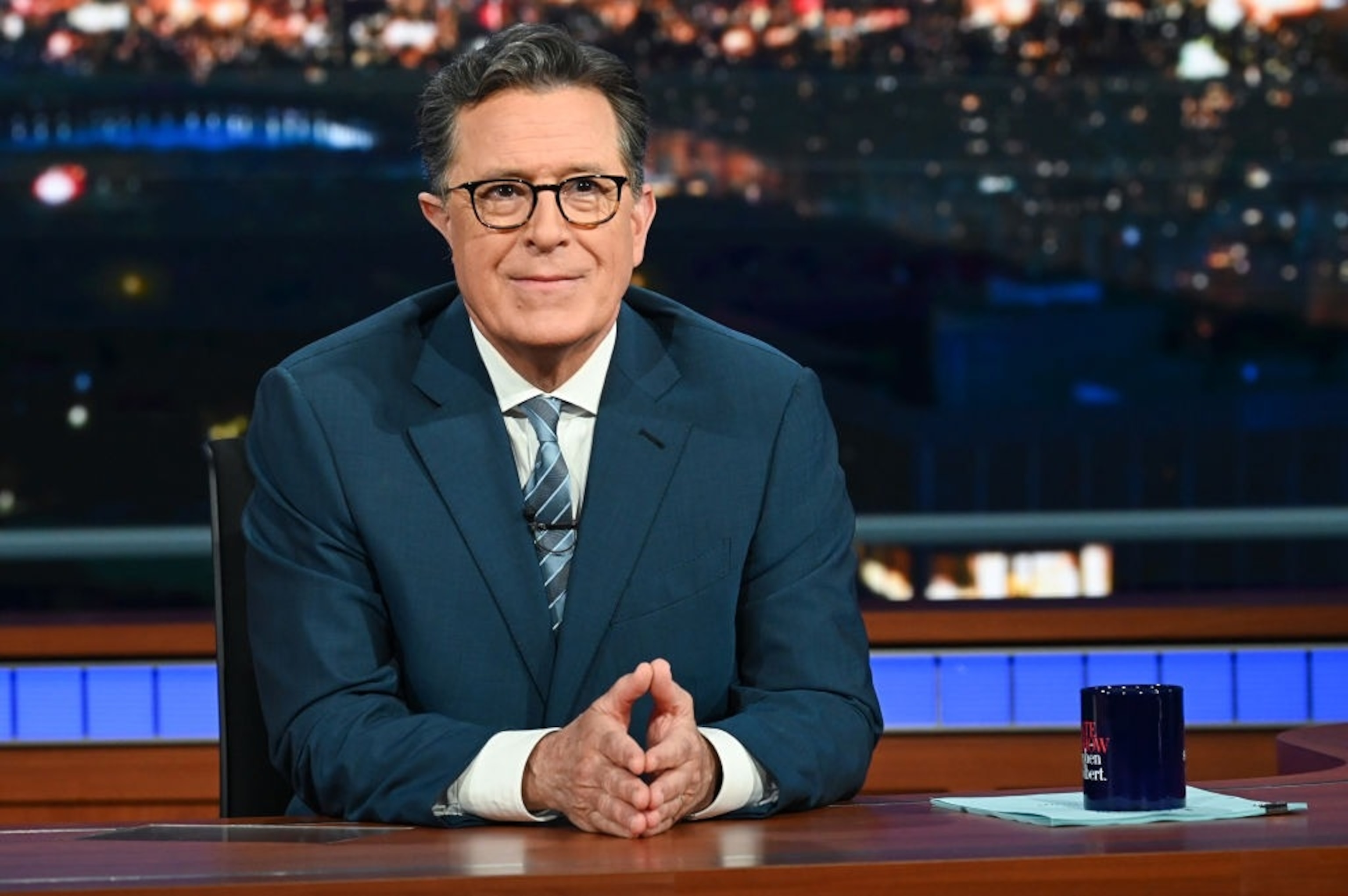
In conclusion, while the upheaval surrounding Colbert’s cancellation may reflect deeper issues within late-night television, it also signals an essential opportunity for transformation. The industry could immensely benefit from evolving past political skits, seeking fresh, engaging content that speaks to the core of entertainment. For fans and aspiring late-night hosts, the time has come to advocate for a new direction that prioritizes humor, inclusivity, and creative storytelling.

Are you ready to voice your thoughts on the future of late-night television? Share your opinions and let’s discuss how we can help revitalize an industry that has played a significant role in American entertainment!


