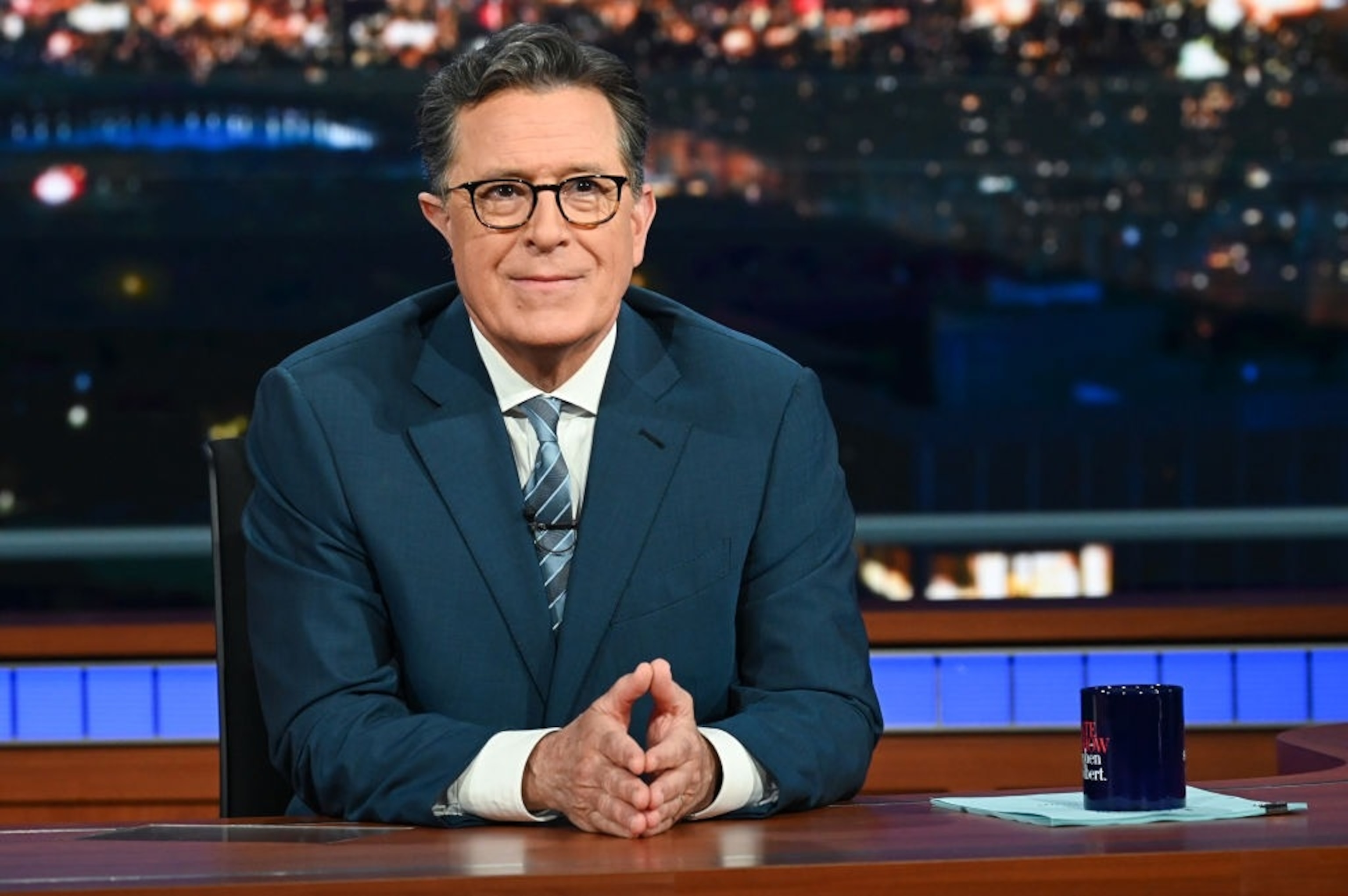
Stephen Colbert Is Practically Daring CBS to Shut Him Down Early

Stephen Colbert, the host of “The Late Show,” is making headlines with his bold stance against CBS following the network’s announcement of potential cancellation. His reaction to the news has been nothing short of defiant, as he has ramped up his critique of former President Donald Trump, suggesting that the cancellation may have more to do with politics than financial issues. As the landscape of late-night television continues to change, Colbert’s approach highlights the intricate relationship between media, politics, and comedy.
Colbert’s Outspoken Critique of CBS and Trump

On the very first episode following the cancellation rumors, Colbert expressed bewilderment over CBS’s decision. His astonishment was evident, especially considering that his show has remained a ratings success. Colbert’s sharp wit has historically thrived on political commentary, and it appears he is leveraging this situation to challenge CBS openly. His take on the network’s claims of financial hardship, including a reported $40 million loss attributed to his program, was met with skepticism. Colbert humorously painted a picture of the absurdity of these claims, positioning his show as a staple of the late-night lineup, much to the delight of his loyal audience.
Comedy as a Platform for Political Discourse

In the wake of the cancellation news, Colbert has continued to focus his monologues on Trump, utilizing humor to tackle some serious issues that have defined American politics in recent years. By connecting Trump to various controversies, including the former president’s connections to figures like Jeffrey Epstein, Colbert demonstrates the power of comedy as a means of political critique. His segments have struck a chord with viewers, leading to viral moments that amplify his points while maintaining a comedic tone.

- Colbert’s willingness to explore taboo topics in an entertaining manner has made him a voice many rely on for political insight.
- His comedic style allows him to question the legitimacy of political figures in a way that promotes dialogue among audiences.
- As Trump continues to dominate headlines, Colbert’s consistent focus on the former president signifies his dedication to holding power accountable.
The High Stakes of Defiance

Colbert’s assertive stance against CBS can be seen as a much-risked gamble. While continuing to mock both Trump and the network, he essentially dares CBS to take further action against him, raising the question of whether the motives behind the cancellation were substantially rooted in politics. If he remains free to express his views without repercussions, it could indicate that CBS may not be willing to face backlash for perceived censorship. On the flip side, should the network decide to end his run prematurely, this would affirm claims that his political commentary was a key factor in their decision.

As viewers tune in to witness Colbert’s ongoing defiance, it reveals more than just the resilience of a comedian; it encapsulates the broader challenges faced by media organizations in a politically charged climate. The tension between delivering corporate interests and fostering an environment of free speech creates a challenging landscape for networks and comedians alike.

In conclusion, Stephen Colbert’s current episode of defiance is a testament to his comedic prowess and serves as a critical reflection of the complicated relationship between media companies and political commentary during these turbulent times. As the story unfolds, audiences are encouraged to stay engaged and witness how this provocative situation develops.