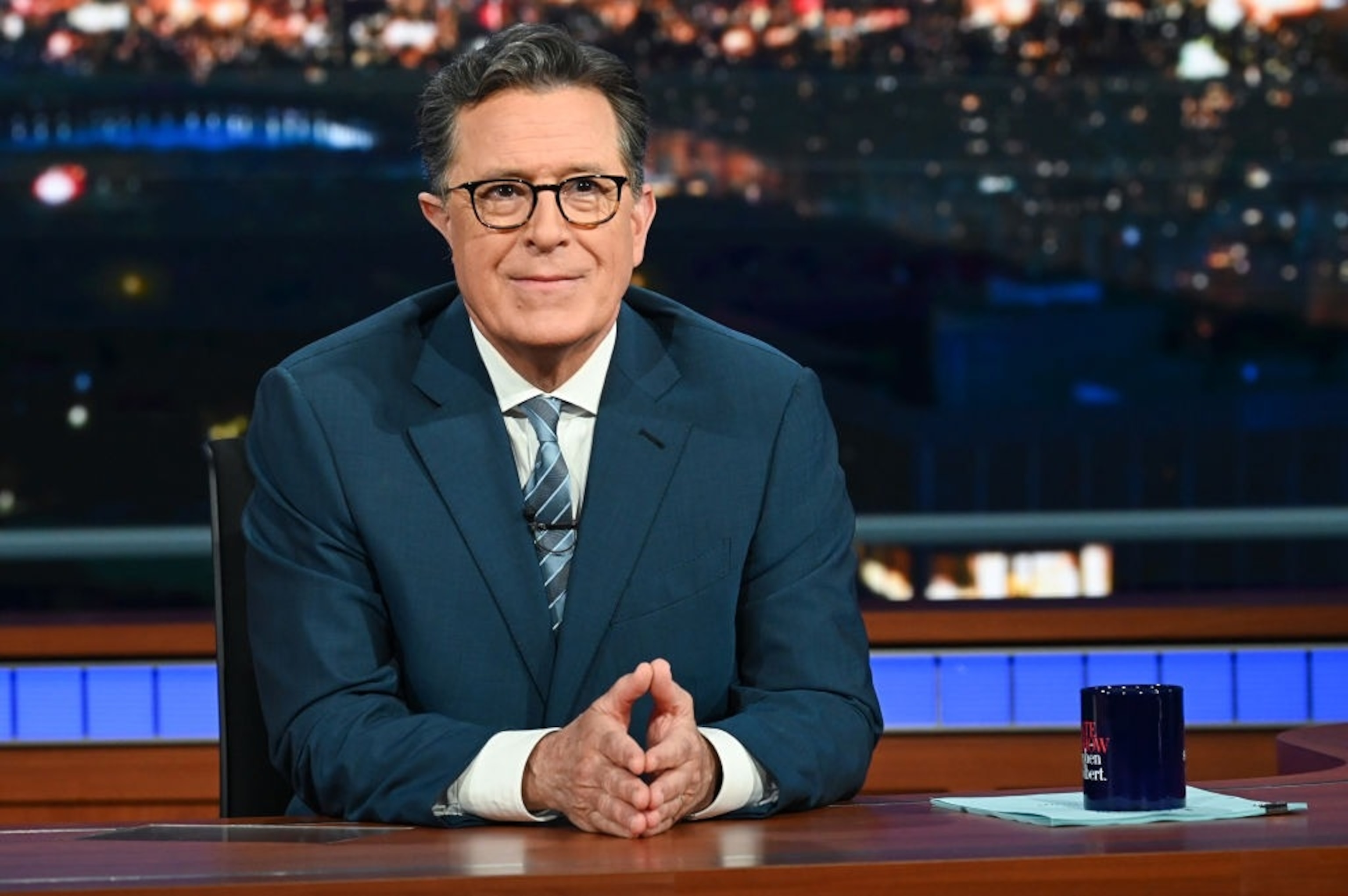
Stephen Colbert’s Ratings Soar After ‘Late Show’ Is Cancelled

Stephen Colbert’s ratings for “The Late Show” have experienced an impressive surge of 32% following CBS’s unexpected decision to cancel the program. During the week of July 21-24, Colbert’s viewership skyrocketed to 1 million U.S. households, compared to just 755,000 prior to the cancellation announcement. This remarkable increase set him well ahead of his late-night competitors, with Jimmy Fallon and Jimmy Kimmel pulling in 650,000 and 565,000 viewers, respectively. The substantial boost in ratings has sparked widespread interest in the late-night television landscape.

The Impact of Cancellation on Late-Night Viewership

According to data sourced from Samba TV, Colbert consistently led the late-night viewership race by margins ranging from 8% to 12%. However, following the cancellation news, that lead widened astonishingly to about 81% as audiences eagerly tuned in to see how Colbert would navigate this unexpected twist. The combination of heightened curiosity and his candid approach to the cancellation has led to a significant increase in viewers flocking to his show.
Speculation Behind CBS’s Decision

While CBS officially cited financial reasons for the cancellation, asserting that “The Late Show” was incurring significant losses, there are whispers of deeper motivations. Colbert has been vocal in his criticisms of former President Donald Trump, and it has been suggested that his remarks, alongside the network’s entanglements with a Trump-related lawsuit, may have played a role in their decision-making process. This speculation adds an intriguing layer to the story, especially in the politically charged atmosphere of late-night television.

Colbert’s Strategic Response to Cancellation

In response to the cancellation, Colbert embraced the moment by addressing it head-on during his show. He invited several prominent guest figures, including fellow late-night hosts, to participate in discussions about this unexpected change. This strategic move likely contributed to the increased ratings, as it showcased his ability to adapt and keep the audience engaged. Rather than shying away from the topic, Colbert leaned into the buzz, transforming a potentially negative situation into an opportunity to connect with his viewers.
Looking ahead, Colbert remains on the air until May 2026, and his future seems promising. With fewer constraints surrounding censorship, he may leverage this newfound freedom to produce even more compelling content. The industry is abuzz with speculation regarding how this cancellation could shift the dynamics of late-night television, mirroring past disputes that have created waves in the genre.

In the long term, the cancellation of “The Late Show” could position Jimmy Fallon favorably as he strives to reclaim his leadership in late-night television. The changing landscape presents opportunities for all involved, underscoring the constantly evolving nature of this entertainment sphere. As discussions around “The Late Show” continue, audiences are reminded of how unpredictable and fascinating the world of late-night television can be.