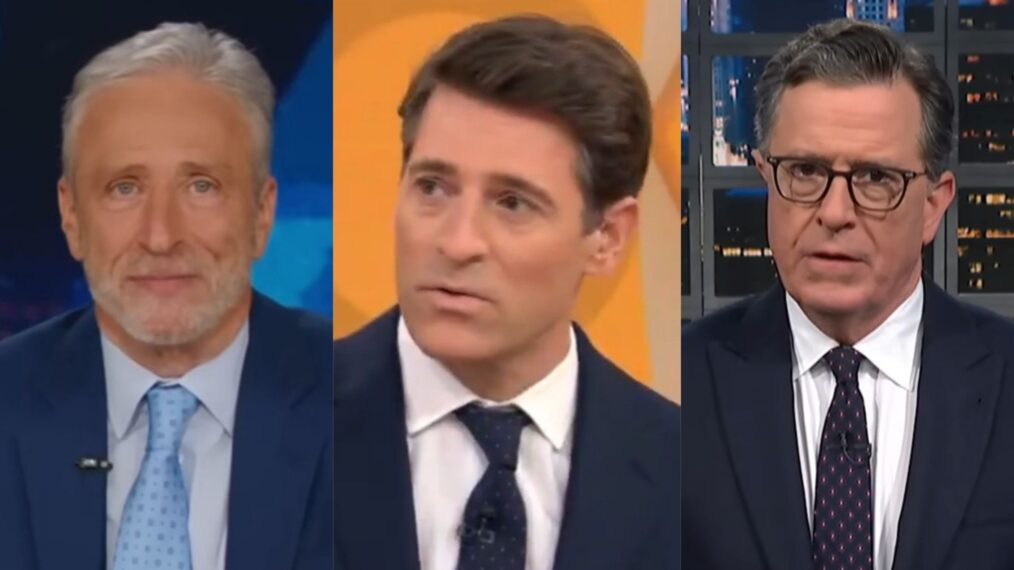
CBS Host Tony Dokoupil Pushes Back at Liberal Outrage Over Colbert Cancellation

The recent decision by CBS to cancel “The Late Show with Stephen Colbert” has sparked significant backlash, particularly from liberal audiences. CBS Mornings co-host Tony Dokoupil took the initiative to respond to this outrage, shedding light on the complexities behind such programming choices. In a media landscape rife with differing opinions, Dokoupil’s comments have ignited discussions about audience expectations and network responsibilities.
Understanding the Backlash

The announcement of the show’s cancellation came as a surprise to many fans. Stephen Colbert has been a staple in late-night television, known for his satirical takes on current events and politics. However, the backlash from liberal circles was not merely about losing a beloved host; it was also indicative of broader concerns regarding representation in media. Dokoupil pointed out that such outcry is often rooted in a need to feel heard and included in the national conversation.
- Audience Expectations: Viewers cultivated an emotional connection with Colbert’s approach to addressing political issues. The cancellation disrupted this connection, leaving fans feeling betrayed.
- Network Decisions: Dokoupil emphasized that decisions made by networks are often based on viewership ratings and market trends, which can sometimes lead to unpopular outcomes.
- Media Landscape: The incident highlights how various media platforms navigate the treacherous waters of public sentiment and changing demographics.
Dokoupil’s Perspective on Media Responsibility

In response to the backlash, Dokoupil articulated the importance of understanding the business side of network programming. He acknowledged that while Colbert’s show resonated with many, the shifting dynamics of audiences and revenue considerations cannot be ignored. This perspective raised questions about the balance between maintaining integrity in programming and responding to the audience’s demands.
- Business Considerations: Ratings and revenue play vital roles in programming decisions. If a show is not performing well, networks must reevaluate their strategies.
- Public Discourse: The role of media in shaping public opinion is significant. Dokoupil pointed out that the cancellation of a show like Colbert’s may leave gaps in the discourse on issues that matter to viewers.
- Complexity of Decisions: Programming decisions involve multiple layers of considerations, including cultural impact, audience diversity, and financial health.
The Future of Late-Night Television

The cancellation of “The Late Show with Stephen Colbert” raises questions about the direction of late-night television. As the media landscape continues to evolve, the future of such shows may depend on their ability to adapt to changing viewer preferences. Dokoupil’s defense of the network’s decision serves as a reminder that the interplay between audience expectations and corporate strategies is delicate and often fraught with tension.
- Adaptation to Change: Late-night hosts will need to find ways to keep their content fresh and aligned with audience interests.
- Emerging Voices: The cancellation opens the door for new hosts and new formats, signaling a potential shift in how late-night is produced.
- Engaging Audiences: Future shows will need to engage audiences on multiple platforms, ensuring that all voices feel heard and represented.
Conclusion

In navigating the complexities of programming decisions, CBS and its hosts like Tony Dokoupil emphasize the need for understanding the multifaceted nature of audience engagement. While the outrage surrounding Colbert’s cancellation reflects deep-seated concerns in media representation, it also opens up discussions for the future of late-night television. As the landscape continues to change, staying informed and aware of these themes is crucial for viewers and creators alike. Share your thoughts and join the conversation about the future of media—your voice matters!