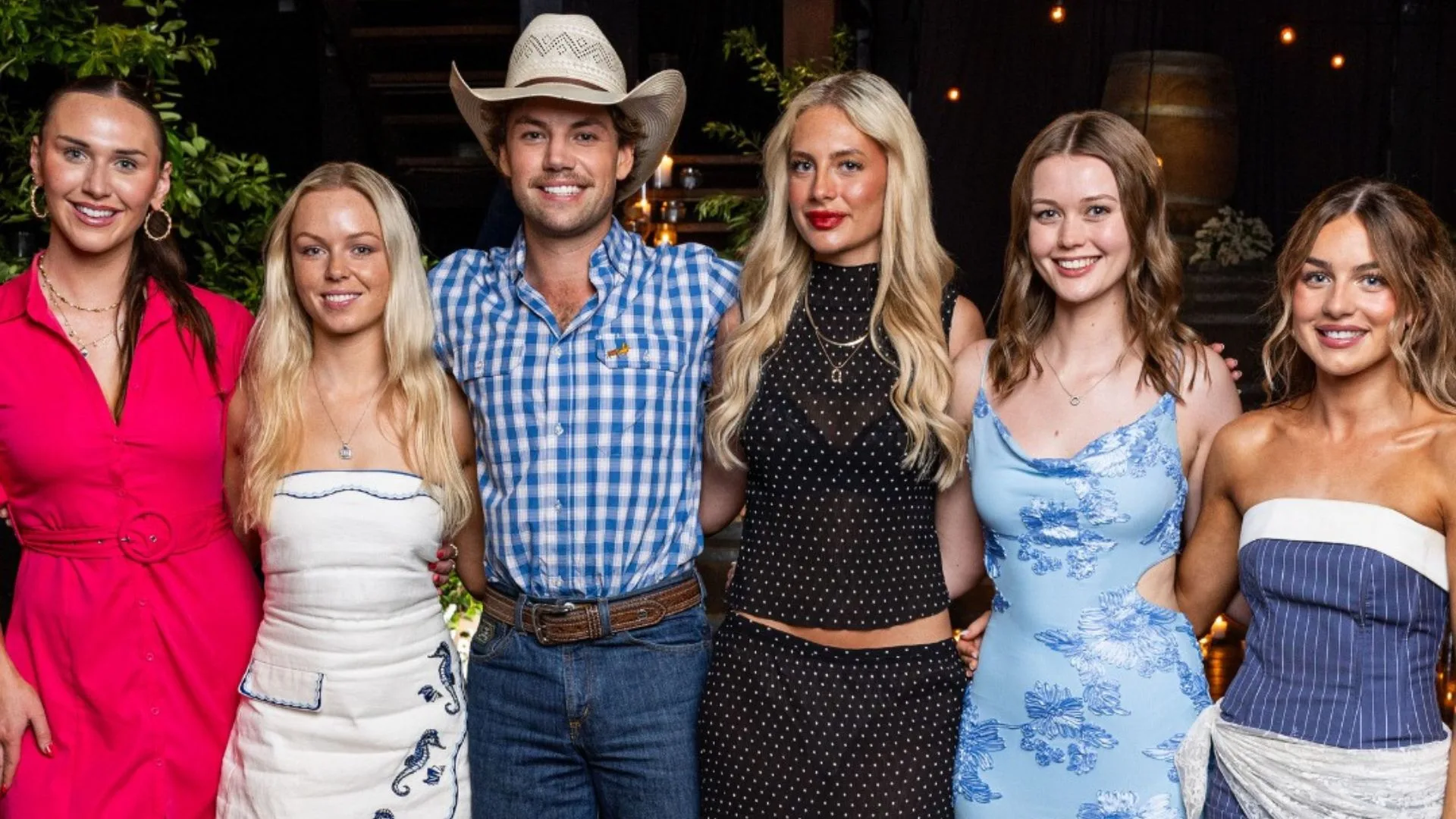
Farmer Wants A Wife’s Dylan Breaks Down: Behind-the-Scenes Secrets Revealed
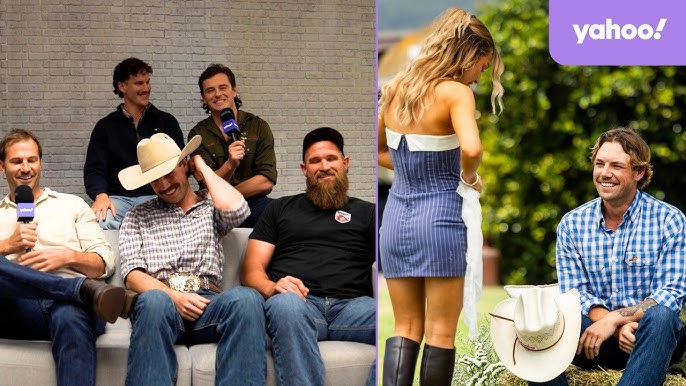
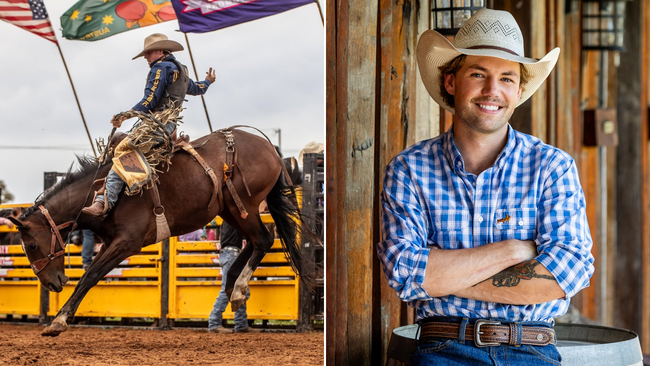
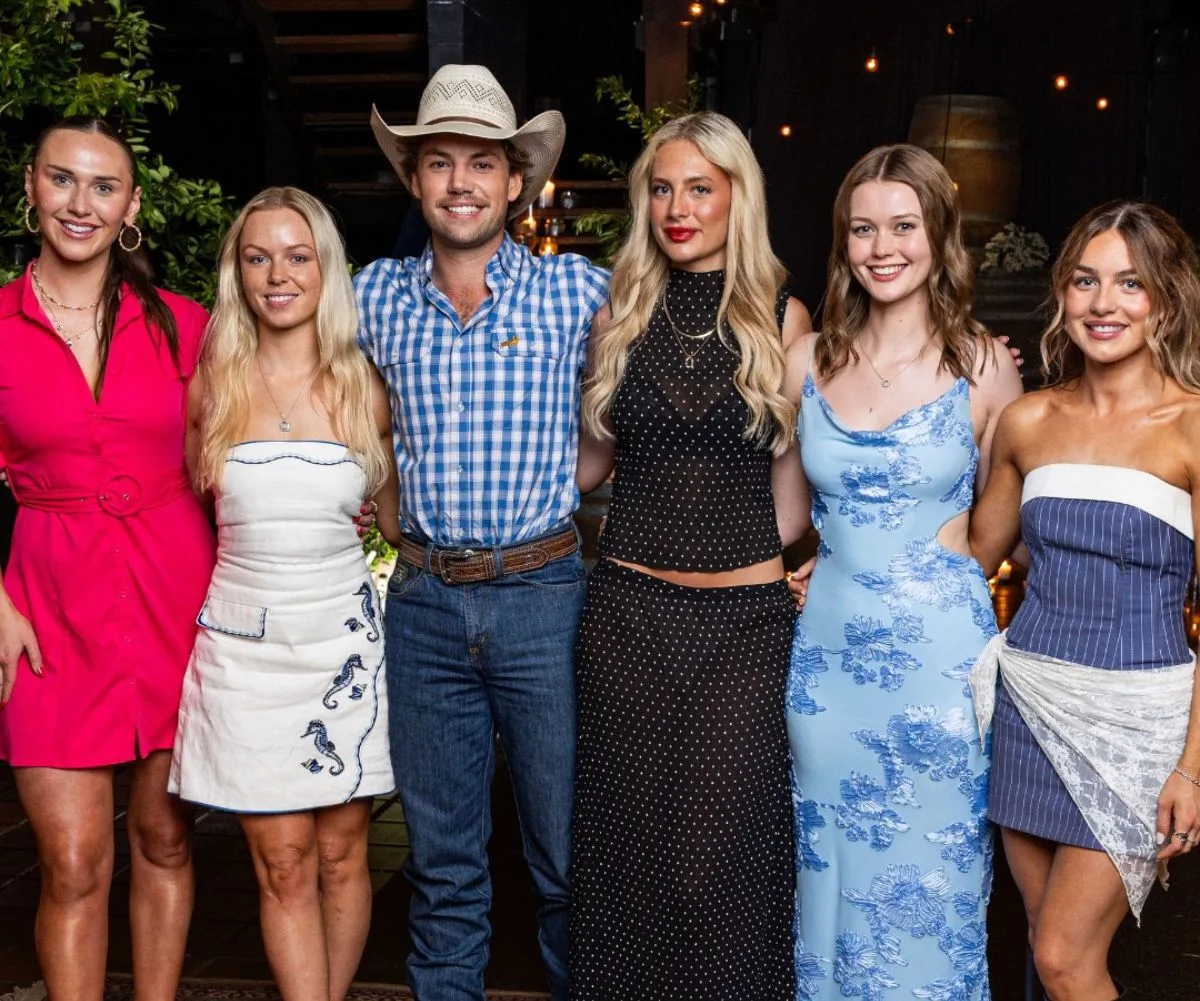
In a recent media appearance, Dylan from the popular reality show “Farmer Wants A Wife” broke down in tears, sharing his emotional journey and the challenges he faces as a contestant. The show, which has captivated audiences with its unique premise of matching farmers with potential partners, has also brought to light the often-hidden struggles behind the scenes. Dylan’s heartfelt revelations have sparked conversations about the realities of reality television and the pressure contestants face.
Dylan’s Emotional Revelation: The Fear of Being Misrepresented
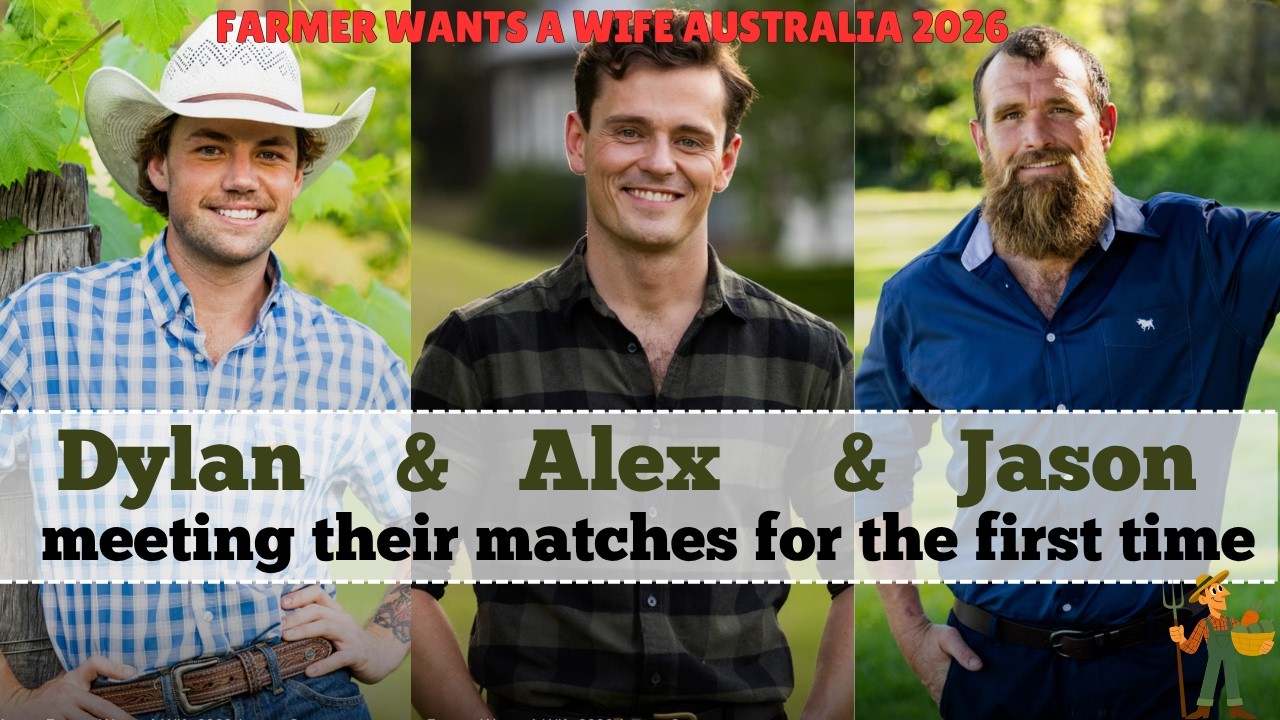
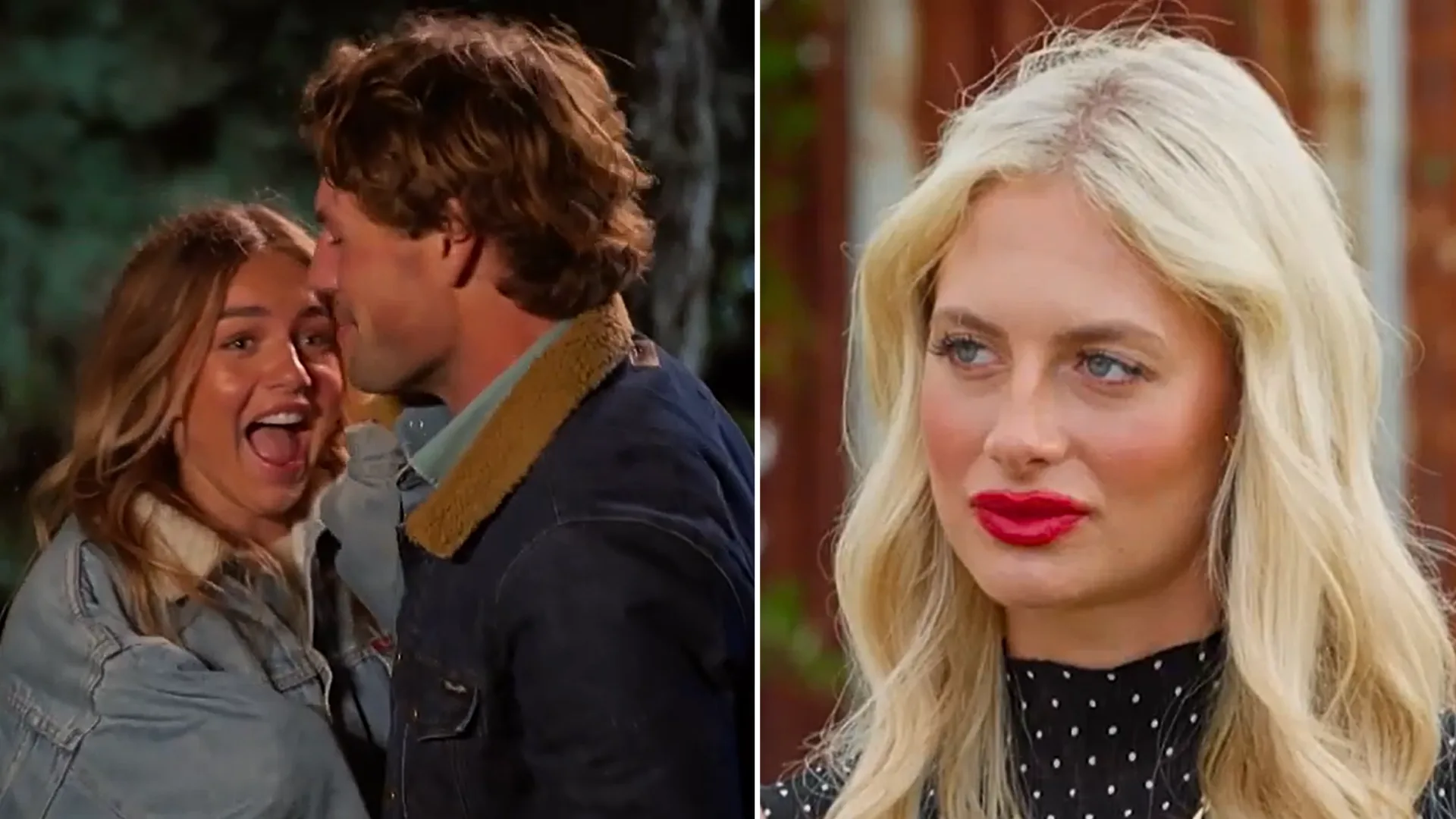
During his candid interview, Dylan expressed his deep-seated fear of being portrayed as the villain on the show. “I might end up being edited into the villain,” he said, highlighting a common concern among reality TV participants. The editing process can significantly alter how contestants are perceived by the audience, often leading to misunderstandings about their true character and intentions.
Dylan’s emotional breakdown serves as a reminder that reality TV is not just entertainment; it can have profound effects on the individuals involved. Contestants often find themselves at the mercy of producers and editors who shape their narratives. The pressure to fit into certain roles can lead to anxiety and distress, as Dylan has experienced firsthand.
The Reality of Reality TV: Behind-the-Scenes Insights
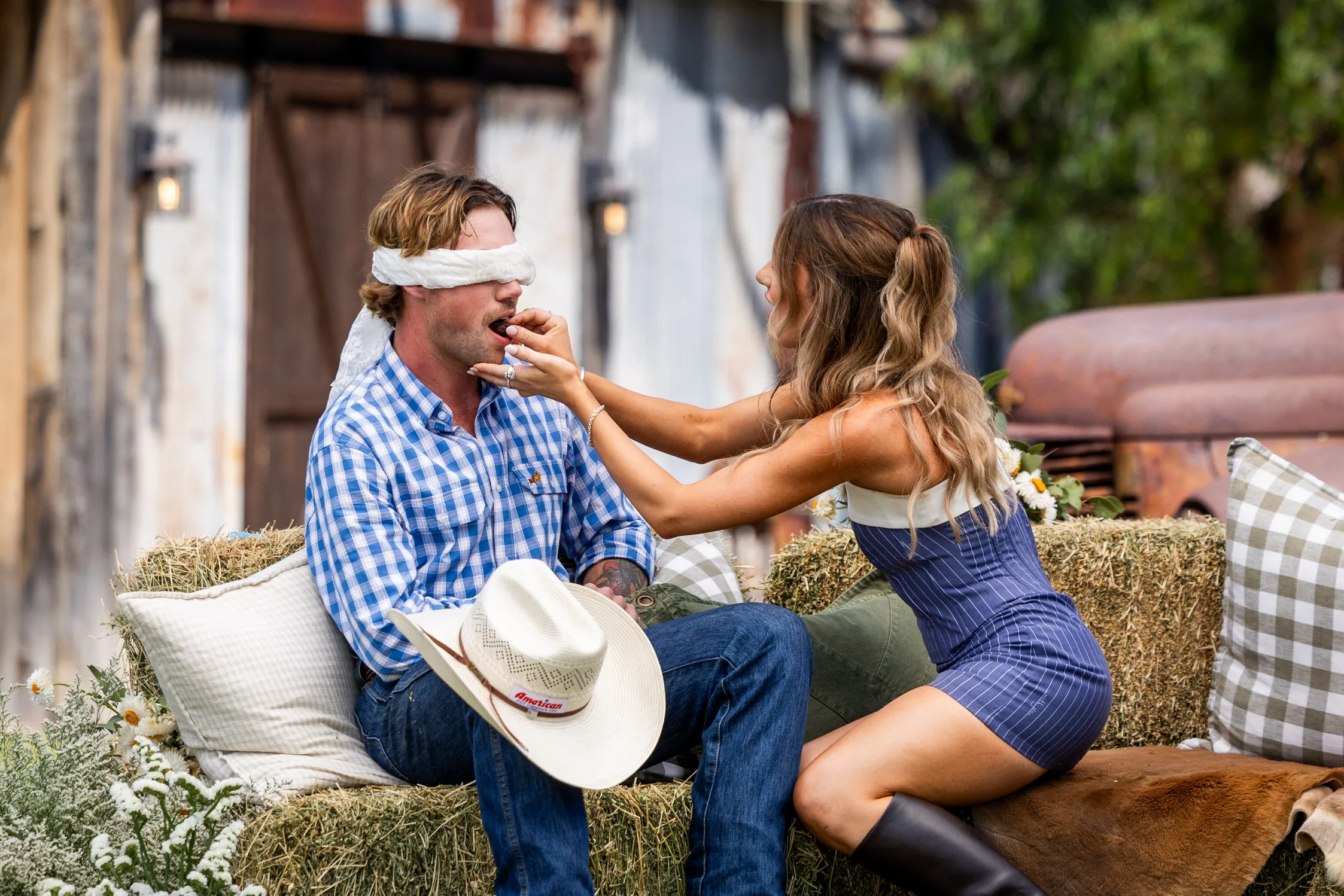
The world of reality television is often glamorized, but the truth is far more complex. Contestants like Dylan enter the show with hopes of finding love, but they also face intense scrutiny and the potential for negative portrayal. The editing process can create dramatic storylines that may not accurately reflect the contestants’ true personalities or experiences.
Dylan’s fears are not unfounded. Many reality TV stars have spoken out about the mental health challenges they face after filming. The pressure to maintain a certain image, combined with the public’s perception, can lead to feelings of isolation and anxiety. Dylan’s tears during his media appearance highlight the emotional toll that reality TV can take on its participants.
Moreover, the competitive nature of shows like “Farmer Wants A Wife” adds another layer of stress. Contestants are often pitted against one another, creating an environment where alliances can shift rapidly, and friendships can dissolve. This dynamic can lead to feelings of betrayal and confusion, as contestants navigate their relationships while also vying for the affection of the farmer.
Understanding the Impact of Editing on Contestants
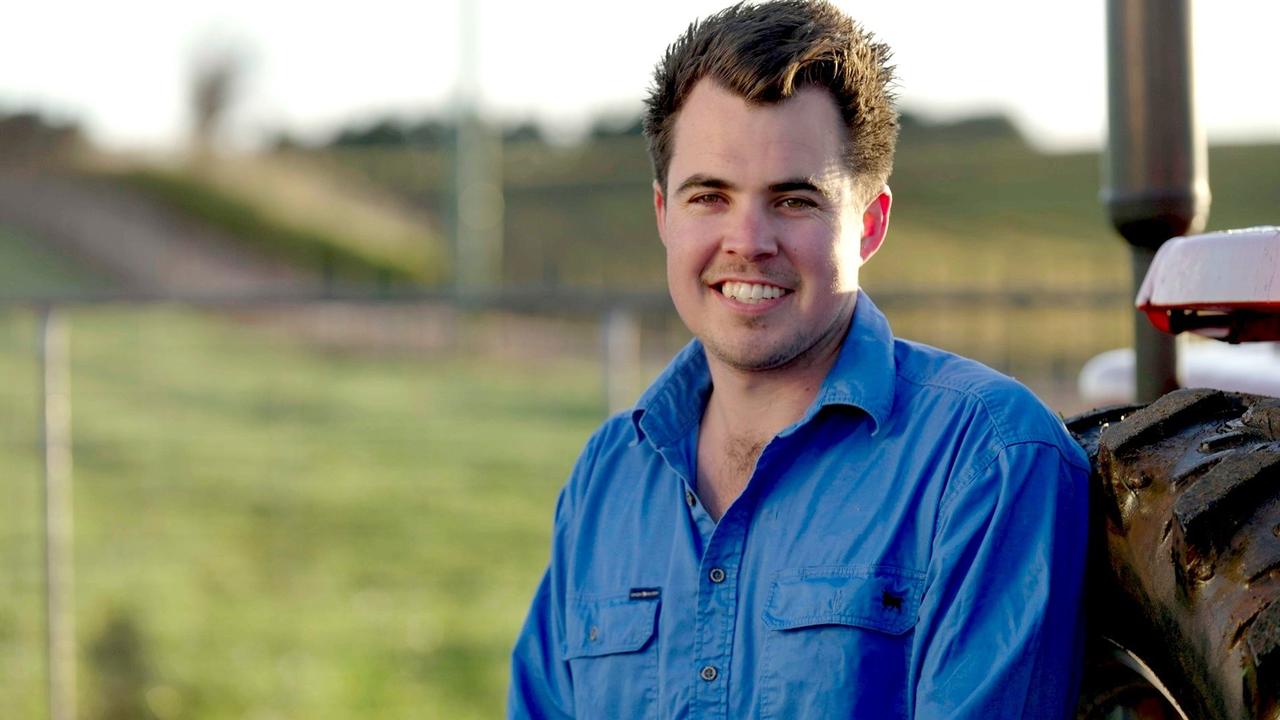
Editing plays a crucial role in shaping the narrative of reality shows. Producers often select specific moments to highlight, which can lead to skewed perceptions of contestants. Dylan’s fear of being edited into a villain speaks to a broader issue within the reality TV industry: the lack of control contestants have over their own stories.
Viewers may not realize the extent to which editing can manipulate a contestant’s image. A single moment captured on camera can be taken out of context, leading to a misrepresentation of character. This is particularly concerning for contestants like Dylan, who are vulnerable and seeking genuine connections.
As audiences, it’s essential to approach reality television with a critical eye. While the drama and excitement are part of the appeal, it’s important to remember that these are real people with real emotions. The stories presented on screen are often just a fraction of the truth, shaped by the decisions of producers and editors.
Supporting Contestants: The Importance of Mental Health Awareness
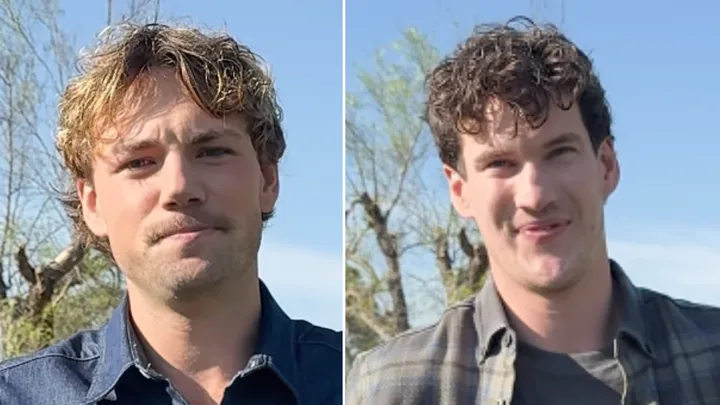
Dylan’s emotional breakdown serves as a call to action for increased awareness around mental health in the reality TV industry. Contestants often face immense pressure, and the aftermath of filming can leave lasting effects on their well-being. It’s crucial for networks and producers to prioritize the mental health of their participants, providing support and resources to help them navigate the challenges they face.
As viewers, we can also play a role in supporting contestants. Engaging with their stories on social media, offering words of encouragement, and advocating for mental health awareness can help create a more positive environment for those involved in reality television. By fostering understanding and compassion, we can contribute to a culture that values the well-being of contestants.
Conclusion: The Reality Behind the Reality Show
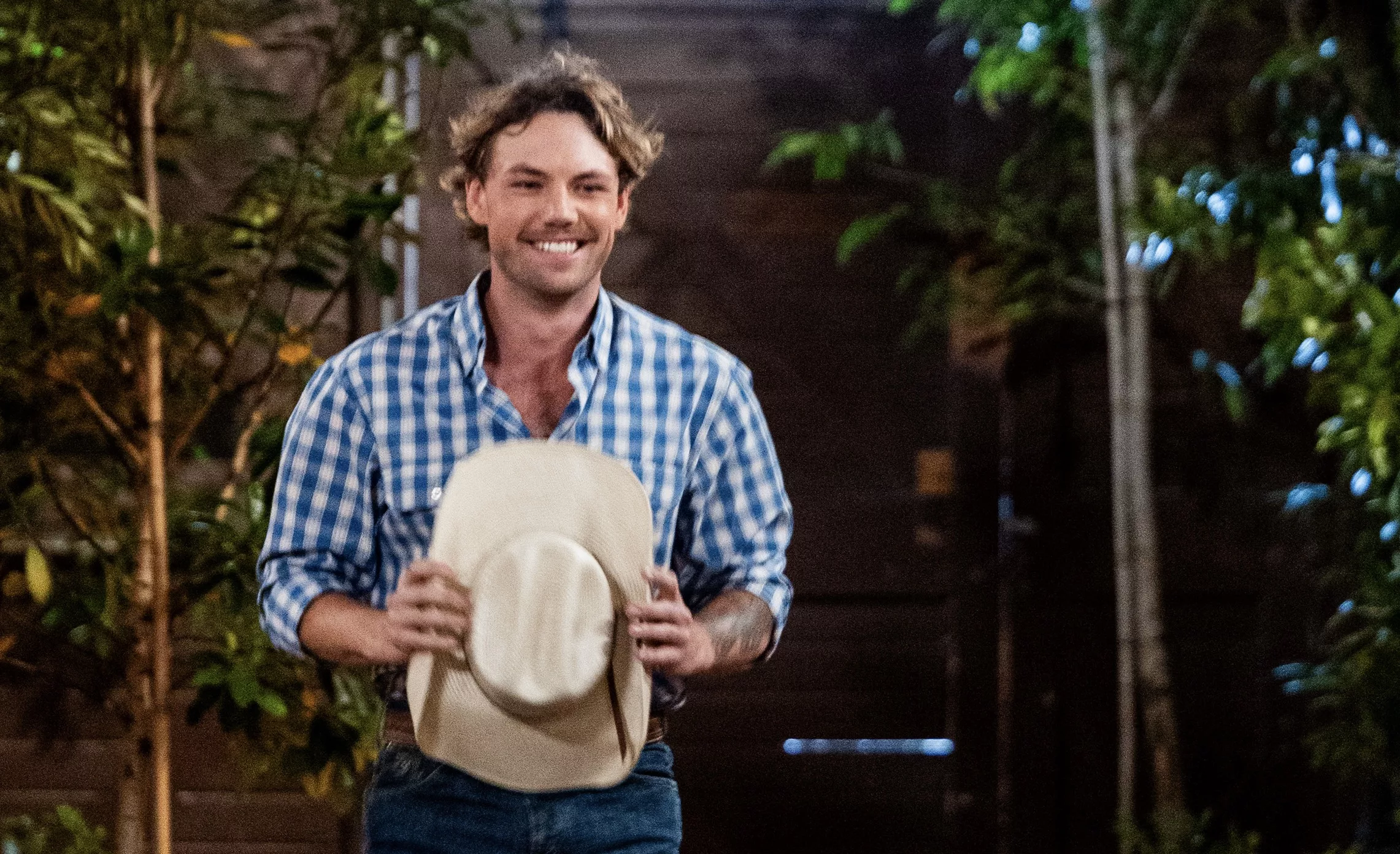
Dylan’s emotional revelations during his media appearance shed light on the often-overlooked struggles faced by reality TV contestants. The fear of being misrepresented and the pressure of editing can take a significant toll on their mental health. As viewers, it’s essential to approach reality television with empathy and awareness, recognizing that the stories we see are just a glimpse into the complex lives of real people.
If you or someone you know is struggling with mental health issues, it’s important to seek help. Support is available, and reaching out can make a difference. Let’s continue to advocate for the well-being of reality TV contestants and promote a culture of understanding and compassion.