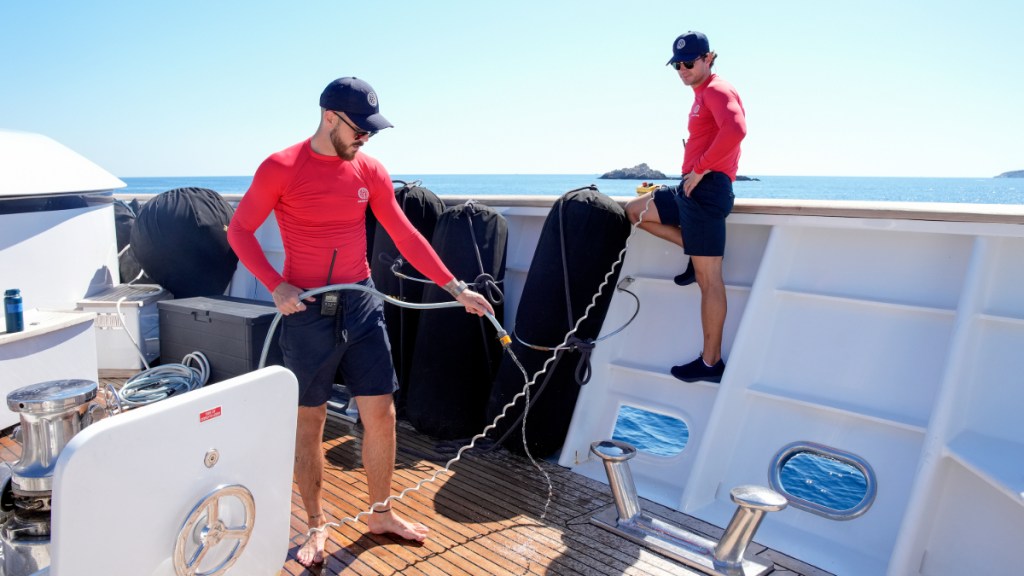
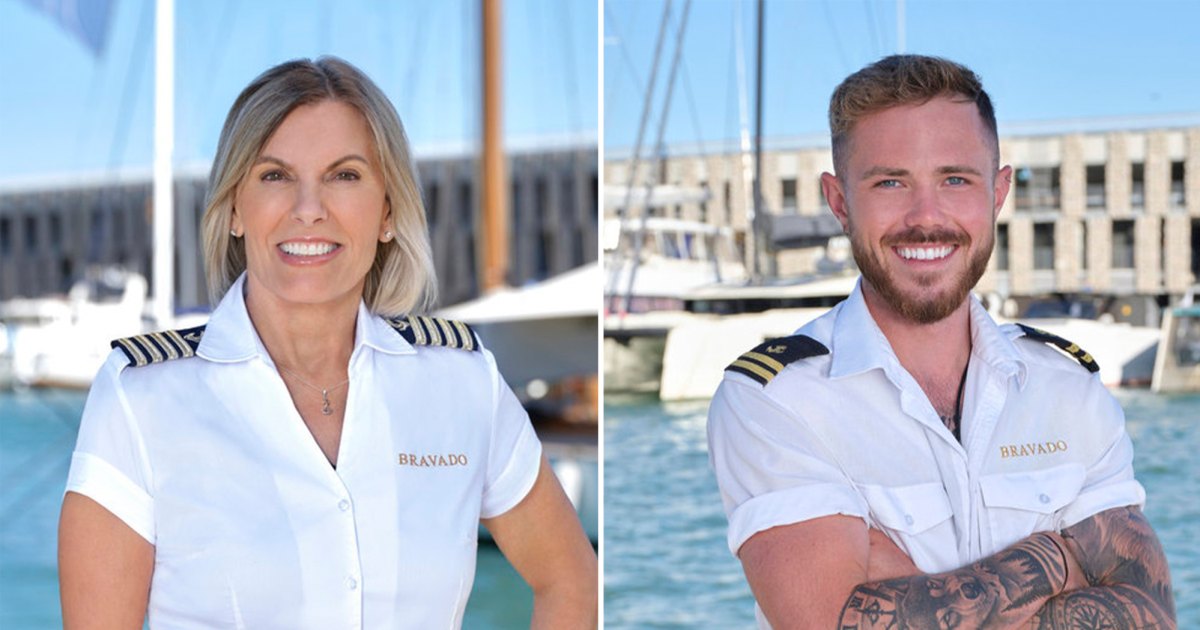
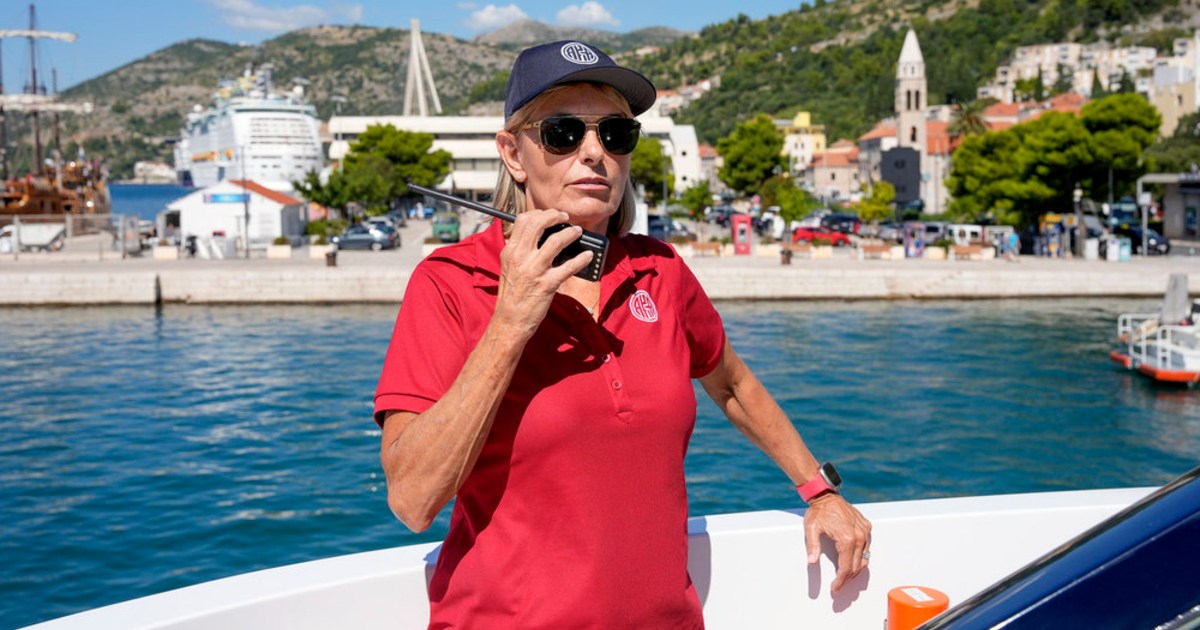
Captain Sandy Yawn’s Fiery Response to the Akira One Incident and the Scrutiny of Nathan Gallagher
Captain Sandy Yawn, known for her unwavering leadership and sharp instincts, recently erupted in anger following the dramatic events surrounding the Akira One incident. The situation quickly escalated when she placed Nathan Gallagher under intense scrutiny. However, what truly fueled her outrage was the accusation that a member of the crew deliberately ignored the imminent danger that was unfolding right before their eyes. This article delves into the details of the incident, the implications for the crew, and the broader lessons about accountability and vigilance in high-stakes environments.
The Akira One Incident: A Close Call That Shook the Crew
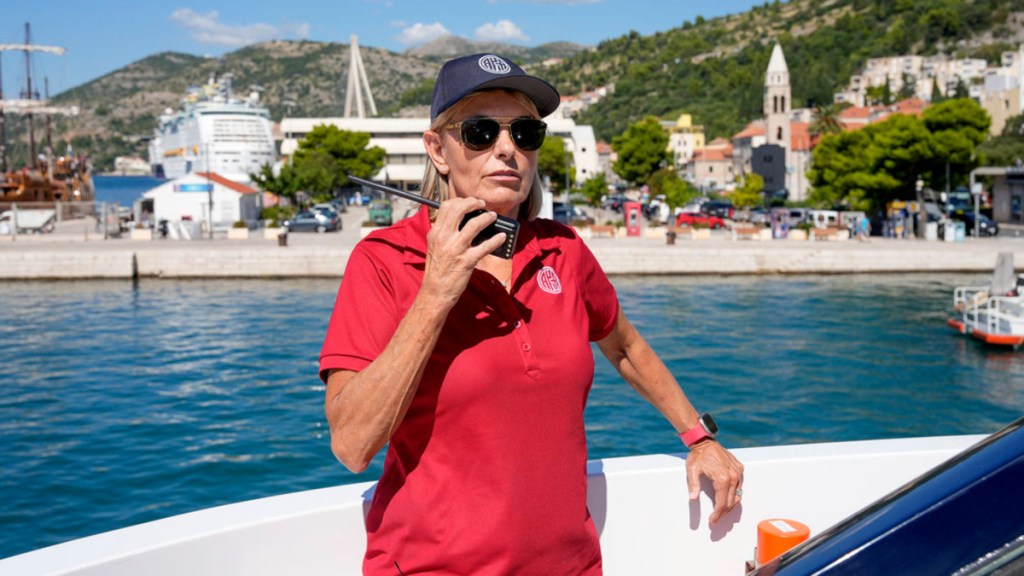
The Akira One incident was a critical moment that tested the mettle of the entire crew. During what should have been a routine operation, unexpected hazards emerged, threatening the safety of everyone on board. Captain Sandy Yawn’s leadership was immediately put to the test as she navigated the crisis with urgency and precision. However, the aftermath revealed troubling questions about the crew’s response, particularly regarding Nathan Gallagher’s role.
The keyword “Akira One incident” is essential here, as it anchors the article’s focus and ensures relevance for readers searching for information about this specific event.
Nathan Gallagher Under the Microscope
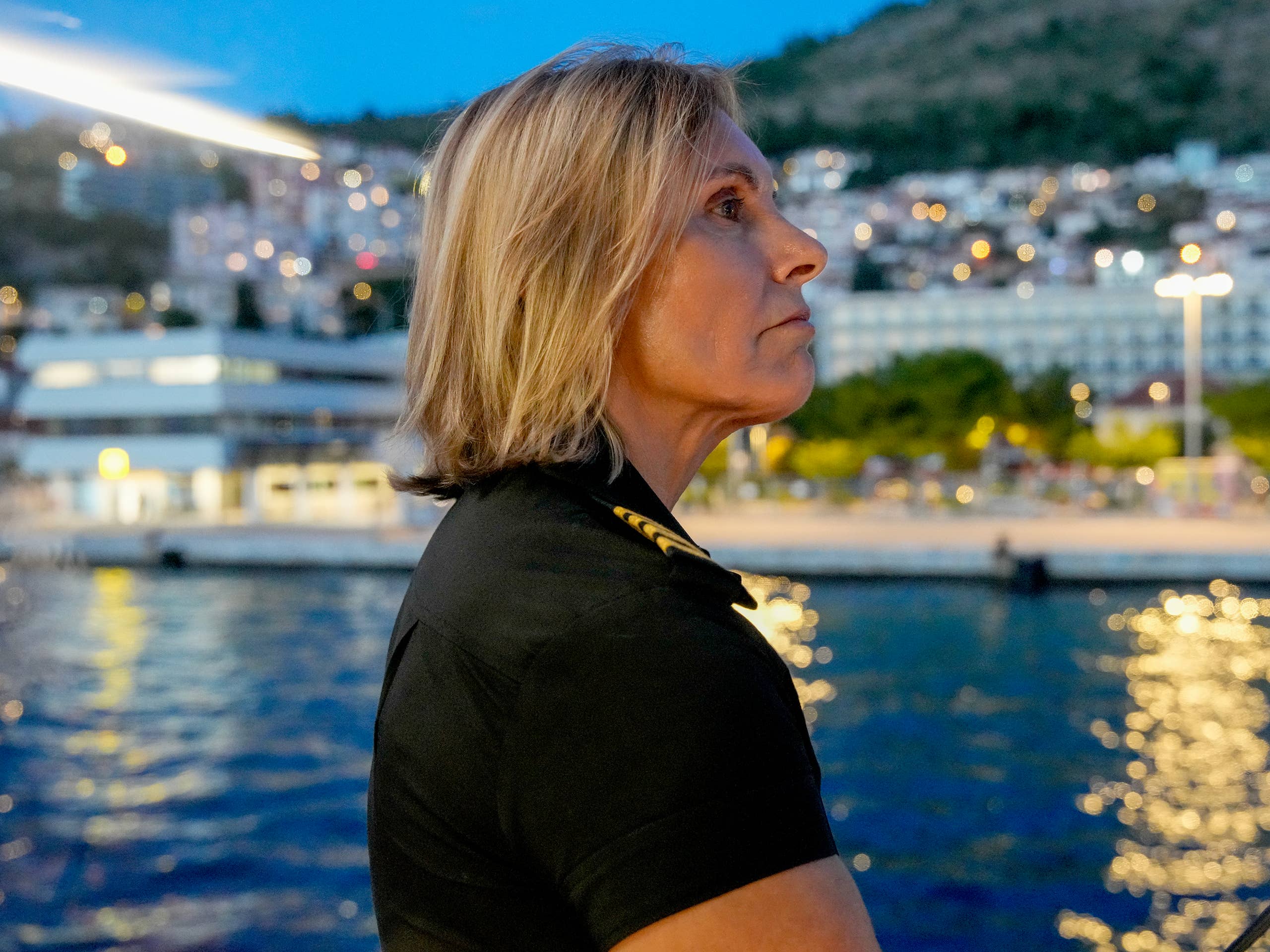
Nathan Gallagher, a key figure on the team, found himself at the center of the controversy. Captain Yawn’s decision to scrutinize Gallagher was not taken lightly; it stemmed from concerns about his actions—or lack thereof—during the incident. Investigations suggested that Gallagher may have overlooked critical warning signs or failed to communicate effectively with the rest of the crew.
This level of scrutiny highlights the importance of accountability in high-pressure situations. Every crew member’s vigilance can mean the difference between safety and disaster. Gallagher’s case serves as a reminder that even experienced professionals must maintain constant awareness and proactive communication.
The Accusation of Deliberate Negligence
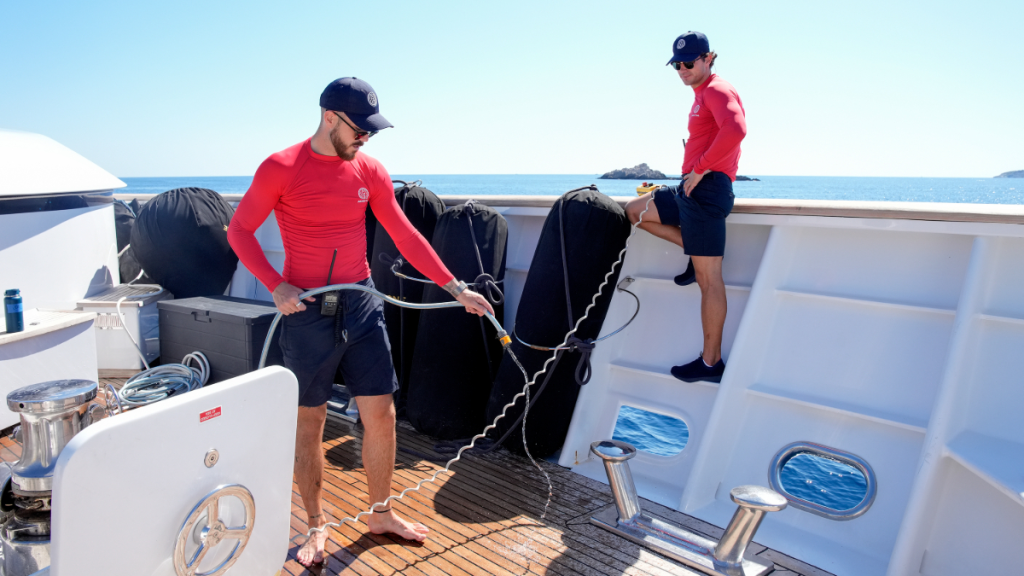
Perhaps the most disturbing aspect of the Akira One incident was the accusation that someone on the crew deliberately ignored the danger. This claim struck a nerve with Captain Sandy Yawn, who prides herself on fostering a culture of trust and responsibility. The idea that a crew member might have willfully neglected their duties not only jeopardized the mission but also threatened the cohesion and morale of the entire team.
Such allegations demand thorough investigation and transparent handling to ensure that justice is served and that similar incidents are prevented in the future. They also underscore the critical need for rigorous training and clear protocols to help crew members recognize and respond to potential threats promptly.
Lessons Learned and Moving Forward
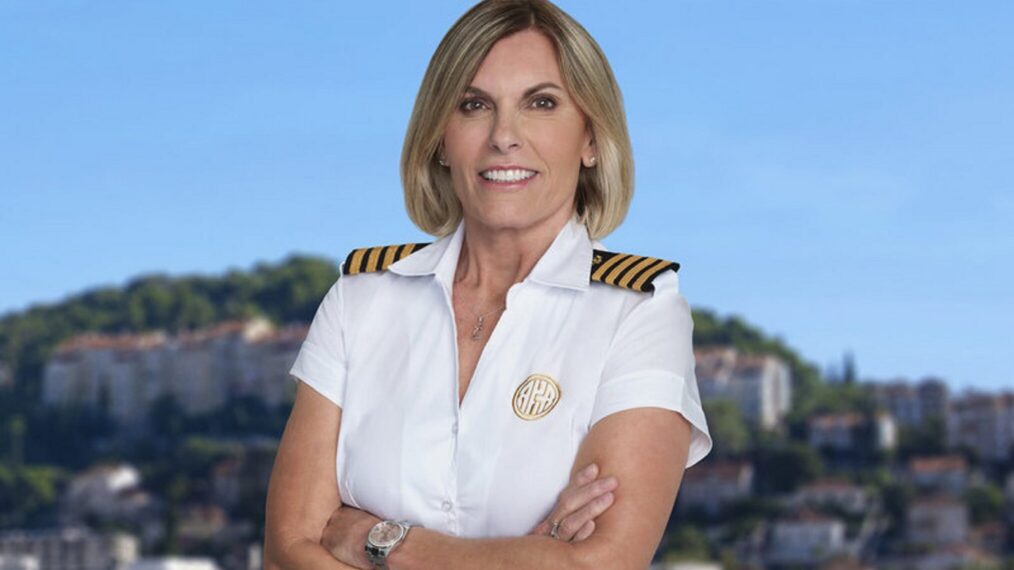
The Akira One incident serves as a powerful case study in crisis management, leadership, and team dynamics. Captain Sandy Yawn’s reaction underscores the necessity of holding every individual accountable while also supporting a culture where safety is paramount. For Nathan Gallagher and the rest of the crew, this moment is an opportunity to reflect, learn, and recommit to the highest standards of professionalism.
Moving forward, it is essential for teams operating in high-risk environments to implement robust safety measures, encourage open communication, and maintain vigilance at all times. The Akira One incident reminds us that even the smallest oversight can have significant consequences, and that leadership must be both firm and fair in addressing such challenges.
Ensuring Accountability and Safety in Future Missions
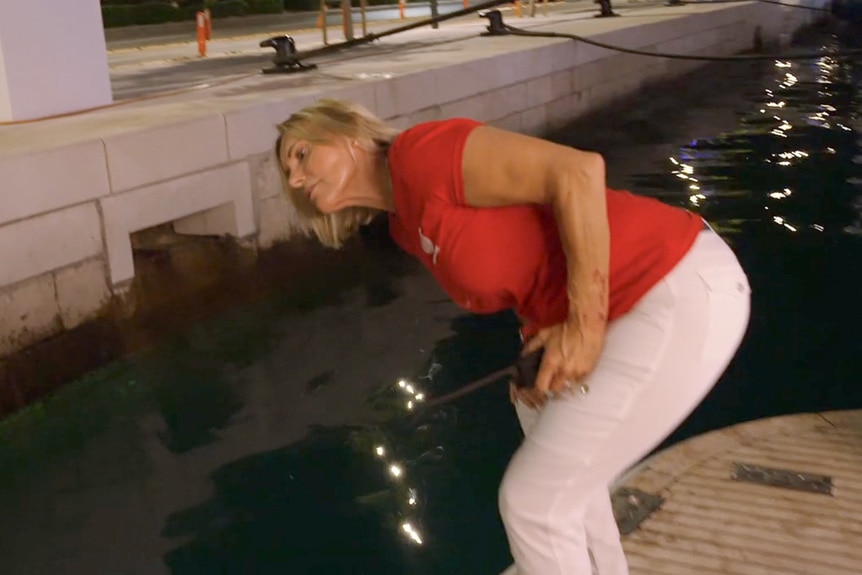
To prevent incidents like the Akira One from recurring, organizations must prioritize comprehensive training programs that emphasize situational awareness and quick decision-making. Regular drills, clear communication channels, and a culture that empowers crew members to speak up about potential risks are vital components of a safe operational environment.
Captain Sandy Yawn’s leadership during this crisis exemplifies the qualities needed to guide teams through adversity. By holding individuals accountable and fostering a culture of transparency, she sets a standard for others to follow.
Conclusion
The Akira One incident was a defining moment for Captain Sandy Yawn and her crew, revealing both vulnerabilities and strengths within the team. Her fierce response and the scrutiny placed on Nathan Gallagher highlight the critical importance of accountability and vigilance in ensuring safety. As the crew moves forward, embracing lessons learned and recommitting to their duties will be essential in preventing future crises. Stay informed about the latest developments in maritime safety and leadership by subscribing to our updates—your safety and knowledge are our priorities.