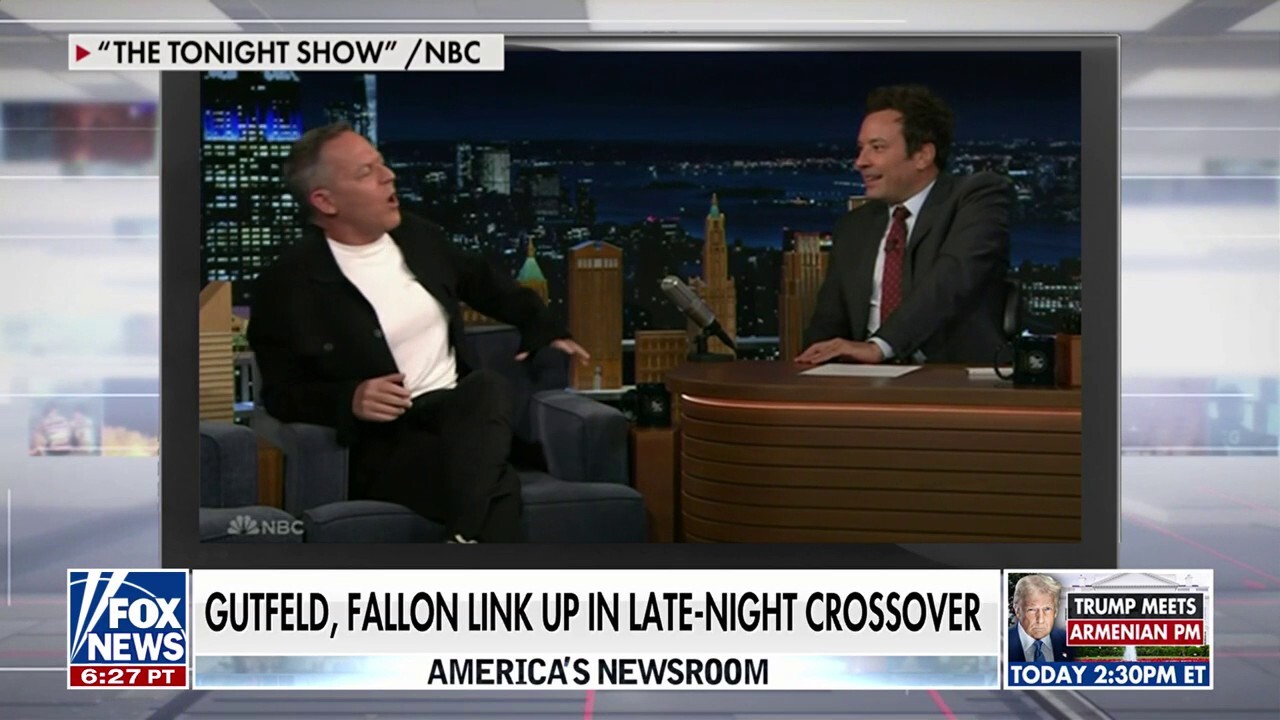
Fallon Invites Gutfeld on ‘Tonight Show,’ Media Meltdown Ensues

Jimmy Fallon’s recent decision to invite Greg Gutfeld, a notable host from Fox News, onto “The Tonight Show” has sparked intense debates and media scrutiny. This move is seen as an effort by Fallon to broaden his audience by appealing to conservative viewers, facing backlash predominantly from left-leaning publications and commentators. The overarching reaction reveals a faction within the entertainment industry that appears resistant to fostering a cross-partisan dialogue, raising questions about the appropriateness and implications of such collaborations.
Gutfeld’s Role and Its Impact on Late-Night Television

Greg Gutfeld is known for his provocative conservative viewpoints, which create a stark contrast to the more liberal tendencies typically found in late-night television. Fallon’s invitation to Gutfeld underscores an intriguing dynamic—whether this is part of a strategic effort to enhance ratings or a genuine attempt to bridge ideological divides. Gutfeld’s presence on “The Tonight Show” signals a willingness to engage with content and figures that traditionally may not align with the program’s previous guest list.
However, critics argue that this collaboration represents a troubling shift toward accommodating perspectives they believe to be extreme or misleading. Influential media outlets, including The Mary Sue and Cracked, have voiced their disapproval, labeling the invitation as a betrayal of the foundational values of late-night comedy. They contend that by collaborating with a figure like Gutfeld, Fallon compromises the integrity of his platform, further fueling a divisive media culture instead of helping to heal it.
The Critique from Left-Leaning Outlets

Responses following the announcement have been overwhelmingly negative from several left-leaning commentators. They assert that Fallon’s engagement with Gutfeld could contribute to normalizing extreme right-wing viewpoints in mainstream media. Many of these critics highlight a growing concern regarding the potential consequences of such alliances, arguing that they may reflect a retreat from the vibrant progressive discourse that late-night television has historically championed.
Details from various articles and blog posts elucidate these concerns. Critics suggest that by featuring Gutfeld, Fallon runs the risk of sending a message that all viewpoints are equally valid, regardless of the factual accuracy or the implications of those viewpoints in a highly polarized environment. This portrayal of a more balanced landscape could mislead audiences into thinking controversial ideologies are representative of the broader public opinion, which may not be the case.
Supporters Applaud Efforts for Diverse Political Dialogue

Conversely, some audiences and commentators welcome Fallon’s decision, arguing it is a necessary step towards fostering a more varied political dialogue. Advocates of cross-partisan interaction believe that programs like “The Tonight Show” should broaden their horizons to include diverse perspectives, as they contend that exposure to differing viewpoints can assist in dismantling entrenched divisions.
Supporters point out that late-night hosts like Bill Maher have successfully engaged with right-leaning figures, underlining the importance of healthy political discourse. By inviting Gutfeld, Fallon may not only attract a new demographic of viewers but also model the value of dialogue over divisiveness. This approach could offer an opportunity to challenge stereotypes and encourage listeners from both sides of the political spectrum to find common ground.
The Cultural Significance and Implications

The media fallout from Fallon’s choice to host Gutfeld reflects a broader cultural conflict regarding representation and political affiliation within the realm of entertainment. It underscores the ideological rifts that have intensified amid a contentious media landscape. The debate surrounding this collaboration is not merely about one episode of a late-night show, but rather the implications it holds for the future of political engagement in entertainment.
As audiences navigate through an increasingly polarized world, the reactions to Fallon’s decision may symbolize a microcosm of larger societal discourses—where entertainment, politics, and culture intersect. The ultimate outcome of this foray into cross-partisan engagement may influence future programming choices in late-night television, determining whether such inclusivity can thrive amidst ongoing societal divisions. Only time will tell how this media moment might shape the landscape of late-night shows moving forward.
As the conversation unfolds, it’s essential for viewers to stay informed and engage with these critical dialogues. Join the discussion and share your thoughts on whether such cross-partisan conversations are beneficial or detrimental to the entertainment industry. Your opinion matters—so don’t hesitate to voice it!