Kimmel Defends Colbert Amid Cancellation, Calls Paramount’s Money Excuse ‘Nonsensical’

In a surprising turn of events, Jimmy Kimmel has rallied behind Stephen Colbert following the abrupt cancellation of “The Late Show with Stephen Colbert.” During a candid interview with Variety, Kimmel openly challenged the reasoning provided by Paramount, which claimed that the show was incurring significant financial losses. He labeled these assertions as “nonsensical” and argued that the rumored $40 million deficit was vastly inflated.

Kimmel speculated that the financial troubles cited by Paramount might not be the only reason behind the cancellation. He raised important questions regarding the political pressures stemming from Paramount’s merger with the Trump Administration’s Federal Communications Commission (FCC). Kimmel pointed out that the timing of the merger’s approval—coming closely on the heels of Colbert’s cancellation—suggested deeper motivations at play that extended beyond mere financial considerations.
Changing Dynamics in Late-Night Television

Despite the disheartening news of Colbert’s show getting axed, Kimmel contested the notion that late-night television is in a state of decline. He attributed the shift in audience engagement to evolving viewership habits influenced by the rise of streaming services and increased access to content online. Acknowledging that fewer audiences are tuning into live broadcasts, Kimmel emphasized that late-night content continues to thrive in digital formats, capturing viewers’ attention in new and varied ways.

Kimmel underscored that audiences engage with late-night shows differently now, often consuming clips and highlights through social media platforms instead of watching full episodes. This illustrates an essential transformation in viewer habits, raising relevant questions about how traditional formats adapt to remain relevant in the modern media landscape.
The Importance of Recognition in the Face of Adversity

In light of the cancellation, Kimmel passionately expressed his hopes for Colbert to receive an Emmy Award as a testament to his impact on the industry. He described such recognition as not merely a personal accolade for Colbert but as an indication of the industry’s solidarity and support in the wake of the controversial cancellation. Awarding Colbert would send a powerful message of appreciation for his contributions and could serve as validation that good work should not go unnoticed, even amid challenging circumstances.

This scenario spotlights the ongoing discussions about the future of late-night television, with industry insiders questioning the sustainability of traditional formats in an ever-evolving entertainment landscape. Kimmel’s remarks represent a larger discourse on the intricacies of financial viability, audience engagement, and the potential influences of corporate decisions on creative programming.
Challenges and Opportunities in Late-Night Entertainment
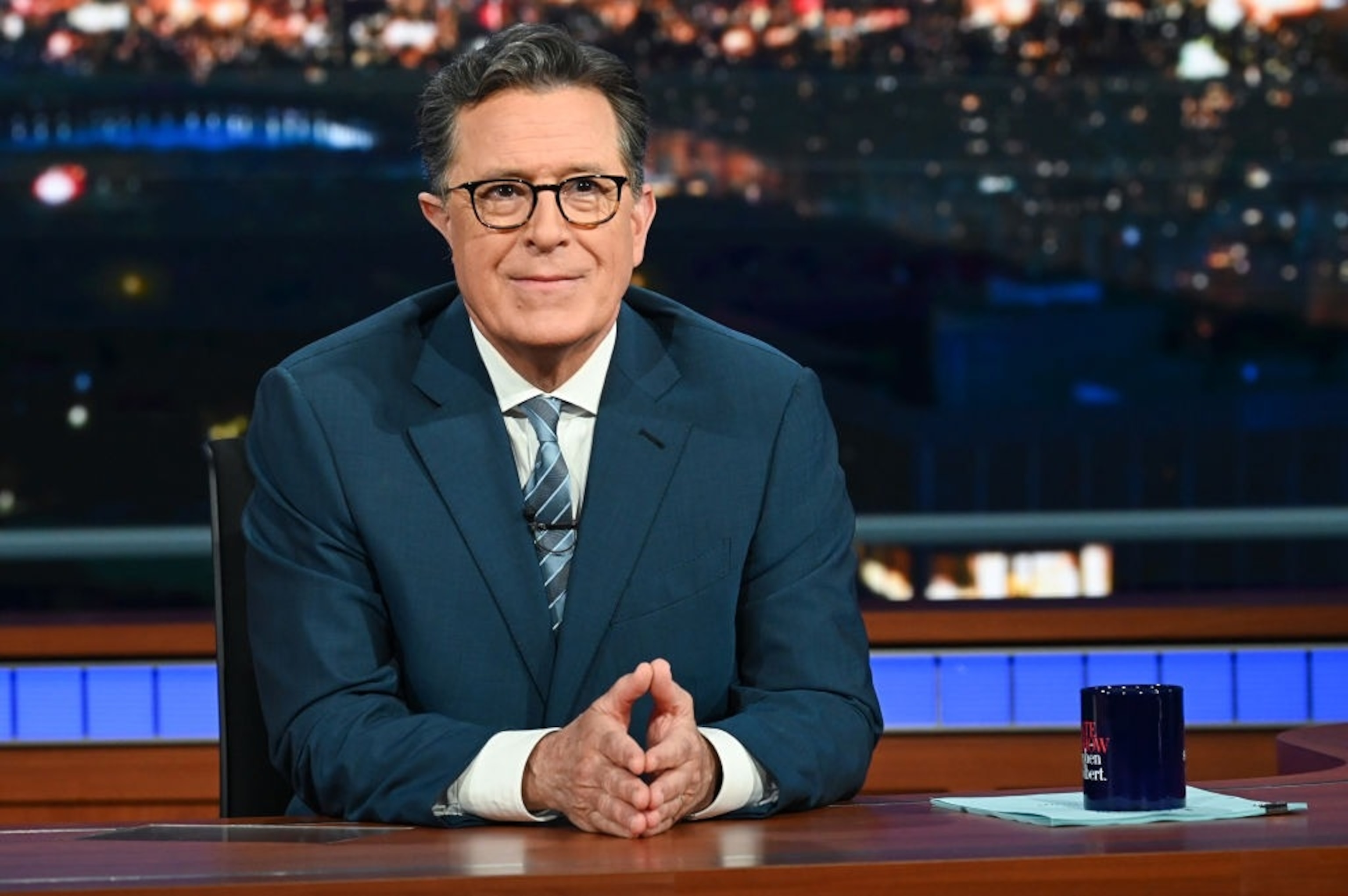
The entertainment industry is currently at a crossroads, with late-night shows facing a variety of pressures, from slipping viewership ratings to the financial ramifications of production costs. Kimmel’s defense of Colbert illustrates a camaraderie among late-night hosts who recognize the unique challenges they are all enduring. The late-night ecosystem is not just about the numbers; it embodies a cultural commentary that resonates with audiences.

Kimmel’s insights also hint at the opportunity for reinvention within the late-night space. As viewership continues to evolve, there is ample room for innovation—whether it be new formats, interactive content, or hybrid approaches that marry traditional television with online streaming trends. It will be critical for hosts and networks to navigate these challenges, adapt to the changing times, and connect with their audiences authentically.

In conclusion, Kimmel’s robust defense of Colbert sheds light on the complexities of the late-night television landscape, revealing that the battle for relevance and audience connection continues unabated. The support shown by fellow entertainers could play a crucial role in shaping the future of late-night formats. For fans and supporters of late-night programming, staying engaged with their favorite hosts through social media and streaming platforms may be pivotal in enhancing their experience and ensuring the survival of this beloved genre.


