CBS News Star Norah O’Donnell’s Husband Has His Posh DC Restaurant Raided by ICE

In a shocking incident that has stirred up controversy in Washington D.C., Chef Geoff’s, a popular restaurant owned by Geoff Tracy, the husband of CBS News anchor Norah O’Donnell, was raided by Immigration and Customs Enforcement (ICE) on May 7, 2025. The raid lasted for approximately one and a half hours, during which nearly a dozen ICE agents demanded to see the restaurant’s I-9 forms, which verify the identities of employees.

No arrests were made during the operation, but the implications of such federal actions have rippled through the local community, particularly within the immigrant workforce heavily employed in the restaurant industry. Many D.C. residents and business owners have expressed their disapproval and concern over the tactics used by federal authorities.

Community Response and Reactions
Local officials and restaurant associations have condemned the raid, pointing out that it serves as a tactic aimed at instilling fear among immigrant employees, many of whom form the backbone of the service industry in D.C. Shawn Townsend, President of the Restaurant Association of Metropolitan Washington, along with D.C. Mayor Muriel Bowser, voiced their distress over the timing and nature of the operation, claiming it disrupts businesses during peak hours without a legitimate reason.
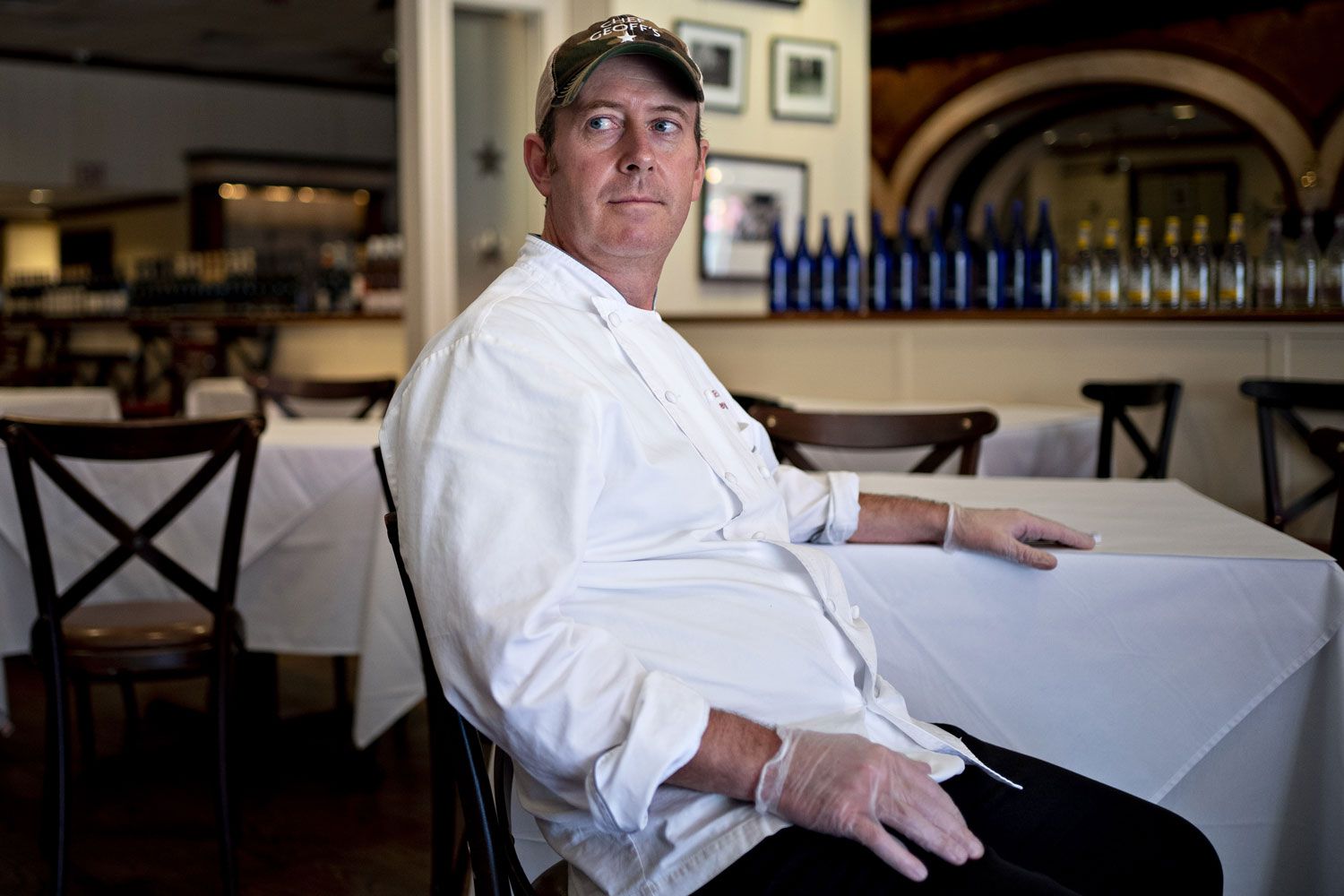
Witness accounts from local residents further illustrate the anxiety and concern that the raid has caused within the community. Many have come forward expressing their fear about potential repercussions of such aggressive enforcement actions, which they argue target hard-working individuals and families rather than focusing on criminal enterprises or unlawful activities.

ICE’s Broader Impact on Local Restaurants
The raid on Chef Geoff’s was not an isolated incident; ICE agents also visited several other eateries in the area, including Millie’s, Pupatella, and Chang Chang. These establishments were approached with similar requests for employee documentation or were informed that federal agents would return for inspections at a later date. This series of raids indicates a heightened scrutiny placed on restaurants in D.C., stirring up additional anxiety among owners and employees alike.

The disruption caused by these raids extends beyond just individual businesses; it creates a climate of fear that can lead to a decline in customer patronage, fundamentally threatening the stability of the local economy and the livelihoods of countless workers. Many advocates believe that such immigration enforcement actions undermine the contributions of the immigrant community, which is essential to the area’s vibrant dining scene.

Personal Implications for Norah O’Donnell and Geoff Tracy
This incident takes on a more personal significance given the media exposure surrounding Norah O’Donnell, who has been a prominent figure at CBS News for years. Her husband, Geoff Tracy, operates a total of five restaurants in Washington D.C. The couple has been married for nearly 25 years, and as public figures, they are navigating a complex intersection of personal life and national dialogue on immigration.
The scrutiny faced by CBS, especially in light of former President Donald Trump’s allegations of media bias, compounds the tensions surrounding the raid. The fact that O’Donnell, a revered journalist and news anchor, is linked to the restaurant embroiled in controversy highlights the intricate connections between local businesses and national issues, especially when it comes to immigration policy.

In summary, the recent ICE raid on Chef Geoff’s restaurant has ignited discussions about the impact of immigration enforcement on local businesses and communities. It raises critical questions about the balance between federal authority and the rights of workers, especially within industries heavily reliant on immigrant labor. As the dust settles from this incident, the long-term effects on the restaurant scene in Washington D.C. and the lives of those directly affected remain to be seen.
Conclusion
This incident not only underscores the challenges facing immigrant workers in the restaurant industry but also invites local residents to reflect on the implications of federal actions in their community. As awareness grows about these issues, it’s important for individuals to get involved in local advocacy efforts. We encourage readers to learn more about the situation, support local businesses, and engage in conversations that foster understanding and compassion within the community.


