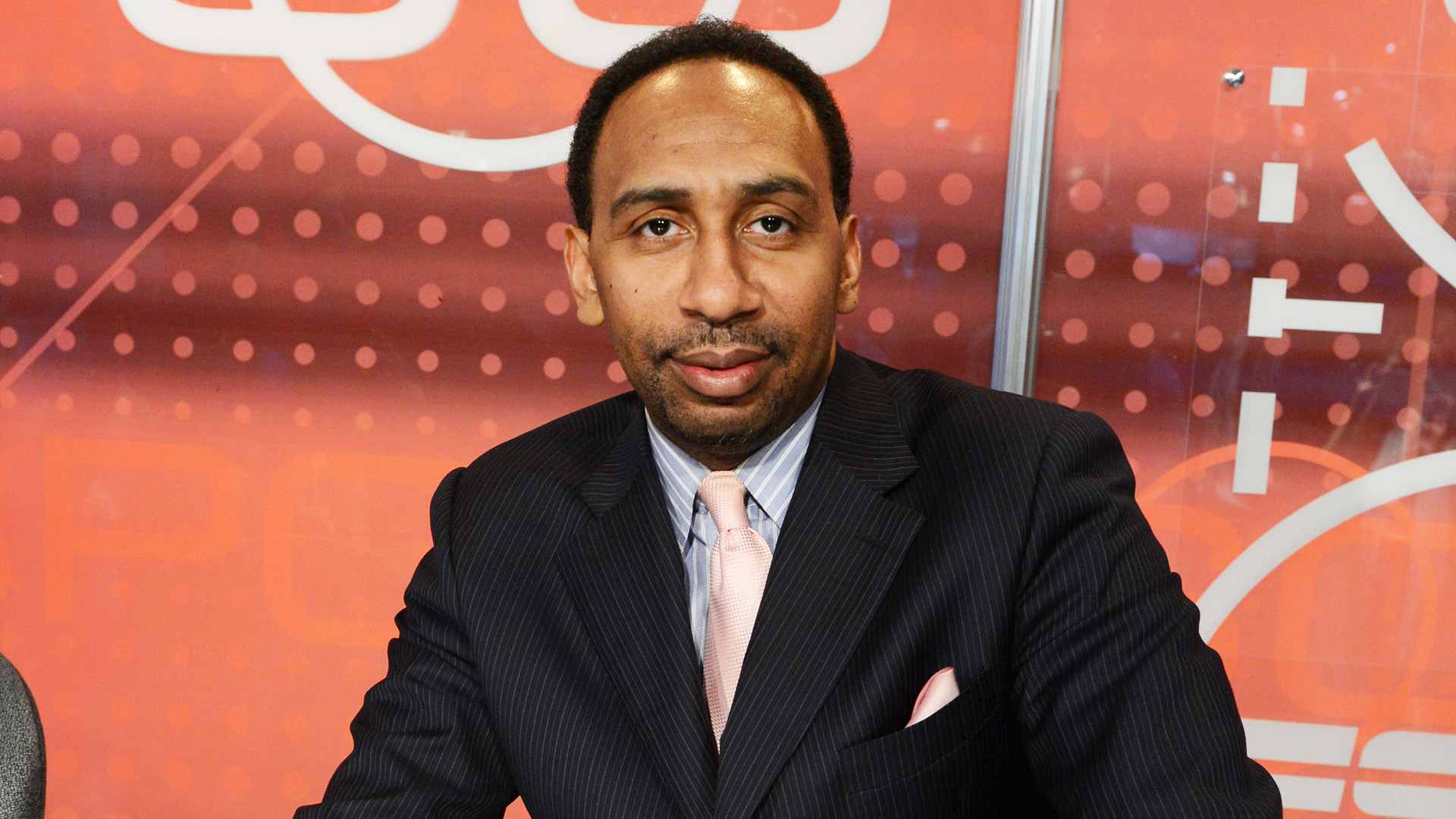
Colleagues at ESPN Have Spoken Out, Saying They’ll Leave the Network if the Bosses Keep “Doing This” to Stephen A. Smith. What Happened?

In recent events, tensions at ESPN have escalated as colleagues of prominent sports commentator Stephen A. Smith have expressed their discontent with management’s treatment of him. The situation has reached a critical mass, with insiders at the network voicing concerns that if changes aren’t made, they may be compelled to leave. But what exactly has prompted this uproar among ESPN staff? This article delves into the controversies surrounding Stephen A. Smith and the implications for both him and his colleagues at ESPN.
The Backstory: Who is Stephen A. Smith?

Stephen A. Smith has become a household name in sports commentary through his passionate and sometimes controversial takes on various sports and athletes. Known for his fervent opinions and charisma, Smith has been a crucial part of ESPN’s programming for years, bringing both viewership and engagement. His unique perspective and engaging style have solidified his status as one of the network’s key figures.
However, recent decisions made by ESPN management regarding Smith’s role and the programming he is involved in have raised eyebrows and drawn criticism from his colleagues. It’s essential to understand the dynamics at play and how they affect not only Smith but also the culture within ESPN.
Management Decisions Under Scrutiny

The recent discontent pertains largely to the decisions made by ESPN’s leadership around Stephen A. Smith’s visibility and contributions. Many in the network feel that management has been limiting Smith’s opportunities, particularly in terms of airtime and the types of discussions in which he can participate. Colleagues have reportedly rallied behind Smith, arguing that restricting his platform would adversely affect not just Smith but the network’s overall quality of sports commentary.
As the backlash grew, several anonymous sources from within the organization conveyed their concerns, stating that if things did not change soon, they might consider their futures elsewhere. This sentiment highlights a broader worry within ESPN about the direction the network is heading, particularly as it pertains to talent management and creative freedom.
The Culture at ESPN: A Closer Look

The current interplay between talent, management, and programming at ESPN reveals a larger narrative about workplace culture in the media industry. As employees begin to voice these kinds of concerns, it raises questions about how networks prioritize their on-air talent and the implications for employee satisfaction and retention.
Reports suggest that not only is Smith frustrated with the recent decisions, but many colleagues also believe that protecting such prominent voices is crucial for the network’s credibility. Colleagues fear that if management doesn’t start valuing their contributions, many professionals may become disillusioned with the culture at ESPN, causing greater turnover and a potential loss of talented individuals.
This situation also touches on a more significant issue: the balance between corporate decision-making and the creative autonomy of talent. In environments where on-air personalities are stifled, it can lead to a lack of innovation and a less engaging viewer experience.
What’s Next for Stephen A. Smith and ESPN?

As things currently stand, the future remains uncertain for both Stephen A. Smith and the network itself. Smith has built a robust fan base and has consistently been one of the most influential voices in sports media. Should management continue down this path of limiting his impact, the consequences may extend beyond Smith himself. Colleagues are growing increasingly bold in their remarks, suggesting that a collective push against these practices could catalyze change within the network.

Looking ahead, it will be crucial for ESPN to listen to its talent and make necessary adjustments to ensure they feel valued. The network’s ability to maintain its stature within the crowded sports media landscape may hinge on how it navigates these challenging dynamics with its key personalities like Stephen A. Smith.
In conclusion, the unfolding situation surrounding Stephen A. Smith and his colleagues at ESPN underscores a critical moment for the network. The response from management will likely dictate both the future of Smith’s career and the overall atmosphere within the organization. For fans and industry observers alike, it’s a story worth following closely, and one that may influence the sports commentary landscape moving forward.