Trump, Leavitt Pile on ‘Nasty’ CBS News Host Margaret Brennan as ‘Stupid,’ ‘So Bad’
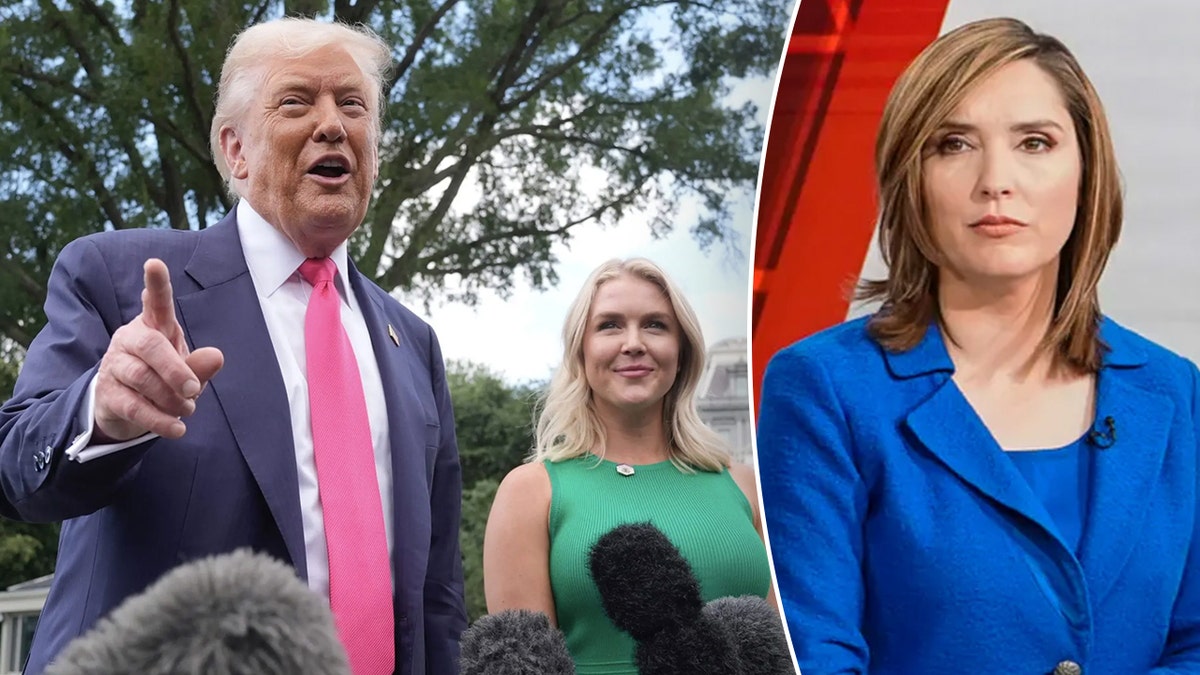
In recent developments that have caught the attention of both supporters and critics alike, former President Donald Trump and former White House press secretary Karoline Leavitt have made headlines for their biting remarks about CBS News’ “Face the Nation” host, Margaret Brennan. During a recent interview, both Trump and Leavitt did not hold back in their assessments of Brennan, labeling her as “stupid” and “nasty.” Their criticisms came shortly after Trump reached a settlement with CBS’s parent company, Paramount, regarding allegations of election interference stemming from a past interview with then-Vice President Kamala Harris.
Trump’s Direct Critique

During an interview, Trump referred to Brennan’s performance on “Face the Nation,” stating, “The woman on the ‘Face the Nation’ is so bad.” He encouraged Leavitt to share her thoughts, to which she readily agreed, echoing Trump’s sentiment that Brennan lacked intelligence. This exchange draws attention not only to their personal grievances with the host but also to broader concerns regarding media credibility and the standards of journalism in political reporting.
Trump’s remarks underscore a long-standing tension between politicians and the media, particularly in how they perceive portrayals of their actions and policies. In the context of an unprecedented lawsuit settlement and ongoing media scrutiny, Trump’s comments can be seen as both a defense of his administration and an affront to perceived bias in reporting.
Leavitt’s Support and Broader Context

Karoline Leavitt, who has previously served as press secretary during the Trump administration, stood firmly alongside Trump in criticizing Brennan. She reiterated Trump’s assessment of Brennan’s interview style, which they argue promotes a “stupid media narrative.” Their joint comments reflect a broader sentiment among conservative circles who are increasingly vocal about perceived biases in mainstream media outlets.
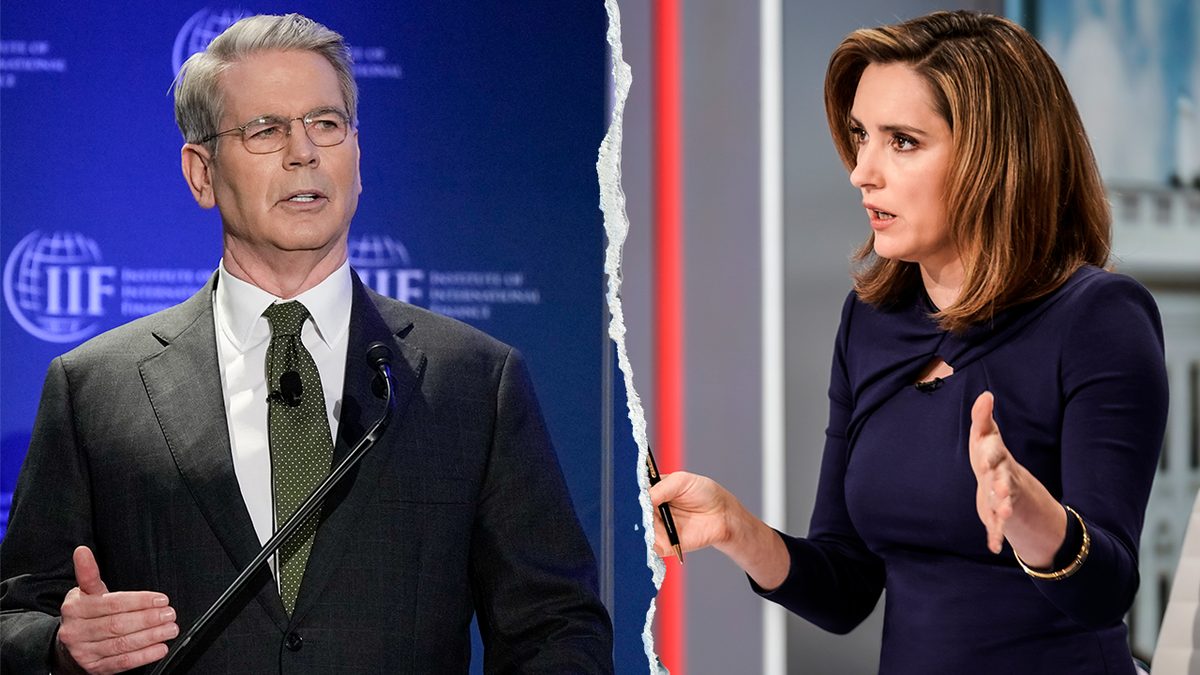
The criticism was particularly notable as it coincided with Secretary of State Marco Rubio’s contentious exchange with Brennan regarding U.S. engagement with Ukrainian President Volodymyr Zelenskyy. Rubio took to the platform to address concerns surrounding the portrayal of international relations, asserting that the presence of U.S. officials was not an attempt to exert pressure but rather to emphasize ongoing collaboration with European partners. This defense vividly contrasts with the “stupid” narrative that both Trump and Leavitt accuse the media of perpetuating.
The Media Response

In light of these heated exchanges, it is important to note that neither Margaret Brennan nor CBS News has offered any immediate comment or response to the criticisms leveled by Trump and Leavitt. This silence has left many speculating about the implications of their comments on the future of political discourse and media interactions. Observers are keenly watching how mainstream media handles such critical interactions, particularly as political tensions heighten leading into election periods.
Overall, the ongoing criticisms highlight the persistent challenges journalists face in balancing fair reporting with the scrutiny of public figures. As political dynamics evolve and media relations become more contentious, the role of journalists in maintaining objectivity will be a topic of increasing discussion.

With political figures like Trump and Leavitt engaging in public critiques, it raises significant questions about media integrity and the perceptions of audience bias. As these discussions unfold, it remains crucial for media professionals to navigate these interactions thoughtfully, ensuring fair representation in their reporting.
Conclusion
The harsh words from Trump and Leavitt towards Margaret Brennan serve to underline the challenges within political reporting and media bias. As we continue to analyze this evolving narrative, it is vital to engage in discussions about these topics, fostering an informed electorate. Stay updated as we dive deeper into the intricacies of media and politics in our upcoming articles.


