Laura Rutledge Reveals She Used Burner Account to Defend Husband’s MLB Career

In a surprising revelation, ESPN personality Laura Rutledge shared that she created a fictitious Twitter account to support her husband, Josh Rutledge, during his five-year tenure in Major League Baseball (MLB). Known as “BillyHalo76,” this burner account allowed Laura to combat the negative commentary that often comes with being in the public eye, particularly in sports. This interesting approach to online support is reminiscent of practices adopted by various celebrities who wish to express themselves without revealing their true identities.
The Origin of the Burner Account
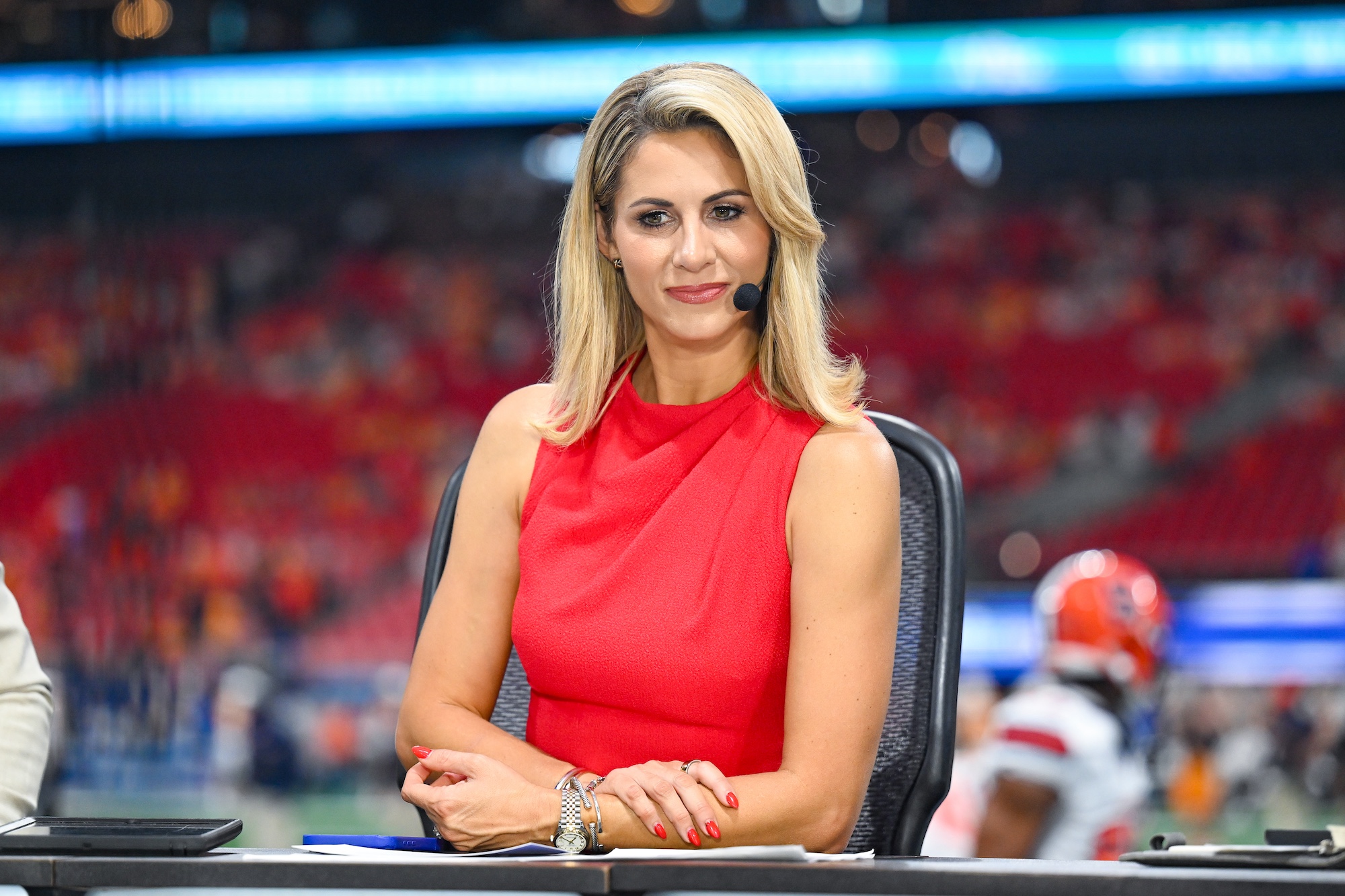
Laura Rutledge opened up about her decision to create a burner account in a recent exchange, reflecting on how it served as a protective mechanism during Josh’s time playing for the Los Angeles Angels from 2012 to 2017. Her motivation wasn’t to engage directly with trolls but rather to offer encouragement and positive reinforcement in an environment that can be harsh and critical. She candidly mentioned that the goal was to shield her husband from the negativity he was subjected to while striving to succeed in a high-pressure sport.
To maintain her anonymity and divert suspicion away from her true identity, Laura occasionally tweeted about other notable players, most notably Mike Trout. By engaging in discussions about Trout and sharing benign commentary, Laura cleverly managed to keep her burner account under the radar while still providing the moral support that Josh needed during tough times.
Echoes of a Wider Trend

The emergence of burner accounts isn’t unique to Laura Rutledge. Several public figures have turned to similar tactics to provide feedback or defend loved ones without the scrutiny that comes with their actual names. For instance, NBA All-Star Kevin Durant famously faced backlash for utilizing a burner account to respond to critics. This trend highlights how public perception and scrutiny can push more individuals, including athletes and their families, to find creative ways of managing their public image and personal lives.
Laura’s anecdotes reflect a broader cultural phenomenon where online interactions can have significant repercussions on personal relationships. With social media becoming a dominant platform for discussions, addressing criticism and navigating comments can be challenging for those high in the public eye. The use of a burner account could thus symbolize not just the support for an individual but also a studied approach to enduring the pitfalls of online engagement.
Humor Amid the Seriousness

While discussing her use of the burner account, Laura Rutledge infused her narrative with a sense of humor. Her lighthearted admission that her husband might not even know about this clandestine endeavor showcases the relatable and often amusing lengths to which people will go to combat negativity. It also brings attention to the fact that many people in the public eye deal with criticism, and having a supportive partner can make a significant difference.
This playful recounting serves as a reminder that behind the glitz of sports and entertainment, real human emotions and relationships remain vital. Laura’s experience highlights challenges that many face in protecting their loved ones from unwarranted scrutiny. In an age where social media decides so much regarding public perception, her story resonates with anyone who has ever rallied to defend someone they care about.
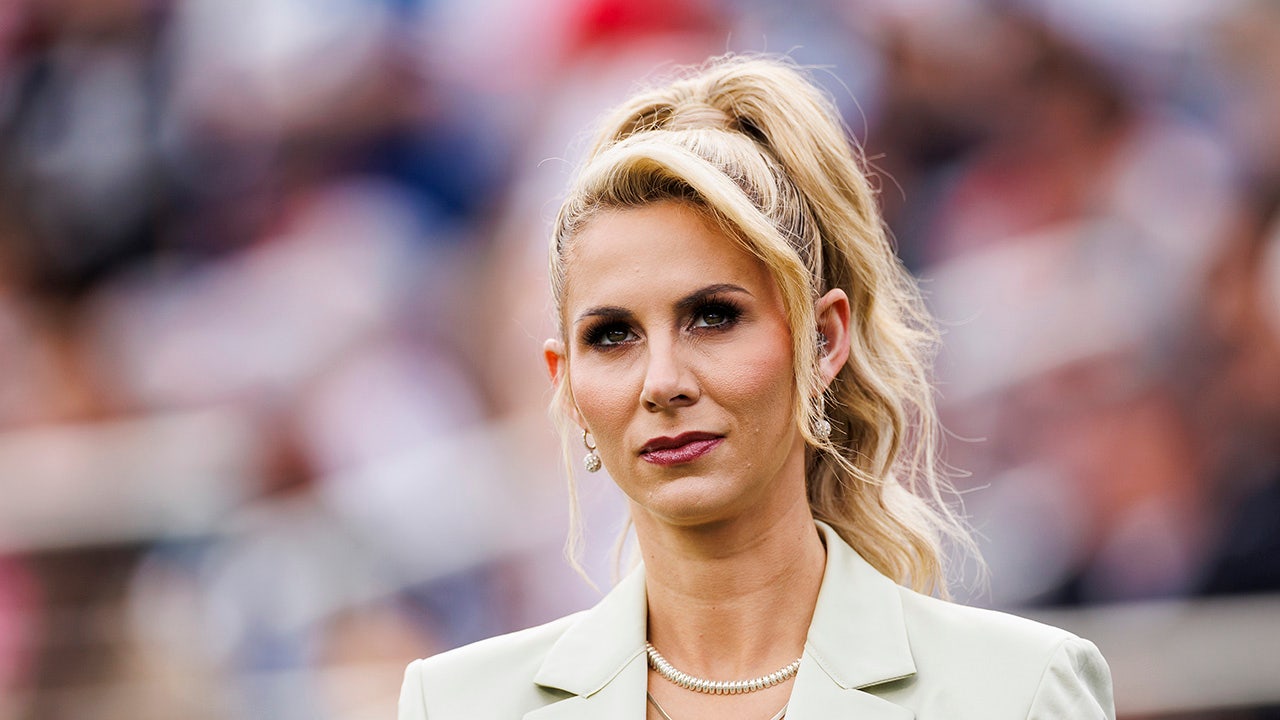
As of now, efforts to track down the real “BillyHalo76” account have shown that a similar account, @BillyHalo664, exists, albeit inactive. This fact only serves to underscore the fleeting nature of online personas and the elusive strategies that come with managing identity in the digital age. The humor and lightheartedness in Laura’s recounting emphasize the commitment she had to support Josh, showing that even in the face of challenges, a touch of humor can go a long way.
Conclusion

Laura Rutledge’s revelation about her burner account is both amusing and insightful, shedding light on the intricate dynamics of public life and personal relationships. It highlights how the pressures of the MLB—not just on players but their families—can prompt creative forms of support. If you’re interested in learning more about the complexities of sports, public life, and social media, follow our updates for the latest insights and stories in the world of sports!


