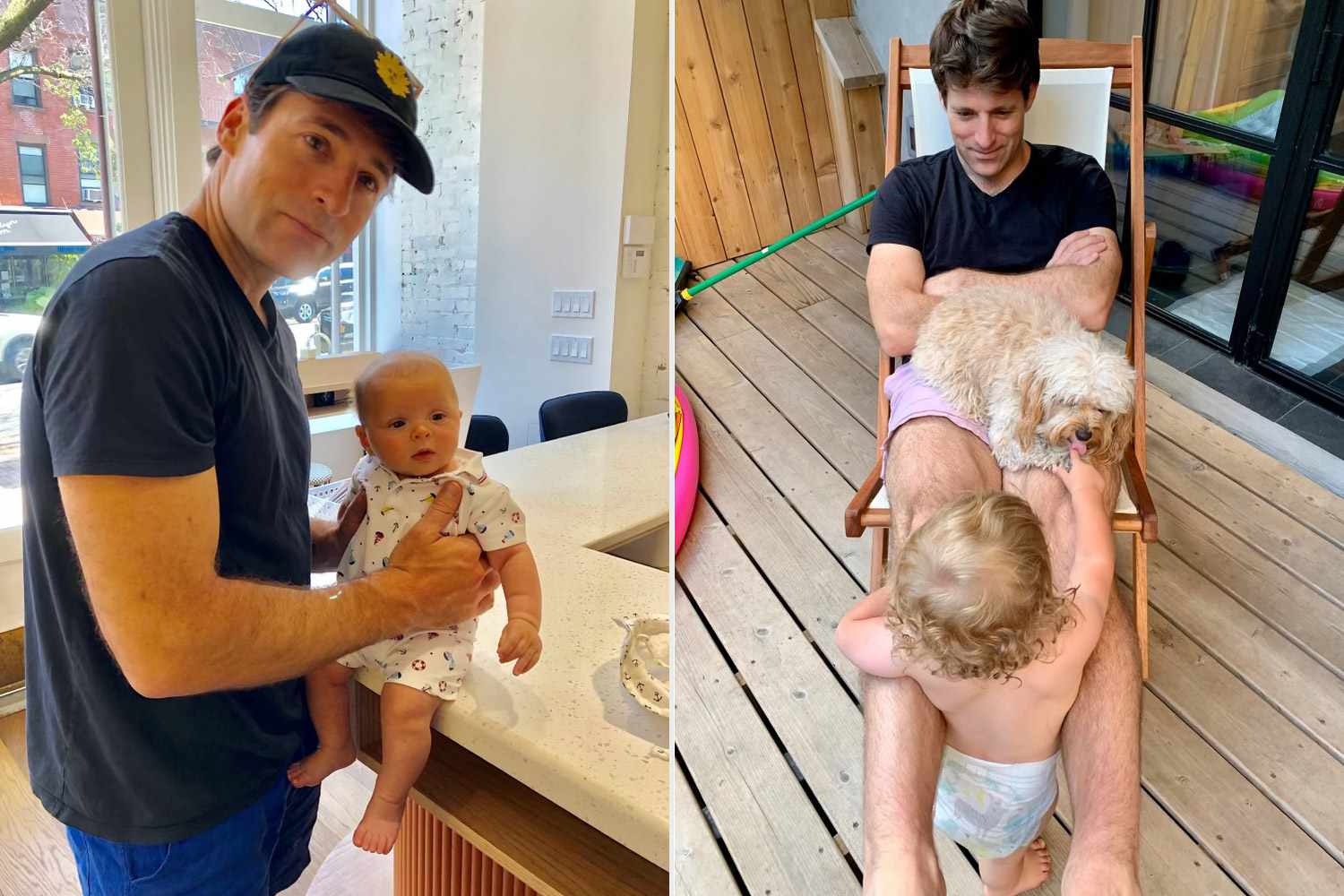
Tony Dokoupil reveals the heartbreaking truth about his two stepchildren living in Israel: ‘My wife Katy Tur didn’t want me to bring the two kids back, and then the thing I feared the most happened.’

In a recent candid interview, CBS anchor Tony Dokoupil opened up about a deeply personal and emotional experience regarding his two stepchildren who reside in Israel. The discussion offers insight into the complexities and challenges faced by blended families, particularly when international borders and differing opinions shape family dynamics. With tensions rising in the Middle East, the situation has forced Dokoupil and his wife, NBC journalist Katy Tur, to confront fears they never thought they would have to face. This article delves into the heartbreaking truths and dilemmas surrounding their parental journey.
The Family Dynamics at Play

When it comes to family, complexities can arise, especially in blended families. Tony Dokoupil and Katy Tur both bring their respective experiences and histories into their union, which naturally influences their approach to parenting. The couple has two young children together, which adds another layer of depth to their family dynamics. With Tur’s two children from a previous marriage living in Israel, the couple faces unique challenges as they navigate parenting in a world marked by geopolitical strife.
Dokoupil elaborated on the emotional tug-of-war experienced when making decisions about the stepchildren. Maintaining a balance between his role as a step-parent and supporting Tur’s wishes for her children’s well-being has been an ongoing journey. The longing for family closeness often clashes with the desire for safety and stability, leading to difficult conversations, particularly when the children are far away.
The Heartache of Separation

During the interview, Dokoupil recounted how difficult it has been to come to terms with the reality of his stepchildren living in a politically volatile region. “My wife Katy Tur didn’t want me to bring the two kids back,” he revealed, adding that this decision weighed heavily on his heart. The concept of separation from these children he cares deeply for is a heavy burden.
The situation has only been compounded by incidents of violence and unrest in Israel, leading to feelings of helplessness. Dokoupil expressed his fears about the safety of his stepchildren, articulating that every parent’s worst nightmare is the thought of their children being in harm’s way. The emotional strain of worrying about their well-being while navigating the distance between them has been profound for the family.
Navigating Cultural Differences and Parenting Styles

Another critical aspect of Dokoupil’s journey touches on cultural differences that impact parenting styles. Raising children who are part of two distinct familial and cultural backgrounds can create a unique setting for growth and understanding. While Dokoupil and Tur strive to instill values of resilience and empathy in their children, the distance and challenges brought on by the political situation in the region pose additional hurdles.
It is important to recognize that parenting doesn’t come with a one-size-fits-all approach. Each child is different, and navigating the intricacies of their upbringing amidst a backdrop of international tension is no small task. However, through challenges, Dokoupil emphasizes the importance of open communication and strong family ties as essential components. They continue to engage in conversations about their different cultural backgrounds, which fosters respect and understanding among all members of their blended family.
Finding Hope in Difficult Times

Despite the hardships, Dokoupil expressed his unwavering hope for the future. He emphasized the power of love and connection, even through adversity. As they grapple with the reality of being separated from their children, the couple remains committed to finding ways to bridge that gap. Whether through virtual communication or planning visits when safe to do so, the bond between them and their stepchildren remains a priority.
Additionally, the support each family member offers one another plays a crucial role in navigating these tumultuous waters. The family’s willingness to hold each other up during uncertain times showcases the strength of their relationship. As they work through these challenges together, Dokoupil and Tur hope to reinforce the notion that family is what you make of it, despite the complications that arise.
Conclusion

In conclusion, Tony Dokoupil’s heartfelt reflections on his stepchildren living in Israel highlight the challenges and emotional burdens faced by blended families. As he navigates this complex situation, his story serves as a reminder of the importance of love, communication, and connection in overcoming adversity. For those struggling with similar issues, remember that seeking support and leaning on loved ones can provide the strength needed to face difficult realities. If you would like to share your thoughts or experiences regarding blended families or support systems, please feel free to reach out!