Mina Kimes’ Husband Reveals the Harsh Reality She Faced at ESPN: “They Never Treated Her Like a Woman”
Mina Kimes is widely recognized as one of the most talented sports journalists of her generation. Her sharp insights and compelling storytelling have earned her a prominent place in the world of sports media. However, behind her professional success lies a troubling story of gender bias and discrimination during her time at ESPN. Recently, Mina Kimes’ husband spoke out in anger, shedding light on the difficulties she endured while working at the network. His candid remarks reveal a workplace culture that often failed to respect Mina as a woman, underscoring the broader challenges faced by women in sports journalism.
The Untold Story: Mina Kimes’ Husband Speaks Out About ESPN’s Treatment of Her
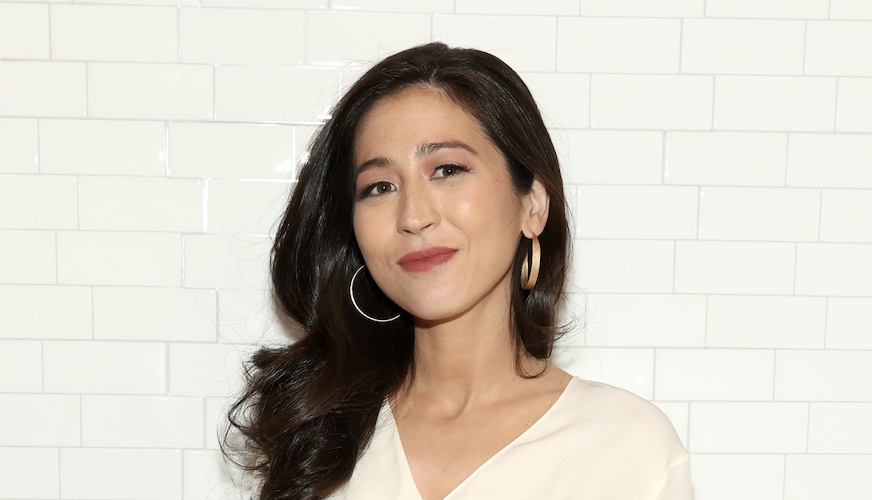
In an emotional and revealing interview, Mina Kimes’ husband detailed the obstacles she confronted during her career at ESPN. According to him, the network’s environment was far from welcoming or supportive for female journalists. He stated bluntly, “They never treated her like a woman,” emphasizing the dismissive and, at times, hostile attitudes Mina had to navigate daily.
This statement highlights a pervasive issue in many male-dominated industries, especially sports media, where women often struggle to gain equal respect and recognition. Despite Mina’s undeniable talent and dedication, she reportedly faced subtle and overt forms of discrimination that questioned her credibility and undermined her contributions.
The husband’s remarks also point to a lack of institutional support within ESPN. Rather than fostering an inclusive culture, the network allegedly perpetuated a work environment where female voices were marginalized. This not only affected Mina’s professional experience but also had personal repercussions, impacting her confidence and well-being.
Gender Bias in Sports Media: A Persistent Challenge

Mina Kimes’ experience is not unique. Women in sports journalism frequently encounter barriers that their male counterparts do not. From unequal pay and limited opportunities to stereotyping and harassment, the challenges are multifaceted and deeply rooted in industry culture.
ESPN, as one of the leading sports networks, has faced criticism over the years for its handling of gender diversity and inclusion. While the company has made public commitments to improve, stories like Mina’s husband’s testimony reveal that progress remains slow and uneven.
The sports media landscape is gradually evolving, with more women breaking into prominent roles and reshaping the narrative. However, the journey toward true equality requires not only individual resilience but also systemic change. Mina Kimes’ story serves as a powerful reminder of the work that still needs to be done to create a fair and respectful environment for all journalists.
How Mina Kimes Overcame Adversity to Become a Leading Voice in Sports Journalism

Despite the challenges she faced, Mina Kimes has emerged as a leading figure in sports journalism. Her perseverance and commitment to excellence have allowed her to transcend the obstacles imposed by a biased work culture.
Mina’s success story is inspiring for many aspiring female journalists who see in her a role model who refuses to be silenced or sidelined. She has leveraged her platform to speak out about issues of gender inequality and to advocate for greater representation of women in sports media.
Her husband’s public support further amplifies this message, highlighting the importance of allies in the fight against workplace discrimination. Together, they underscore the need for open conversations and accountability within organizations like ESPN.
Conclusion

Mina Kimes’ husband’s candid revelations about her experience at ESPN shed light on the persistent gender biases that women face in sports journalism. His statement, “They never treated her like a woman,” is a stark reminder of the work still needed to foster equality and respect in the industry. Mina’s journey from adversity to prominence exemplifies resilience and the power of speaking out. For those passionate about sports media and gender equality, her story is both a cautionary tale and a call to action. If you want to support change and amplify women’s voices in sports journalism, start by sharing this article and joining the conversation on workplace equality today.