A Fresh Wave of Criticism Hits ESPN: Stephen A. Smith at the Center of Controversy
In recent weeks, ESPN has found itself under intense scrutiny, with one of its most prominent personalities, Stephen A. Smith, becoming the focal point of widespread criticism. This latest controversy has stirred debates among fans, media analysts, and sports enthusiasts alike. But what exactly sparked this outrage, and why is Stephen A. Smith at the heart of it? This article delves into the details behind the backlash, exploring the events that led to the controversy and its implications for ESPN’s reputation and sports journalism as a whole.
What Sparked the Outrage Surrounding Stephen A. Smith and ESPN?
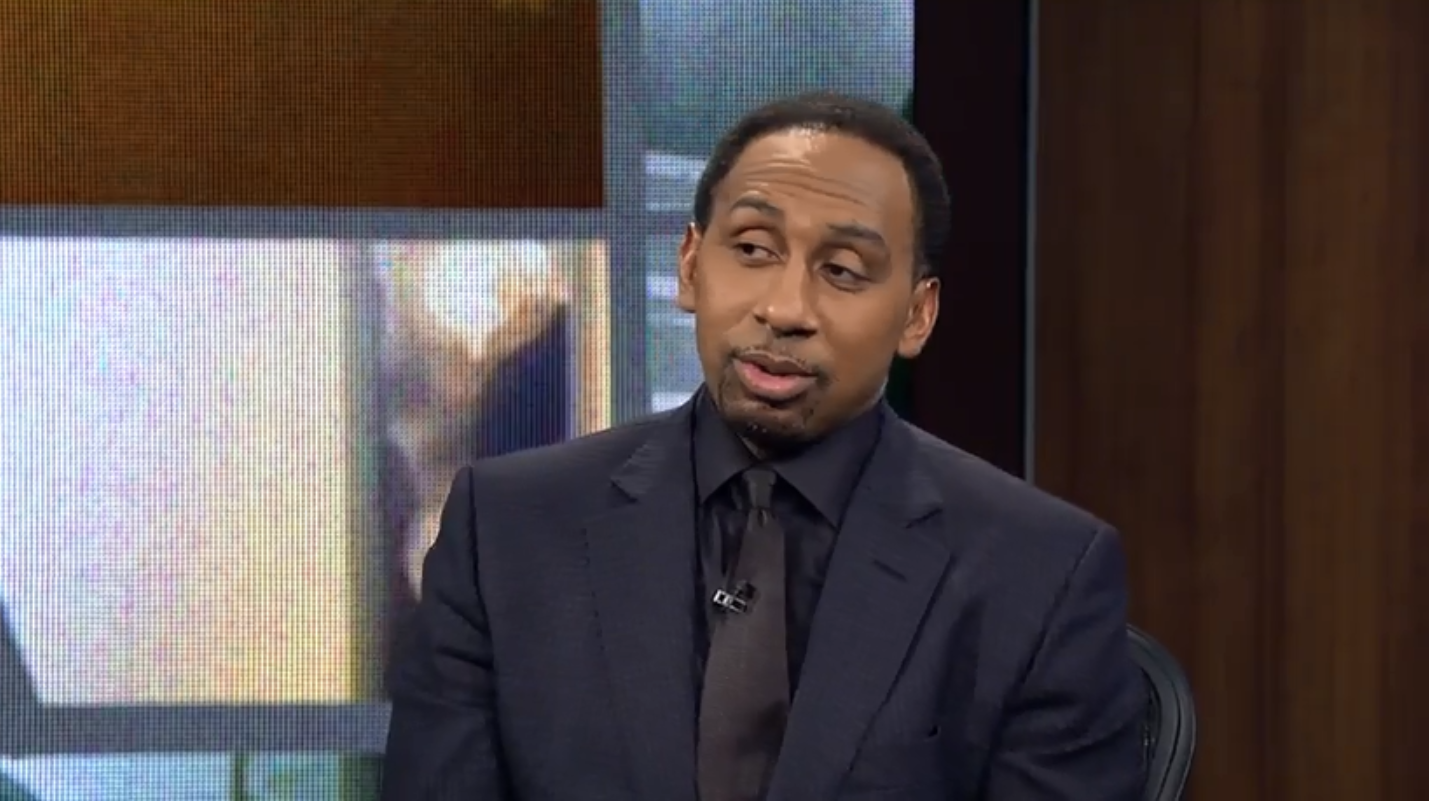
Stephen A. Smith, known for his passionate and often polarizing commentary, has long been a staple on ESPN’s lineup. However, a recent incident involving his remarks during a live broadcast ignited a fresh wave of criticism. The controversy began when Smith made comments that many viewers and critics perceived as insensitive and biased, touching on sensitive topics within the sports community.
The backlash was swift and widespread, with social media platforms flooded with reactions ranging from disappointment to outright condemnation. Fans expressed frustration over what they saw as a departure from objective sports analysis to opinionated and controversial rhetoric. Critics argued that Smith’s comments not only reflected poorly on him but also on ESPN’s editorial standards and commitment to balanced reporting.
This incident is not isolated; it highlights a broader challenge ESPN faces in balancing entertainment value with journalistic integrity. Stephen A. Smith’s role as a high-profile commentator means his words carry significant weight, and any missteps can quickly escalate into major controversies.
The Impact of the Controversy on ESPN and Its Audience
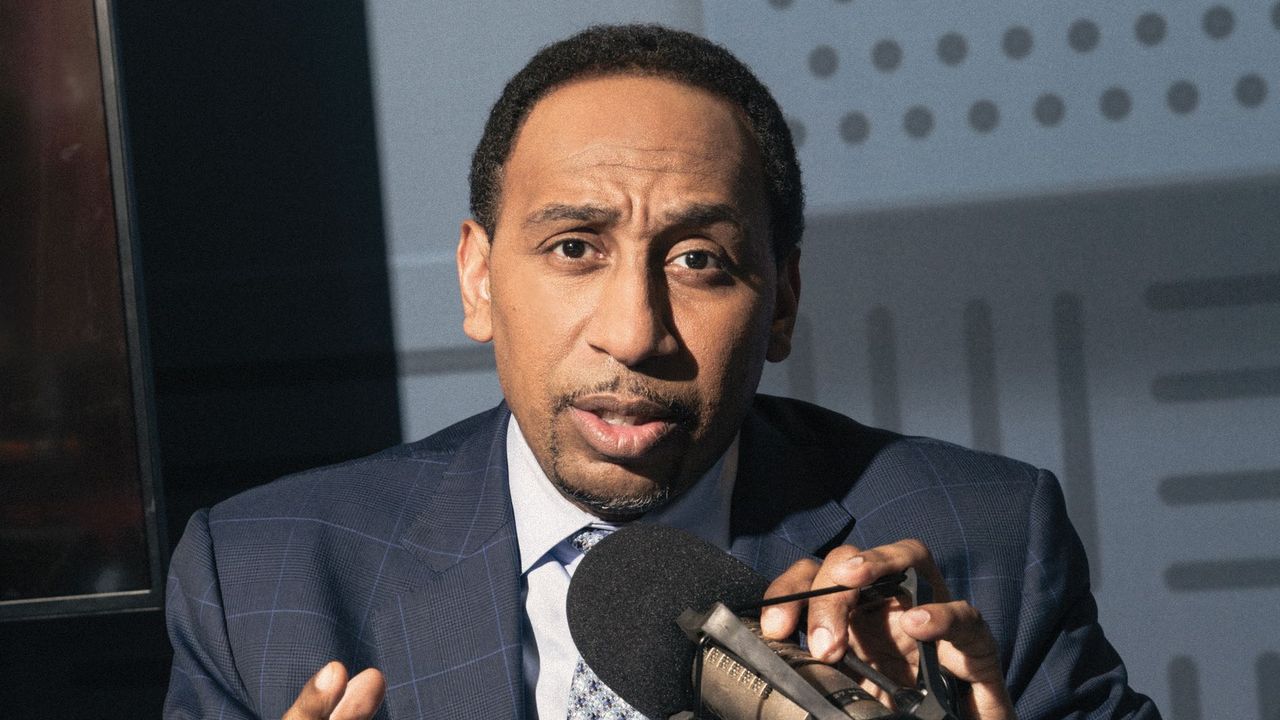
The fallout from the controversy has had tangible effects on ESPN’s brand and its relationship with viewers. Several advertisers reportedly reconsidered their partnerships, wary of being associated with the negative publicity. Additionally, some viewers threatened to boycott the network, demanding accountability and changes in how content is managed.
For Stephen A. Smith, the controversy has been a double-edged sword. While some fans continue to support his candid style, others have called for more responsible commentary. ESPN, meanwhile, has had to navigate the delicate task of addressing public concerns without alienating its star talent.
This situation underscores the evolving landscape of sports media, where personalities like Smith must balance authenticity with sensitivity. It also raises important questions about the role of commentators in shaping public discourse around sports and social issues.
How ESPN Can Move Forward Amid Criticism
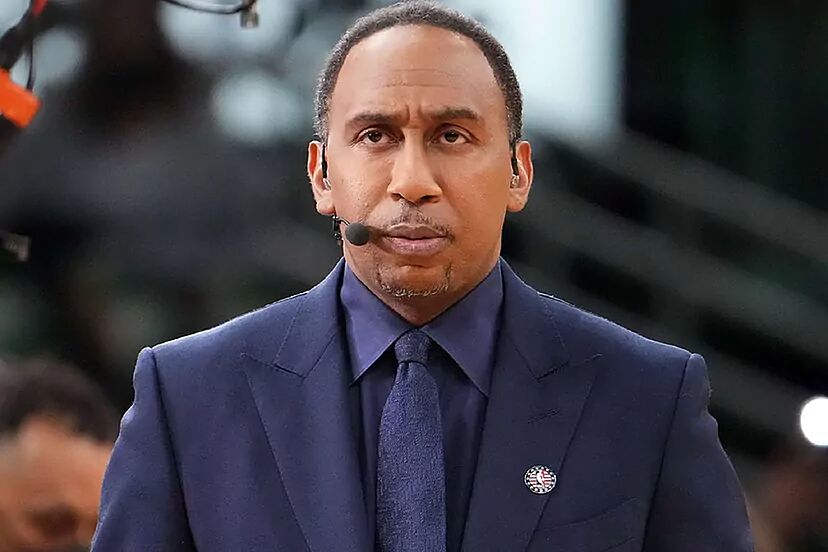
To regain trust and stabilize its reputation, ESPN needs to take proactive steps. This includes implementing stricter editorial guidelines and providing additional training for its commentators on cultural sensitivity and responsible communication. Transparency with the audience about these measures can help rebuild confidence.
Moreover, fostering open dialogue with viewers and critics can demonstrate ESPN’s commitment to growth and accountability. Encouraging diverse perspectives within its programming can also enrich content and reduce the risk of future controversies.
Stephen A. Smith, as a key figure, has an opportunity to lead by example. By reflecting on the feedback and adjusting his approach, he can help shift the narrative from controversy to constructive conversation.
Conclusion
The recent controversy involving Stephen A. Smith has undeniably placed ESPN under a fresh wave of criticism, highlighting the challenges faced by sports media in today’s climate. Understanding what sparked the outrage is crucial for both the network and its audience as they navigate this complex situation. ESPN’s response and Smith’s future commentary will play significant roles in shaping the network’s path forward. Stay informed about the latest developments in sports media by following our updates and join the conversation on how sports commentary can evolve responsibly.