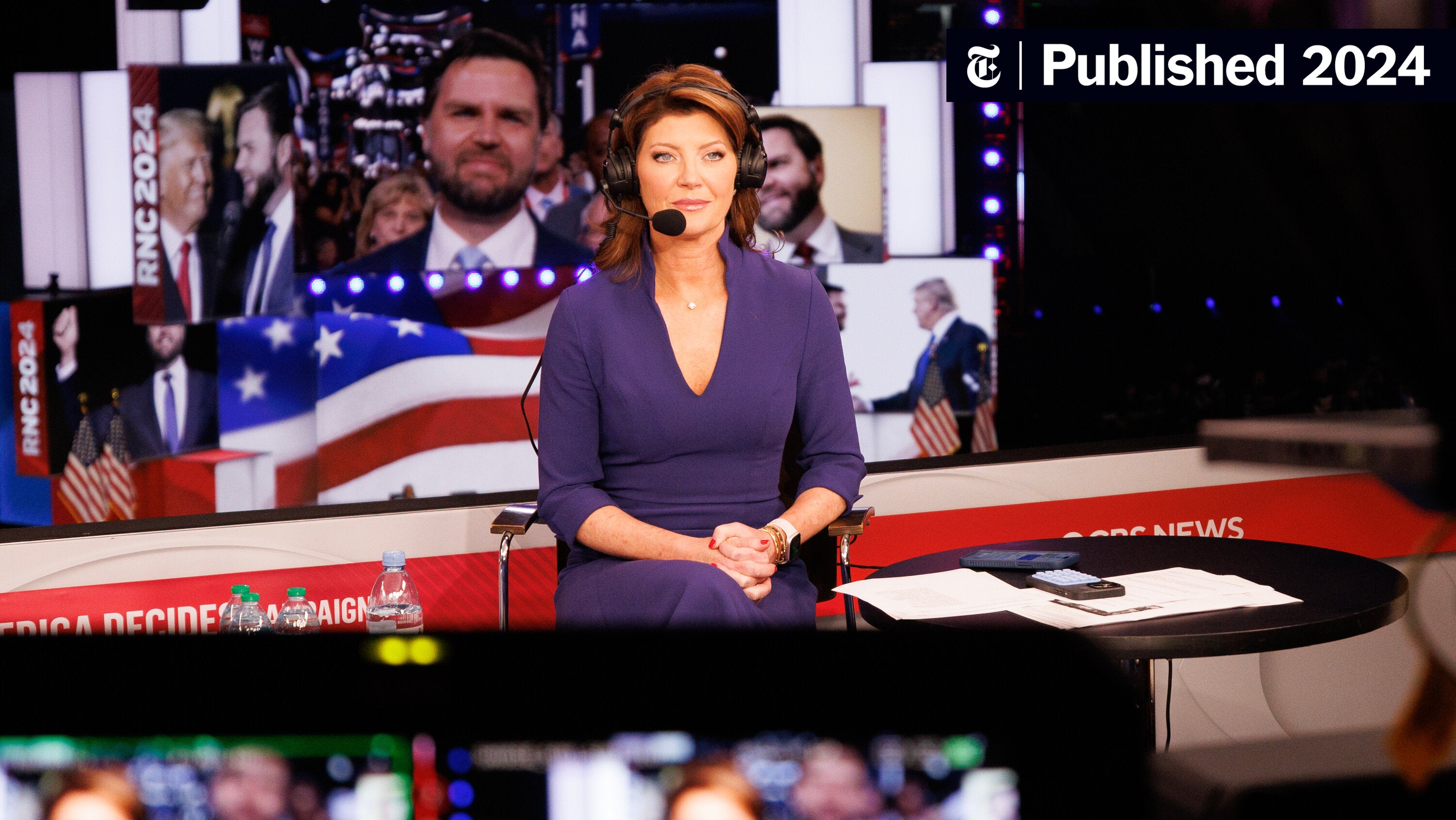
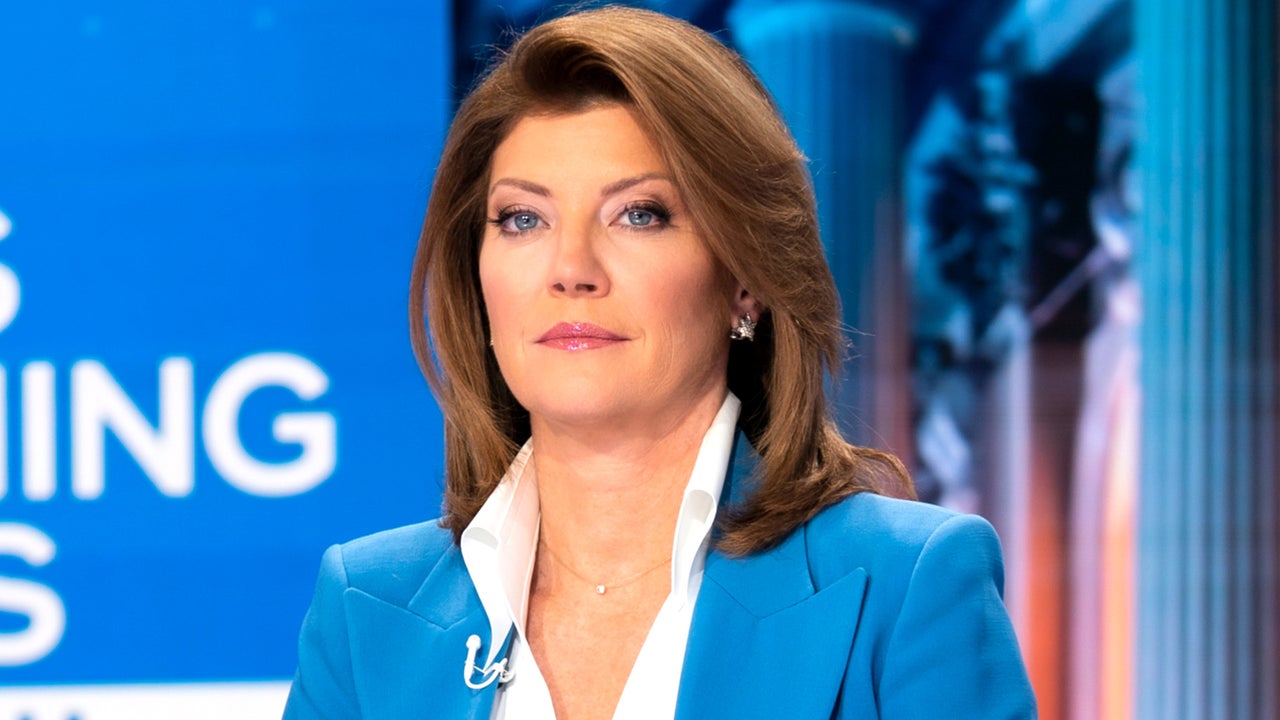
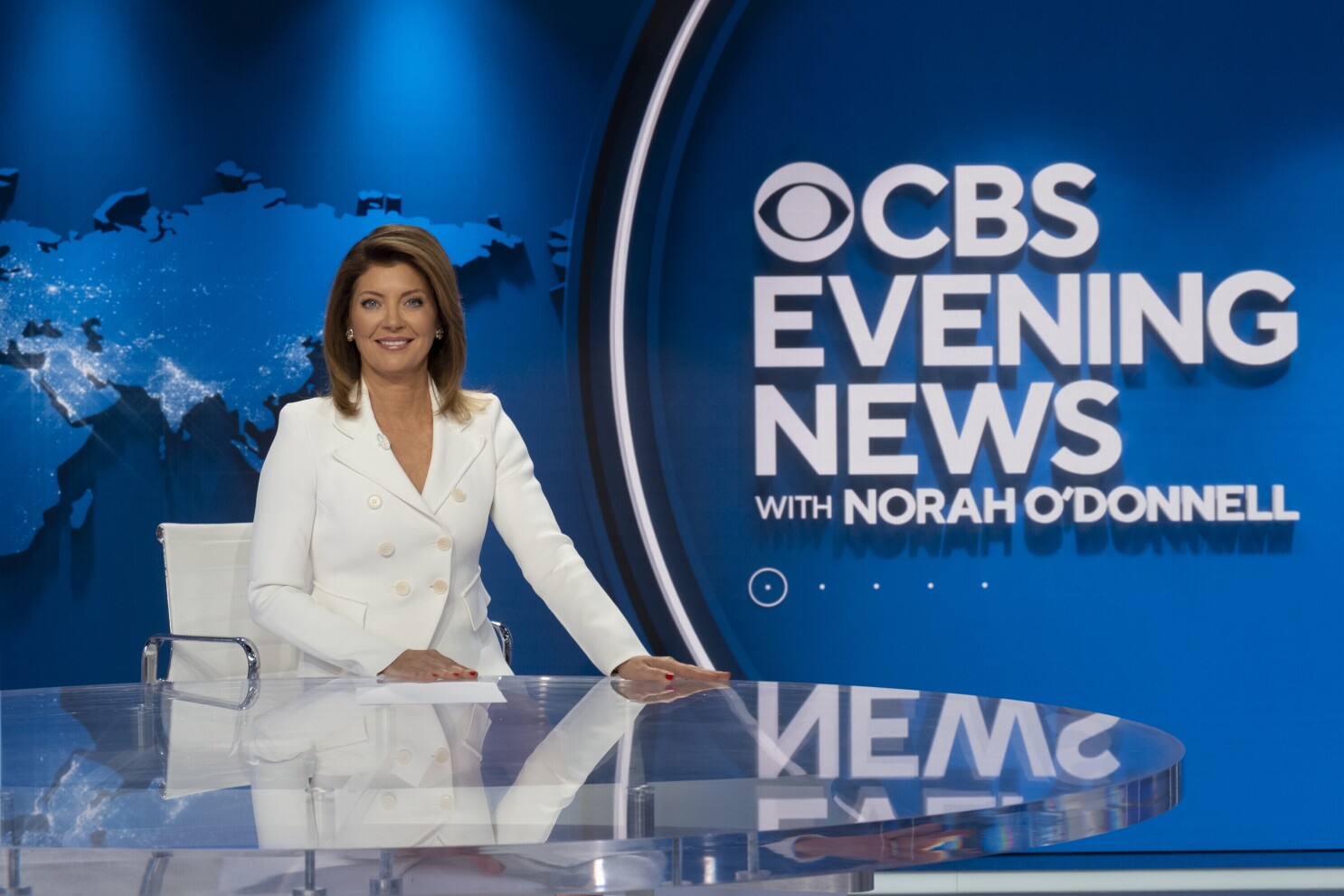
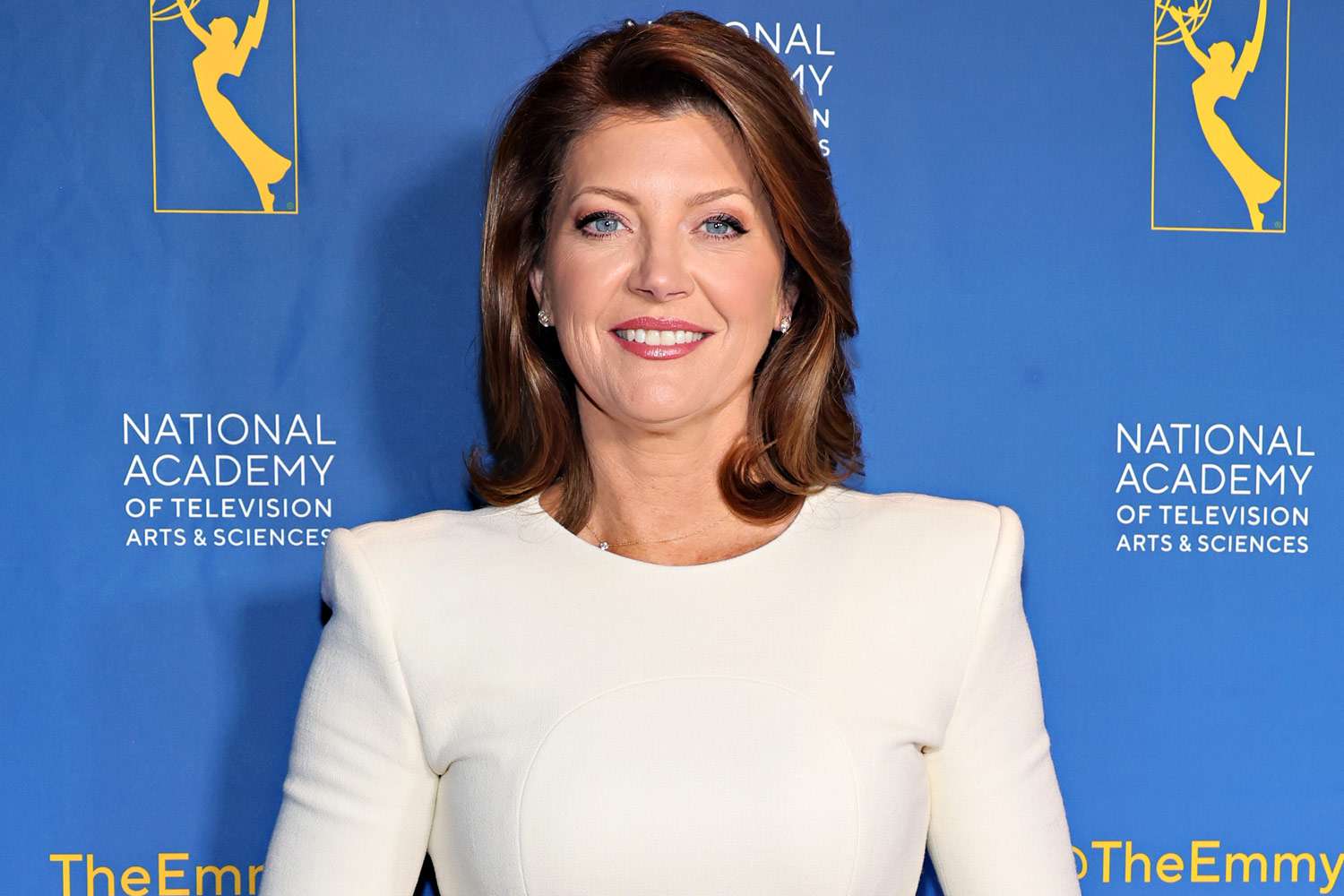
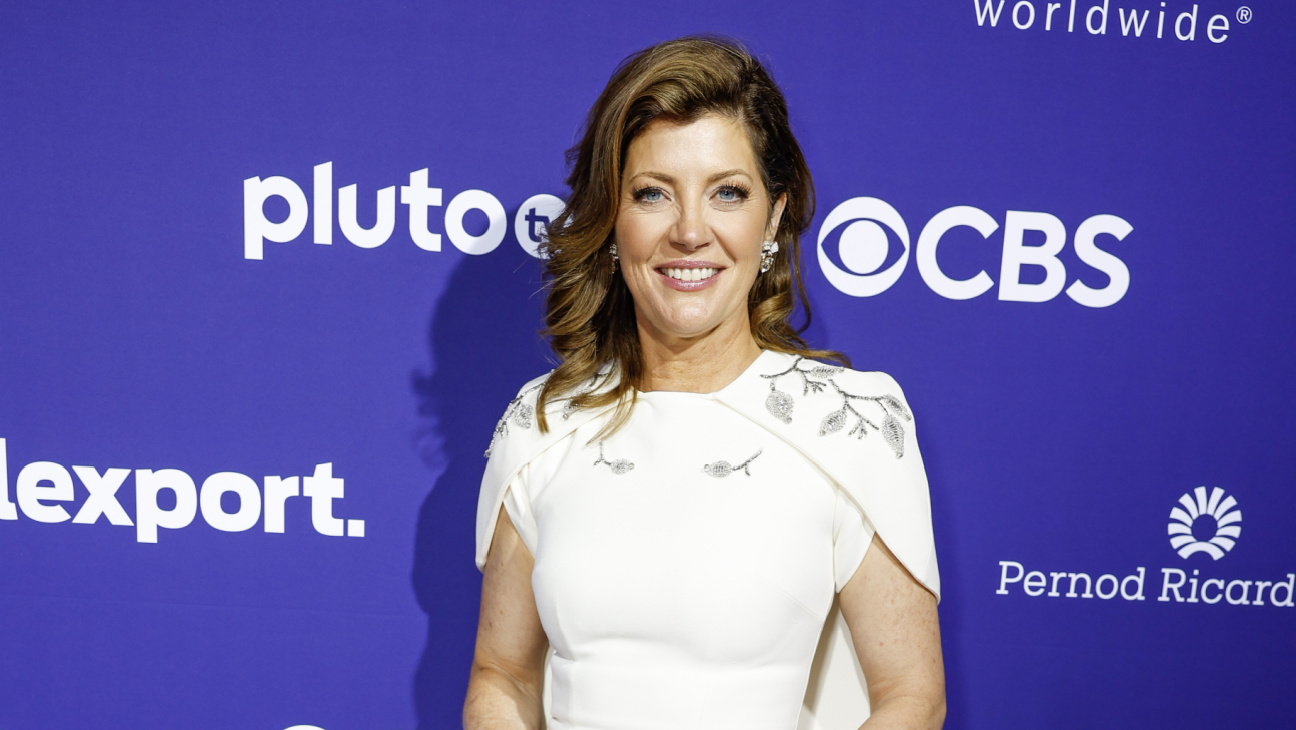
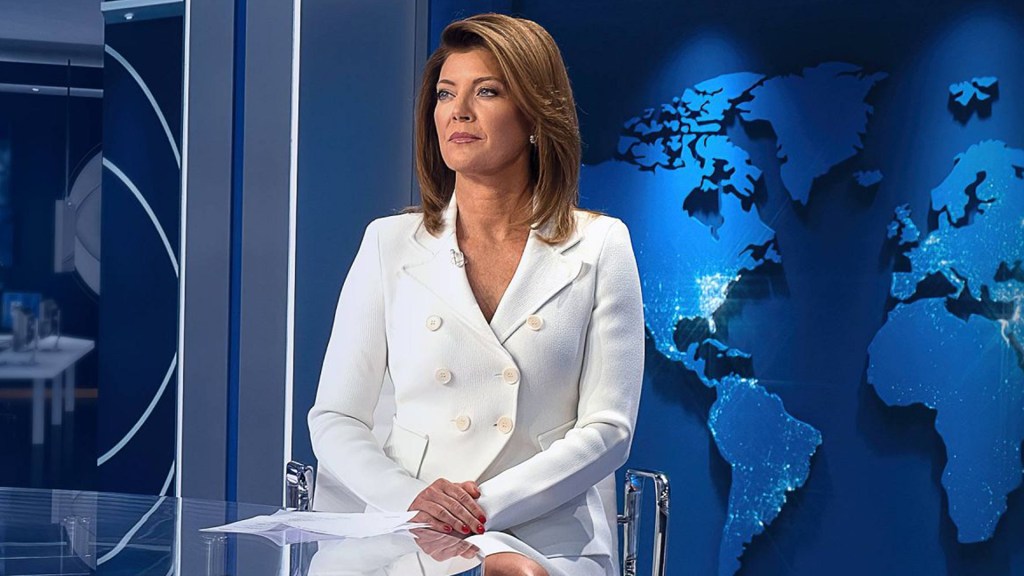
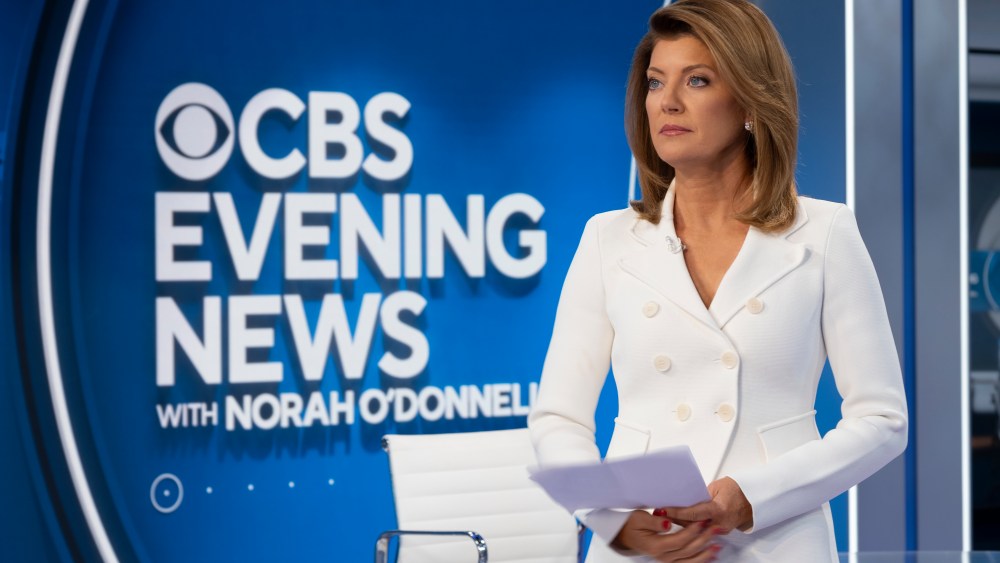
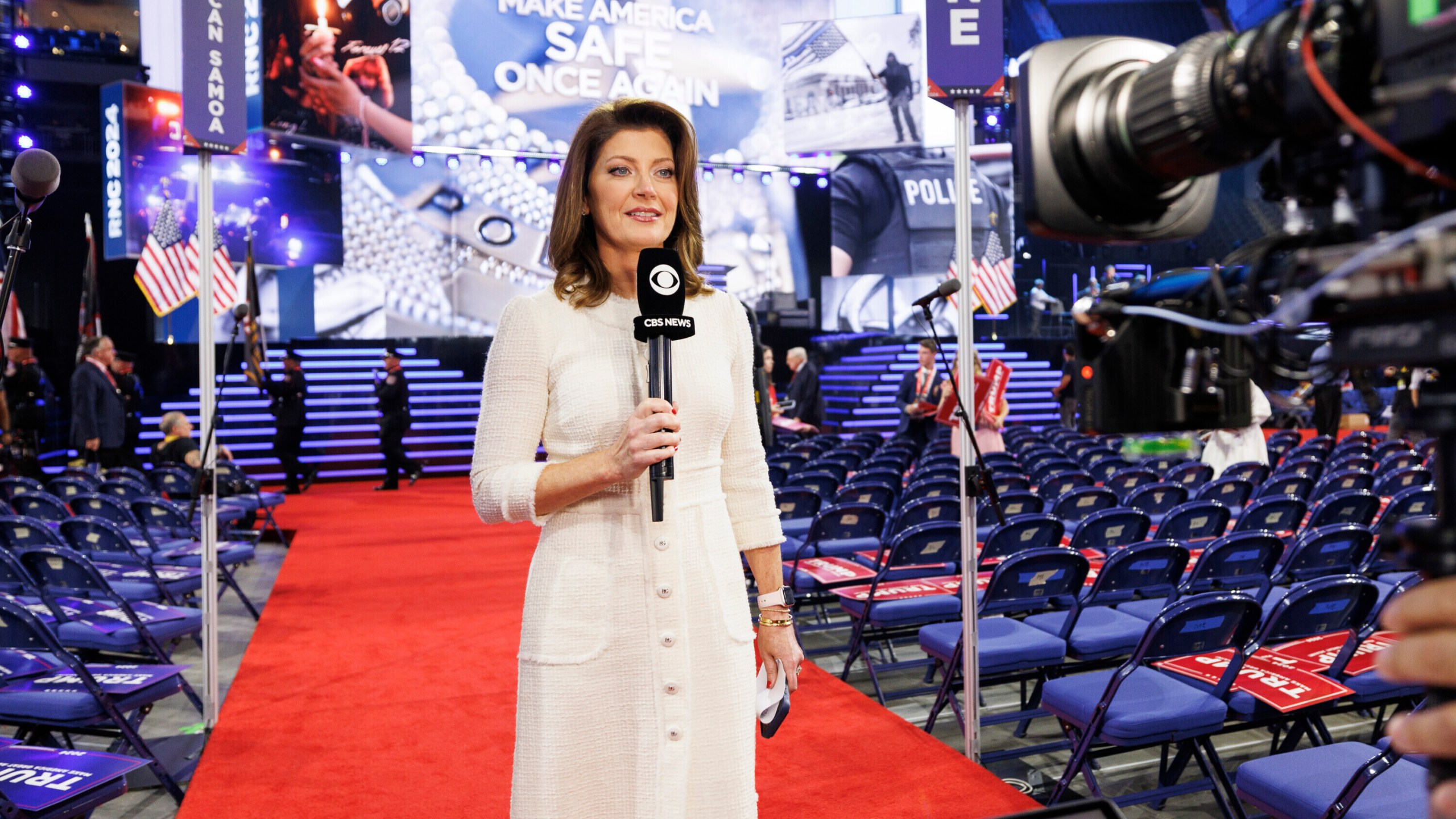
Norah O’Donnell Shocked Audiences by Revealing That Her Departure from CBS Evening News Ultimately Came Down to Gender Issues
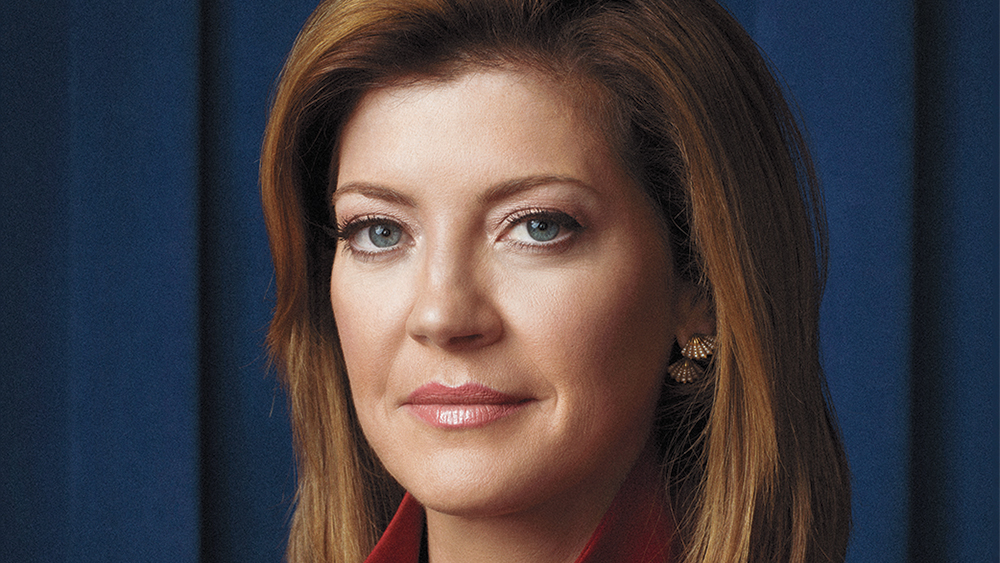
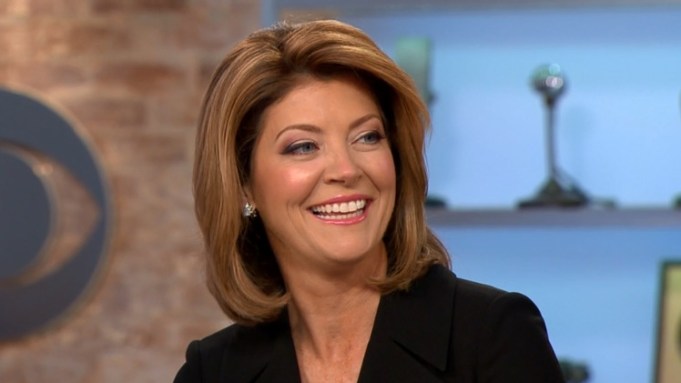
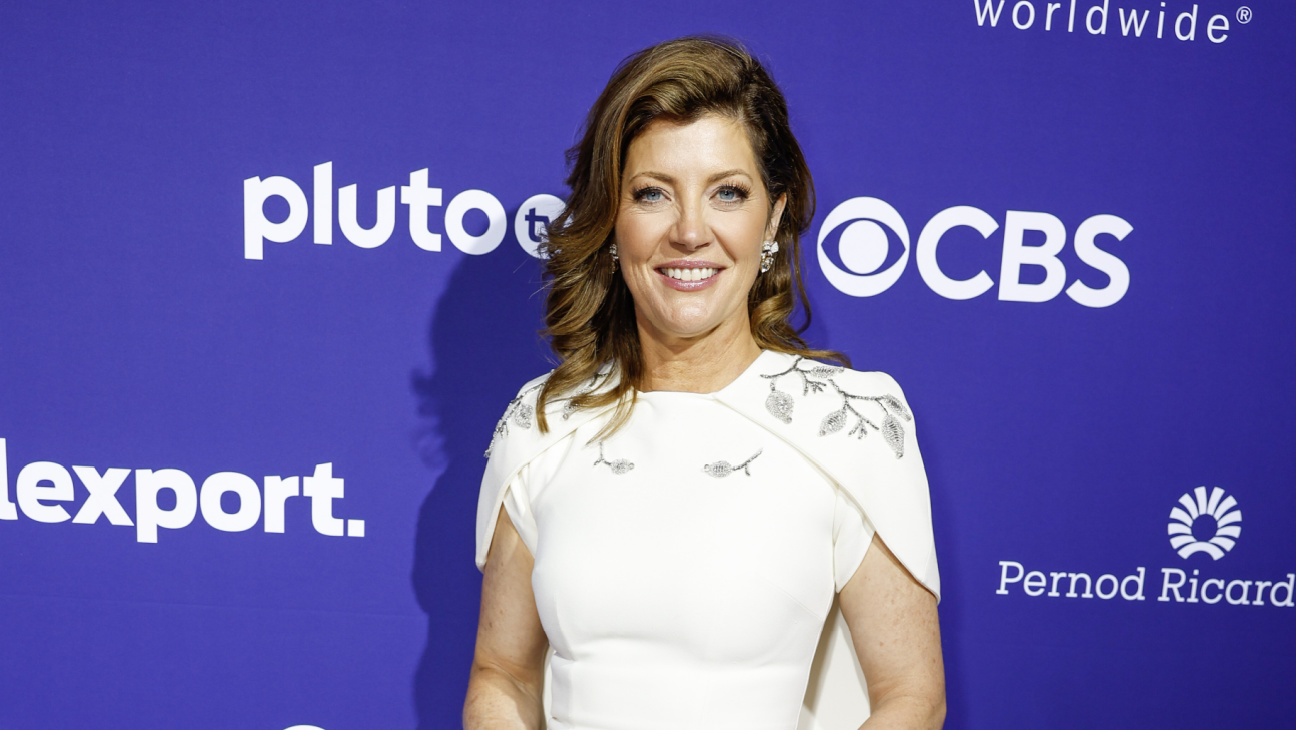
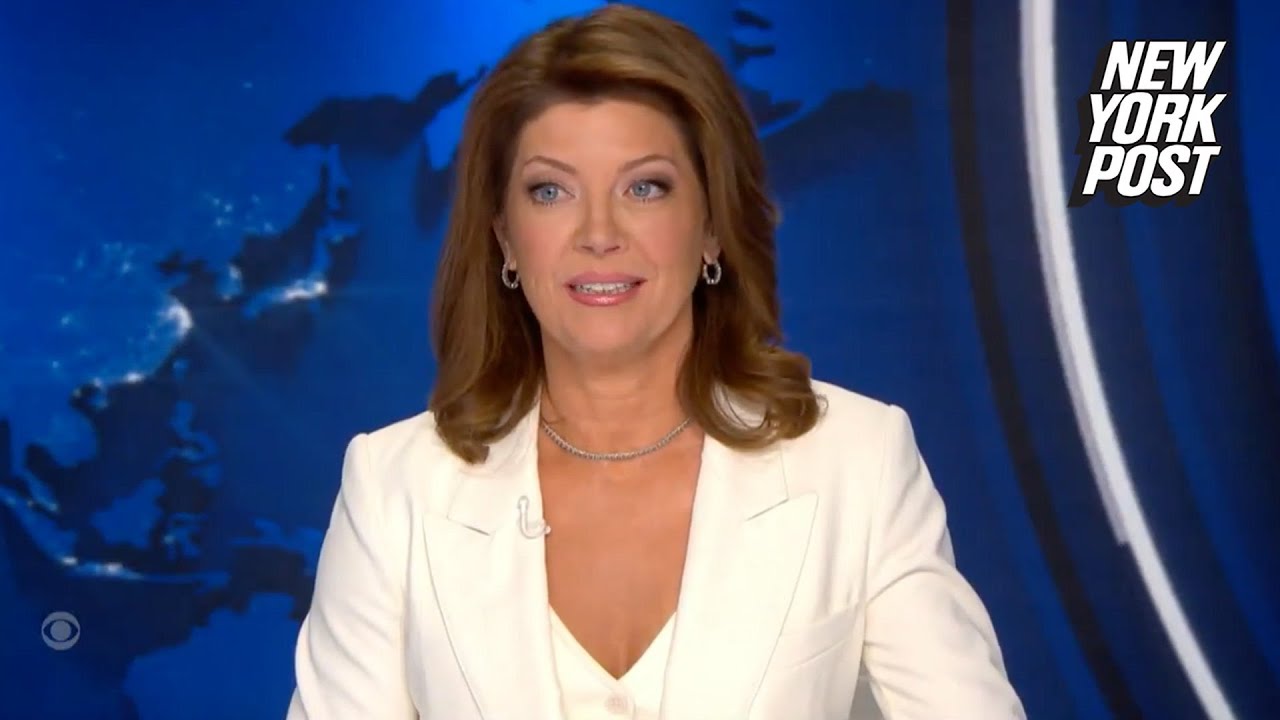
Norah O’Donnell, a prominent figure in American broadcast journalism, recently stunned viewers and industry insiders alike by openly discussing the real reasons behind her departure from CBS Evening News. While many assumed her exit was due to typical career transitions or network decisions, O’Donnell revealed that gender-related challenges played a significant role. This revelation has sparked important conversations about the persistent gender disparities in media leadership roles and the unique obstacles women face in the newsroom.
Gender Dynamics and Challenges in Broadcast Journalism: The Case of Norah O’Donnell
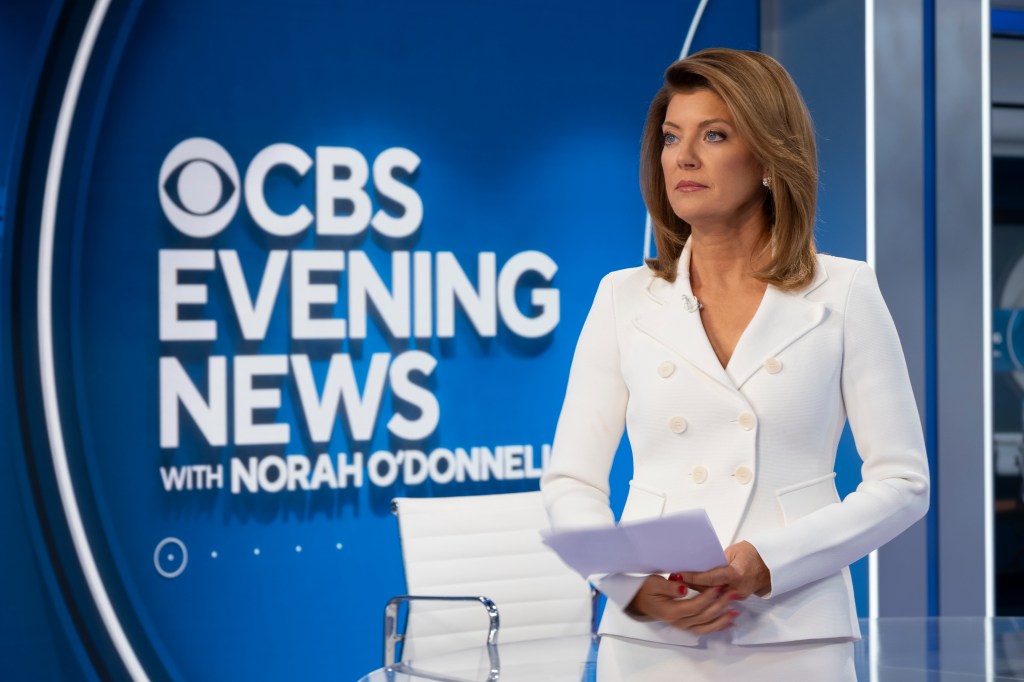
Norah O’Donnell’s career trajectory has been marked by impressive achievements, including becoming the anchor and managing editor of CBS Evening News. However, despite her success, she disclosed that gender issues influenced her decision to leave the network. According to O’Donnell, the environment at CBS was not always supportive or equitable for women, especially in leadership positions. This candid admission sheds light on the broader systemic challenges that female journalists encounter in a traditionally male-dominated industry.
The broadcast journalism field has long struggled with gender imbalance, particularly in prime-time anchor roles and executive positions. Women often face implicit biases, unequal pay, and limited opportunities for advancement. O’Donnell’s experience underscores how these factors can impact even the most accomplished professionals. Her departure serves as a reminder that gender equity remains an urgent issue that media organizations must address to retain top female talent.
Implications for Women in Media and the Path Forward
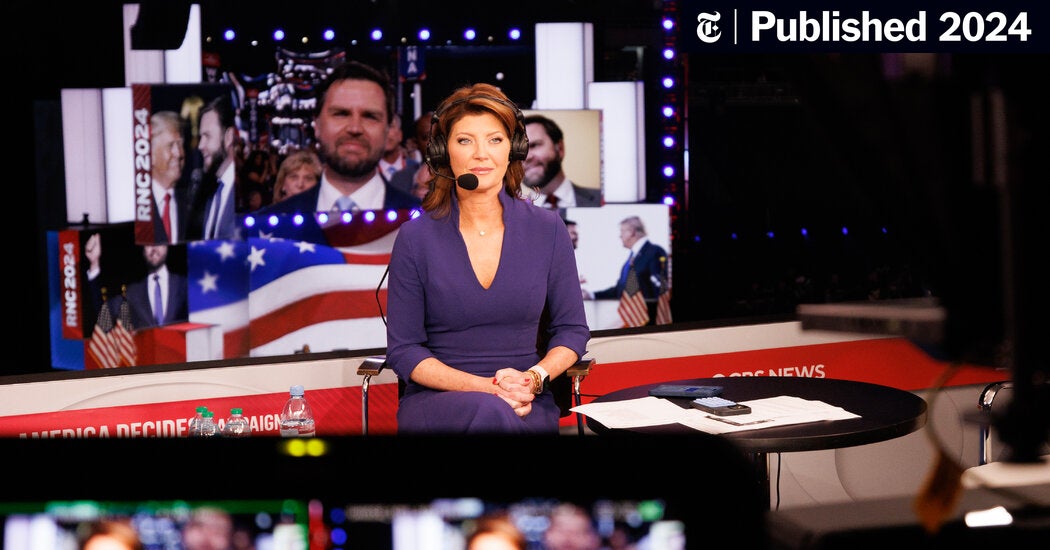
Norah O’Donnell’s revelation is more than a personal story—it is a call to action for the media industry. Her experience highlights the importance of creating inclusive workplaces where women can thrive without facing gender-based obstacles. Media companies must prioritize diversity and equity initiatives, implement transparent promotion and pay practices, and foster cultures that value and support female leadership.
For aspiring women journalists, O’Donnell’s story is both a cautionary tale and a source of inspiration. It emphasizes the need to advocate for oneself and seek environments that champion gender equality. At the same time, it encourages industry stakeholders to continue pushing for systemic change, ensuring that future generations of women in media do not encounter the same barriers.
Understanding the Gender Issues Behind Norah O’Donnell’s Departure
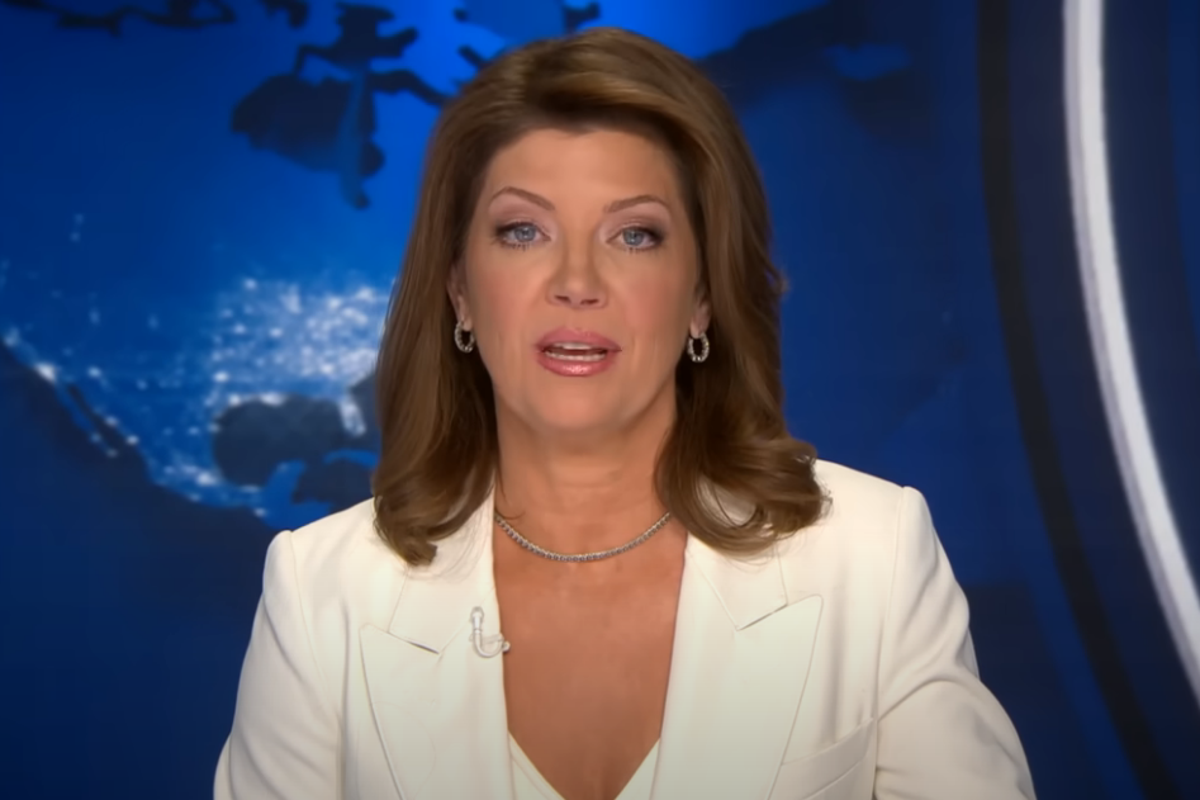
Delving deeper into the gender issues that influenced Norah O’Donnell’s departure reveals a complex web of challenges. These include subtle forms of discrimination, such as being overlooked for key assignments, facing skepticism about leadership capabilities, and navigating workplace cultures that may undervalue women’s contributions. O’Donnell’s decision to speak out publicly brings these issues into sharper focus, encouraging dialogue and awareness.
Moreover, her experience reflects a broader pattern seen across various industries where women in leadership roles often must contend with higher scrutiny and fewer opportunities compared to their male counterparts. The media industry, with its high visibility and competitive nature, can exacerbate these challenges. Recognizing and addressing these gender dynamics is essential for fostering a more equitable professional landscape.
What Media Networks Can Learn from Norah O’Donnell’s Experience

Media networks must take Norah O’Donnell’s revelations seriously and use them as a catalyst for meaningful change. This includes conducting thorough assessments of workplace culture, implementing mentorship programs for women, and ensuring equitable hiring and promotion practices. Transparency around pay and career advancement opportunities can also help mitigate gender disparities.
Additionally, networks should encourage open conversations about gender bias and provide training to all employees to recognize and combat unconscious biases. By doing so, they can create an environment where talented women like Norah O’Donnell feel valued and empowered to lead without facing gender-based obstacles.
Conclusion
Norah O’Donnell’s shocking disclosure about the gender issues behind her departure from CBS Evening News brings critical attention to the ongoing challenges women face in broadcast journalism. Her story highlights the need for media organizations to prioritize gender equity and foster inclusive environments that support female leaders. If you are passionate about advancing gender equality in media or want to learn more about how to support women in journalism, stay informed and advocate for change within your community and workplace. Together, we can help create a media landscape where talent and leadership thrive regardless of gender.