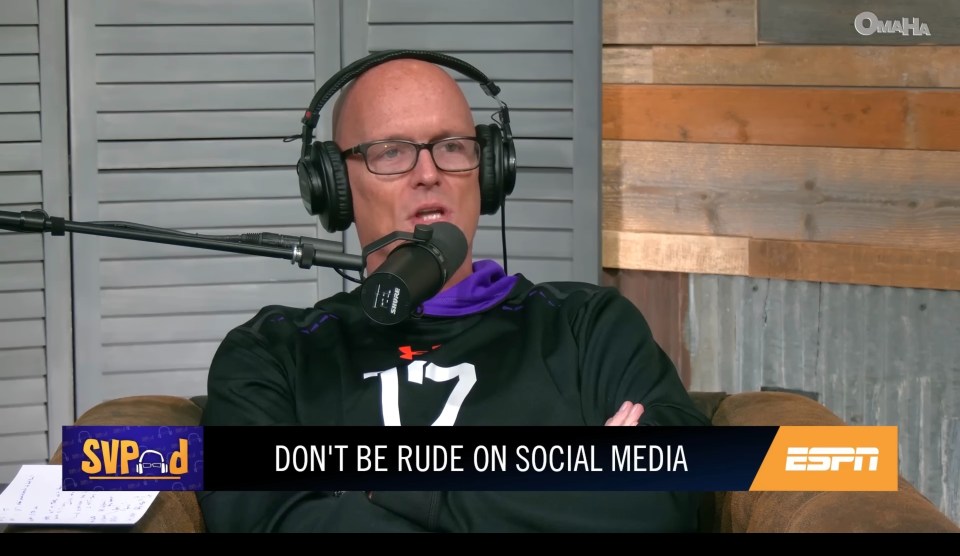
Scott Van Pelt’s Public Apology to Karen Lacy Sparks Controversy
After weeks of silence, Scott Van Pelt finally broke his silence and issued a public apology to Karen Lacy. The apology came after a period of intense speculation and growing online chatter about the nature of their dispute. While many expected the apology to bring closure, it instead ignited a fresh wave of controversy. Online sleuths and social media users quickly scrutinized Van Pelt’s motives, with some branding him a “complete fraud.” This article delves into the details surrounding the apology, the reactions it provoked, and what it might mean for Van Pelt’s reputation moving forward.
Scott Van Pelt’s Apology to Karen Lacy: What Really Happened?

Scott Van Pelt, a well-known figure in the sports broadcasting world, had remained silent for weeks following an incident involving Karen Lacy. The details of the dispute were initially vague, leading to widespread speculation. When Van Pelt finally addressed the issue publicly, he offered a formal apology to Lacy, expressing regret for his actions and hoping to move past the controversy.
Despite the apology’s conciliatory tone, many online commentators were quick to question its sincerity. Social media platforms buzzed with theories suggesting that Van Pelt’s apology was less about genuine remorse and more about damage control. Some users argued that the timing of the apology coincided suspiciously with mounting public pressure, hinting that it was a strategic move to salvage his public image rather than a heartfelt admission of wrongdoing.
The phrase “He’s a complete fraud” began trending in certain online circles, reflecting the distrust some have toward Van Pelt’s intentions. This backlash raises important questions about accountability and authenticity in public apologies, especially from high-profile individuals.
Online Reactions and the Power of Social Media Investigation
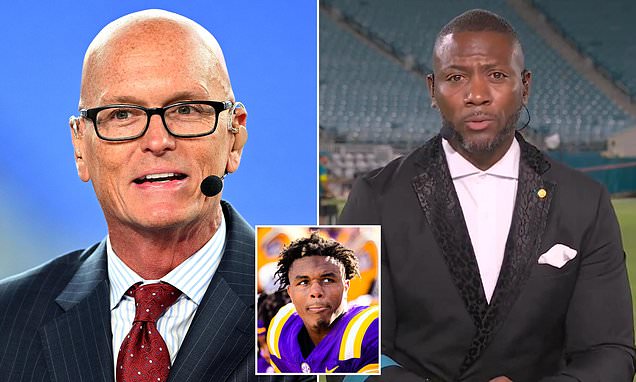
The rapid spread of skepticism regarding Van Pelt’s apology highlights the growing influence of online communities in holding public figures accountable. Internet users, often referred to as online sleuths, have become adept at uncovering inconsistencies and motives behind public statements. In this case, many analyzed Van Pelt’s past behavior, social media activity, and the timing of his apology to support their claims.
This phenomenon underscores how social media platforms serve as both a megaphone and a magnifying glass. They amplify voices of dissent and enable collective scrutiny, which can either reinforce or undermine public trust. For Van Pelt, the backlash serves as a reminder that apologies in the digital age are subject to intense examination and must be handled with transparency and sincerity.
Moreover, the situation illustrates the challenges public figures face when navigating controversies. A poorly timed or perceived insincere apology can exacerbate damage rather than repair it. For fans and followers, it becomes essential to critically evaluate such statements and demand accountability.
What This Means for Scott Van Pelt’s Future

The controversy surrounding Scott Van Pelt’s apology to Karen Lacy has undoubtedly impacted his public image. Whether or not the claims of fraudulence hold merit, the episode serves as a cautionary tale about the importance of genuine communication in the public eye.
Moving forward, Van Pelt may need to engage in more transparent and consistent efforts to rebuild trust with his audience. This could involve open dialogues, demonstrating accountability through actions, and avoiding any appearance of insincerity. Public figures who successfully navigate crises often do so by acknowledging mistakes candidly and showing a commitment to change.
For Van Pelt’s supporters, this moment may be an opportunity to reflect on the complexities of public apologies and the pressures faced by those in the spotlight. For critics, it reinforces the need for vigilance and critical thinking when evaluating public statements.
Conclusion

Scott Van Pelt’s public apology to Karen Lacy has sparked significant debate, with many questioning the authenticity of his motives. While the apology was intended to address past issues, online sleuths have cast doubt on its sincerity, branding Van Pelt a “complete fraud.” This situation highlights the power of social media in shaping public perception and the importance of genuine accountability from public figures. If you want to stay informed on this evolving story and other similar controversies, be sure to follow our updates and join the conversation. Your voice matters in holding public figures accountable.