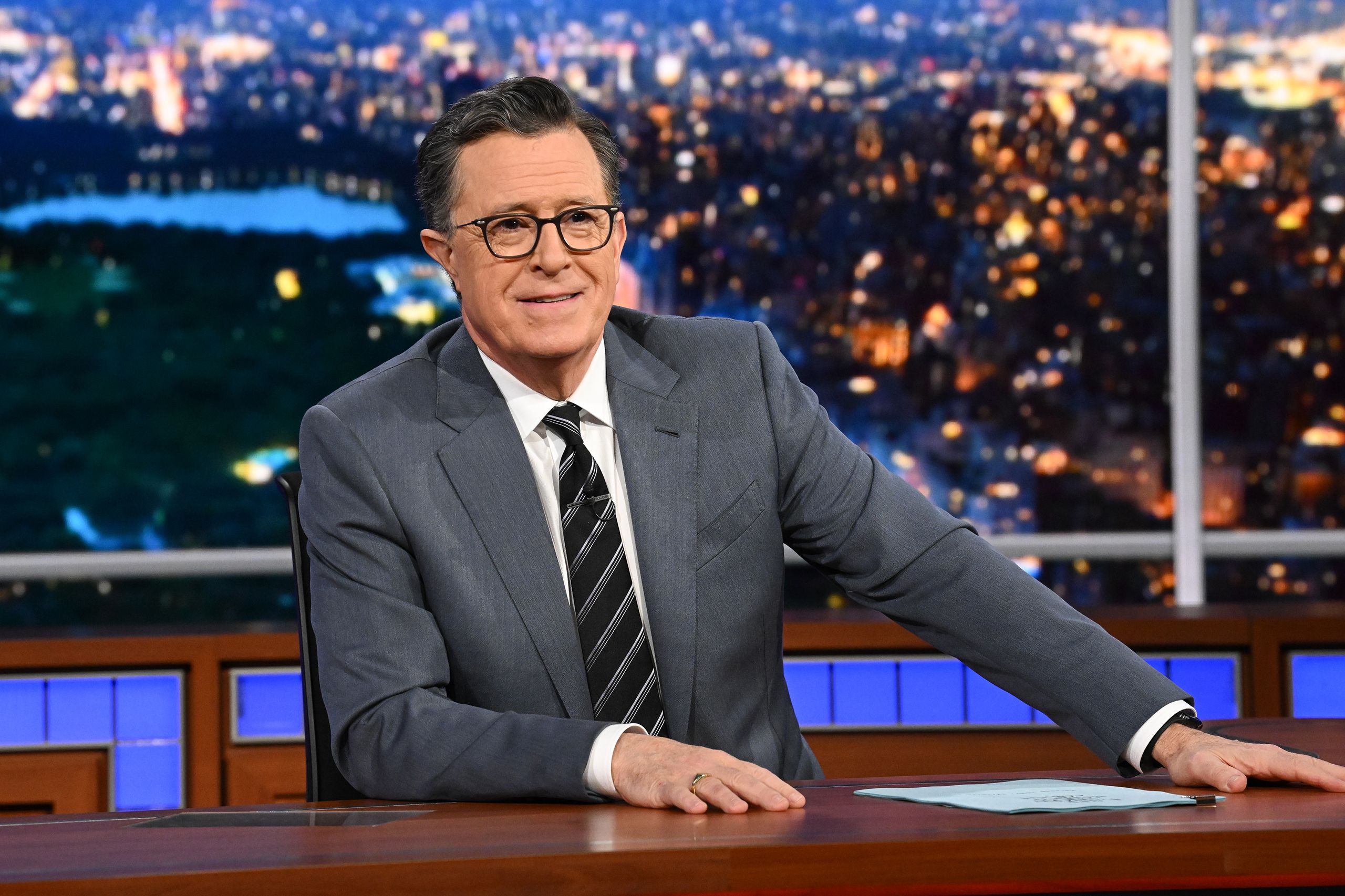
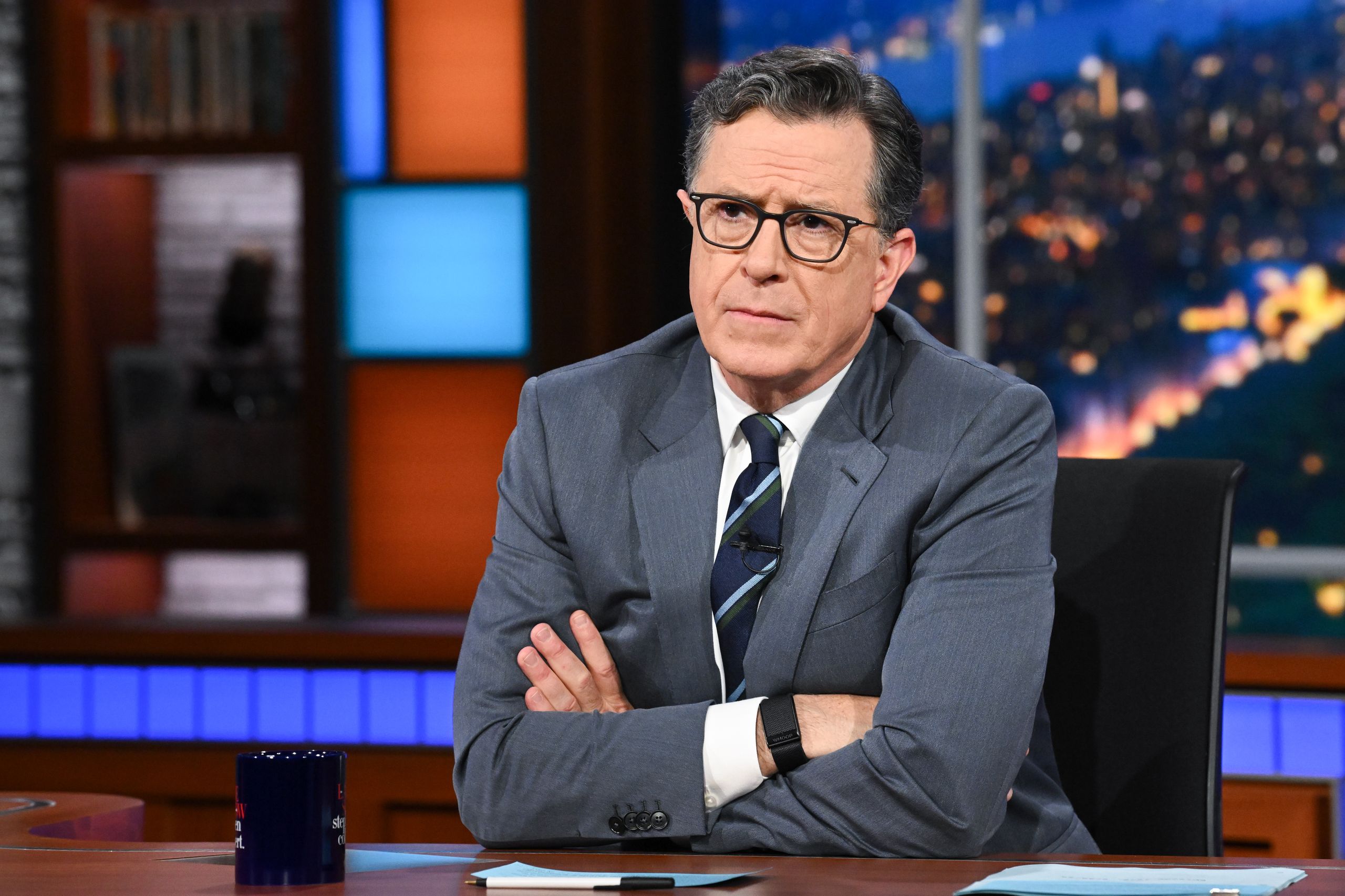
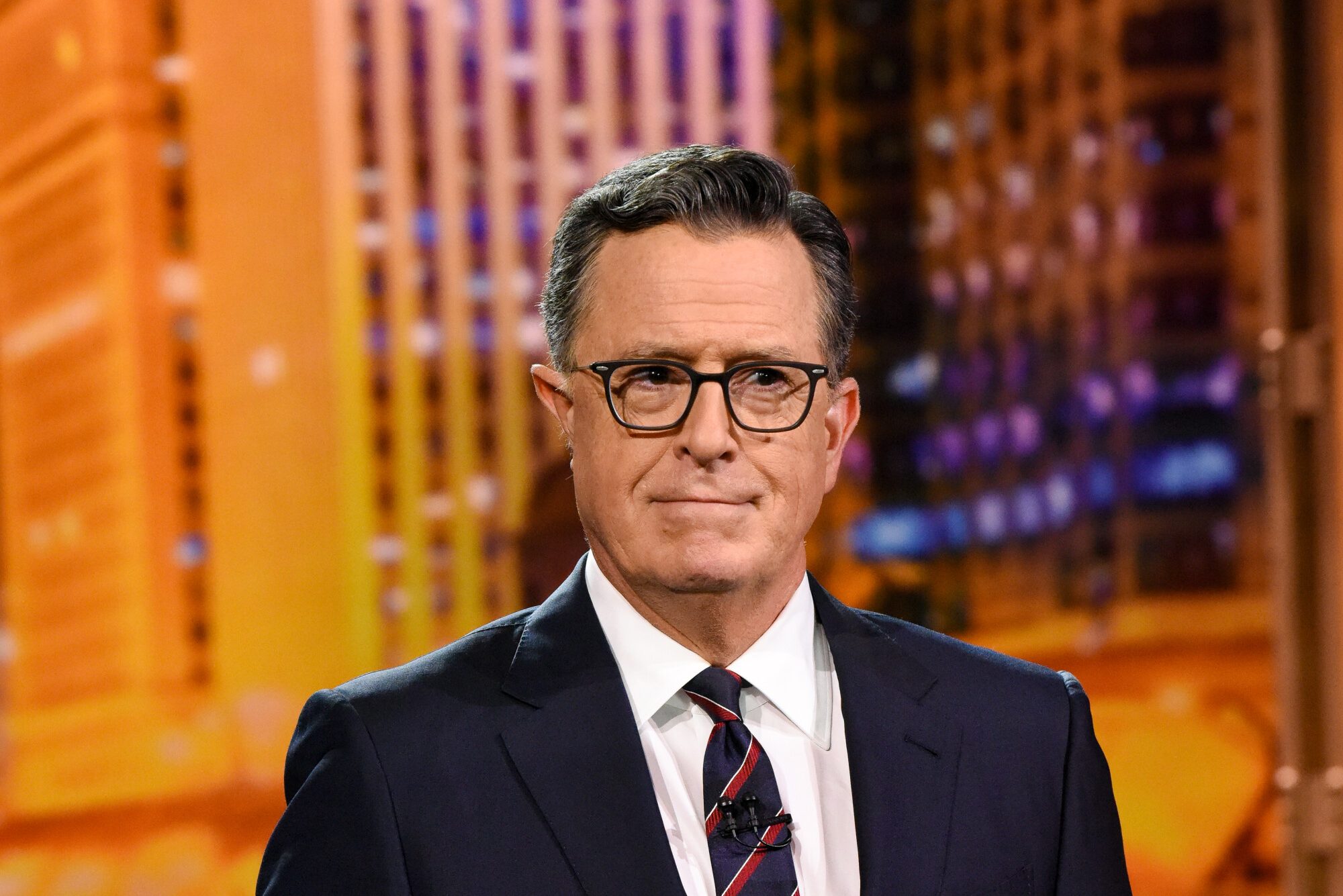
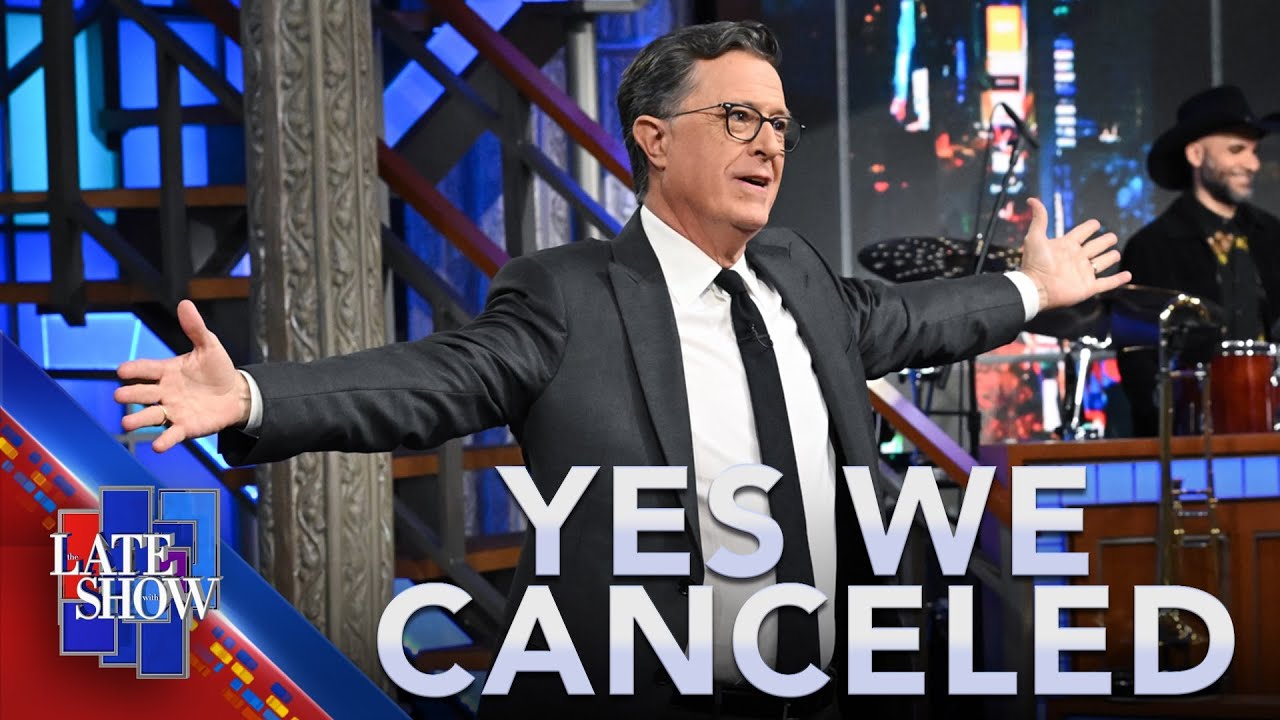
NOT JUST CANCELED! Stephen Colbert Officially Dismissed by CBS: What Happened Behind Closed Doors?
The entertainment world was recently rocked by the news that Stephen Colbert, one of CBS’s most prominent figures, has been officially dismissed from the network. This development goes far beyond a simple cancellation, signaling a major shift in CBS’s strategy and lineup. Fans and industry insiders alike are left wondering what truly transpired behind closed doors to lead to this unexpected exit. In this article, we delve into the details surrounding Stephen Colbert’s departure, the implications for CBS, and what this means for the future of late-night television.
Stephen Colbert’s Dismissal from CBS: More Than Just a Cancellation
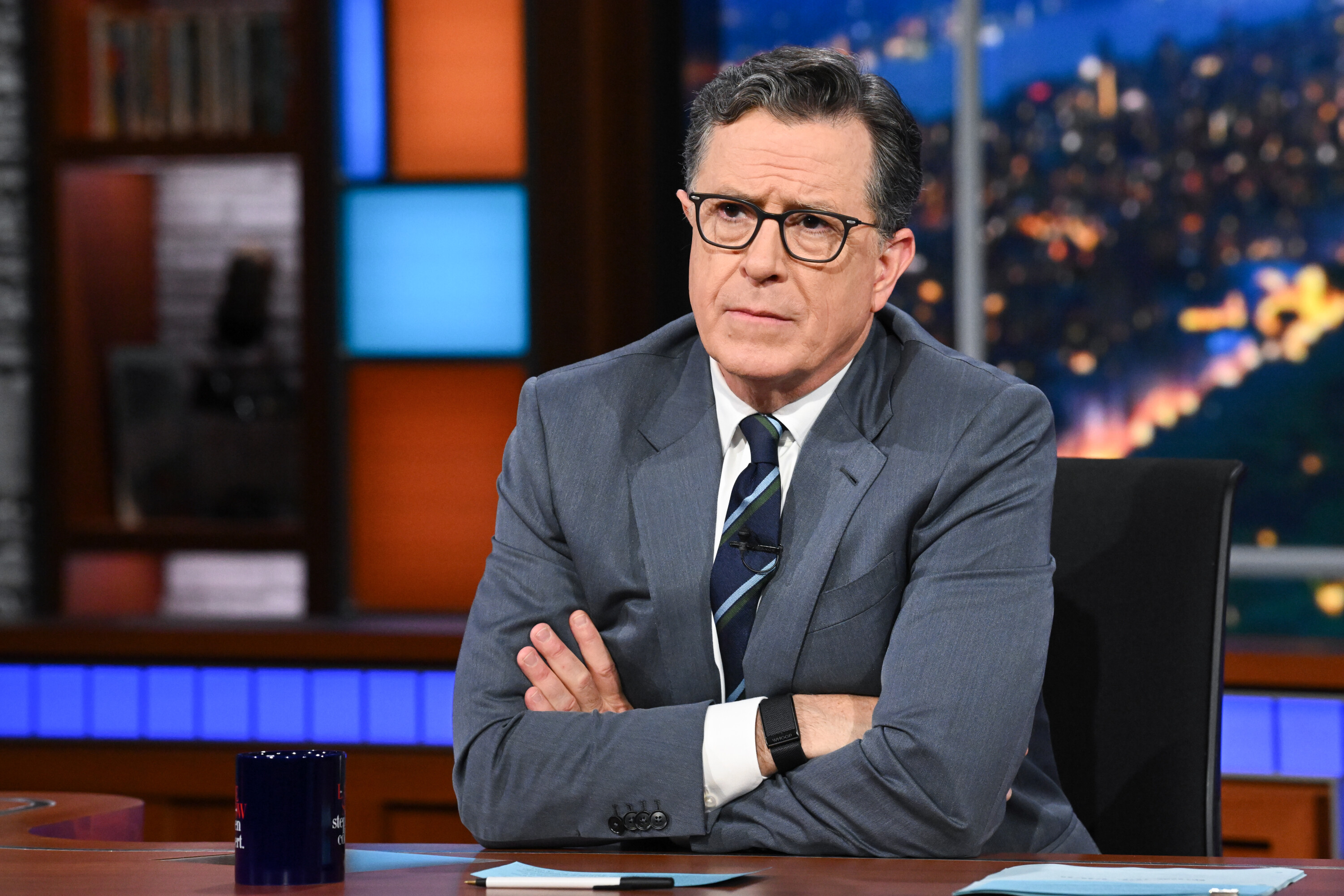
Stephen Colbert’s name has long been synonymous with late-night television success. His sharp wit, engaging interviews, and unique comedic style earned him a dedicated fan base and critical acclaim. However, despite his popularity, CBS has decided to part ways with Colbert, officially dismissing him from the network.
This move is not merely a cancellation of his show or contract expiration; it represents a strategic decision by CBS to reshape its late-night programming and overall brand identity. Industry sources suggest that internal disagreements, shifting audience demographics, and the network’s desire to pivot towards new content formats played significant roles in this decision.
Behind the scenes, tensions reportedly grew between Colbert’s creative team and CBS executives. While Colbert’s show maintained steady ratings, CBS executives were reportedly seeking fresh approaches to attract younger viewers and compete more aggressively with rival networks. The dismissal reflects a broader trend in television where legacy programs and personalities face increasing pressure to evolve or make way for new talent.
What Really Happened Behind Closed Doors at CBS?
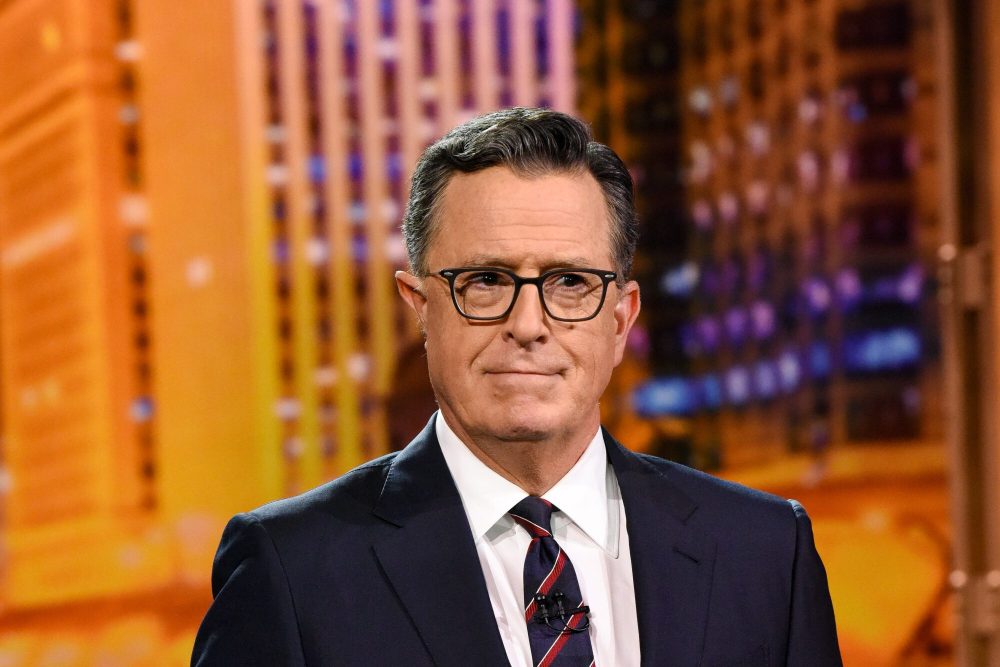
The official statements from CBS have been carefully worded, emphasizing mutual agreement and gratitude for Colbert’s contributions. However, insiders reveal a more complex story involving negotiations that ultimately broke down.
One key factor was the network’s push for greater creative control over Colbert’s content. CBS executives wanted to steer the show’s tone and topics to align more closely with their evolving brand strategy. Colbert, known for his independence and willingness to tackle controversial issues, reportedly resisted these changes.
Additionally, the financial aspects of the contract renewal became a sticking point. With rising production costs and the network’s focus on cost-cutting measures, CBS was unwilling to meet Colbert’s salary demands. This financial impasse contributed to the decision to dismiss him rather than renew his contract.
The timing of the dismissal also coincided with CBS’s announcement of new programming initiatives aimed at digital platforms and streaming services. This suggests that the network is prioritizing content that appeals to online audiences, potentially at the expense of traditional late-night formats.
Implications for CBS and the Future of Late-Night TV

Stephen Colbert’s departure leaves a significant void in CBS’s late-night lineup. His show was a cornerstone of the network’s evening programming, and replacing such a high-profile figure will be challenging.
For CBS, this dismissal signals a willingness to take bold steps to reinvent itself in a rapidly changing media landscape. The network’s focus appears to be shifting towards younger viewers and digital-first content, which may lead to the introduction of new formats and hosts in the late-night space.
For late-night television as a whole, Colbert’s exit underscores the increasing volatility and competitiveness of the genre. Networks are under pressure to innovate and adapt to changing viewer habits, including the rise of streaming platforms and social media influencers.
Fans of Stephen Colbert can expect to see him explore new opportunities, potentially outside traditional network television. His dismissal from CBS may open doors for creative projects that leverage his unique voice in different formats and platforms.
Conclusion
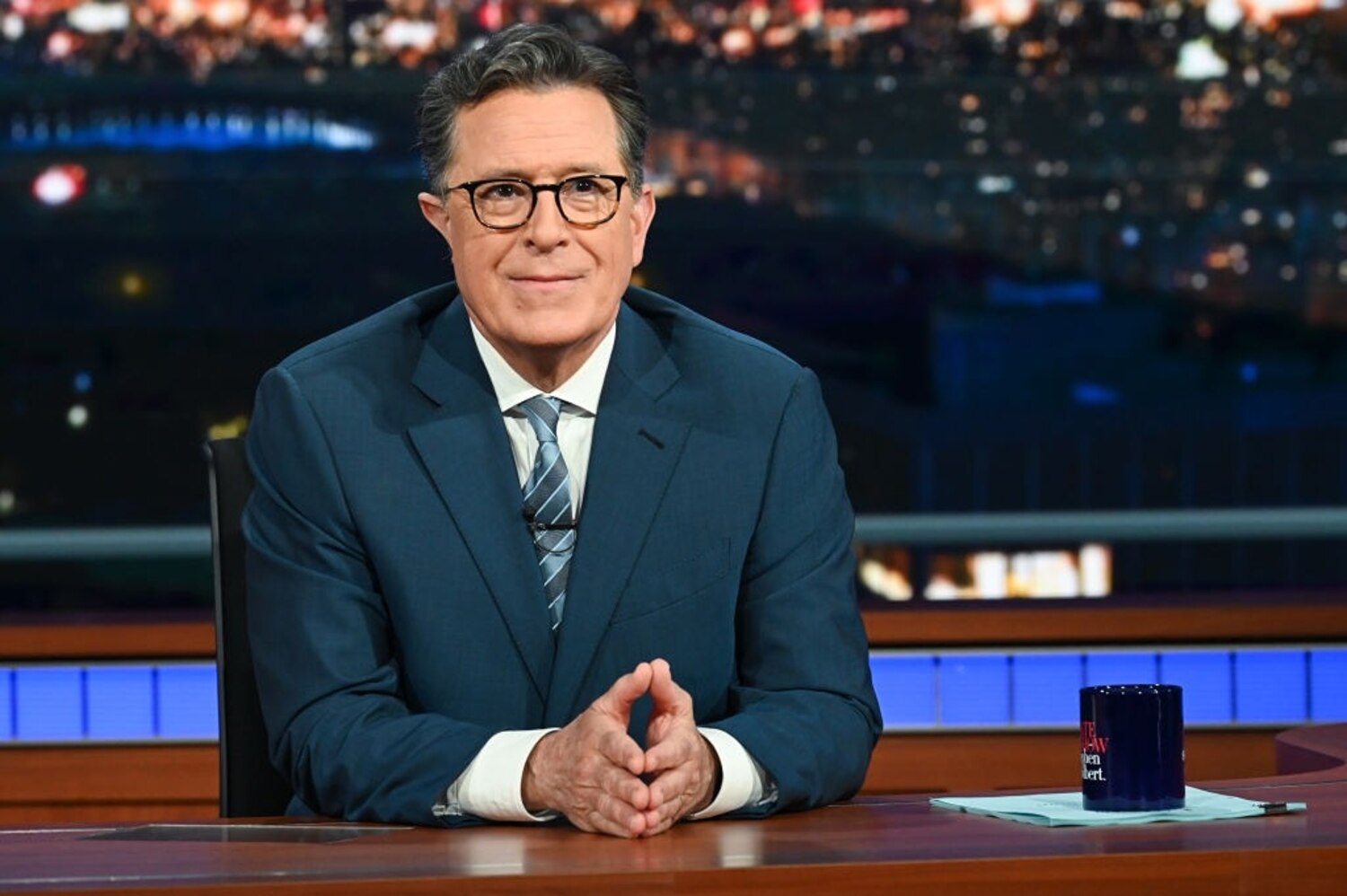
Stephen Colbert’s official dismissal from CBS is much more than a simple cancellation—it reflects a strategic shift within the network and the broader challenges facing late-night television today. Understanding what happened behind closed doors offers valuable insight into the evolving media landscape and the future direction of CBS. If you want to stay updated on the latest developments in entertainment and television, be sure to follow our coverage for in-depth analysis and breaking news. Don’t miss out on what’s next for Stephen Colbert and the future of late-night TV!