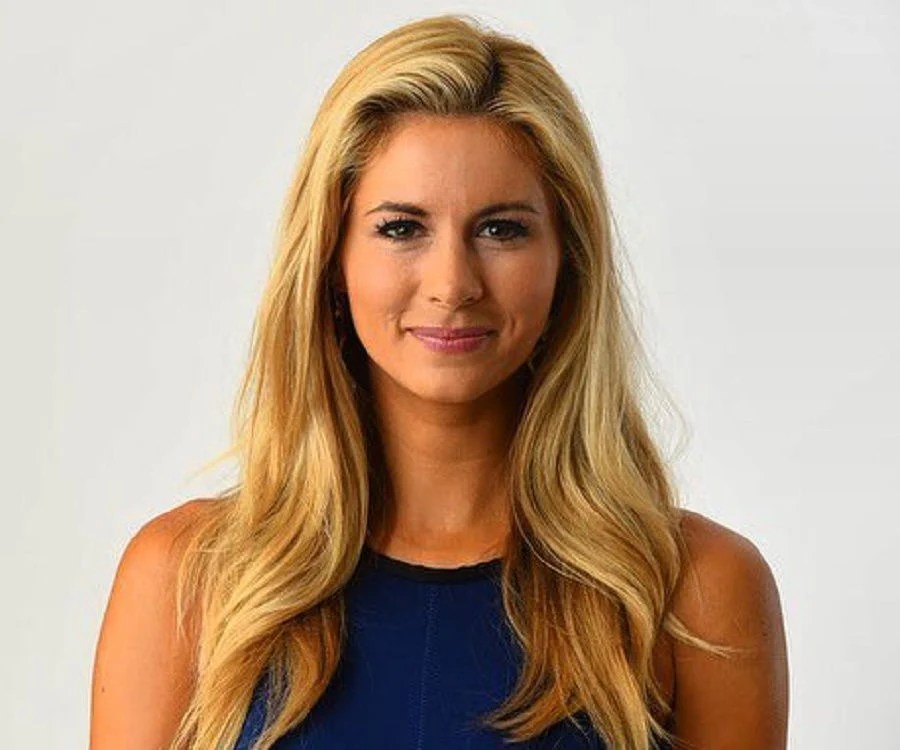
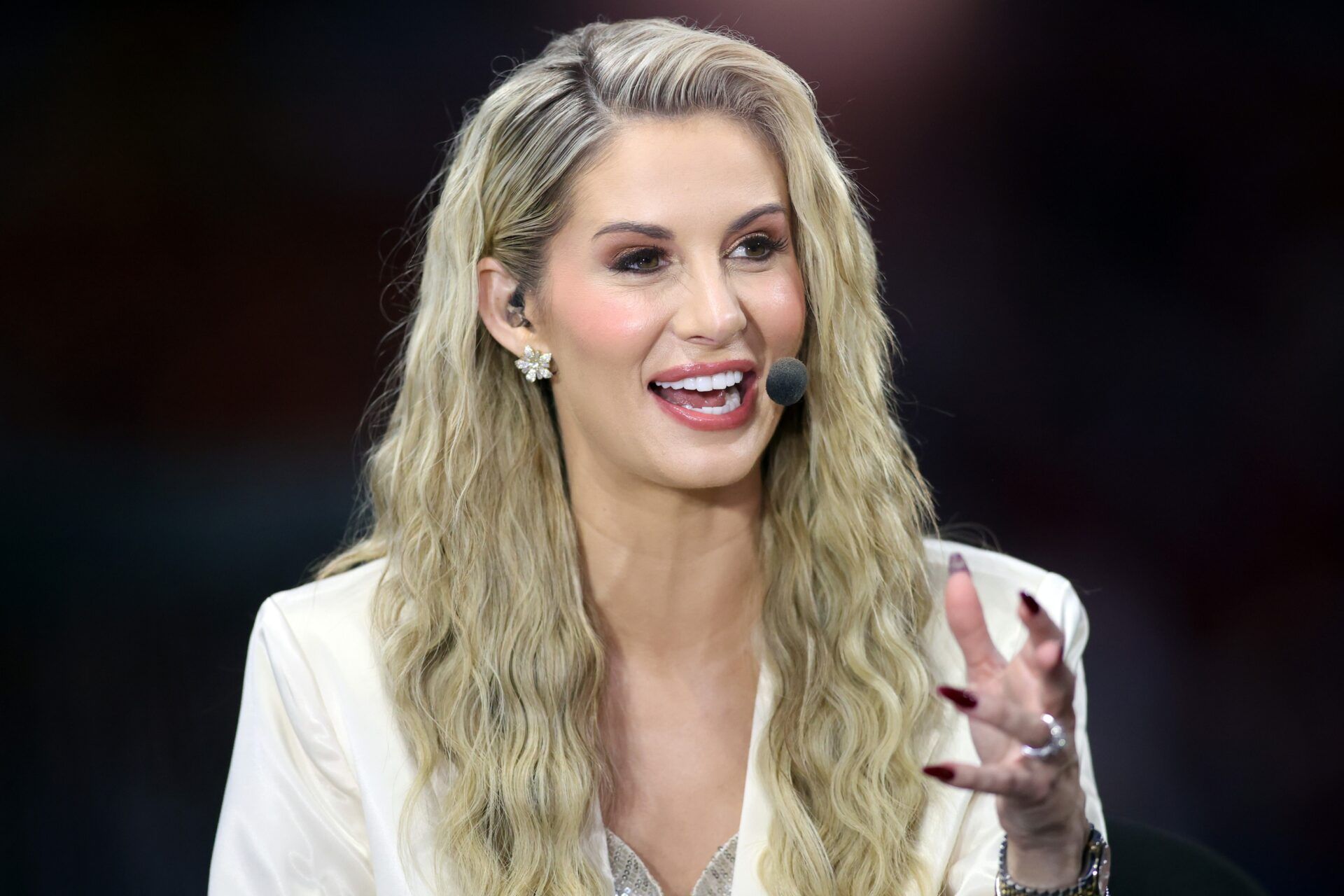
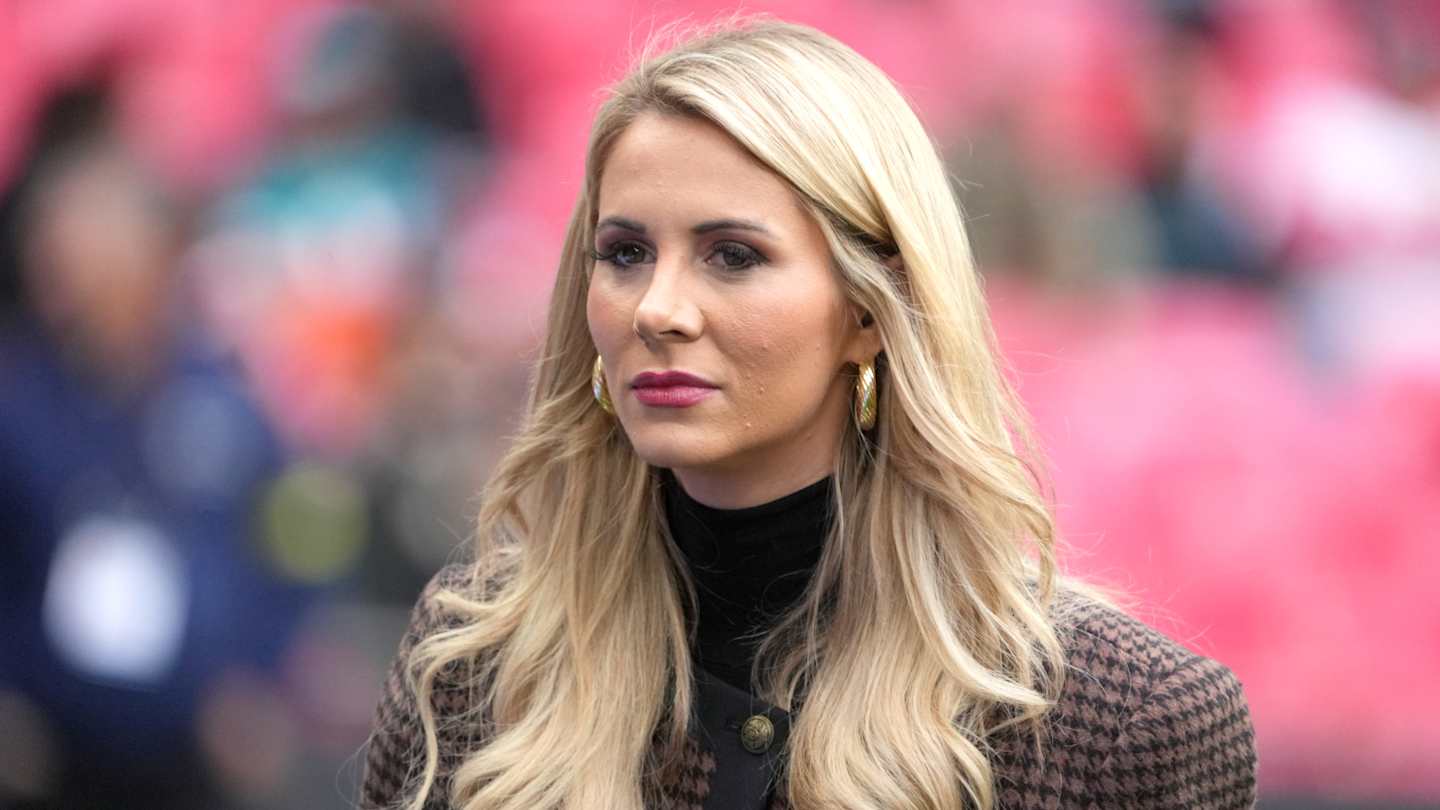
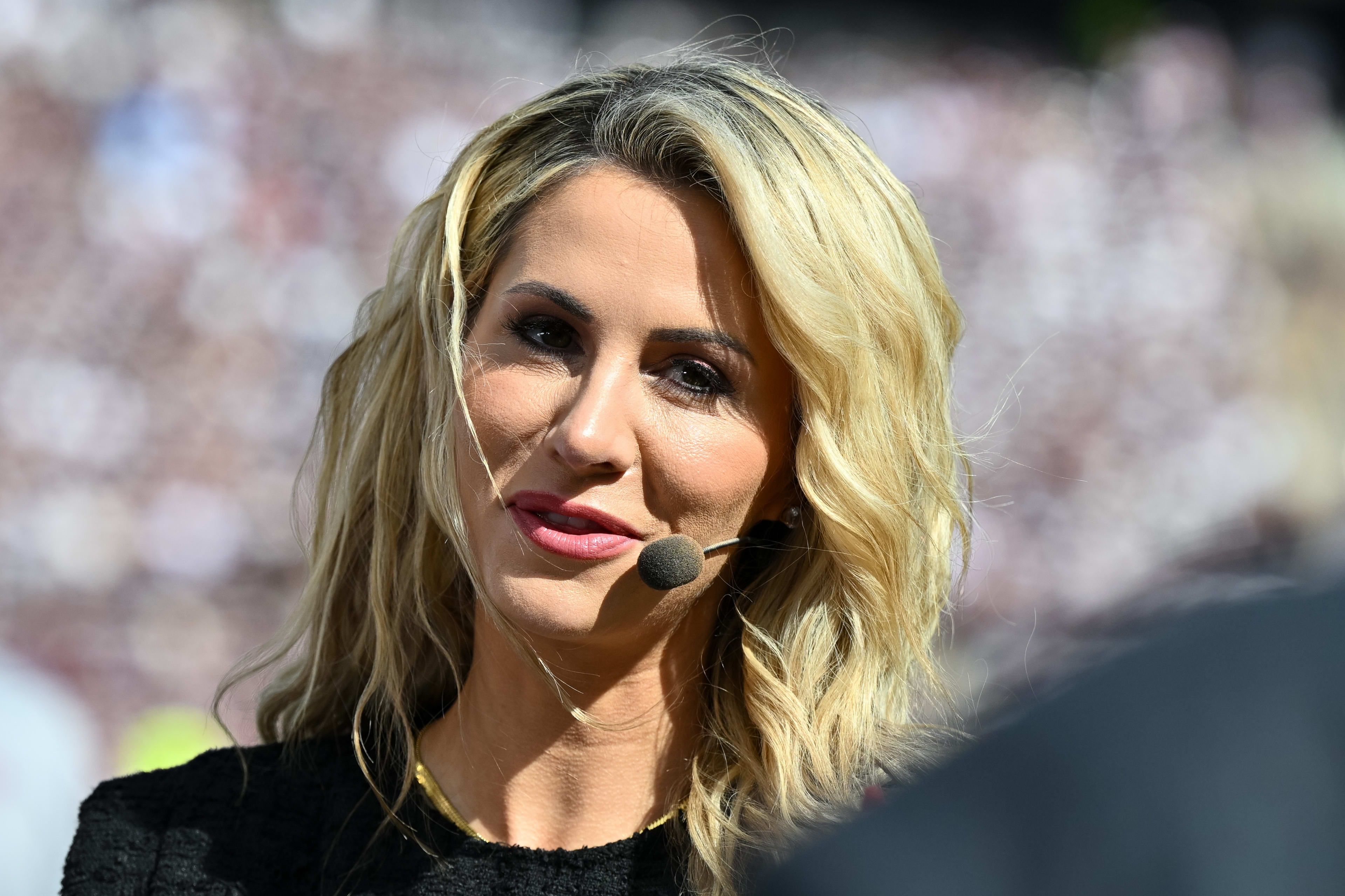
Laura Rutledge Steps Down from Leadership Role After Just Three Months
After a brief tenure of just over three months, Laura Rutledge has made the surprising decision to step down from her leadership position. In a candid statement, she revealed that her departure was influenced by gender-related issues, stating, “Simply because I’m a woman…” This announcement has sparked widespread discussion about the challenges women face in leadership roles, especially in industries traditionally dominated by men.
Understanding Laura Rutledge’s Decision: “Simply Because I’m a Woman”

Laura Rutledge’s abrupt resignation has brought to light the persistent barriers women encounter in leadership. Her explanation, “Simply because I’m a woman,” underscores the subtle and overt biases that can undermine female leaders. Despite her qualifications and dedication, Rutledge faced obstacles that many women in similar positions recognize all too well.
This situation is not unique to Rutledge. Across various sectors, women leaders often confront skepticism, unequal opportunities, and a lack of support. These challenges can lead to frustration and burnout, prompting talented women to reconsider their roles or leave leadership positions altogether.
Rutledge’s experience highlights the urgent need for organizations to foster inclusive environments where women can thrive without facing gender-based discrimination. Her decision serves as a reminder that leadership diversity is not just about representation but about creating equitable conditions for success.
The Broader Implications for Women in Leadership Roles

The news of Laura Rutledge stepping down resonates beyond her personal story. It reflects a systemic issue that affects many women striving for leadership positions. Gender bias, whether conscious or unconscious, continues to influence hiring, promotion, and retention practices.
For companies and institutions, Rutledge’s departure is a call to action. It emphasizes the importance of implementing policies that support gender equality, such as mentorship programs, bias training, and transparent evaluation criteria. Encouragingly, some organizations are making strides in these areas, but there is still significant work to be done.
Moreover, Rutledge’s statement encourages open conversations about the realities women face in leadership. By sharing her experience, she empowers others to speak out and advocate for change. This transparency can help dismantle stereotypes and foster a culture where leadership is accessible to all, regardless of gender.
How Organizations Can Support Female Leaders
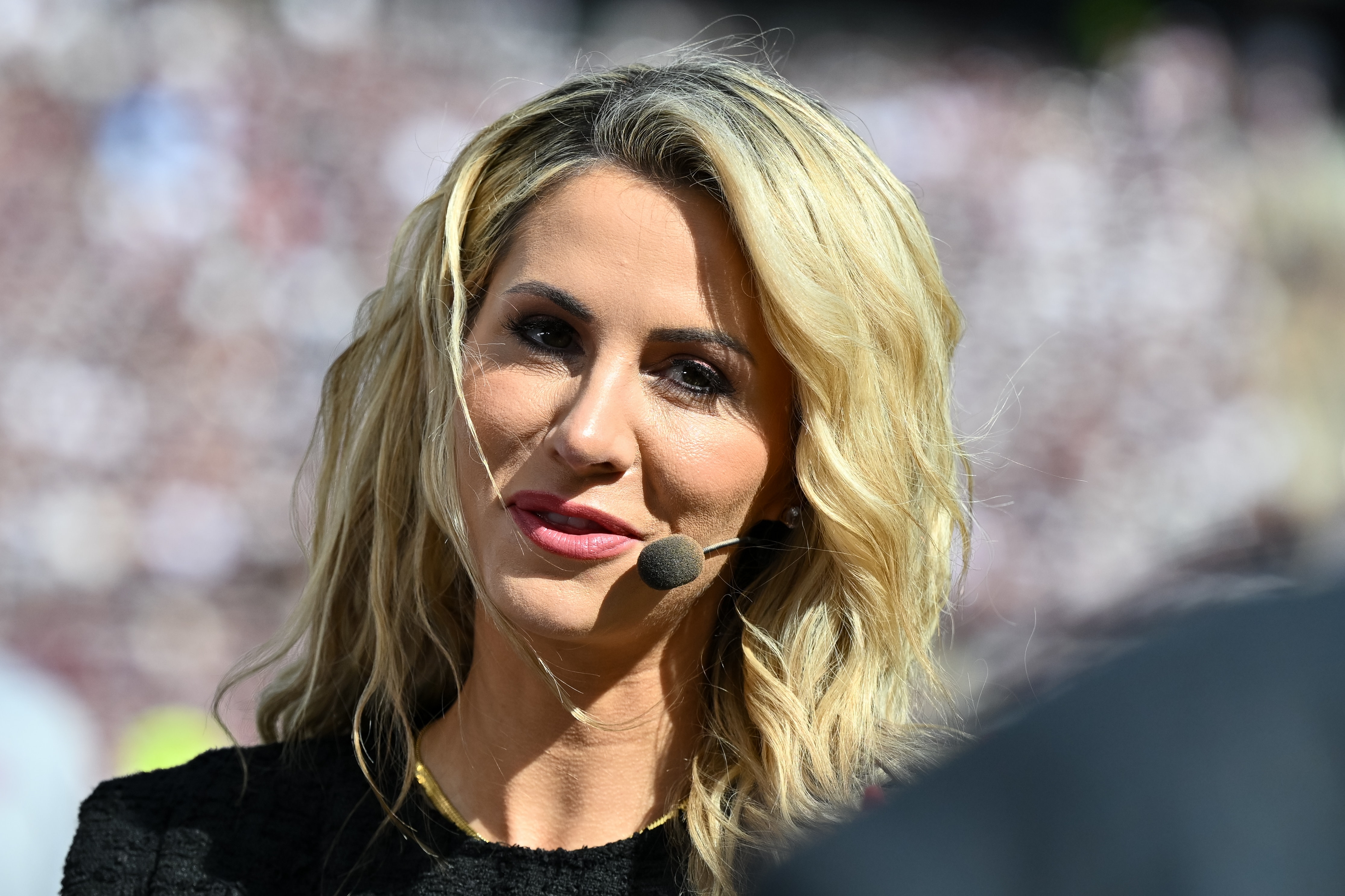
To prevent situations like Laura Rutledge’s, organizations must actively support their female leaders. This support can take many forms:
1. **Creating Inclusive Cultures:** Cultivating a workplace environment that values diversity and inclusion helps women feel respected and valued.
2. **Providing Mentorship and Sponsorship:** Experienced leaders can guide and advocate for women, helping them navigate challenges and advance their careers.
3. **Addressing Bias:** Regular training and awareness initiatives can reduce unconscious bias in decision-making processes.
4. **Flexible Work Policies:** Offering flexible schedules and family-friendly policies can help women balance professional and personal responsibilities.
5. **Transparent Career Paths:** Clear criteria for promotions and evaluations ensure fairness and reduce ambiguity.
By implementing these strategies, organizations can retain talented women leaders and benefit from the diverse perspectives they bring.
Conclusion
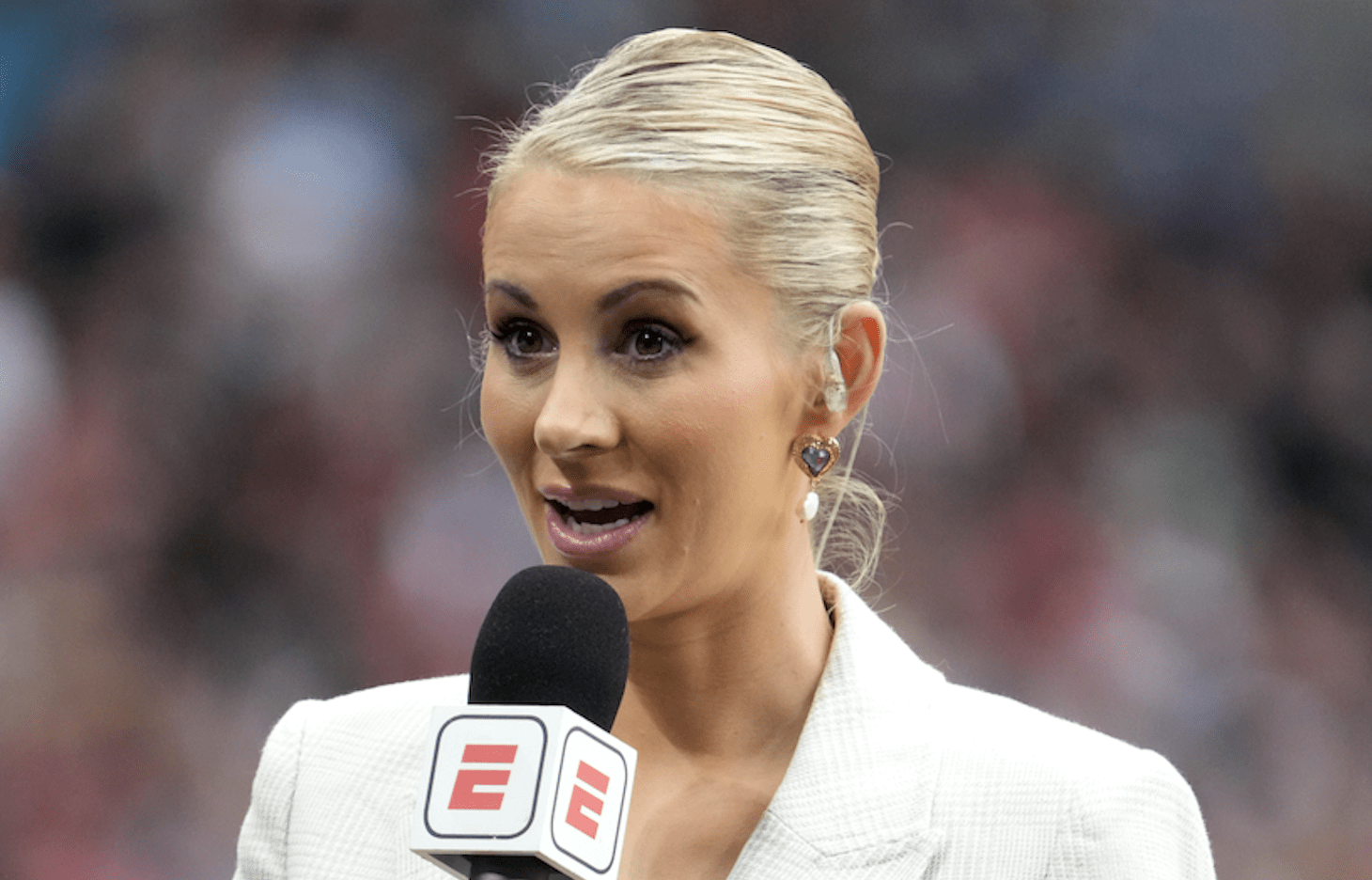
Laura Rutledge’s decision to step down after just three months, citing gender-related challenges, shines a spotlight on the ongoing struggle for women in leadership roles. Her experience serves as a powerful reminder that achieving gender equality in leadership requires more than just placing women in positions of power—it demands systemic change and unwavering support.
If you are a leader or organization committed to fostering gender equality, now is the time to take meaningful action. Embrace inclusive practices, listen to the experiences of women like Rutledge, and create environments where every leader can succeed regardless of gender. Together, we can build a future where leadership truly reflects the diversity of talent available.
Take the first step today—evaluate your organization’s culture and policies to ensure they empower women leaders to thrive.