Fox News’ Jesse Watters Admits Mistake in Program Claiming Newsom Lied About Trump Call

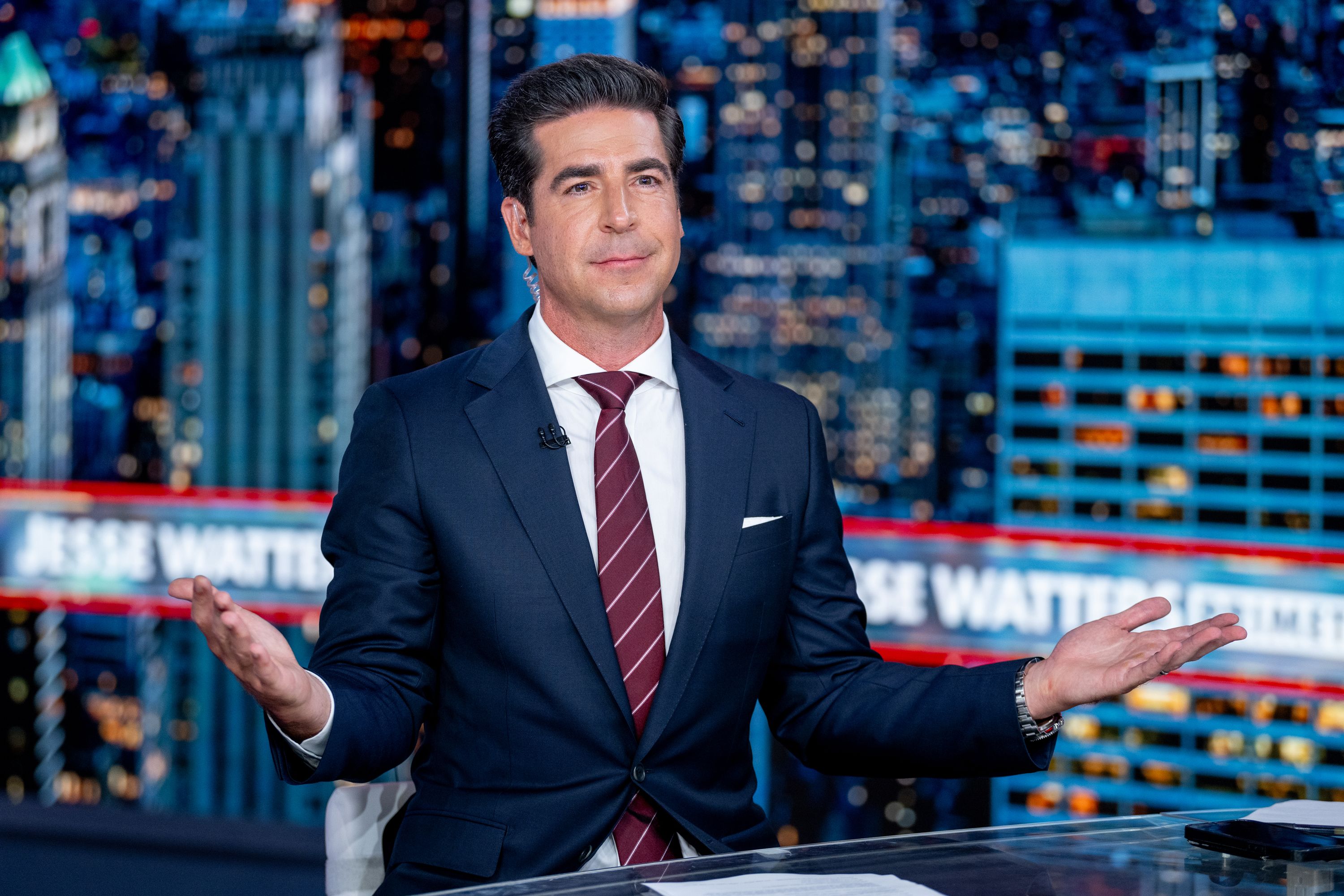
In a recent twist of events that has drawn considerable media attention, Fox News host Jesse Watters acknowledged his error regarding California Governor Gavin Newsom’s comments about a phone conversation with former President Donald Trump. This acknowledgment followed Newsom’s filing of a staggering $787 million defamation lawsuit against both Watters and Fox News, accusing them of misrepresenting not just the timeline but also the substance of the conversation amid escalating tensions over immigration raids in Los Angeles.
Understanding the Context of the Controversy

To fully grasp the implications of this controversy, it’s essential to understand the context. Governor Newsom’s comments came against the backdrop of a heated debate about immigration policies and the associated political maneuvers at the state and national levels. The friction intensified when Trump commented on their supposed phone call, which seemed to coincide with plans for deploying National Guard troops to address the crisis in Los Angeles. This backdrop served as fertile ground for misunderstanding and miscommunication, significantly escalating the narrative.
Watters addressed the situation on a Thursday broadcast where he candidly admitted his misunderstanding of Newsom’s social media post regarding their communication. He initially interpreted Newsom’s comments as a denial of any conversation taking place, which ultimately led to his erroneous assertion that the Governor had lied. However, Newsom clarified that they did indeed have a conversation on June 7, just days before Trump’s comments were made. This misrepresentation hit a nerve, particularly in a political climate rife with scrutiny over media accuracy and accountability.
The Legal Implications of Miscommunication

The defamation lawsuit filed by Newsom illuminates broader issues surrounding the responsibility of media hosts and their interpretations of political figures’ statements. In his response to a question about Watters’ admission of miscommunication, Newsom’s legal team indicated they would be willing to withdraw the lawsuit if Fox News formally retracted their erroneous statements and offered an apology. Yet, despite the potential for resolving the situation outside of court, Newsom seemed unfazed, quipping, “Discovery will be fun; see you in court.” This assertive response reflects not only his stance on the accuracy of the information presented but also his willingness to hold media outlets accountable for their narratives.
Political Tensions and Media Narratives

The incident between Watters and Newsom encapsulates the fraught relationship between political figures and media outlets, especially regarding how statements are crafted, interpreted, and disseminated during politically charged events. Watters, while acknowledging the misunderstanding, maintained his characteristic on-air persona, inviting Governor Newsom to communicate more clearly in the future. This exchange underscores the ongoing challenges of media reporting, where subjective interpretations can lead to significant ramifications for both politicians and media personnel.
Furthermore, this controversy brings light to the broader implications of miscommunication in media, particularly concerning sensitive political issues. As human perception and bias influence how information is portrayed, the onus falls on media personalities to strive for accuracy in their interpretations. The outcome of this case may influence how political narratives are shaped in the public sphere going forward, raising questions about the ethical responsibilities that media figures hold in presenting factual information.
Conclusion
The unfolding conflict between Jesse Watters and Gavin Newsom serves as a poignant reminder of the critical intersection between journalism and political discourse. It not only highlights the need for precision in how stories are reported but also reflects the larger narrative surrounding trust in media. As this situation continues to develop, both parties will likely keep a close eye on the legal proceedings while the public watches the implications for media representation unfold. For anyone interested in how these dynamics impact our understanding of political events, staying informed and engaged is crucial. Don’t miss out on following this evolving story that could reshape media accountability and political narratives related to Trump’s administration.


