Is Jimmy Fallon’s ‘The Tonight Show’ Also at Risk of Cancellation?

The landscape of late-night television has shifted dramatically in recent years, leaving fans and industry insiders questioning the fate of beloved shows. Following the recent news regarding the cancellation of “The Late Show with Stephen Colbert,” many are turning their gaze towards “The Tonight Show Starring Jimmy Fallon.” Despite swirling rumors about its stability, Jimmy Fallon’s show seems to hold a secure position for the foreseeable future thanks to a lucrative contract extension with NBC that runs until 2028.

Even with certainty surrounding his contract, Fallon’s show has not been without challenges, especially in light of decisions affecting programming structures. For instance, the frequency of “The Tonight Show” has been altered, transitioning from a five-night to a four-night weekly schedule. Such adjustments often stem from wider budget cuts within networks that are trying to navigate the complexities of modern television viewership and economic realities. This shift begs the question: how sustainable are traditional late-night formats in today’s rapidly evolving media environment?
Is Budgeting Impacting Late-Night Shows?
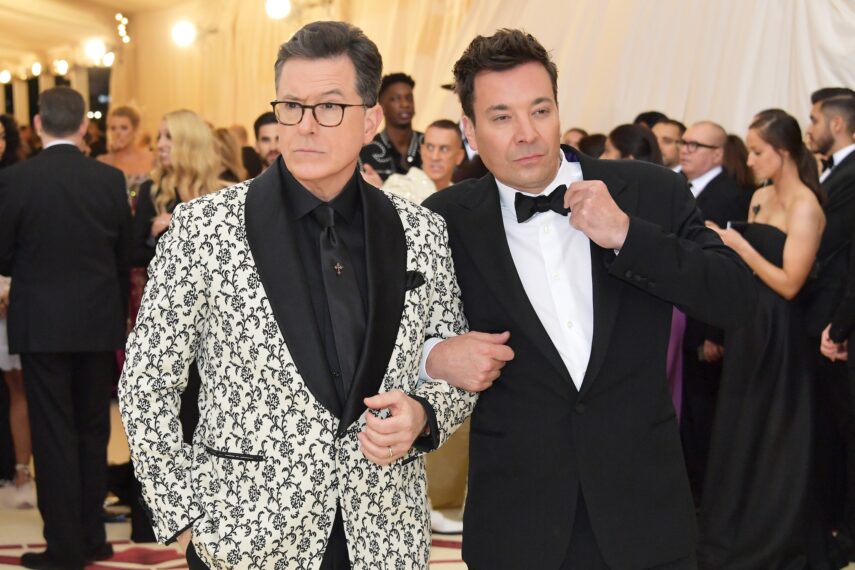
- In recent months, industry insiders have begun to express concerns about whether the current late-night structure can endure amidst these budgetary constraints.
- These budget cuts not only affect how often shows air but also the resources available for production, which can lead to a decline in quality and viewer engagement over time.
- Fallon has publicly stated that his primary focus remains on providing entertainment rather than delving deeply into political discourse, which some believe sets him apart in the competitive late-night arena.
- However, industry trends indicate a possible pivot towards programming that incorporates political commentary, often resulting from audience preferences that have swung toward more politically charged content.
The Political Climate’s Influence on Late-Night Television

Controversy has plunged late-night programming into chaos lately, particularly surrounding the abrupt cancellation of Stephen Colbert’s show. Speculation runs rampant that political elements were at play in Colbert’s departure, especially given a recent legal settlement involving CBS and Donald Trump. Such unsettling dynamics illustrate how closely intertwined politics and entertainment have become.

In contrast to Colbert, Fallon has strategically distanced himself from overt political engagement, favoring a style that prioritizes lighter, comedic content over hard-hitting commentary. Although this approach has served him well so far, some network sources posit that ratings and viewer engagement will ultimately dictate the longevity of any late-night host. As audiences become increasingly polarized, the balance between entertaining and offending may become even more precarious for network executives.
Where Does This Leave Jimmy Fallon’s Future?

While Fallon may currently find himself in a secure position, the state of his show—and indeed, the late-night television landscape as a whole—remains uncertain. The changing tides of viewership and network strategies pose a significant challenge for all hosts, regardless of their current status. Viewership metrics will be crucial in determining who remains and who faces cancellation in the future.

In summary, although Fallon’s future with “The Tonight Show” seems firmly established due to his contract, the shifting economic and political climate could pose new challenges as time progresses. Fans of late-night television will be watching closely as this narrative unfolds, influenced by both the desires of audiences and the inner workings of television networks.
As we move further into an unpredictable future for late-night shows, it remains essential to engage with your favorite hosts and support their perilous journey through entertainment’s current landscape.


