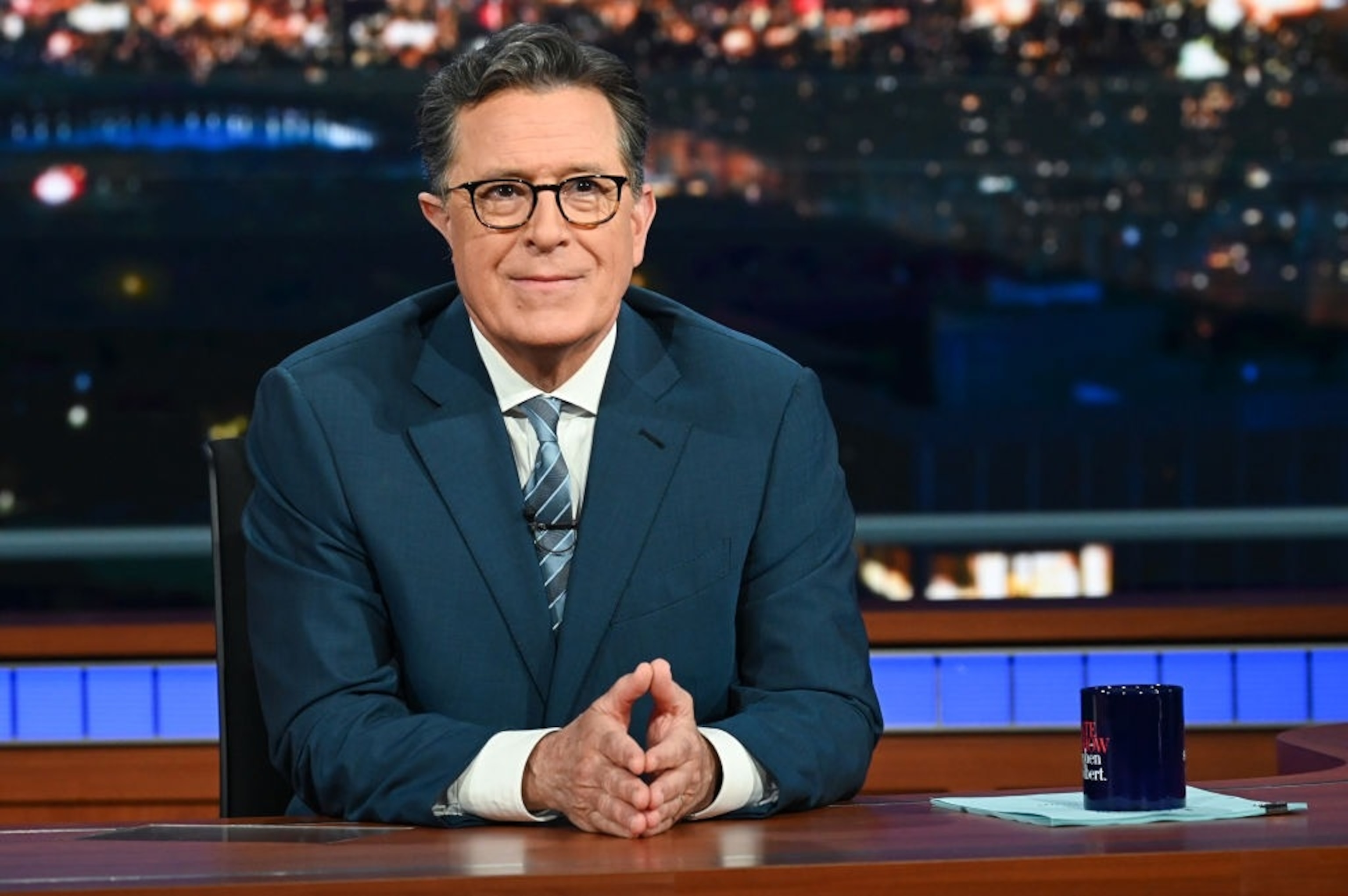
CBS Host Pours Cold Water on Liberal Outrage Over Colbert Cancellation, Says Late-Night Industry is ‘Broken’

The recent discussions surrounding the cancellation of Stephen Colbert’s late-night show have prompted a wave of liberal outrage, with many fans expressing their dissatisfaction and questioning the decision. However, a CBS host has taken a different stance, asserting that the late-night television industry is fundamentally “broken.” This statement sheds light on the evolving landscape of late-night programming and its intricate relationship with audience expectations and societal commentary.
The Changing Landscape of Late-Night Television

Late-night television has undergone significant transformations over the past decade. Once dominated by traditional formats that relied heavily on celebrity interviews and comedic monologues, the landscape has shifted dramatically. Audiences now crave content that is more than just surface-level entertainment. They seek substance, relevance, and connections to pressing societal issues.
This shift has created a rift between what networks provide and what viewers want. It’s not just about funny skits anymore; the audience desires content that speaks to their realities and preferences. CBS’s decision to cancel a show like Colbert’s reflects this complexity—viewers expect late-night shows to tackle societal themes head-on rather than retreating into comedic safety.
What Does ‘Broken’ Mean for Late-Night Shows?

The CBS host who commented on the Colbert cancellation articulated that the late-night industry is “broken.” But what does this mean for the future of such shows? The term “broken” suggests that the industry is misaligned with the expectations of its audience. Some key aspects that contribute to this perception include:
- Declining Viewership: Many late-night shows have faced declining ratings as audiences seek out alternative entertainment options. Streaming platforms and social media have altered how viewers consume content, making traditional late-night programming less relevant.
- Repetitive Formats: The reliance on similar formats across various shows can lead to viewer fatigue. When shows don’t innovate or evolve, they risk losing the interest of their audiences.
- Societal Disconnect: As societal issues become more pronounced, audiences want their late-night hosts to address real-world challenges. If shows continue focusing solely on light-hearted comedy, they may alienate viewers who seek more impactful content.
The Impact of Cancellation on Comedy and Commentary

The cancellation of high-profile shows like Colbert’s raises questions about the potential impact on comedic commentary as a whole. For many, late-night comedy serves as a crucial platform for discussing political and social issues, challenging the status quo, and providing satire that resonates with the public. The fear is that each cancellation could result in a silencing of diverse voices in comedy.
Moreover, as networks adjust their programming strategies in response to shifting viewer preferences, there is potential for a more curated, yet possibly homogeneous, take on comedy. This could stifle the variety of perspectives and narratives that late-night shows traditionally provided. The question remains: can late-night television adapt to current demands without losing its comedic essence?
Looking Ahead: The Future of Late-Night Television

As discussions continue about the viability of traditional late-night shows, it is essential to consider alternative formats that could appeal to modern audiences. Innovations such as incorporating interactive elements, engaging with social media trends, or even creating on-demand segments tailored to specific interests could reinvigorate the genre.
Moreover, platforms like podcasts and streaming services are paving the way for comedians to explore deeper themes and connect with audiences in different ways. It will be interesting to see how traditional networks adapt to these trends. The industry is at a crossroads, and the decisions made today will influence the direction of late-night television for years to come.
In conclusion, the wave of liberal outrage over the cancellation of Colbert’s show signals a deeper concern regarding the evolution of late-night television. As the CBS host aptly pointed out, the industry is facing challenges that demand innovative solutions. Viewers are craving relevant content that resonates with their experiences and addresses their concerns. Whether late-night television can pivot and adapt will determine its future viability. For fans of comedy and insightful commentary, the hope is that the genre evolves and thrives, offering a range of voices and perspectives for years to come.