CBS Rebukes Anchor Over Tense Interview With Ta-Nehisi Coates

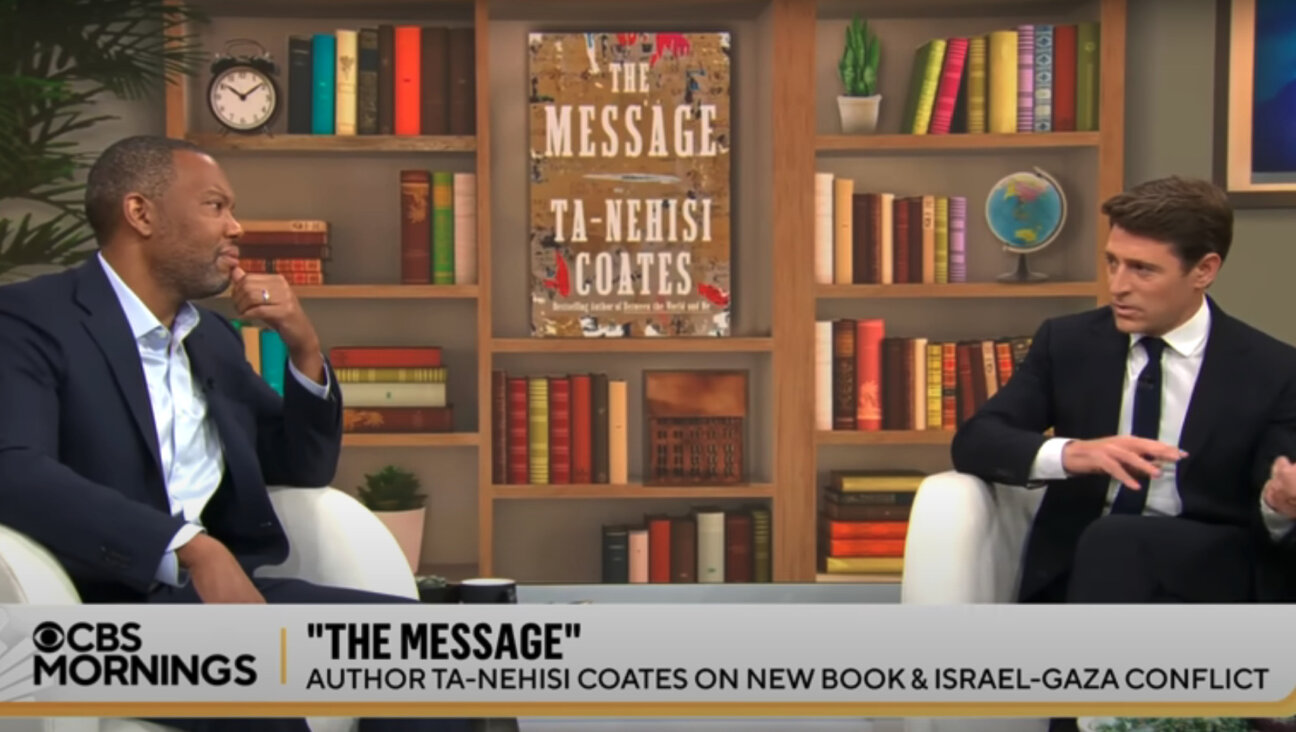
The world of news and media is often fraught with intense discussions, and when it comes to tackling sensitive topics, the approach of journalists can significantly impact public perception. Recently, CBS faced backlash following a contentious interview between anchor and celebrated author Ta-Nehisi Coates, bringing to light the complexities of race relations, journalistic integrity, and audience expectations. This incident has sparked wider discussions on the role of news anchors in shaping narratives surrounding critical social issues.
The Controversial Interview

The interview in question featured a challenging exchange between CBS anchor and Ta-Nehisi Coates, the acclaimed author of “Between the World and Me” and “The Water Dancer.” During the segment, Coates addressed topics such as systemic racism and the historical context of Black experiences in America. However, the anchor’s confrontational tone and line of questioning led to an uncomfortable atmosphere that some viewers described as disrespectful.
Critics argued that the interview failed to reflect the gravity of the subjects being discussed and instead placed emphasis on confrontation over constructive dialogue. Social media erupted with comments from both supporters and detractors of the anchor, revealing a clear division among viewers about the appropriateness of the interview style.
CBS’s Response to the Backlash

In response to the negative reception, CBS issued a statement addressing the concerns raised by viewers and critics alike. The network emphasized the importance of respectful discourse, particularly when covering significant social issues. CBS acknowledged that the interview did not meet its standards for journalism, which is to foster open and civil conversations about complex topics.
Network executives highlighted that they are reviewing their interview protocols to ensure that future communications maintain a level of respect and consideration, especially in discussions about race and identity. This incident has prompted CBS to assess how anchors approach interviews with high-profile authors and activists like Coates in an effort to avoid similar missteps in the future.
The Importance of Respectful Dialogue in Journalism
At the core of the controversy lies a more significant issue: the obligation of journalists to engage in respectful and informed discourse. As society grapples with various socio-political challenges, media outlets play a crucial role in educating the public. When interviews become confrontational, the opportunity for meaningful discussion is often overshadowed by drama and conflict.
For journalists, navigating sensitive topics requires a balance between challenging guests and allowing them the space to share their perspectives. Anchors must be trained to guide conversations in a way that promotes understanding rather than hostility, especially when covering issues steeped in personal experiences and historical context.
Furthermore, audience expectations are evolving. Viewers today demand authenticity and respect from news anchors. They favor thoughtful journalism that seeks to educate rather than sensationalize. The fallout from this interview serves as a reminder for industry professionals to align their reporting techniques with the values of transparency, respect, and integrity.
Conclusion

The backlash against CBS and its anchor’s handling of the interview with Ta-Nehisi Coates has ignited important discussions about the responsibilities of journalists in today’s media landscape. As the public continues to seek thoughtful and respectful discourse regarding critical issues, news outlets must adapt their approach to meet these rising expectations. Whether you’re a consumer of news or a practitioner within the industry, it’s crucial to advocate for journalism that prioritizes authentic representation and constructive dialogue. Stay informed and demand better from your news sources.


