Fans Calling For Major Changes To ESPN After ‘Barry Sanders’ Disaster

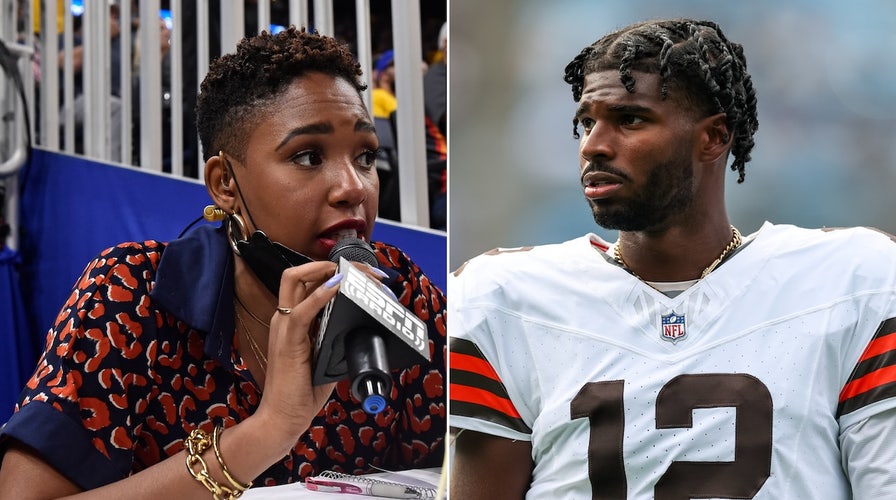
In a recent turn of events, anger has erupted among sports fans over a significant blunder by ESPN during a live broadcast of “First Take.” The incident involved host Monica McNutt, who mistakenly attributed the significance of comedian Druski’s No. 20 jersey to Cleveland Browns quarterback Shedeur Sanders, when it was, in fact, a tribute to the iconic Detroit Lions running back Barry Sanders. This gaffe quickly took social media by storm, sparking widespread criticism and calls for immediate changes within the network.

Druski, quick to correct the misunderstanding, clarified that the jersey was indeed a nod to the legendary Barry Sanders. This embarrassing moment not only drew laughter but also raised serious questions about the sports knowledge and expertise of ESPN’s on-air personalities. Fans flooded social media platforms to express their disbelief, with many wondering how someone could misidentify such a prominent figure in sports history.

Calls for Stricter Hiring Practices at ESPN
In the wake of this incident, there has been an outcry among viewers advocating for stricter hiring protocols at ESPN. Many believe that the network’s commitment to diversity and inclusion has resulted in an alarming focus on personal branding rather than actual sports proficiency. Critics argue that this approach may be contributing to a concerning lack of historical awareness among the hosts and commentators, ultimately hampering the quality of sports journalism seen on the platform.

- Fans argue that ESPN needs to prioritize expertise in sports knowledge over a focus on diversity.
- There are calls to reevaluate the qualifications of on-air personalities to ensure they meet audience expectations.
- Many viewers feel that understanding the sport’s history is crucial for delivering insightful commentary.
The Impact of Historical Awareness on Sports Commentary
This blunder involving Barry Sanders has ignited a broader discussion about the essential qualifications necessary for sports commentators. In an era where sports media heavily influences audience perceptions, fans are demanding more from those who report, analyze, and comment on their favorite teams and athletes. The mix-up raises concerns about whether modern sports journalism is slipping into a place where charisma outweighs knowledge.

Numerous fans have taken to various platforms to voice their opinions, emphasizing that ignorance regarding sports history can create misinformation, ultimately dulling the collective understanding of the game. They argue that the audience deserves commentators who are well-versed in sports legacies, able to engage through depth and insight rather than superficial commentary.

What Lies Ahead for ESPN?
As the dust settles on this controversy, it remains to be seen how ESPN will respond to the growing concerns from its viewers. Will the network acknowledge its missteps and implement necessary changes? This incident serves as a reminder not only of the responsibilities that come with sports media but also of the balance that needs to be struck between diversity initiatives and the need for informed commentary.

In conclusion, ESPN has an opportunity to reevaluate its practices and enhance its commitment to delivering knowledgeable sports commentary. If they take heed of the feedback from passionate fans, it could lead to a revitalization of the network’s approach to hiring and training its on-air talent. Sports enthusiasts are eager to see how ESPN will navigate these waters, and they hope for a renewed focus on expertise in sports journalism moving forward.