Daily Show Star Has Bold Prediction for Colbert’s Future

In a remarkable discussion at the Edinburgh TV Festival, Roy Wood Jr., a notable former correspondent from “The Daily Show,” presented his intriguing insights regarding Stephen Colbert’s future, particularly following the surprising announcement of “The Late Show’s” conclusion scheduled for 2026. Wood’s predictions open the door to various possibilities that may reshape political commentary and late-night television as we know it.
The Potential Shift to YouTube
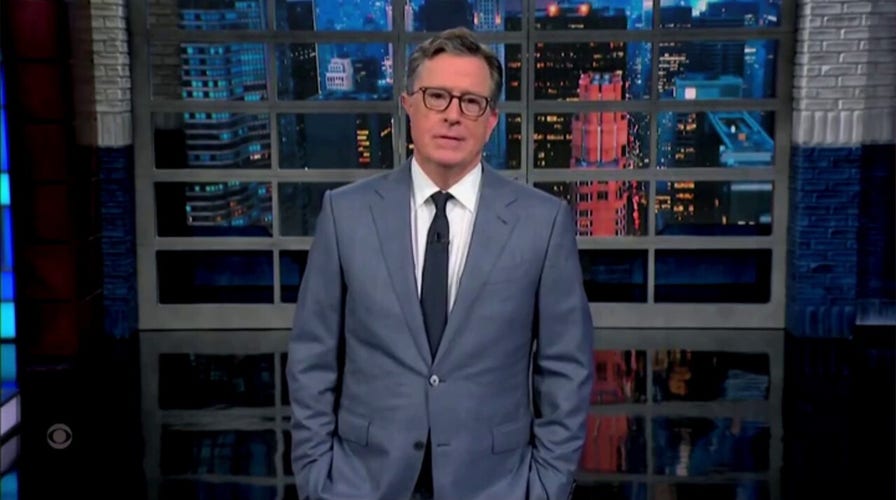
According to Wood, the cancellation of “The Late Show” could pave the way for Colbert to transition to platforms like YouTube, where he might reach a broader audience and explore new creative freedoms. Wood underscores the importance of this shift, suggesting that a strong online presence could significantly impact the political atmosphere, especially in relation to Donald Trump. If Colbert takes this route, Wood speculates that he could cultivate a sizeable following, which could pose substantial challenges for the Trump administration and its supporters.

Wood believes that the traditional networks may not fully comprehend the growing influence of digital platforms in shaping public opinion. He argues that Colbert’s move to YouTube could allow him to engage directly with audiences not just as a late-night host but as a significant online influencer. This evolution in content delivery could change the narrative surrounding political issues and satirical commentary.
Political Pressures and Financial Justifications

In his analysis, Wood touches upon the underlying political pressures that the show and similar programs face, particularly in relation to Trump’s political strategies. He points out that CBS’s rationale for canceling “The Late Show” might have less to do with financial deficits and more to do with external political influences. Notably, industry figures, including Jimmy Kimmel, have voiced skepticism regarding the reported figures of financial losses associated with Colbert’s show, indicating a possible disconnect between corporate narratives and reality.

This doubt surrounding financial explanations raises questions about the nature of corporate decisions in the entertainment industry. Many insiders argue that the merger activity at CBS could be influencing programming strategies as much as, if not more than, actual viewer engagement and revenue performance. Such considerations are crucial when discussing the future of programming and the potential pathways available for Colbert in his career.
The Evolution of Political Satire

Reflecting on his own experiences, Wood draws parallels between Colbert’s trajectory and the evolving landscape of political satire. He asserts that moving away from traditional broadcasting could afford Colbert greater freedom to express his views without the constraints imposed by corporate interests. This sentiment echoes the feelings of many comedians today, who are increasingly leveraging online platforms to share their voices and perspectives. In an era where public discourse is shaped significantly by alternative media, comedians can become powerful forces in influencing political dialogue.

As Wood elaborates, this redefined outlet for political commentary can change how audiences engage with serious issues. Colbert’s unique satirical style could find new life on platforms where he can connect more intimately with viewers, be less inhibited by time constraints, and utilize a range of multimedia formats to amplify his messaging. This shift not only has the potential to broaden Colbert’s reach but also reinforces the idea that comedic commentary plays a crucial role in shaping social and political narratives.
In conclusion, Roy Wood Jr.’s bold predictions surrounding Stephen Colbert’s future illuminate the crucial intersections of politics, media, and comedy. As digital platforms continue to gain prominence, the dynamics of late-night television may undergo significant transformations, changing how satire influences the political landscape. The conversation around these developments is ongoing, and for those keen on following these trends, staying updated with industry movements will be key to understanding the future of political commentary in comedy.


