Trump Again Calls for FCC to Revoke ABC and NBC Licenses

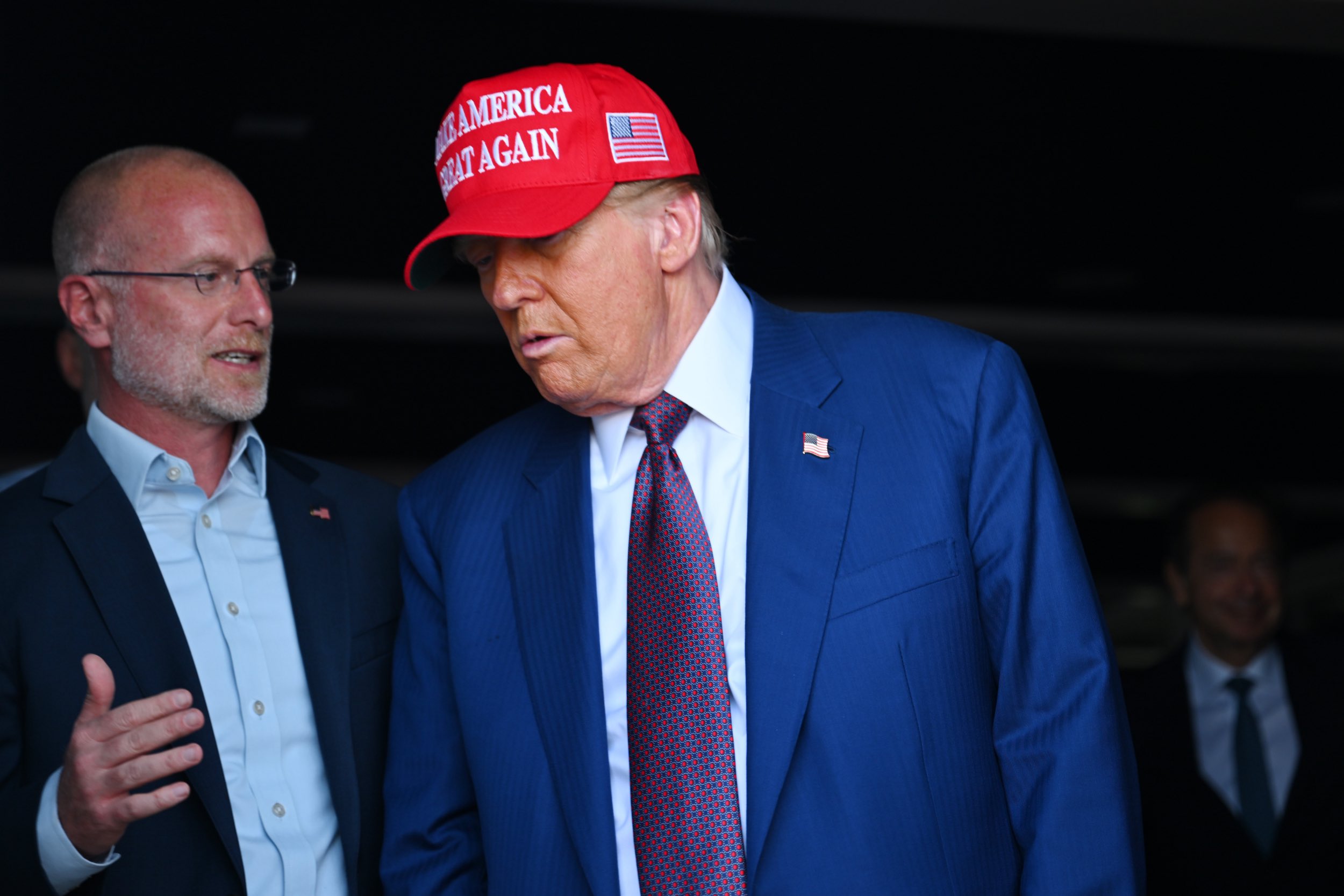
In a recent social media outburst, former President Donald Trump reignited his long-standing feud with major media outlets, specifically targeting ABC and NBC. He urged the Federal Communications Commission (FCC) to rescind the broadcast licenses of these networks, a move reflecting his consistent narrative of claiming biased coverage against conservative viewpoints. Trump’s rhetoric is not just a call to action but part of a broader strategy aimed at repositioning his influence over public discourse and media representation.

The Context Behind Trump’s Demands

On August 25, 2025, Trump highlighted what he perceives as the pervasive negativity directed toward him by ABC and NBC, referring to them as among the “worst and most biased networks.” He expressed concern about the alleged overwhelming percentage of unfavorable coverage that he claims these channels provide. This sentiment aligns with Trump’s previous assertions that mainstream media holds an adversarial stance against conservative individuals and groups, nurturing a narrative of victimhood that resonates with his base.

The FCC, under the guidance of Chairman Brendan Carr, appears to be taking these claims seriously, actively investigating several networks, including ABC and NBC, along with their corporate parent companies, for compliance on issues related to diversity, equity, and inclusion in their reporting. Interestingly, Fox News, which has long maintained a favorable view of Trump and operates under the stewardship of his ally Rupert Murdoch, has largely escaped scrutiny, raising questions about consistency and fairness in these investigations.

Potential Consequences for ABC and NBC
Trump’s call for the FCC to impose harsh penalties on these networks is more than just rhetoric; it carries substantial implications. The idea of revoking broadcast licenses could create significant hurdles for local stations that are legally responsible for holding the licenses of these networks. For instance, Disney, which owns ABC, operates ten local stations, while Comcast, the parent company of NBC, manages thirty-six.

The investigations launched by the FCC open up a Pandora’s box of complications for these media giants. If the FCC continues to pursue this path aggressively, these networks may encounter obstacles in future business operations, mergers, or acquisitions that require FCC approval. This could destabilize corporate strategies and pivot the focus of ABC and NBC away from entertainment and news toward compliance with government regulations and scrutiny.
The Broader Implications of Trump’s Influence
This controversy is emblematic of the evolving relationship between politics and media. Historically, the FCC has operated with a degree of independence, insulated from political spins. However, the current alignment of Chairman Carr with Trump’s rhetoric signifies a potential shift toward the politicization of regulatory bodies. This raises critical questions about the balance of power and the integrity of institutions designed to function independently of political pressure.

Moreover, Trump’s push against networks like ABC and NBC has historical precedents. In the past, channels such as CBS have paid settlements over legal actions initiated by Trump, further illustrating the complexities of his interactions with the media industry. Trump’s demands may prompt discussions about the broader implications on media freedom, the role of regulatory bodies, and the standards of journalism in today’s charged political climate.

Conclusion
The recent calls from Trump to the FCC strike at the heart of the contentious relationship between politics and media in the United States. As investigations unfold, the media landscape may face significant shifts influenced by political agendas. It is crucial for citizens to remain vigilant about the implications of such actions for media liberty and integrity. Engage in discussions about media ethics and governmental oversight; your voice matters in shaping the future discourse around freedom of speech and the media’s role in democracy.