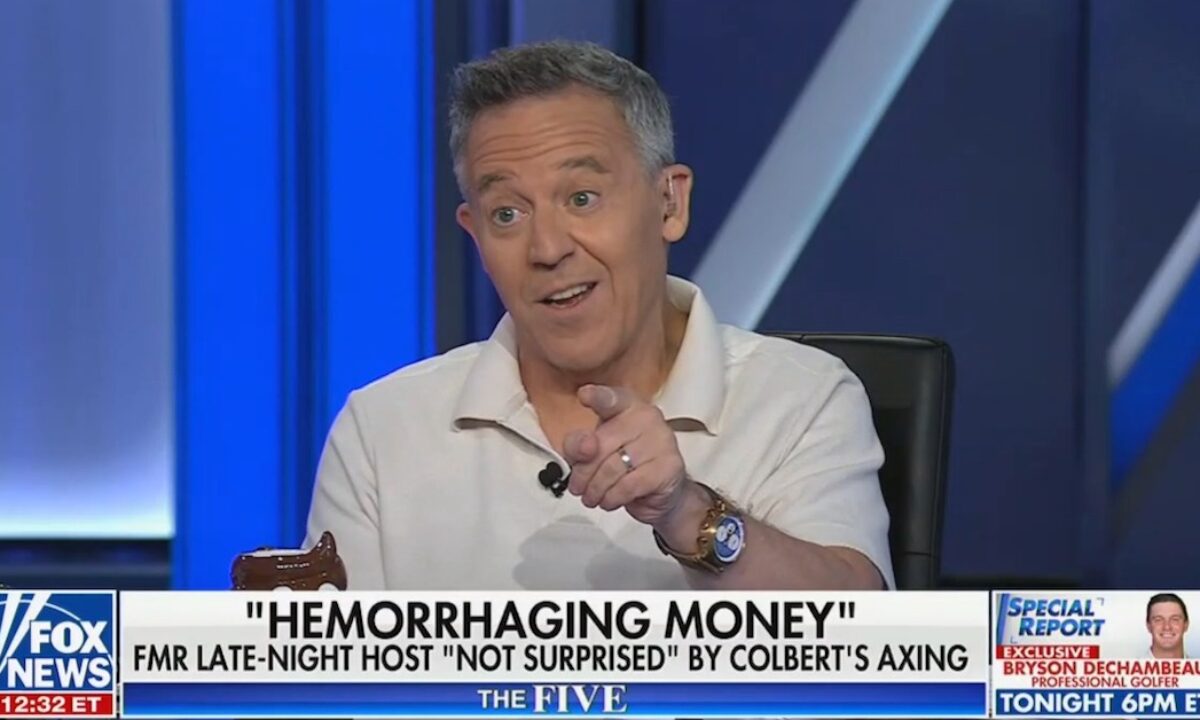
Greg Gutfeld caused a stir by claiming that his appearance on The Tonight Show would save Jimmy Fallon’s show from being CANCELED. What makes him so confident?

In a recent interview that raised eyebrows and sparked debates among fans and critics alike, Greg Gutfeld, host of his own late-night show, confidently asserted that his upcoming appearance on The Tonight Show could be the lifeline that Jimmy Fallon desperately needs to keep his show from being canceled. This bold statement not only caught the attention of viewers but also showcases the complexities of late-night television ratings and audience preferences.
The Context: Jimmy Fallon’s Struggles

Over the past few years, Jimmy Fallon has faced significant challenges in maintaining his audience ratings against an array of competitive late-night shows. While Fallon initially rose to fame with a unique blend of comedy, celebrity interviews, and light-hearted skits, the changing landscape of television dynamics poses a challenge for his longevity. With his show reportedly facing declining viewership numbers, there has been constant chatter about the potential cancellation of The Tonight Show.
Gutfeld’s claim brings attention to the precarious situation in which late-night television hosts find themselves, especially in an era where streaming platforms and online content are becoming more dominant. Ratings have become more volatile, and hosts recognize that the appeal of their shows needs to evolve in tandem with audience preferences. Gutfeld’s assertion brings a timely discussion about collaboration, guest appearances, and their effects on ratings.
Why Greg Gutfeld Believes He Can Make a Difference

So, why does Gutfeld think he can turn the tides for Fallon? For starters, Gutfeld’s own show has been performing exceptionally well in the ratings department, particularly among younger audiences. His unique approach to news and commentary, mixed with humor and a dose of irreverence, has resonated with viewers who might be seeking an alternative to traditional late-night fare.
- Audience Appeal: Gutfeld’s ability to connect with a demographic that has been drifting away from conventional programming is noted as a potential boost for Fallon’s show.
- Network Synergy: Gutfeld’s appearance is more than just a guest spot; it represents a strategic collaboration that could encourage viewers from his fanbase to switch channels and watch Fallon, thus increasing overall viewership for both shows.
- Breaking the Mold: Gutfeld’s distinct style and comedic timing might provide Fallon the shock factor required to rekindle interest among viewers who may have lost touch with the series.
The Impact on Late-Night Television

Gutfeld’s bold assertion highlights an essential conversation about the future of late-night television. His confidence draws attention to how collaboration and crossover appearances can be crucial survival strategies in an industry where ratings can fluctuate dramatically week by week. Gutfeld’s potential influence extends beyond just ratings; it signifies a changing tide in audience expectations and the type of content that gains traction.
In sharing the spotlight, both hosts might tap into new audiences and diversify their viewership. Collaborations between different shows could become a standard practice, as networks look for innovative ways to revitalize their programs and retain viewer interest. As such, Gutfeld and Fallon could pave the way for other hosts to engage cross-show appearances, opening new outlets for creativity and audience engagement.
Moreover, late-night shows are no longer solely about monologues and celebrity interviews; they are becoming hybrid platforms that address social issues, entertainment, and culture. In this climate, Gutfeld’s willingness to lend his star power to Fallon’s platform illustrates the potential for blending differing comedic styles and presenting new content that appeals to an ever-evolving audience.
Viewer Reaction and Industry Speculation

Viewer reactions to Gutfeld’s claim have been a mixed bag, reflecting the polarized opinions surrounding both hosts. Fans of Gutfeld are optimistic, believing that his humor could invigorate Fallon’s show and introduce a fresh dynamic. Conversely, Fallon’s loyal supporters express concern, fearing that a shift in style may stray too far from the wholesome entertainment they came to appreciate.
The industry is observing closely as well, weighing in on how this collaboration could shift the landscape of late-night television. Some experts suggest that if Gutfeld successfully enhances Fallon’s viewership, we may see more strategic crossover appearances among shows in the future, which could sway production strategies for other late-night hosts.
Conclusion
Ultimately, whether or not Gutfeld can indeed save Jimmy Fallon’s show from cancellation remains to be seen. However, his claim underscores the fluid nature of late-night television, where ratings can change in an instant, and collaboration may be the key to keeping audiences engaged. As the discussion unfolds, viewers and industry leaders alike will be keenly watching Fallon’s upcoming episodes post-Gutfeld’s appearance. Stay tuned for what could be a pivotal moment in late-night programming.


