How Is CBS Marking October 7? By Admonishing Tony Dokoupil

As the world turns its gaze to October 7, CBS News has marked this date with significant internal discussions regarding the responsibilities of its journalists. A notable point of contention emerged recently following an interview between CBS journalist Tony Dokoupil and acclaimed author Ta-Nehisi Coates. During their conversation, which aired on September 30, the media spotlight shone brightly on Coates’ provocative new book, “The Message,” which takes a rather one-dimensional approach to the complexities of the Israeli-Palestinian conflict.
In a bold move, Dokoupil questioned Coates on elements of the Israeli occupation often overlooked in mainstream discourse. His intention was to foster a deeper understanding of the nuanced realities on the ground. However, the questions he posed invited a wave of backlash from within the CBS network, raising concerns that the mere act of challenging established narratives surrounding Israel might be seen as controversial or unwelcome within the corporate culture of CBS.
The Controversy of Challenging Narratives

The aftermath of this interview has sparked heated debates not only among CBS staff but also among viewers and commentators alike. The core of the controversy lies in whether media outlets, while striving for journalistic integrity, can afford to press for deeper truths, especially on sensitive topics such as international relations and ethnic conflicts.

Dokoupil’s questioning of Coates dissected the nuances of a topic that many would shy away from. By doing so, Dokoupil aimed to highlight the complexity often sidelined by simplified narratives. The backlash he faced suggests that there are significant internal pressures on journalists to avoid crossing certain lines—perhaps out of fear of repercussion or backlash from both sides of a deeply polarized societal issue.
The Implications of Journalistic Integrity

At its essence, this incident reflects broader concerns regarding journalistic integrity, the responsibility held by media professionals, and the ever-increasing scrutiny placed upon them. The fallout from the interview underscores a real tension between upholding ethical journalism standards and conforming to corporate pressures that may inhibit open discussion of sensitive topics, such as antisemitism, foreign policy, and the Israeli-Palestinian conflict.

Media organizations today face the daunting task of balancing the duty to inform the public while navigating the intricate web of political and social biases that affect public perception. This raises crucial questions: Are journalists free to investigate complex truths? Or are they constrained by a hyper-sensitive culture that prioritizes corporate image over journalistic responsibility?
The Role of Media in Addressing Sensitive Issues

In recent years, the landscape of news media has transformed, reflecting shifts in societal attitudes toward various issues, including race relations, international conflicts, and human rights. As a platform for discourse, CBS, along with other media outlets, is challenged to take a stand. Engaging with difficult subjects is essential for fostering informed public opinion, yet it often comes at a cost.
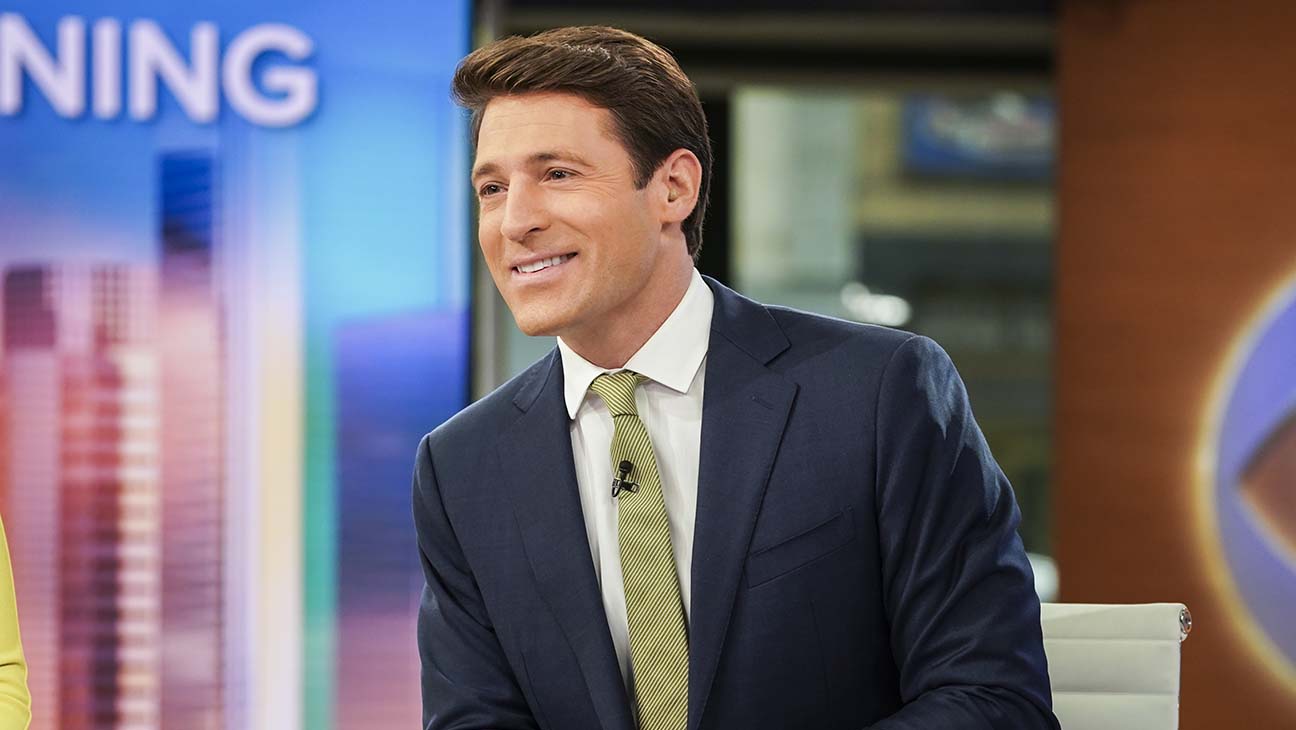
The implications of Dokoupil’s interview provide a glimpse into the internal dynamics of media organizations grappling with public expectations and the nature of news reporting. This incident serves as a reminder of how challenging and fraught the task of delivering objective journalism can be. The debate surrounding this interview illustrates the broader struggle within media circles to navigate delicate subjects, particularly in a polarized environment where opinions often clash.
The incident raises significant questions about the responsibilities of journalists. What is their role in ensuring balanced reporting when faced with prevailing narratives? Is it possible to maintain credibility while being subject to organizational constraints? As CBS reflects on the implications of October 7, it must also confront these fundamental challenges in its newsrooms.
Conclusion

The controversy stemming from Tony Dokoupil’s interview with Ta-Nehisi Coates underscores the delicate balance CBS must strike in addressing complex global issues. It prompts critical discussions about the nature of journalism and the ethical responsibilities that accompany it. As media consumers, we should advocate for comprehensive and honest dialogues within the media landscape. Join the conversation about media integrity and the importance of challenging difficult narratives in today’s journalism by engaging with your local news outlets and sharing your thoughts on these pressing issues.