Laura Rutledge Makes ‘Embarrassing’ Announcement About Her Social Media

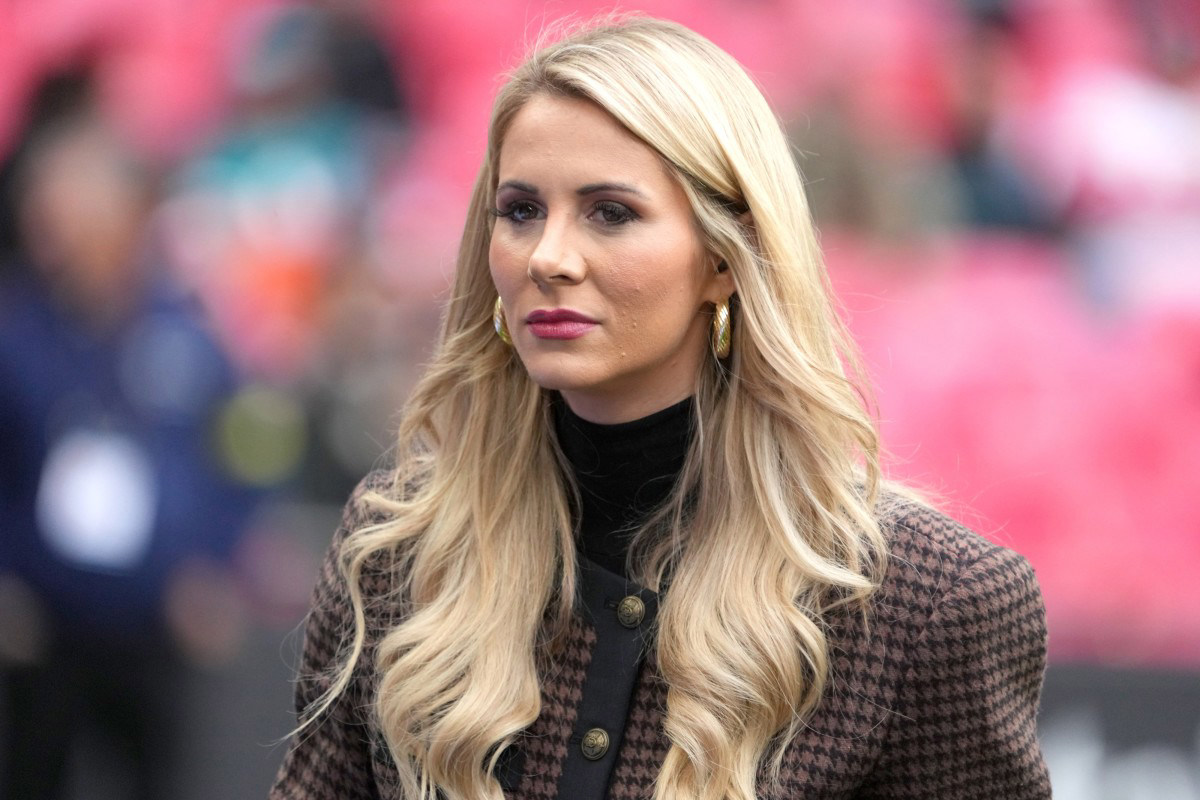
In a surprising and humorous revelation, ESPN’s Laura Rutledge recently shared a story that combines her personal life with the quirks of social media. During an interview, she unveiled a past incident that many fans may find both relatable and entertaining: she created a fake Twitter account to support her husband, Josh Rutledge, who is a former MLB player. This amusing account, humorously named “Billy Halo,” was a clandestine effort to post only positive messages about her husband during his time playing for the Los Angeles Angels from 2014 to 2015.

Behind the Scenes of ‘Billy Halo’

Laura Rutledge openly acknowledged her actions, saying, “This is a true story… I know this was wrong,” reflecting on the impulsive decision she made out of love and support for her partner. The primary aim of the account was to defend Josh from negative comments and critiques on social media, especially those aimed at his performance. Laura took it upon herself to share positive statistics and heartfelt messages that highlighted her husband’s strengths in an environment that can often be harsh and unforgiving for professional athletes.

The account operated in relative anonymity for a few months, during which time Laura generated a handful of followers who engaged with her posts. The existence of “Billy Halo” was kept a secret until now, illustrating a unique side of fandom and the lengths people might go to support their loved ones in the highly competitive world of sports.
The Impact of Social Media on Athletes and Their Families
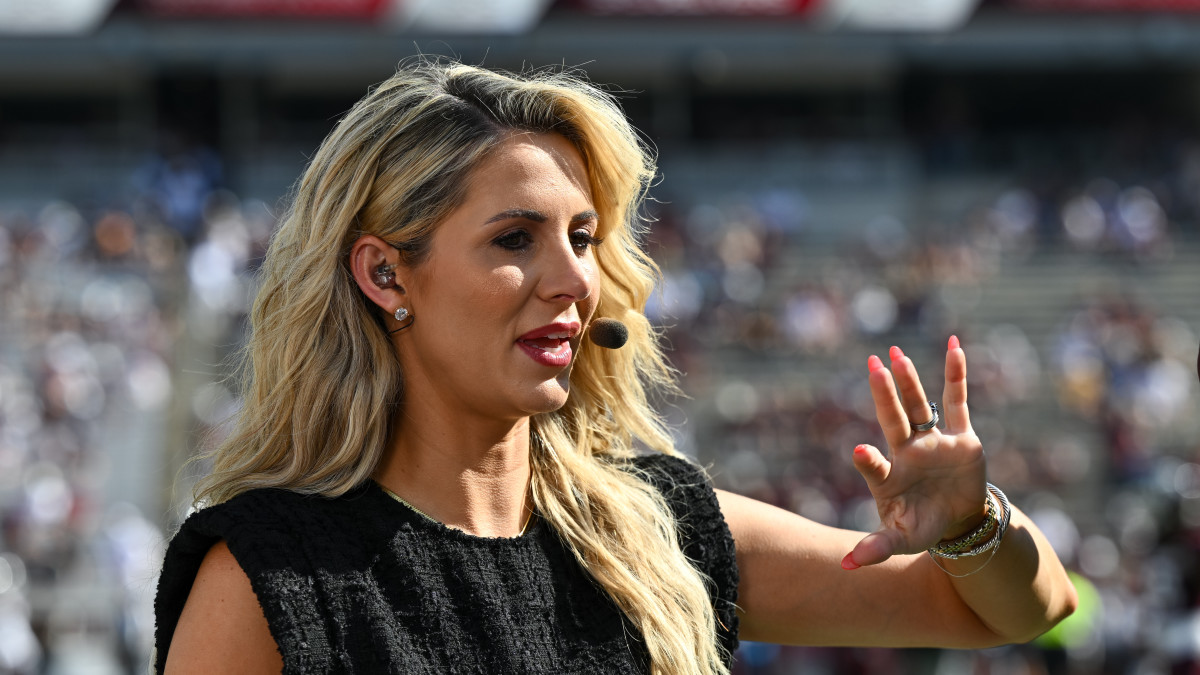
Laura’s lighthearted admission brings to light a compelling issue surrounding social media’s influence on athletes and their families. The digital world often amplifies criticism and scrutiny, particularly for public figures like professional athletes. For spouses and family members, the impact can be challenging. Many understand the pressures that come with being in the spotlight and feel compelled to step in and defend their loved ones, sometimes resorting to unconventional methods like creating fake profiles.
In today’s social media-driven culture, it is not uncommon for fans and even family members to feel the need to protect athletes from unwarranted negativity. This incident with Laura Rutledge exemplifies both the personal challenges athletes face and the support systems that often come from loved ones. Despite the humorous angle of her story, it reveals the pressure that exists in the realm of sports. Fans and families are navigating a complex landscape where they want to cheer for their loved ones while managing the criticisms that come with the territory.
A Lighthearted Take on a Common Experience

Laura Rutledge’s story isn’t just a funny anecdote; it’s a reminder that everyone has moments they might be embarrassed about, especially in the age of social media. By sharing her experience, she not only entertains but also connects with her audience on a personal level. Many can relate to the lengths one might go to show support, even if it means crossing some lines that might seem a bit outrageous in retrospect.
Ultimately, her playful regret about the “Billy Halo” account serves as a reminder of how dedicated fans and family members can be when it comes to supporting their loved ones. It’s important to remember that behind every professional athlete is a network of friends and family who experience the highs and lows with them, often in creative and sometimes embarrassing ways.
Conclusion
Laura Rutledge’s story about her faux Twitter account is a delightful glimpse into the realm of sports fandom and the sacrifices families make to support each other. It opens the floor for discussions on how social media has transformed the way we interact with athletes and how those relationships evolve in the public eye. If you have your own stories of unconventional support for a loved one, or if you want to know more about athletes and their families’ experiences, let’s discuss it in the comments below! Join the conversation today!


