Malika Andrews Refuses To Apologize For Her Political Standing

In the world of sports journalism, Malika Andrews has emerged as a prominent figure, known for her keen insights and articulate commentary. However, her political opinions have sparked extensive discussions, especially as she stands firm in not apologizing for her views. This article will delve into the repercussions of her political stance, the importance of freedom of expression in media, and how her situation reflects the broader discourse surrounding politics in sports.
The Rise of Malika Andrews in Sports Journalism
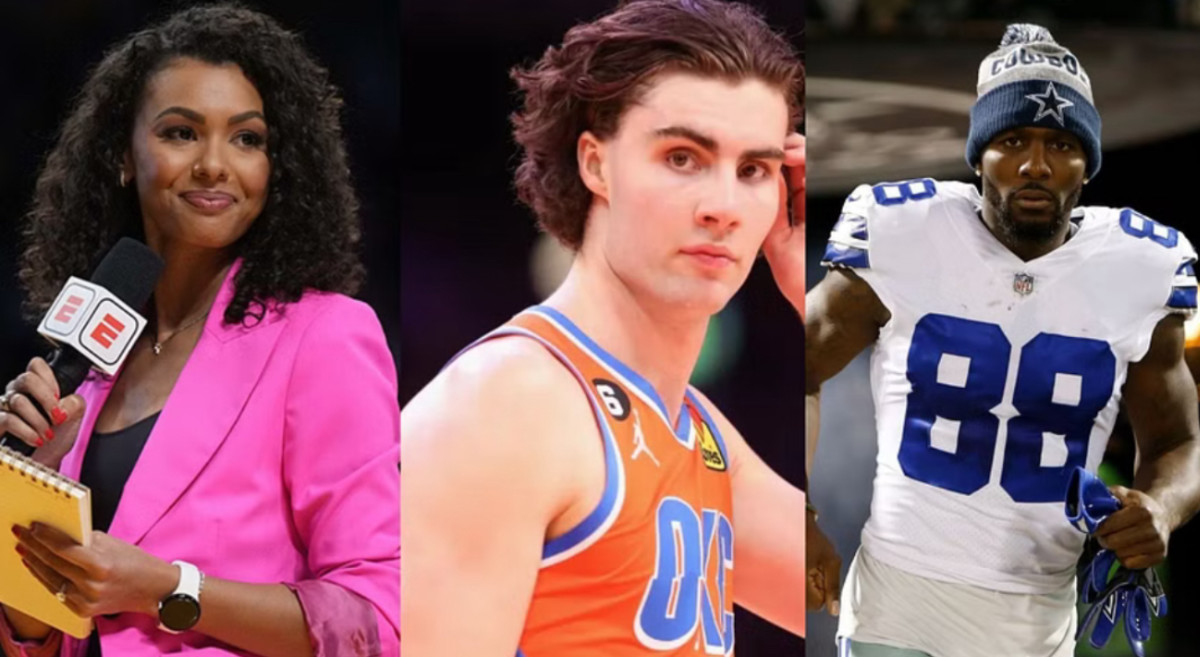
Malika Andrews has made remarkable strides since joining ESPN, quickly gaining recognition for her reporting and hosting duties on programs like “NBA Today.” Her ability to connect with audiences and athletes alike has made her a beloved figure in sports media. However, her public persona also comes with scrutiny, especially when her political beliefs are at the forefront of discussions.
In an environment where many athletes and journalists navigate the intersection of sports and politics, Andrews has not shied away from voicing her opinions. This has induced both praise and criticism from fans and colleagues, highlighting the polarized nature of public discourse today. The backlash she faces serves as a reminder of the challenges journalists encounter when expressing personal beliefs.
The Consequences of Standing Firm

By refusing to apologize for her political standing, Andrews has demonstrated a commitment to authenticity that resonates with many. In a field where many choose to remain neutral to avoid controversy, her willingness to engage in political discussions marks a significant departure from convention. This bold stance, while admirable, does not come without consequences.
Numerous commentators and social media users have expressed their outrage, questioning why a sports journalist should involve herself in political debates. Critics argue that sports should remain a sanctuary free from political influence, suggesting that Andrews’ viewpoint detracts from the objectivity expected in journalism. However, this perspective overlooks the intrinsic connection between sport and society, where political issues inevitably intersect.
- Freedom of Expression: Andrews exemplifies how freedom of expression is crucial for journalists, enabling them to share insights that may challenge the status quo.
- Changing Dynamics: The recent shift in how athletes and journalists alike engage with social issues illustrates that sports journalism is evolving towards a more inclusive dialogue.
- Audience Expectations: Today’s audiences expect authenticity and transparency from journalists, ultimately pushing figures like Malika Andrews to take a stance.
The Broader Implications of Political Stance in Sports

Andrews’ experience is reflective of a broader trend in the sports industry where athletes and sports journalists increasingly engage with political issues. This shift has led to greater debates surrounding the responsibilities of those in the public eye. Critics argue that an athlete or journalist’s role is merely to entertain or inform, while advocates emphasize the moral obligation to address social injustices.
In this evolving dialogue, figures like Andrews play a pivotal role in reshaping public perceptions of sports and politics. As she continues to speak her truth without apology, she empowers others in her field to be more expressive as well. Sports journalism is not devoid of societal context; rather, it embodies the struggles, victories, and challenges faced in our communities.

Furthermore, Andrews’ position highlights the need for greater discourse about how media encompasses a range of topics that transcend sports. Simply put, politics will remain intertwined with athletics, as athletes often serve as role models and influencers who can drive social change. The conversation surrounding political discourse in sports journalism is vital for fostering a more engaged and conscious public.
Conclusion

Malika Andrews’ steadfastness in her political beliefs underscores the critical dialogue surrounding personal expression in journalism. As debates about the intersection of sports and politics continue, her refusal to apologize highlights the importance of authenticity and transparency. For fans and fellow journalists, the message is clear: standing by one’s beliefs is not only a personal choice but a powerful statement in the ever-evolving landscape of media. Engage more with this ongoing discourse and consider how the messages conveyed by sports personalities impact society. Share your thoughts and join the conversation today!


