Laura Rutledge Reveals She Used Burner Account to Defend Husband’s MLB Career

ESPN personality Laura Rutledge recently made headlines by disclosing her secret use of a burner Twitter account during her husband Josh Rutledge’s time in Major League Baseball (MLB). In a candid conversation with journalist Andrew Marchand, Laura admitted that she created the alias “BillyHalo76” specifically to defend her husband and counteract negative comments directed at him during his playing career. This revelation is reminiscent of other public figures, such as NBA star Kevin Durant, who have also been caught engaging in similar online behavior.

The Story Behind Laura’s Burner Account
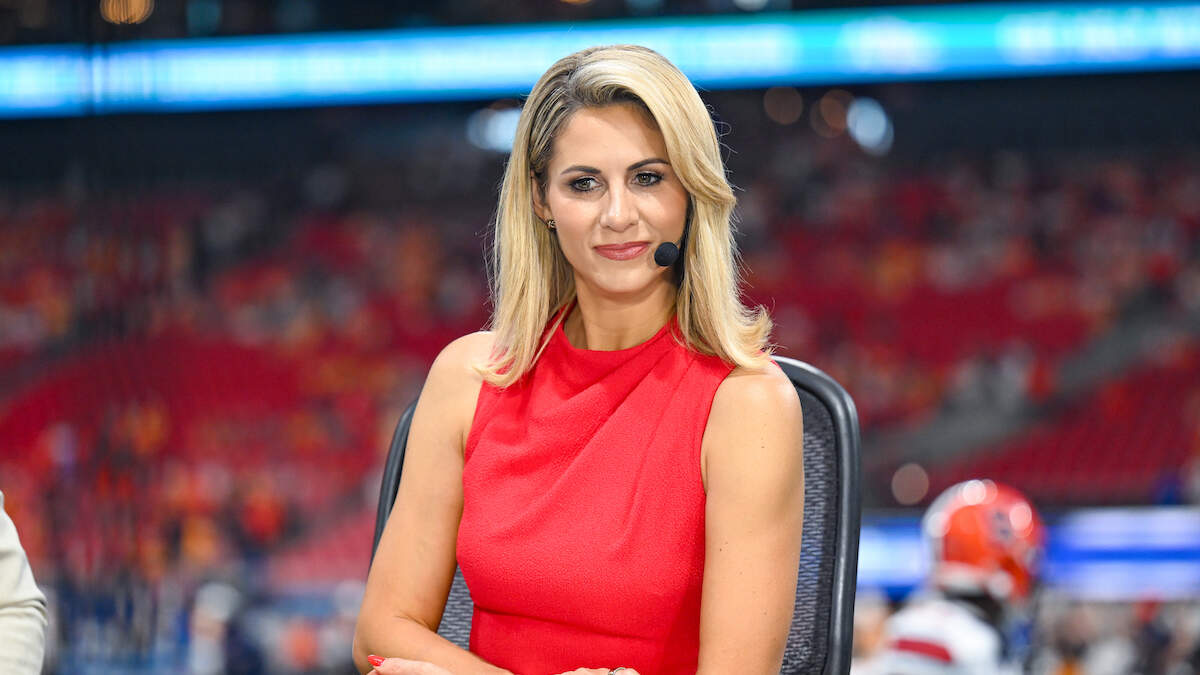
Laura Rutledge’s decision to use a burner account didn’t come from a place of malice or deceit. Instead, it stemmed from a protective instinct toward her husband, who faced criticism as a professional athlete. She shared that through her alias, she aimed to post positive commentary about Josh’s skills and contributions while occasionally tweeting about esteemed players, like MLB superstar Mike Trout, to mask her true identity. “I actually think this Twitter or X handle might still exist,” Rutledge remarked, emphasizing the effort she went through to keep her actions private.

In today’s digital age, social media platforms can be a double-edged sword for public figures. On one hand, they offer a space for fans to engage with athletes, while on the other, they can become a breeding ground for harsh criticism and scrutiny. Laura’s admission not only shines a light on the challenges faced by athletes’ families but also raises questions about the ethics of managing one’s online persona.
The Impact of Social Media on Athletes’ Lives

Social media has transformed the way fans interact with athletes, enabling a more direct connection but also subjecting them to instantaneous feedback—both positive and negative. For Josh Rutledge, who played in the MLB from 2012 to 2017, the pressures were amplified by the savvy of sports commentators and fans alike. The constant chatter could weigh heavily on an athlete’s mental health and performance. Laura’s method of shielding her husband from critiques through a burner account offers a glimpse into the lengths some people will go to defend their loved ones in the harsh spotlight of sports.
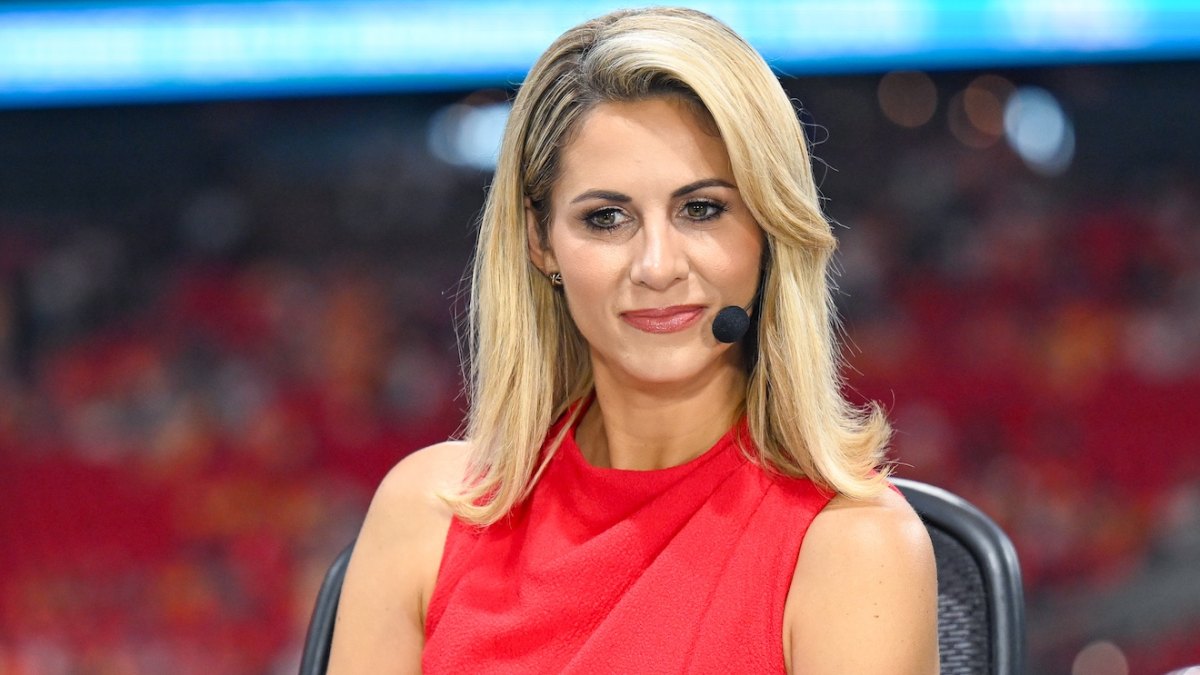
Moreover, Laura’s use of a fake account is not isolated. In 2021, many celebrities and athletes faced backlash for their own social media habits, sparking a debate about authenticity and transparency online. As fans consume online content more than ever, the need for public figures to navigate their digital presence with prudence has become essential. Laura’s experience epitomizes this need, illustrating the complex relationship between public perception and personal identity.
Modern Social Media Ethics
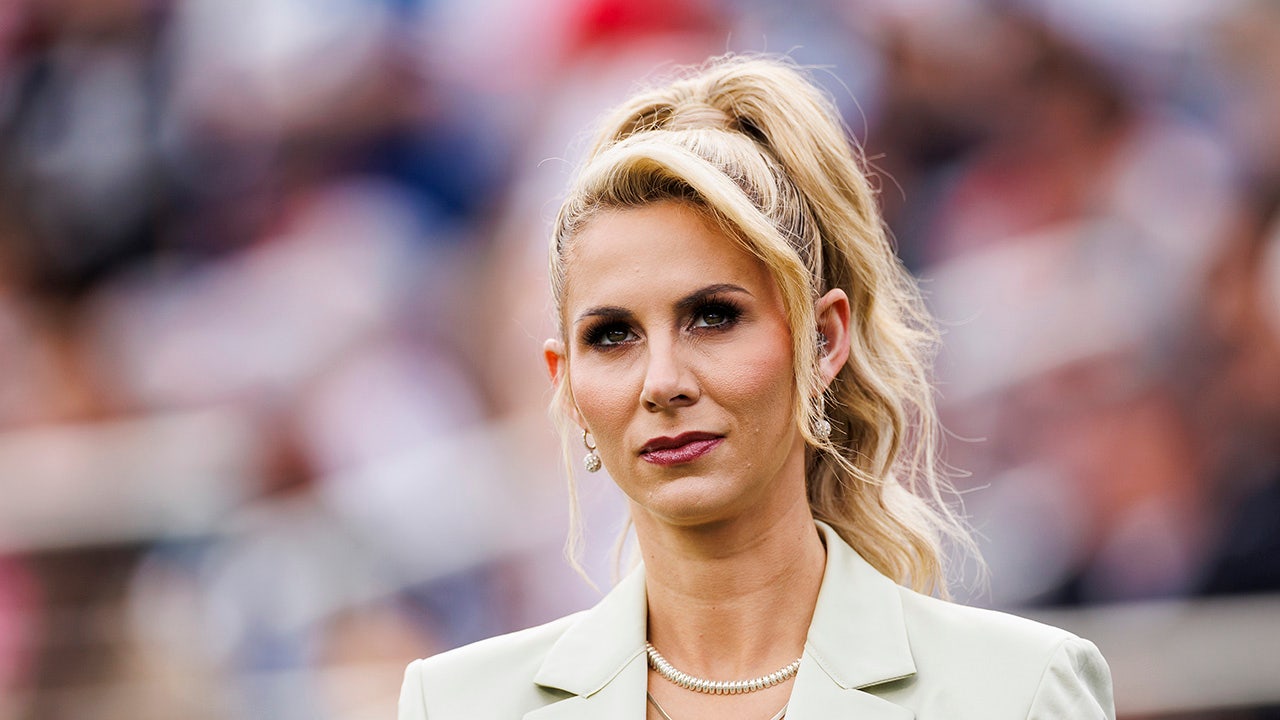
The discussion around burner accounts and anonymous social media personas reveals the broader issues of ethics in online discourse. With many athletes and public figures feeling the need to create separate identities to voice their opinions, questions of integrity arise. Are burner accounts a valid means of self-protection, or do they perpetuate a culture of deception? Laura Rutledge’s candid admission dives headfirst into this debate.

As sports and entertainment continue to intersect intricately with social media, the implications of Laura’s story resonate deeply within the community. It raises awareness of how athletes, their families, and fans alike navigate the ever-evolving landscape of online commentary.

The landscape of professional sports is intertwined with the influence of social media, making it imperative to understand both the protective measures athletes and those close to them may take and the ethical considerations that arise from such actions. By sharing her experience, Laura Rutledge opens a door to a necessary dialogue about the pressures of life in the digital realm, promoting empathy and understanding within the sports community.
Conclusion
Laura Rutledge’s admission about using a burner account to defend her husband provides invaluable insight into the complexities of social media and its impact on professional athletes. It highlights the protective measures families may resort to when faced with public scrutiny. As we navigate this modern social media landscape, it becomes vital to engage in discussions about ethics, accountability, and the mental health of those in the spotlight. For those interested in exploring this intriguing topic further, share your thoughts and experiences with burner accounts and the online world—your perspective could spark a compelling conversation!


