Stephen A. Smith Condemns Anyone Celebrating Charlie Kirk’s Assassination, Praises Yankees for Tribute
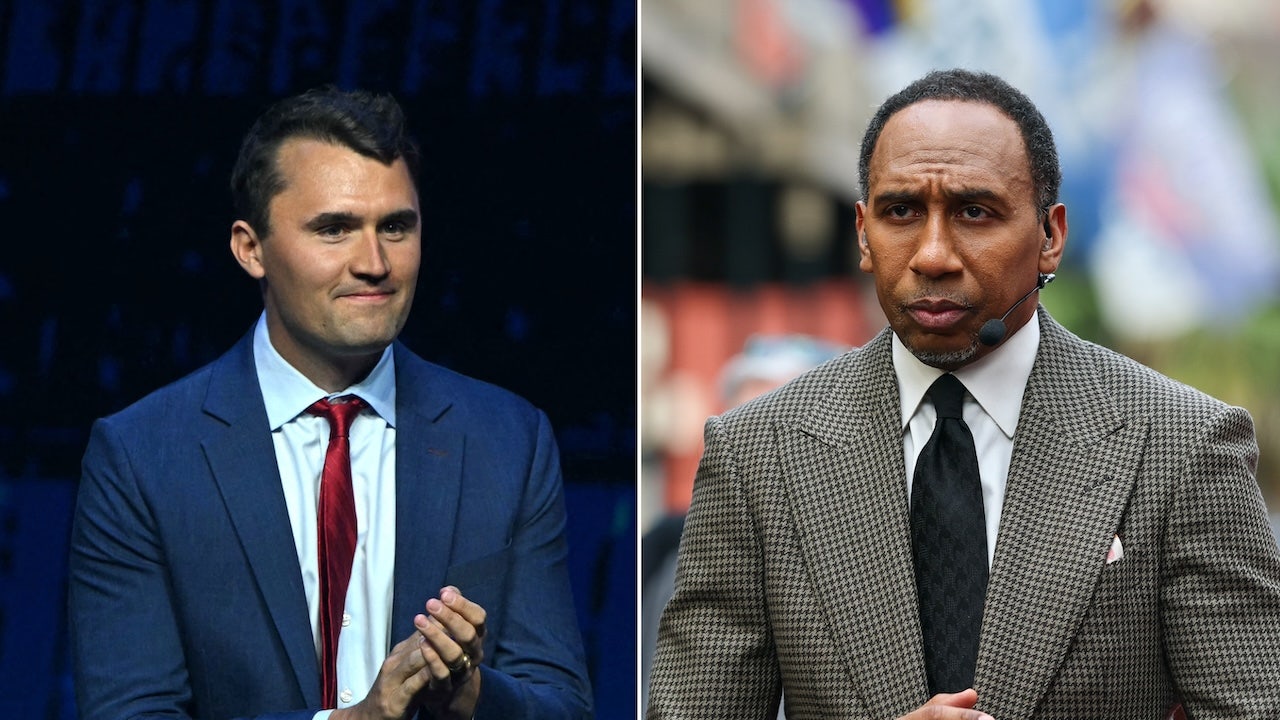
The shocking assassination of Charlie Kirk, founder of Turning Point USA, has sent ripples of outrage across the political spectrum. Kirk was tragically killed on the campus of Utah Valley University while gearing up for a scheduled event. This violent incident occurred around 12:20 p.m., when an unknown assailant fired the fatal shots, claiming the life of the 31-year-old conservative figure who left behind a widow and two children. The nature of this attack has raised pressing questions about the intersection of politics and violence.
Stephen A. Smith’s Condemnation of Celebratory Responses
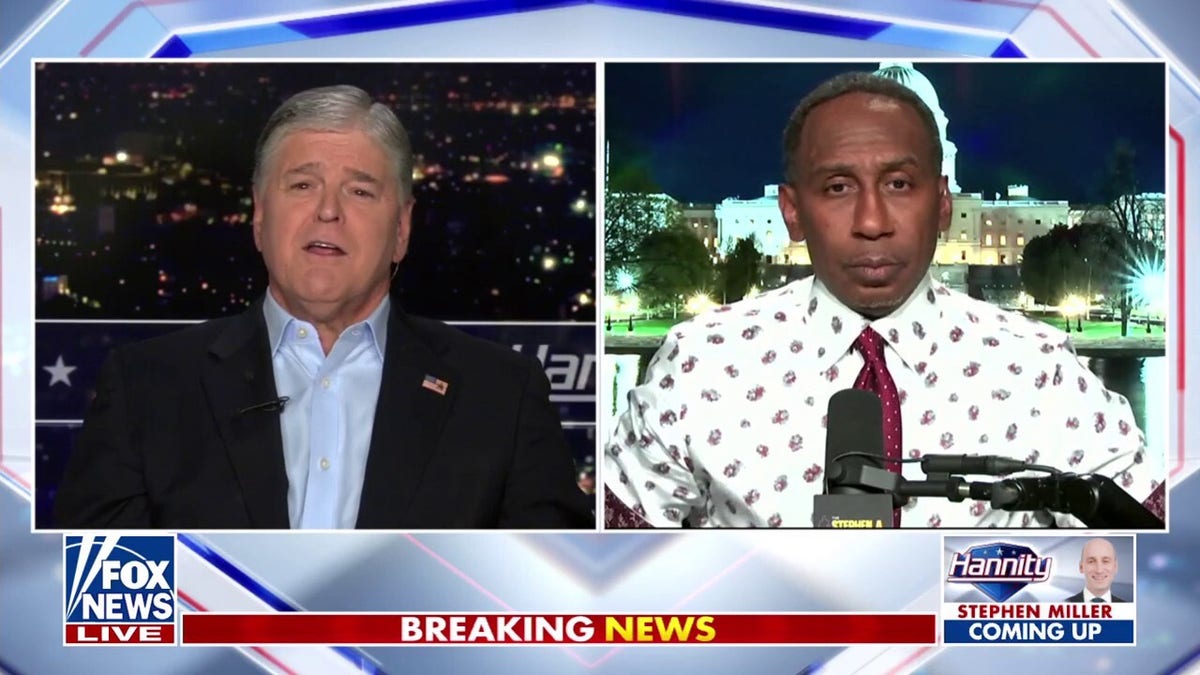
In the aftermath of this senseless act, ESPN host Stephen A. Smith made headlines with his passionate denunciation of those celebrating Kirk’s assassination. During a recent podcast episode, Smith expressed his sorrow not only for Kirk but also for his grieving family. He condemned any sentiments applauding the violence, arguing that no political disagreement should ever justify such horrific actions. Smith’s remarks emphasize a critical social narrative: we must acknowledge the human cost associated with political violence.
“It is a tragedy, and it should not be met with celebration,” Smith stated, pinpointing the overwhelming need for compassion regardless of differing beliefs. He laments how such a loss could fuel divisive celebratory reactions and marked a clear stance against glorifying violence in political discourse.
Tributes and Responses from the Community

In a touching display of solidarity, the New York Yankees honored Charlie Kirk with a tribute during a game against the Detroit Tigers. The tribute included a moment of silence alongside a visual tribute on the jumbotron showcasing Kirk’s image. Smith praised the Yankees for their respectful acknowledgment of Kirk’s life and legacy, underlining that acts of violence should never be met with scorn but rather with remembrance and reflection.

The response to Kirk’s assassination has not only been about public mourning but also reflects the robust community discussions surrounding acceptable political rhetoric. The reactions to the event have stirred up waves of criticism towards those who attempted to make light of the situation or attribute blame, sparking further debates about accountability in public dialogues. Notably, Matthew Dowd from MSNBC faced dismissal for suggesting that Kirk’s own political rhetoric might have led to his assassination, a claim widely regarded as inappropriate and out of touch.
Ongoing Investigation and Broader Implications

As investigations into the assassination unfold, law enforcement is diligently working to identify the perpetrator. Officials have revealed they obtained video footage of the suspect on the university campus. The FBI is collaborating with local law enforcement agencies, intensifying their efforts to unearth leads and swiftly bring the shooter to justice. There is a shared sense of urgency surrounding this investigation, as authorities believe the suspect is likely a college-age individual. The broader implications of this incident have incited discussions concerning the rise of political violence—a sentiment echoed in Smith’s statements.

The shockwaves from Kirk’s assassination continue to ripple through societal discussions about violence in politics. Smith’s condemnation against celebration and calls for compassion highlight the urgent necessity for responsible public discourse, especially in an era where political polarization is prevalent. The assassination not only affects the immediate circle of Kirk’s family and friends but raises awareness of the need to navigate political differences without resorting to violence.

This tragic event has underscored the importance of recognizing the humanity in every political conversation. As the investigation progresses, the hope remains that corrective actions will be taken to promote peace and understanding in public discussions. The community mourns together, seeking justice for Kirk while advocating for a political landscape where violence has no place. It is an urgent reminder that despite differing opinions, compassion must prevail as we navigate the complexities of public life.

For those wanting to support Kirk’s family or engage more in discussions about political discourse, consider joining local conversations or advocacy groups aimed at promoting civility and respect in political discussions. It is through engagement and understanding that we can honor the memory of those lost to violence.


