Fox News Correspondent Eric Shawn Reveals 9/11-Related Cancer Diagnosis

On September 11, 2025, Fox News correspondent Eric Shawn made a heartfelt announcement during a live broadcast commemorating the 24th anniversary of the September 11 attacks. He disclosed his diagnosis of cancer linked to exposure from toxic dust at Ground Zero following the catastrophic events of 2001. This revelation struck a chord not only with viewers but also with countless individuals who have similarly faced health challenges related to the aftermath of 9/11.

Shawn underwent evaluations under the World Trade Center Health Program, a federal initiative designed to offer medical assistance to those impacted by the 9/11 attacks. He received two separate diagnoses, highlighting the concerning long-term health implications from exposure to hazardous materials released during the attacks. During his segment, Shawn expressed his concerns about potential health consequences that could arise years after the disaster, an issue that has become increasingly significant as more cases emerge.
The Growing Toll of 9/11-Related Illnesses

The adverse health effects resulting from the toxic environment of Lower Manhattan have become a pressing public health crisis. Recent estimates indicate that nearly 48,000 individuals—comprising first responders, emergency workers, and local residents—have reported illnesses attributed to toxic debris from the September 11 attacks. Alarmingly, cancer diagnoses within this population are rising at an unsettling rate. In just the past year, the Centers for Disease Control reported nearly 10,000 new cancer cases, drawing a stark connection between 9/11 exposure and the subsequent wave of health crises.

Since the attacks, the toll has been devastating, especially among first responders. More than 3,700 of these brave individuals have lost their lives as a direct result of 9/11-related health issues, with cancer claims accounting for a staggering 2,300 of those fatalities. This data underscores the far-reaching implications for those who rushed to help in the wake of the disaster, as well as for others who lived and worked in the vicinity of Ground Zero.
Impact Beyond First Responders
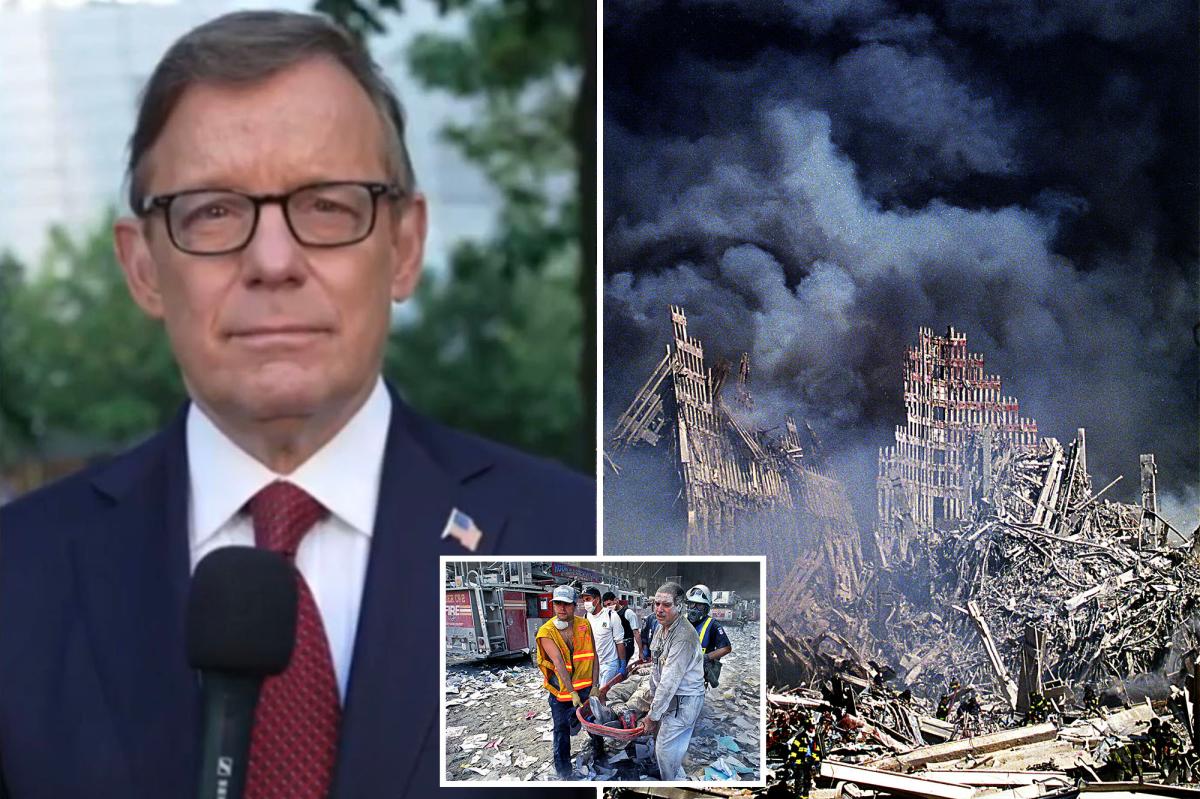
Eric Shawn highlighted a critical aspect of this health crisis: the toxic dust from the Twin Towers did not only affect first responders. He urged recognition that anyone present south of Canal Street during the immediate aftermath of the attacks faced potential contamination. This includes bystanders, office workers, residents, and volunteers who unknowingly inhaled or came into contact with the dangerous particles.
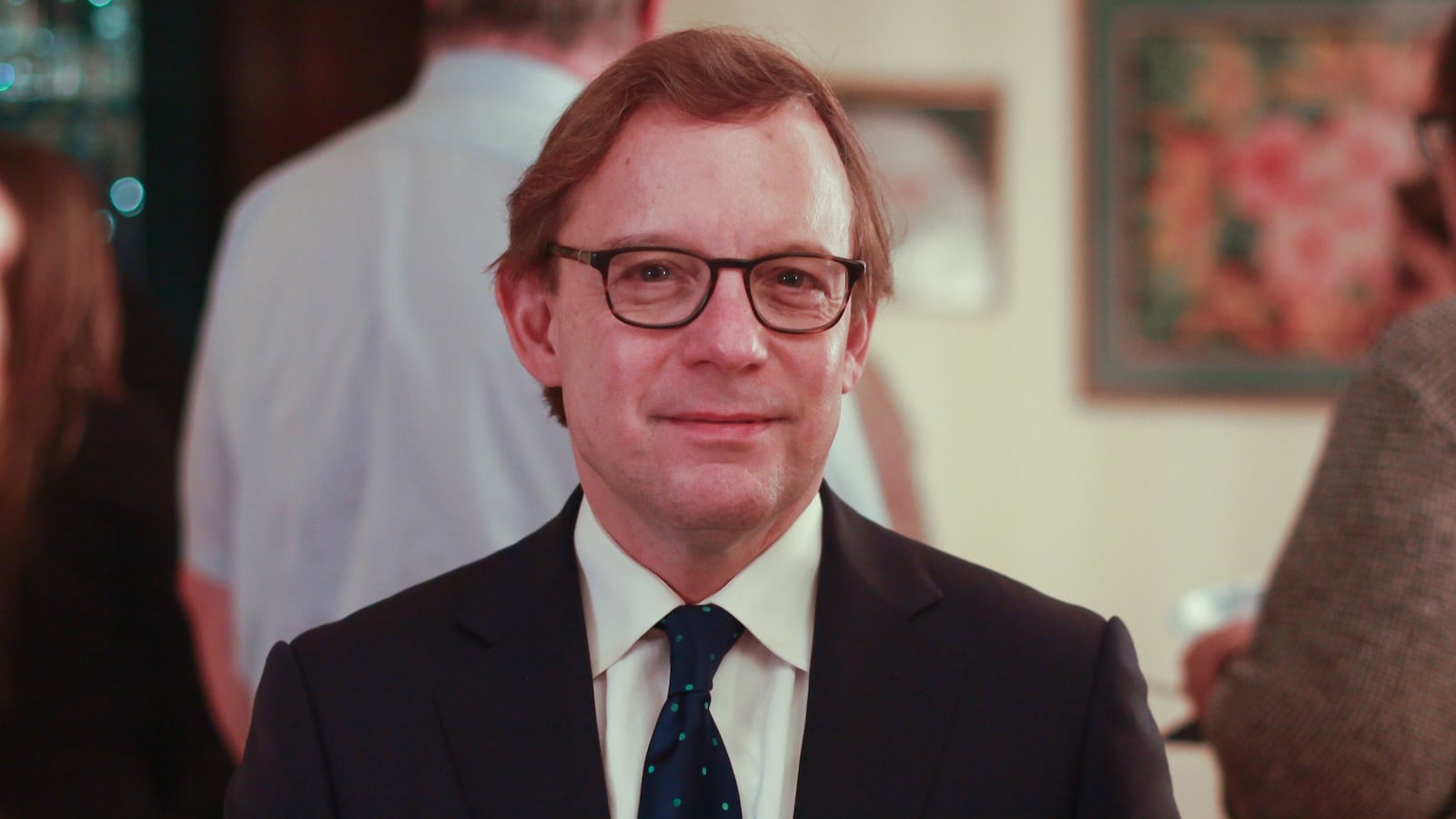
Shawn poignantly reflected on the broader ramifications of these health issues, imploring society to remember those affected by the events of 9/11 continually. The legacy of that tragic day remains etched in the memories of many, now intertwined with the ongoing health battles faced by survivors and their families. As medical professionals and researchers continue to link various cancer types to the exposure of toxic substances released during the collapse of the Twin Towers, the long-term health implications for many remain a significant concern.
Shawn’s Commitment and Call to Action
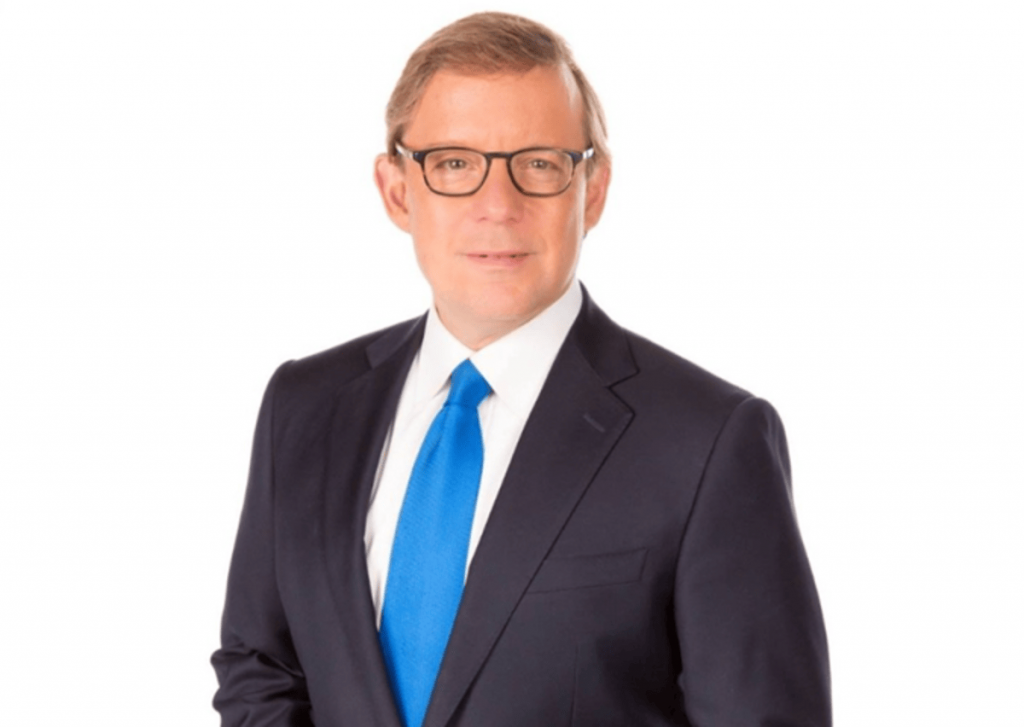
Despite receiving his diagnosis, Eric Shawn remains steadfast in his commitment to journalism, utilizing his public platform to raise awareness about the ongoing health crises stemming from the 9/11 attacks. He encourages viewers to reflect on the lasting consequences of that fateful day, emphasizing the importance of honoring the memories of those who perished and recognizing the struggles of surviving individuals. By highlighting these issues during the anniversary broadcast, Shawn seeks to advocate for continued support and resources for those grappling with health complications related to the attacks.

The fight for recognition, treatment, and justice for 9/11 survivors continues to be vital as the impacts of that day are felt across generations. Whether through engaging with advocacy organizations, participating in awareness campaigns, or contributing to support initiatives, everyone can play a role in helping those affected by the dual challenge of remembering a horrific day while striving for healing and justice.


