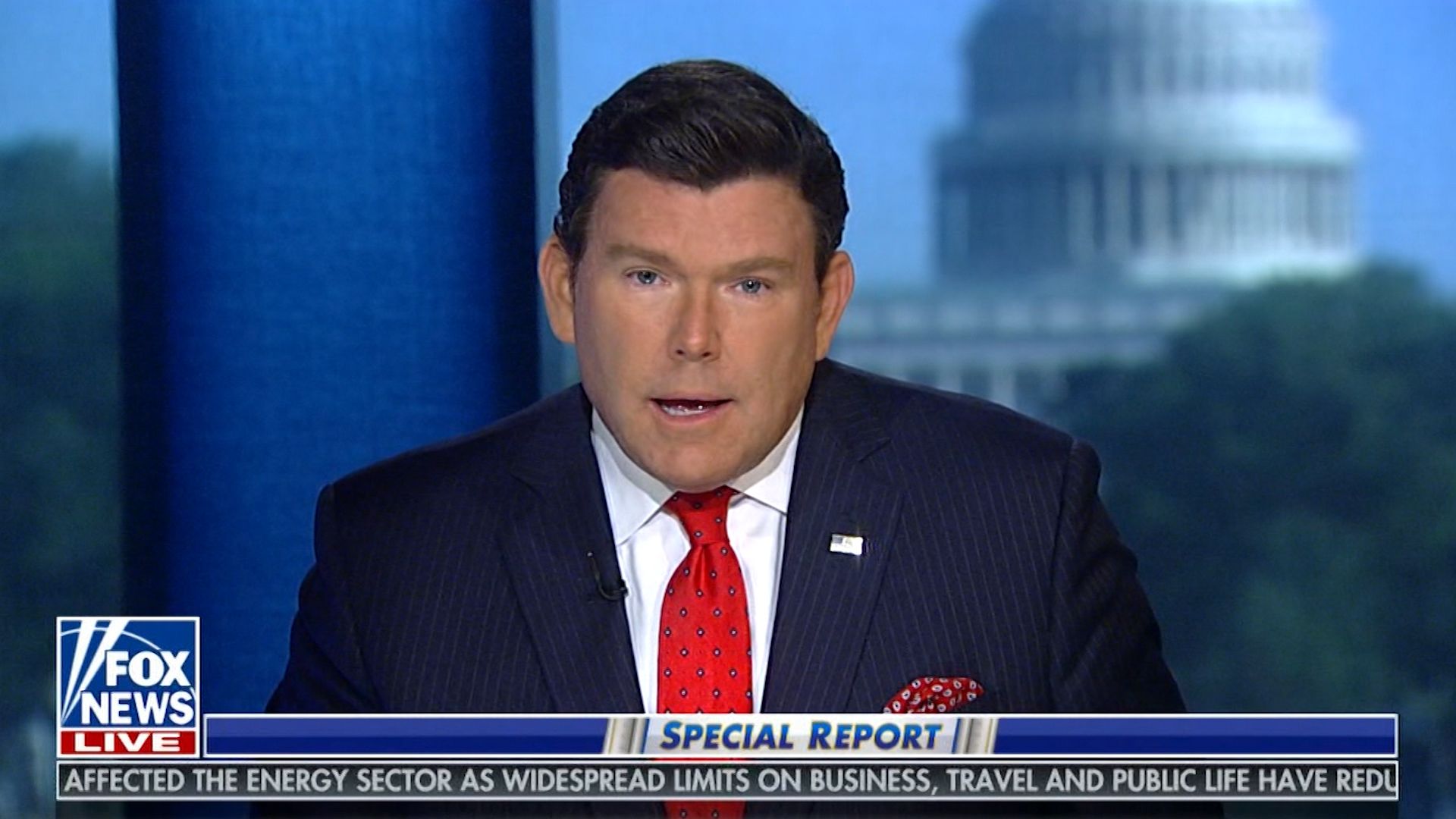
Fox Host Apologizes for Saying Mentally Ill Homeless People Should Be Executed

Fox News Channel host Brian Kilmeade recently ignited controversy with his remarks suggesting that mentally ill homeless individuals should be executed. This statement was made during a segment on “Fox & Friends,” where he discussed the tragic stabbing murder of Iryna Zarutska in Charlotte, North Carolina, allegedly committed by Decarlos Brown Jr., a homeless man with mental health issues. Kilmeade’s comments drew immediate backlash, highlighting the complexities surrounding homelessness and mental illness in today’s society.
The Controversy Unfolds

Kilmeade’s controversial suggestion of using “involuntary lethal injection” as a solution for mentally ill homeless individuals was met with widespread outrage online. Activists, mental health advocates, and concerned citizens criticized his remarks as insensitive and dehumanizing. Many felt that such comments reinforce harmful stereotypes about homelessness and mental illness, suggesting that these individuals are inherently violent or beyond help. The backlash included social media campaigns and calls for accountability, emphasizing the need for empathy and understanding rather than punitive measures.
Reaction and Apology

In response to the growing outrage, Kilmeade took to the airwaves to issue an apology during a weekend edition of “Fox & Friends.” He expressed regret over his words, acknowledging that not all homeless individuals are dangerous and that many require compassion and support. He emphasized the necessity of understanding the diverse circumstances that lead to homelessness, particularly highlighting the challenges faced by those with mental health issues.
Christine Quinn, president of a New York City shelter provider, was among those who condemned Kilmeade’s initial comments. She stressed the importance of approaching the topic of homelessness with humanity. Quinn invited Kilmeade to volunteer in shelters, suggesting that firsthand experience might help him grasp the complexities and realities faced by homeless individuals. Her response pointed to a growing consensus that solutions to homelessness and mental health crises require compassion, service, and a community-driven approach.
The Broader Conversation on Homelessness

Kilmeade’s remarks surfaced at a time when discussions around public funding for homeless services and responses to mental illness are critical. With increasing attention on the homeless crisis in many cities across the U.S., it’s essential to move the dialogue beyond sensationalist rhetoric. Advocates argue that public funding should prioritize mental health services and supportive housing, rather than criminalization or punitive measures. Critics warn that framing homelessness as a criminal issue rather than a societal one undermines the need for comprehensive policies that address root causes.

Effective strategies necessitate a dual focus: Understanding the complexities of mental illness and providing adequate resources to those in need. Various successful programs around the country illustrate how community support and integrated services can lead to meaningful changes in the lives of homeless individuals. Building more shelter programs equipped to handle mental health crises and increasing funding for support services can potentially transform lives and communities.
Moving Forward: A Call for Compassion

As the conversation surrounding homelessness and mental health continues to evolve, it is imperative that we focus on compassion and understanding. Brian Kilmeade’s unfortunate comments highlight the delicate balance of discussing these pressing issues. Rather than resorting to extreme measures, society must prioritize empathy and thoughtful solutions. Discussions around homelessness must ensure that those impacted are seen as individuals deserving of dignity and care.

In conclusion, as we navigate complex issues like mental health and homelessness, it is vital to foster open dialogue that encourages compassionate responses. We should collectively advocate for policies that reflect our shared humanity. By working together, we can create a supportive environment that values every individual’s dignity, ultimately leading to more effective solutions for those in need. Join us in supporting mental health initiatives and homeless assistance programs to foster a compassionate society.