Food Network Star Antonia Lofaso’s Spicy Take On The Chicken Washing Debate

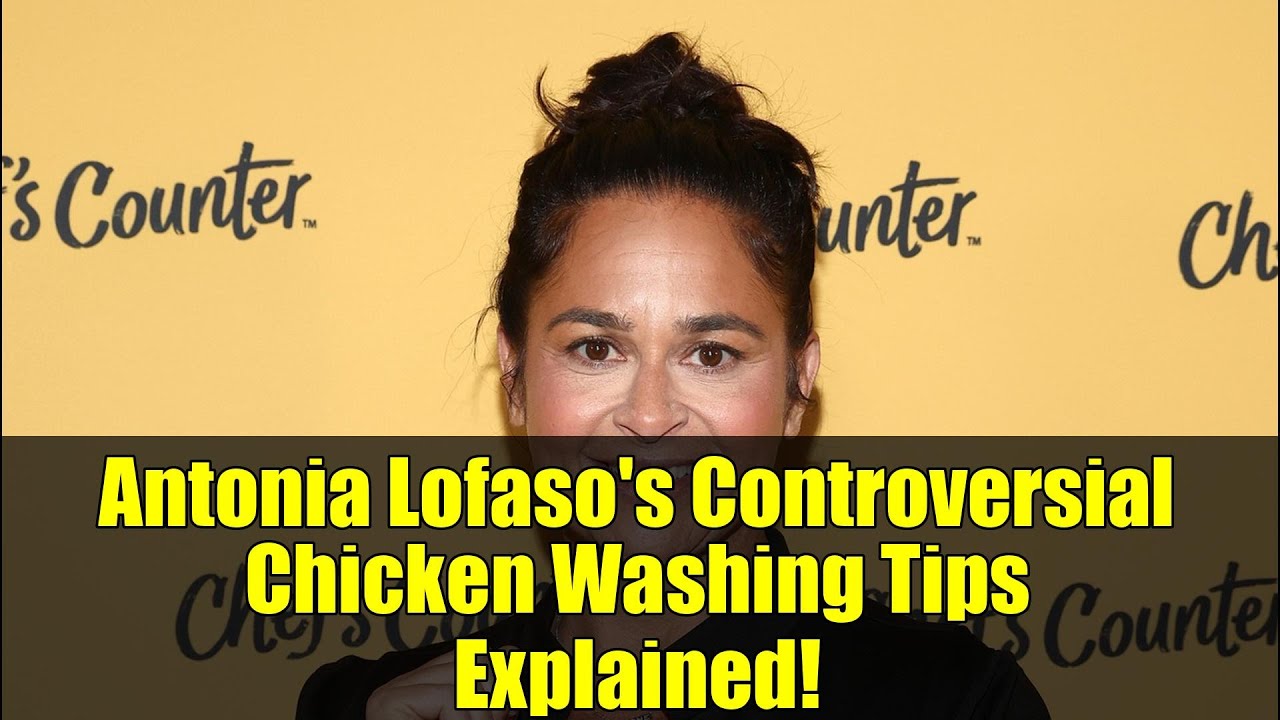
Renowned chef and Food Network star Antonia Lofaso recently entered the controversial chicken washing debate with her unique perspective. In her engaging TikTok video, Lofaso shared her opinions on whether it’s advisable to wash raw chicken before cooking. Although the general culinary advice is to steer clear of this practice due to potential health risks, Lofaso shed light on her occasional practice of rinsing marinated chicken. This insight has prompted both support and caution from viewers and food safety experts alike.

Understanding the Risks of Washing Chicken
The U.S. Department of Agriculture (USDA) strongly advises against washing raw poultry. The reasoning behind this recommendation is straightforward: rinsing chicken can inadvertently spread harmful bacteria, such as salmonella and campylobacter, onto kitchen surfaces, utensils, and even other food items. These pathogens are notorious for causing foodborne illnesses, which can lead to severe gastrointestinal issues. By washing chicken, you run the risk of creating a breeding ground for these germs, counteracting any efforts you might make to ensure a safe meal.
On the contrary, Lofaso claims that rinsing her chicken—especially if it has been marinated—helps eliminate unwanted flavor profiles resulting from the marinade itself. She emphasizes the importance of understanding food safety and proper handling practices. While she occasionally rinses chicken, she does so with a clear awareness of the precautions necessary to avoid cross-contamination.
Alternatives to Washing Chicken

If you’re hesitant about how to prepare raw chicken, there are effective alternatives to rinsing that maintain food safety while ensuring tasty results:
- Cook Thoroughly: The safest way to eliminate harmful bacteria is to cook chicken until it reaches an internal temperature of 165 degrees Fahrenheit. This temperature is crucial for killing off any pathogens.
- Choose Quality Marinades: If using marinades, select those that are flavorful and capable of tenderizing the meat without introducing off flavors that might warrant rinsing.
- Practice Good Hygiene: Keep your work surfaces and utensils clean. Wash hands with soap and hot water before and after handling raw chicken, and ensure that cutting boards and countertops are sanitized.
Expert Opinions on the Chicken Washing Debate

The discussion around chicken washing has attracted attention from culinary experts and public health officials alike. Many chefs echo the sentiments of Lofaso, advocating for nuanced approaches to food preparation while emphasizing safe handling practices. They suggest that home cooks should educate themselves on proper procedures and make informed choices based on their comfort levels and cooking habits.
Nutritionists often advise focusing on cooking methods rather than rinsing, and some emphasize that marinating chicken can add immense flavor without the need for washing. The food safety landscape is continuously evolving, with new studies providing further insight into best practices in home kitchens. For most consumers, the consensus remains clear: refraining from rinsing chicken minimizes the risk of cross-contamination.
Lofaso’s stance invites home cooks to consider their practices while being mindful of safety. While her methodology may seem daring to some, it also opens up discussions about culinary creativity, safety measures, and personal preferences in the kitchen.
Conclusion
As culinary practices continue to evolve, it’s important for home cooks to stay informed about food safety and hygiene practices. Antonia Lofaso’s input on the chicken washing debate emphasizes the need for a balance between creativity in cooking and safety considerations. For those looking to enhance their culinary skills and knowledge, consider exploring expert advice and best practices in food safety to create not only delicious but also safe meals for your loved ones.


