Food Network Star Antonia Lofaso’s Spicy Take On The Chicken Washing Debate

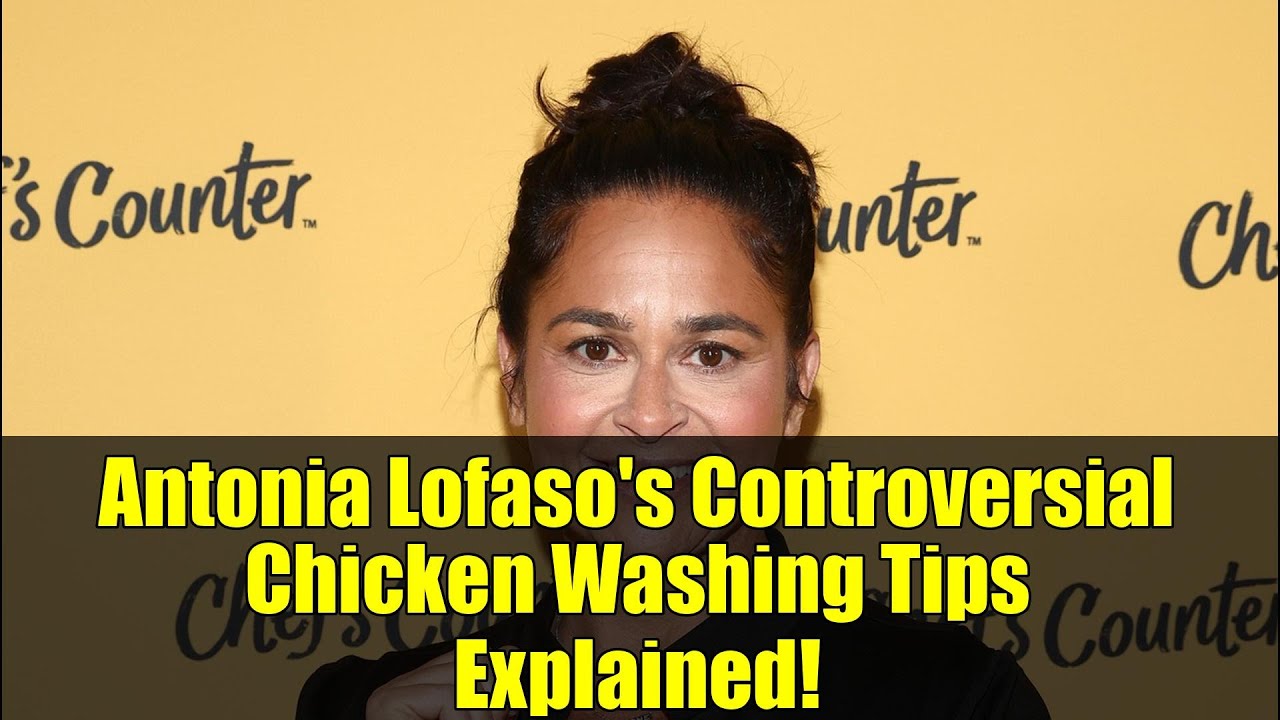
In a recent TikTok video, renowned chef and Food Network star Antonia Lofaso tackled the hotly debated topic of washing raw chicken, a practice that elicits strong opinions among culinary enthusiasts. While mainstream advice discourages the washing of chicken due to the risks of bacterial contamination, Lofaso offered an intriguing perspective: she sometimes rinses chicken that has been marinating in its own juices, suggesting it can enhance the overall flavor and cleanliness of the meat. This approach certainly raises a few eyebrows, prompting further examination of the chicken washing debate.

The Debate on Washing Chicken
The practice of washing chicken is contentious; many home cooks adhere to the conventional wisdom that it’s not safe to rinse poultry before cooking. The USDA has been vocal against this practice, stating that washing raw chicken can lead to a greater risk of spreading harmful bacteria like salmonella and campylobacter. Their research has shown that water droplets splashing from the sink can transfer pathogens to surfaces, utensils, and even other food items—a significant health concern that can lead to foodborne illness.

Despite these warnings, Lofaso offers a calculated approach to chicken washing. She emphasizes that her rinsing is not a routine procedure for all types of chicken but rather a selective choice based on specific conditions, like the presence of stagnant juices from marinating. Her perspective highlights the importance of context, suggesting there may be instances where a rinse could be beneficial.
Understanding the Risks and Benefits

When considering whether to wash chicken, it’s crucial to weigh the potential risks against perceived benefits. Rinsing chicken does not eliminate harmful bacteria. Despite the tempting notion that it could improve the flavor, any potential advantages are overshadowed by the risk of cross-contamination. Thus, food safety experts continue to advocate for cooking chicken to the appropriate internal temperature of 165 degrees Fahrenheit, which effectively kills any lurking bacteria.
- The USDA recommends avoiding washing chicken to prevent spreading bacteria.
- Proper cooking is the most effective method to ensure safety.
- Maintaining strict hygiene practices in the kitchen is paramount.
Additionally, many culinary professionals emphasize the importance of proper kitchen hygiene, which includes regularly sanitizing surfaces, utensils, and hands after handling raw poultry. Creating a clean cooking environment mitigates the risks associated with bacteria, making it a safe space for food preparation.
Antonia Lofaso’s Culinary Expertise

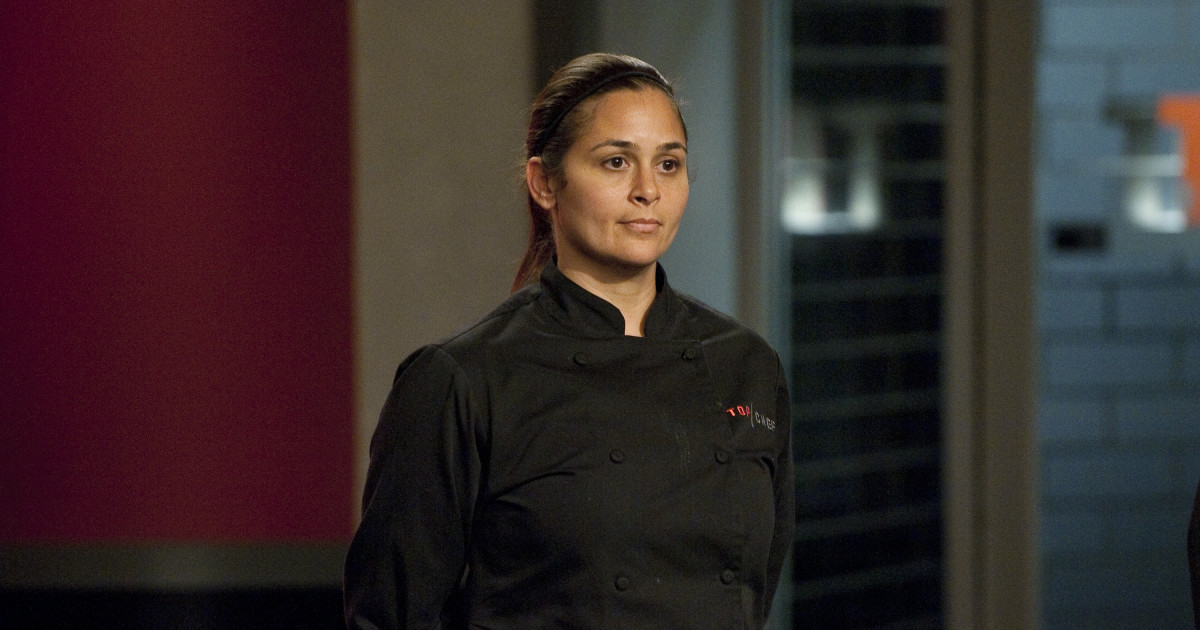
Antonia Lofaso’s culinary expertise stems from years in the kitchen, propelled by her passion for flavors and presentation. Her willingness to share her unique take on kitchen practices encourages home cooks to explore new methods while also remaining informed about safety. By acknowledging that her rinsing is case-specific, Lofaso demonstrates a thoughtful approach to cooking, advocating for informed decision-making over blind adherence to conventions. This balance empowers food enthusiasts to harness their creativity while prioritizing safety.
Incorporating Lofaso’s perspective could encourage spirited discussions among home chefs regarding food safety and preparation techniques. This dialogue is essential; it keeps the culinary community engaged and informed, better preparing them for the realities of cooking.
In conclusion, while the chicken washing debate continues to ignite discussions, Antonia Lofaso’s viewpoint contributes to a nuanced understanding of the topic. Home cooks must weigh the risks against the potential benefits carefully. Embracing stringent food safety protocols and keeping an open mind toward expert knowledge can facilitate safer cooking experiences. Explore Antonia Lofaso’s culinary insights and enhance your cooking journey today! Make sure to follow food safety guidelines and keep experimenting in the kitchen.


