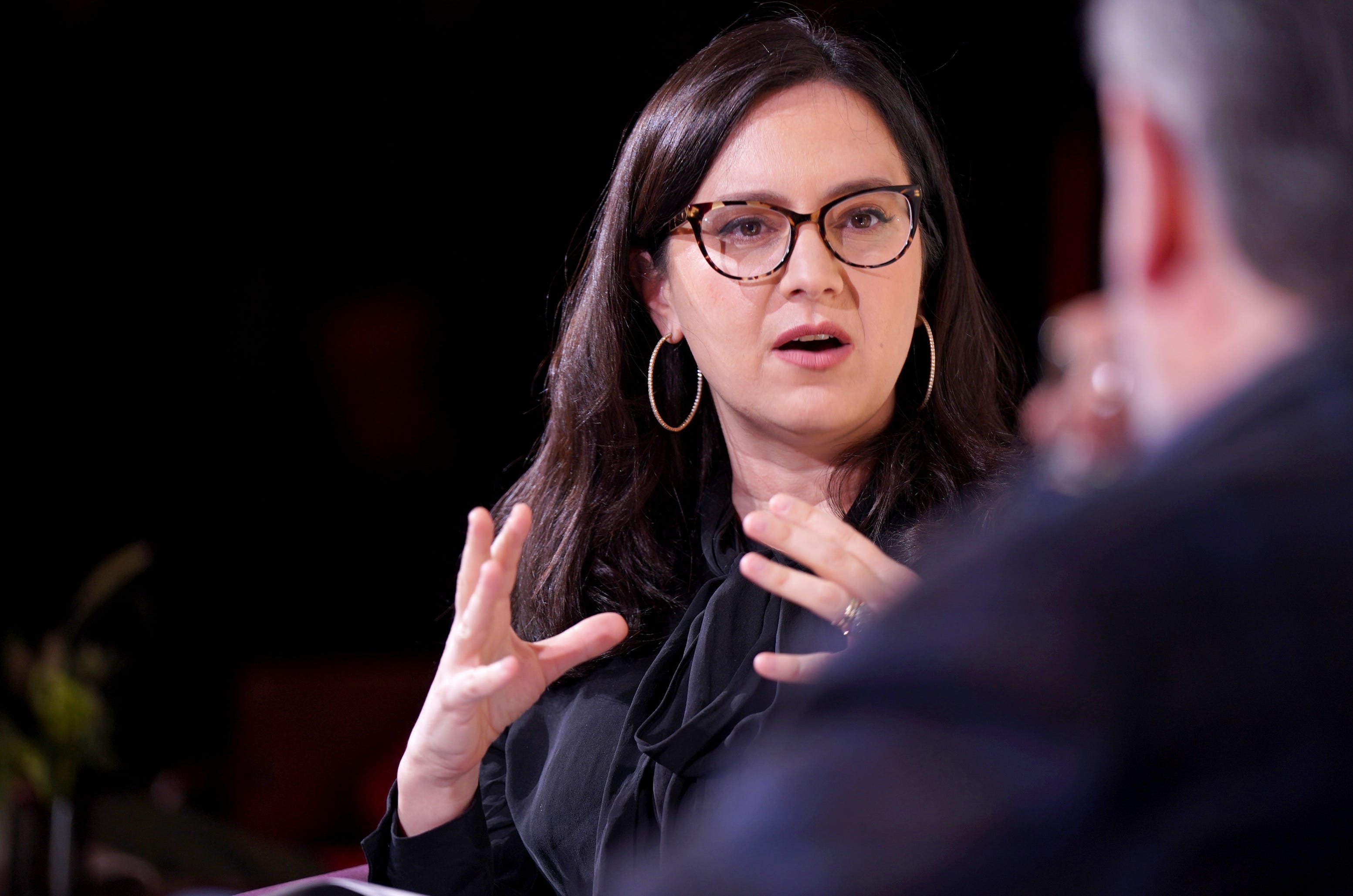
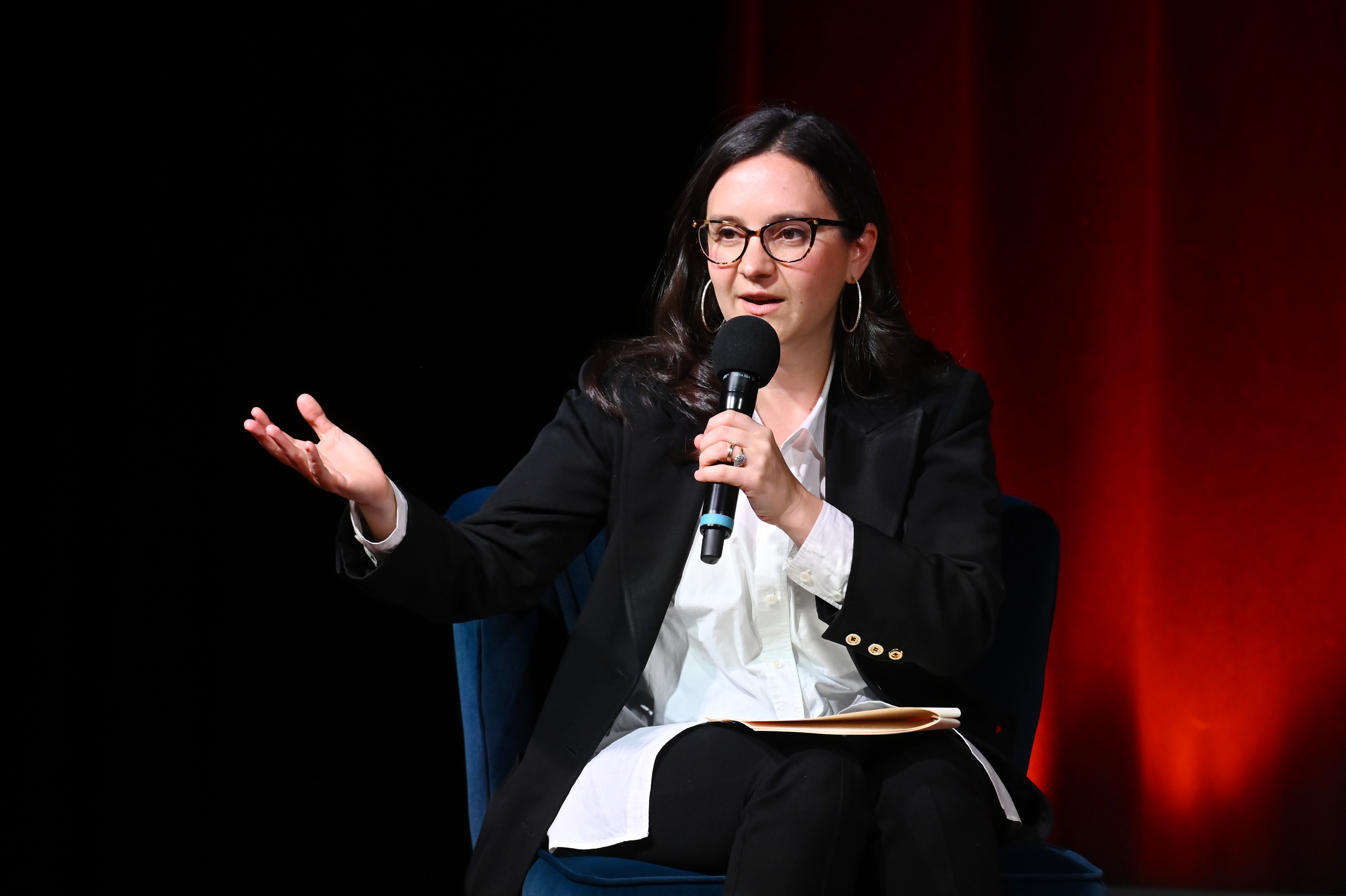
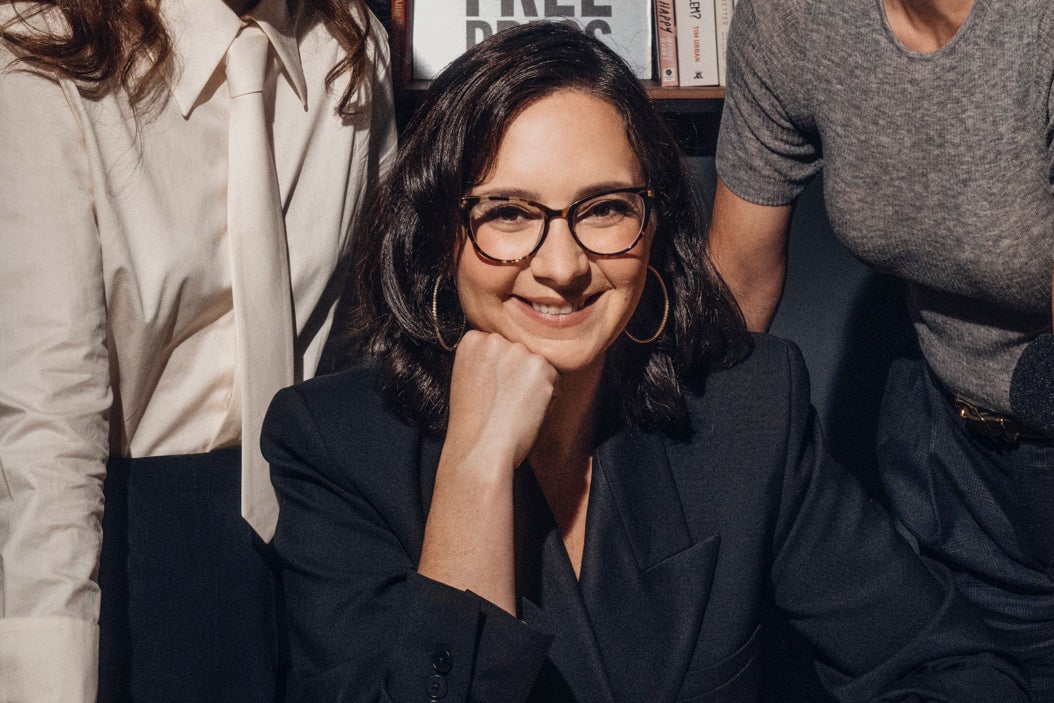
SHOCKING TWIST! Bari Weiss’s Newest Move as Director Has Landed CBS on the Industry’s So-Called “Blacklist”
In a surprising turn of events, Bari Weiss, the renowned journalist and director, has made a strategic move that has unexpectedly placed CBS on the industry’s so-called “blacklist.” This development has sent ripples through the media world, raising questions about the future of collaborations and the dynamics within the entertainment industry. This article delves deep into the circumstances surrounding this shocking twist, the reasons behind the blacklist, and what it means for both Bari Weiss and CBS moving forward.
Bari Weiss’s Newest Move as Director Sparks Industry Controversy
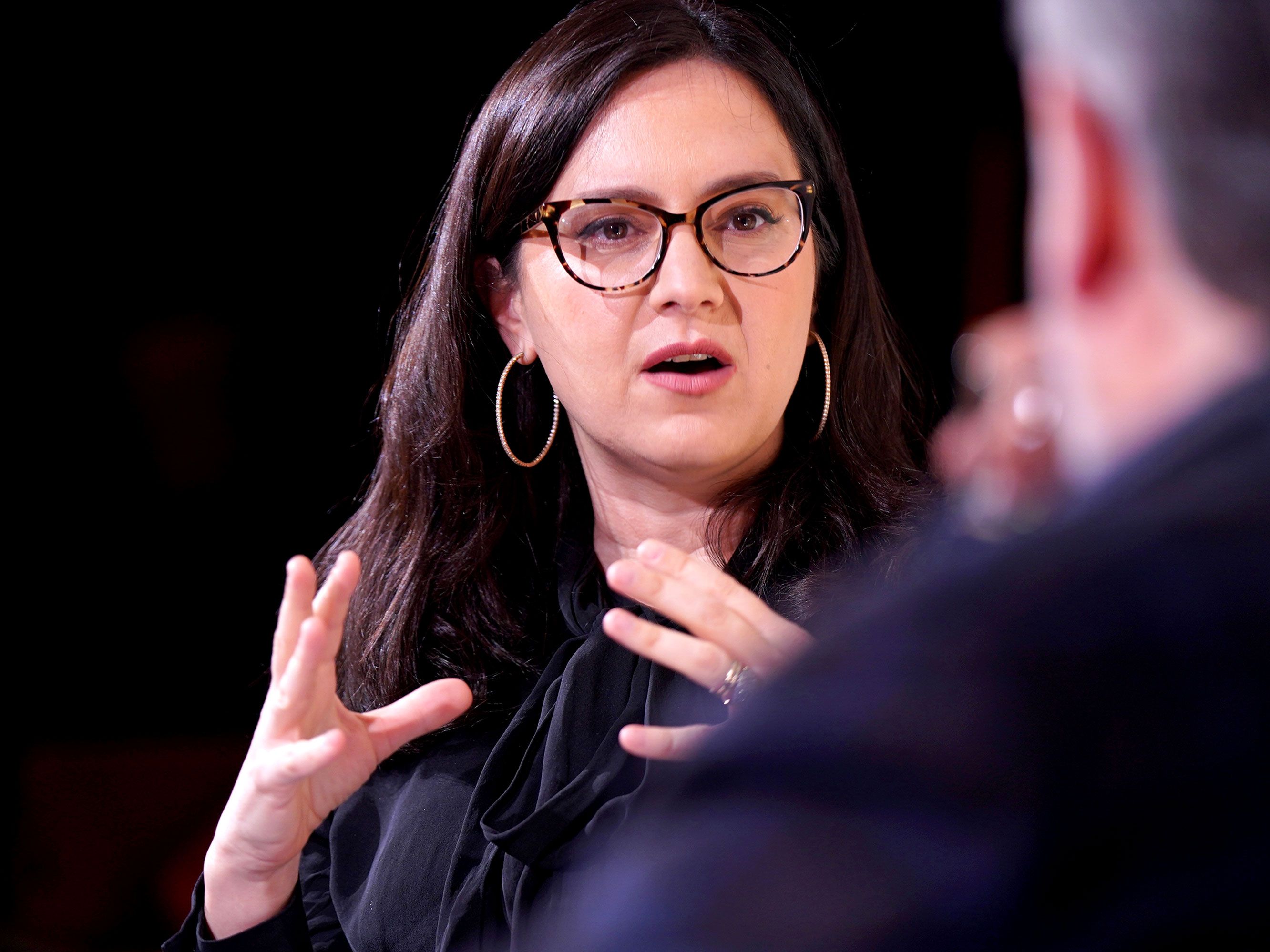
Bari Weiss, known for her bold and often controversial stances in journalism, recently stepped into a directorial role that has significantly impacted her professional trajectory and the media landscape. Her latest project, which has garnered considerable attention, involves a partnership that CBS reportedly opposed or distanced itself from, leading to the network’s placement on the so-called blacklist.
The term “blacklist” in the entertainment and media industry typically refers to a situation where a company or individual is unofficially ostracized or avoided due to disagreements, controversies, or conflicts of interest. In this case, Bari Weiss’s decision as a director has triggered such a response, highlighting the complex interplay between creative freedom and corporate interests.
The controversy centers around the content and messaging of Weiss’s new directorial work, which challenges prevailing narratives and industry norms. CBS’s reaction, whether as a form of protest or risk management, has resulted in a significant rift that could influence future collaborations and partnerships within the industry.
Understanding the Implications of CBS’s Blacklist Status
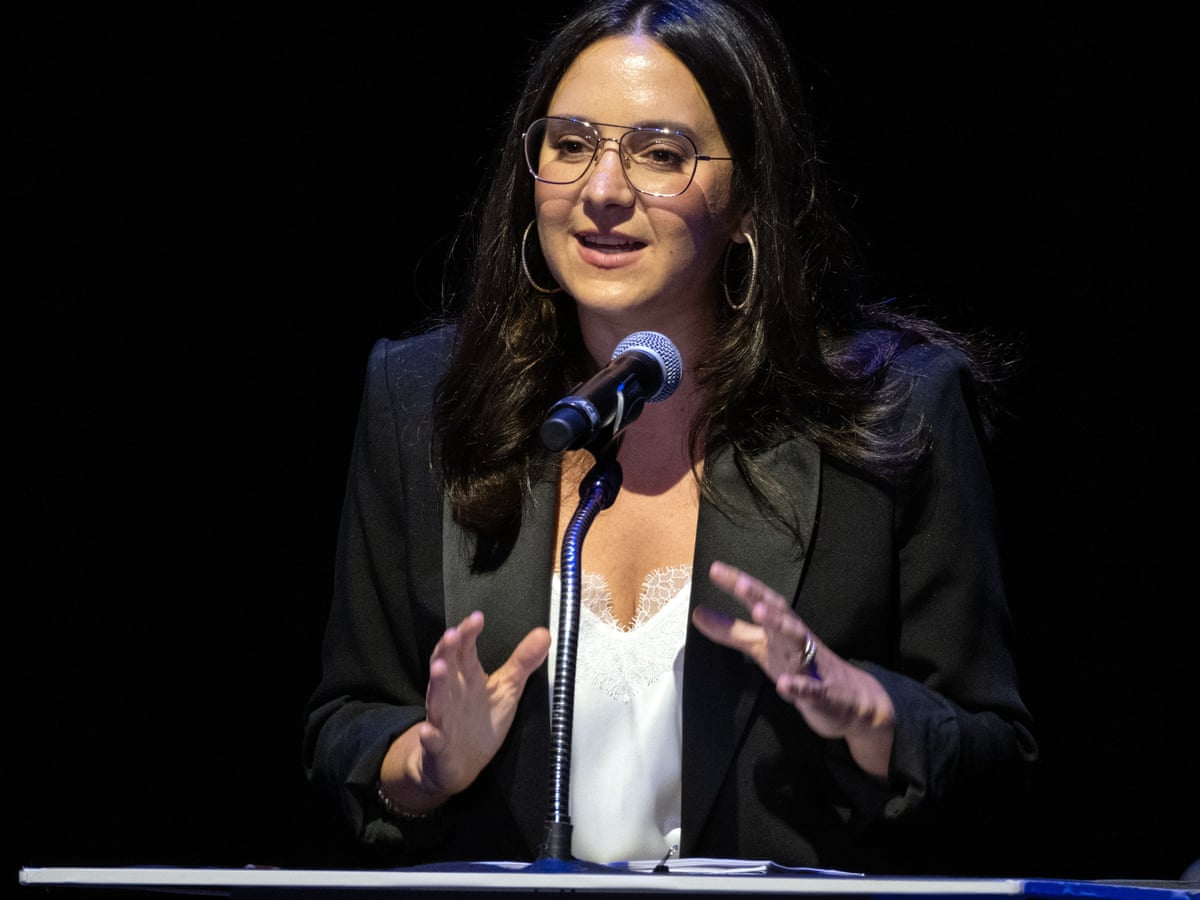
The impact of CBS being placed on the industry’s blacklist is multifaceted. For one, it affects the network’s reputation among peers, advertisers, and audiences who may view the blacklist as a sign of discord or misalignment with current cultural or political climates. Additionally, it limits CBS’s access to certain projects, talent, and distribution channels that may now be hesitant to associate with a blacklisted entity.
For Bari Weiss, this move underscores her commitment to her vision and values, even at the risk of alienating major industry players like CBS. It also positions her as a formidable figure willing to challenge the status quo, potentially attracting new opportunities aligned with her creative and ideological stance.
Moreover, this development raises broader questions about censorship, freedom of expression, and the power dynamics within the media industry. It prompts a critical examination of how blacklists are formed, who controls them, and their long-term consequences on diversity of thought and innovation.
What This Means for the Future of Media and Entertainment

The fallout from Bari Weiss’s newest move and CBS’s subsequent blacklist status could signal a shift in how media companies navigate controversial content and directorial choices. It may encourage other creatives to take bolder stances, knowing that the industry is increasingly polarized and that alliances can shift rapidly.
On the other hand, networks like CBS may need to reassess their strategies to maintain relevance and avoid exclusion from emerging trends and voices. This incident could lead to more transparent dialogues about creative freedom, corporate responsibility, and the balance between commercial interests and artistic expression.
In the broader context, the situation exemplifies the ongoing tension between innovation and conformity in media. It highlights the challenges faced by directors and journalists who seek to push boundaries while operating within an industry that often prioritizes consensus and risk aversion.
Conclusion

Bari Weiss’s newest move as director has undeniably shaken the media industry, landing CBS on the so-called blacklist and sparking widespread debate about creative freedom and corporate dynamics. This shocking twist serves as a reminder of the complex relationships that define today’s entertainment landscape and the courage it takes to challenge established norms.
If you want to stay informed about the latest developments in media controversies and industry shifts, be sure to follow our updates and join the conversation. Don’t miss out on how these changes could shape the future of entertainment and journalism.