Dan Orlovsky’s Proud Moment: Celebrating His Child’s Unique Giftedness
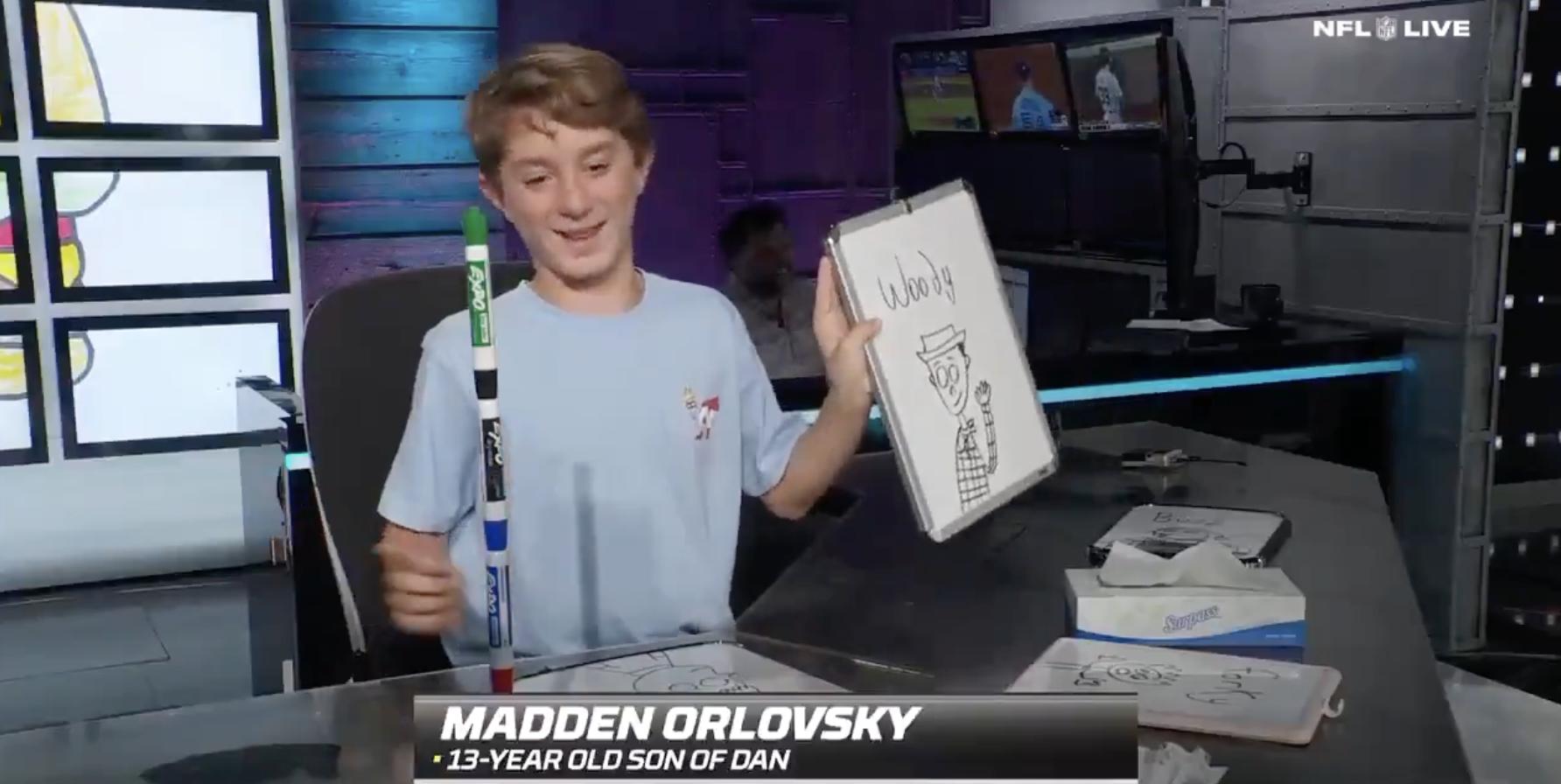
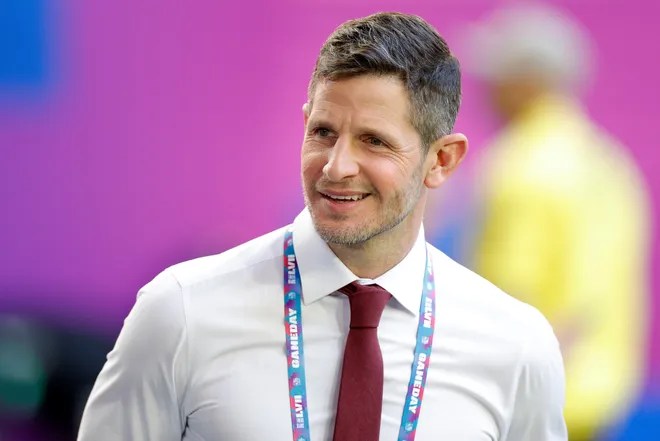
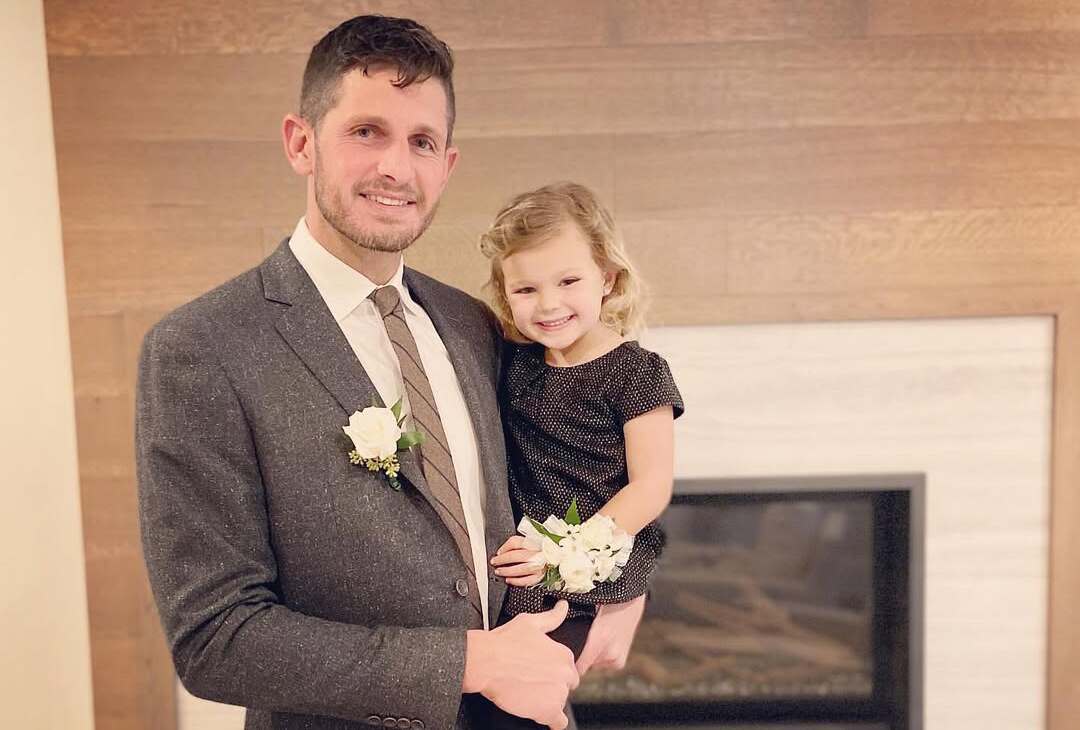
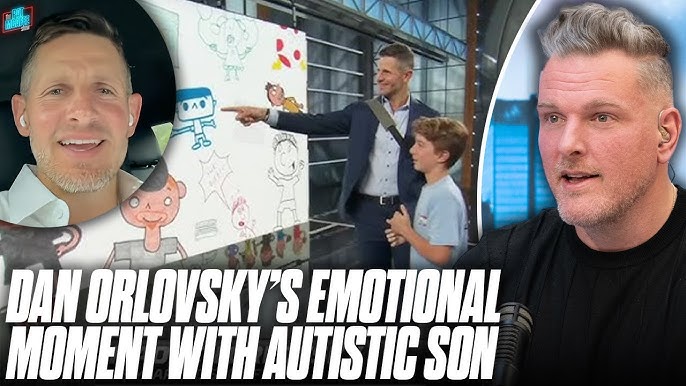
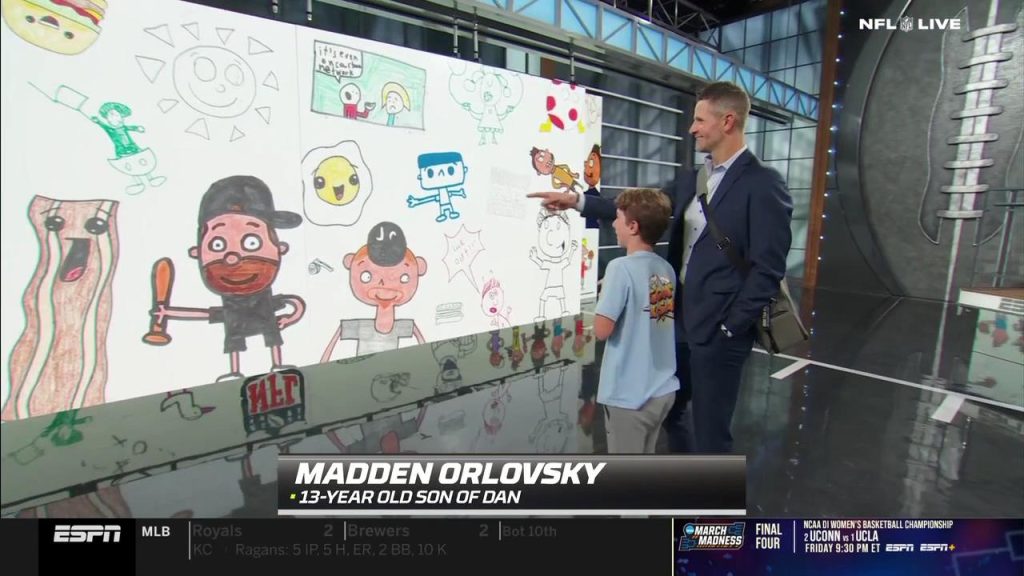
Dan Orlovsky, former NFL quarterback and current sports analyst, recently opened up about a deeply personal and joyful moment in his life: his child’s diagnosis as gifted. With a beaming smile and unmistakable pride, Orlovsky exclaimed, “That kid is incredibly gifted.” This heartfelt statement not only reflects a father’s love but also highlights the importance of recognizing and nurturing exceptional talents in children.
Understanding the Gifted Diagnosis: What It Means and Why It Matters
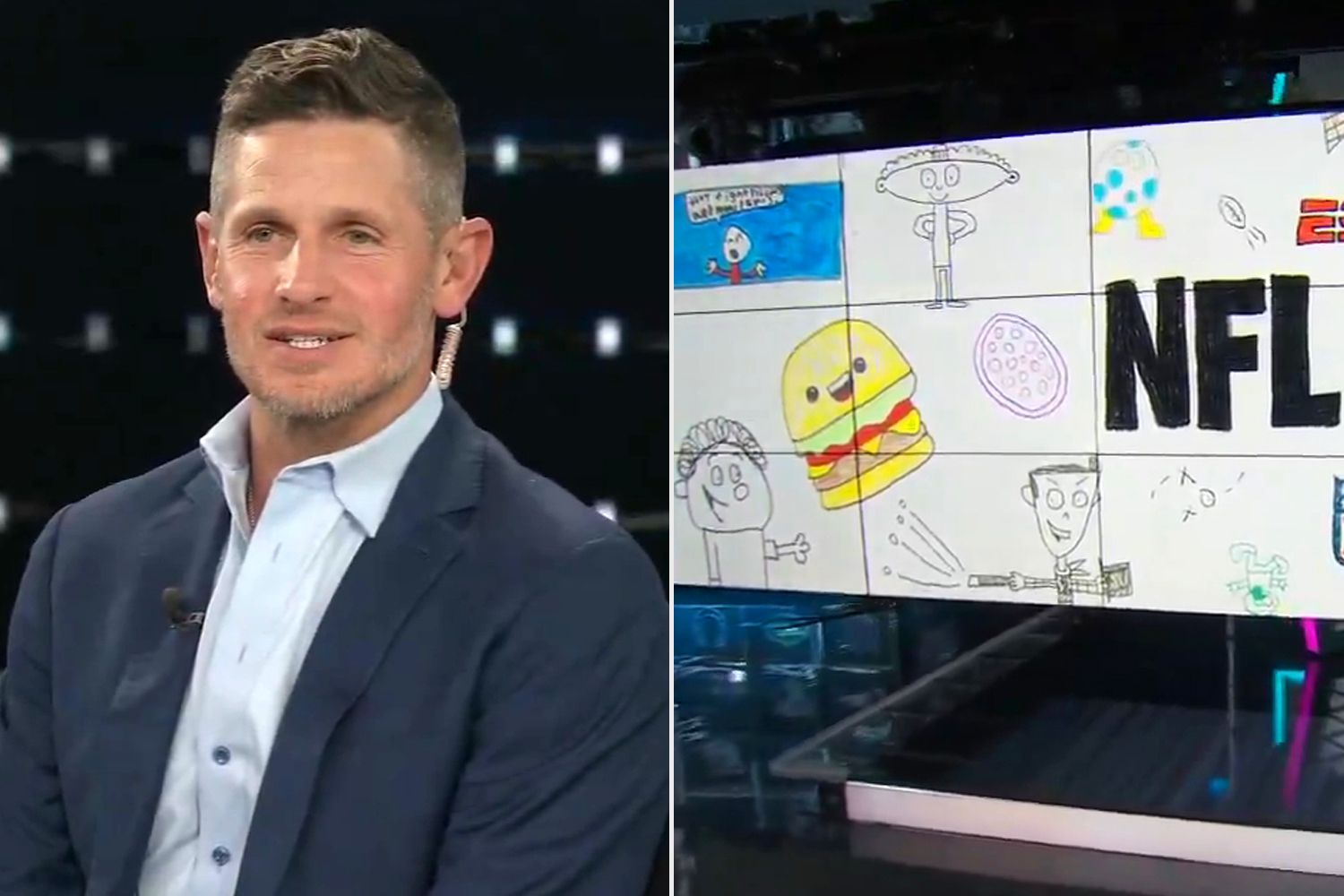
The term “gifted” often brings to mind images of prodigies or children who excel academically. However, giftedness encompasses a broad spectrum of abilities, including intellectual, creative, artistic, leadership, or specific academic talents. When Dan Orlovsky spoke about his child’s gifted diagnosis, he was acknowledging a unique set of skills and potential that goes beyond conventional measures.
Gifted children often demonstrate advanced reasoning, problem-solving skills, and creativity at an early age. Identifying these traits early can lead to tailored educational opportunities that foster growth and prevent boredom or frustration in traditional learning environments. For parents like Orlovsky, understanding and embracing their child’s giftedness is a crucial step toward supporting their development.
The Impact of Recognizing Giftedness on a Child’s Growth
Acknowledging a child’s giftedness can significantly influence their emotional and intellectual growth. For Dan Orlovsky, this diagnosis was not just a label but a celebration of his child’s potential. Gifted children often require specialized educational programs that challenge them and encourage critical thinking. Without proper support, they might feel isolated or misunderstood.
Moreover, giftedness can also come with unique challenges such as heightened sensitivity or perfectionism. Parents and educators must work together to provide a balanced environment that nurtures both the child’s talents and emotional well-being. Orlovsky’s public sharing of his child’s gifted status helps raise awareness about the joys and responsibilities that come with nurturing gifted children.
How Parents Can Support Gifted Children Like Dan Orlovsky’s
Supporting a gifted child involves more than just academic enrichment. It requires understanding their emotional needs, encouraging their passions, and providing opportunities for social interaction with peers who share similar abilities. Here are some ways parents can help:
– **Customized Learning:** Seek educational programs or curricula designed for gifted learners to keep them engaged and challenged.
– **Emotional Support:** Recognize that gifted children may experience intense emotions and provide a safe space for expression.
– **Extracurricular Activities:** Encourage participation in arts, sports, or clubs to develop well-rounded skills.
– **Peer Interaction:** Facilitate connections with other gifted children to foster friendships and social skills.
– **Open Communication:** Maintain honest and supportive conversations about their experiences and feelings.
Dan Orlovsky’s pride in his child’s giftedness serves as an inspiring example of how embracing and supporting unique talents can lead to a fulfilling and successful future.
Conclusion
Dan Orlovsky’s joyful declaration, “That kid is incredibly gifted,” reminds us of the importance of recognizing and nurturing the unique abilities within every child. Giftedness is a gift that, when supported properly, can open doors to endless possibilities. If you suspect your child might be gifted or want to learn more about how to support exceptional talents, take the first step today by exploring resources and connecting with experts. Celebrate your child’s unique gifts and watch them thrive!