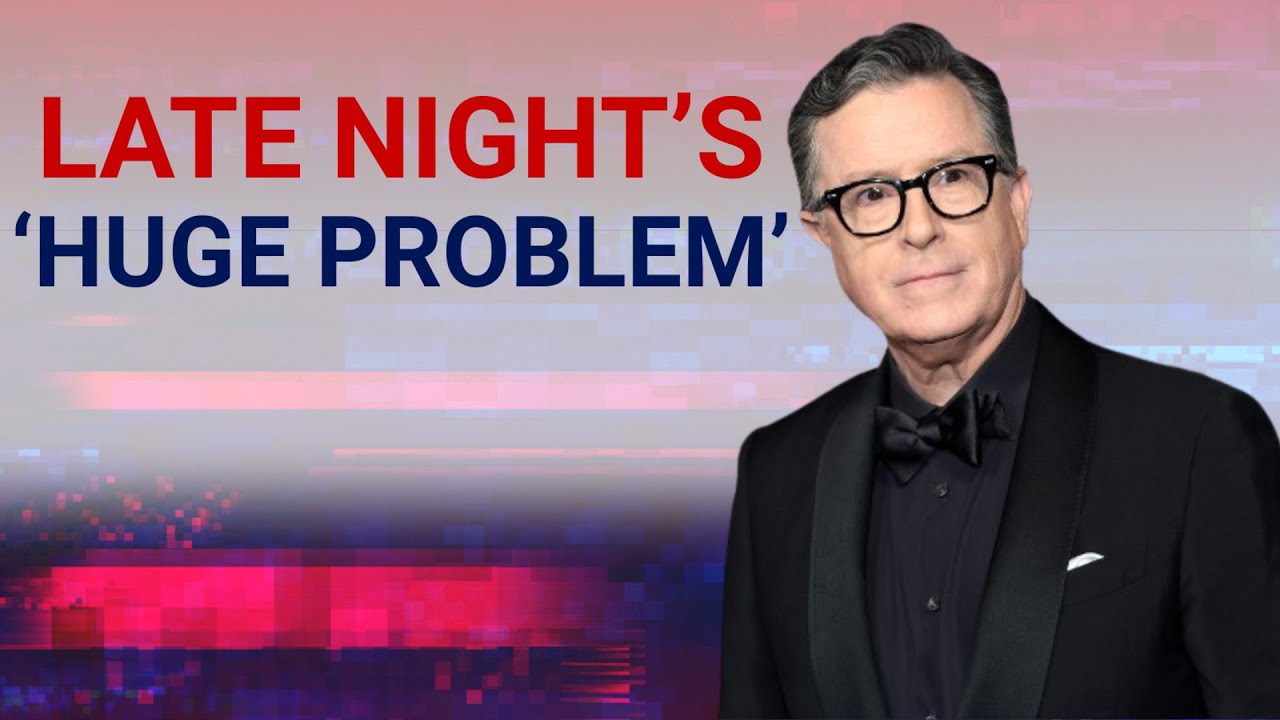
Paramount’s Top Executive Called Colbert ‘The Biggest Problem’: What Really Happened Behind Closed Doors?
In the world of television, behind-the-scenes decisions often shape the fate of popular shows. Recently, a startling revelation emerged that Paramount’s top executive referred to Stephen Colbert as “the biggest problem,” a comment that reportedly influenced the network’s decision to shut down his show. This statement has sparked widespread speculation and curiosity about the true dynamics behind the cancellation. What exactly transpired behind closed doors at Paramount? This article delves into the intricate details surrounding this controversial remark and the eventual shutdown of Colbert’s show.
Paramount’s Top Executive Called Colbert ‘The Biggest Problem’: The Catalyst for Cancellation
The entertainment industry is no stranger to internal conflicts and power struggles, but when a network’s highest-ranking official openly criticizes a star as influential as Stephen Colbert, it raises eyebrows. According to insider sources, the comment labeling Colbert as “the biggest problem” was not made lightly. It reflected deep-rooted frustrations with the show’s performance, creative direction, and perhaps even Colbert’s relationship with the network executives.
Colbert, known for his sharp wit and political satire, has long been a staple in late-night television. However, despite his popularity, Paramount reportedly faced challenges with ratings and advertising revenue linked to his show. The executive’s blunt remark was a symptom of mounting pressure to revamp the network’s late-night lineup to better compete in a saturated market.
This statement reportedly set off a chain reaction within Paramount’s leadership, leading to intense discussions about the future of Colbert’s program. Ultimately, the decision to shut down the show was influenced not only by the executive’s critique but also by broader strategic considerations aimed at repositioning the network’s brand and content offerings.
Behind Closed Doors: The True Story of Colbert’s Show Shutdown
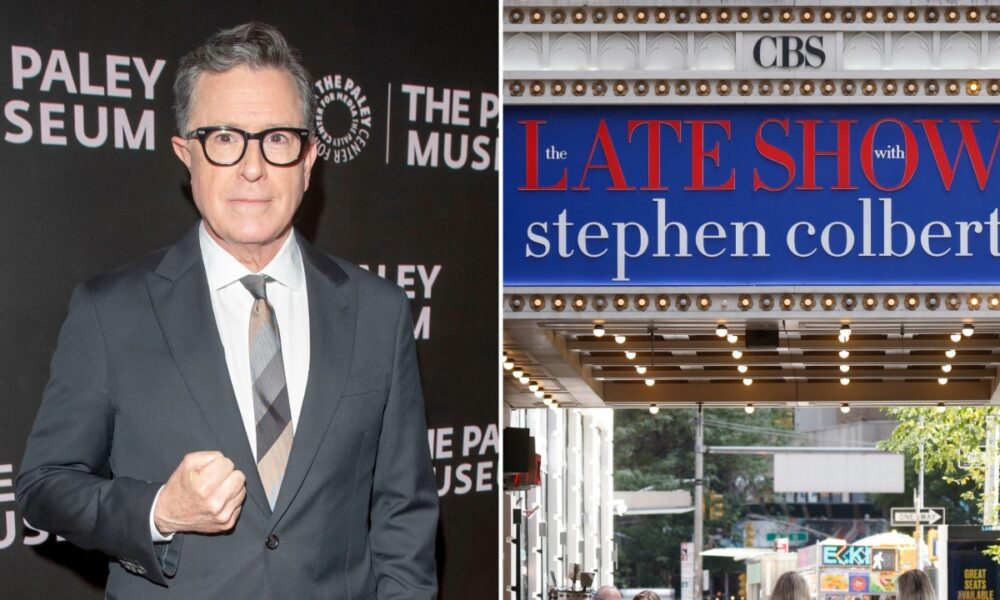
While the executive’s comment grabbed headlines, the reality behind the cancellation is more complex. Industry insiders reveal that the decision was the result of multiple factors converging simultaneously. Paramount was undergoing a period of restructuring, with a focus on cutting costs and investing in new content that aligned with emerging viewer preferences.
Colbert’s show, despite its loyal fan base, was seen as misaligned with the network’s evolving vision. Creative differences between Colbert and the executives reportedly intensified over time, contributing to a strained working relationship. Additionally, shifts in audience demographics and the rise of streaming platforms placed additional pressure on traditional cable networks like Paramount to innovate or risk losing relevance.
The executive’s harsh assessment was likely a reflection of these broader challenges rather than a personal attack. Nevertheless, it underscored the urgency within Paramount to make decisive changes. The shutdown of Colbert’s show was a strategic move intended to pave the way for fresh programming that could better capture audience attention and advertising dollars.
What This Means for Late-Night Television and Paramount’s Future
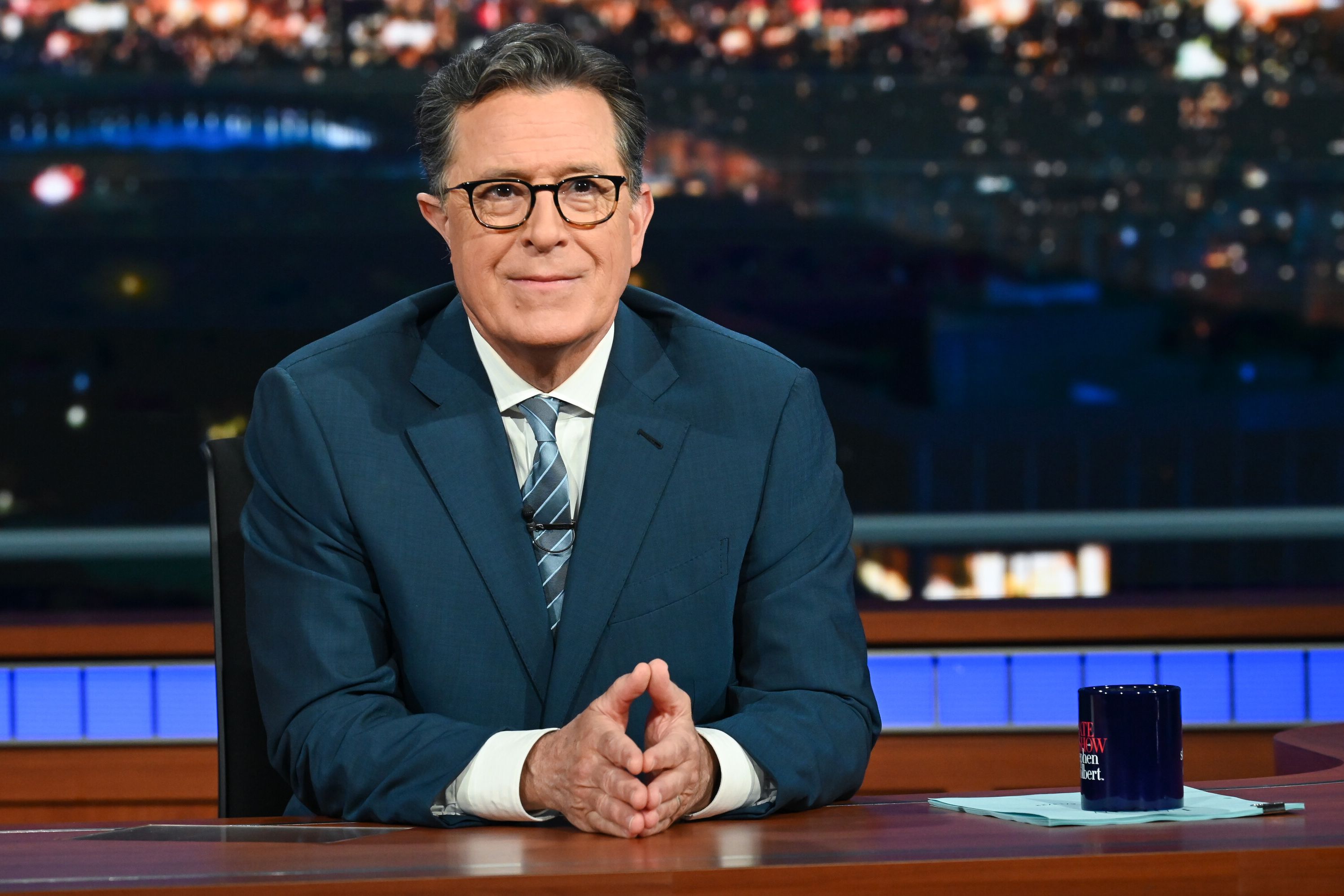
The fallout from Paramount’s decision to end Colbert’s show has significant implications for the late-night television landscape. It highlights the increasing volatility of the industry, where even established stars are not immune to cancellation if they do not align with network goals. For Paramount, this move signals a willingness to take bold steps to reinvent its programming and remain competitive.
For viewers, it raises questions about the future of late-night entertainment and the types of shows that will dominate the airwaves. Networks are now more focused on data-driven strategies, audience engagement metrics, and digital integration, which may lead to a new era of innovative content but also greater uncertainty for traditional formats.
Conclusion

Paramount’s top executive calling Stephen Colbert “the biggest problem” was more than just a provocative statement—it was a reflection of deeper strategic challenges that ultimately led to the cancellation of his show. Behind closed doors, a complex mix of creative differences, shifting audience preferences, and corporate restructuring shaped this outcome. As Paramount moves forward, the television industry watches closely to see how this decision will influence late-night programming and network strategies. If you want to stay updated on the latest entertainment industry news and behind-the-scenes stories, be sure to subscribe to our newsletter for exclusive insights and analysis.