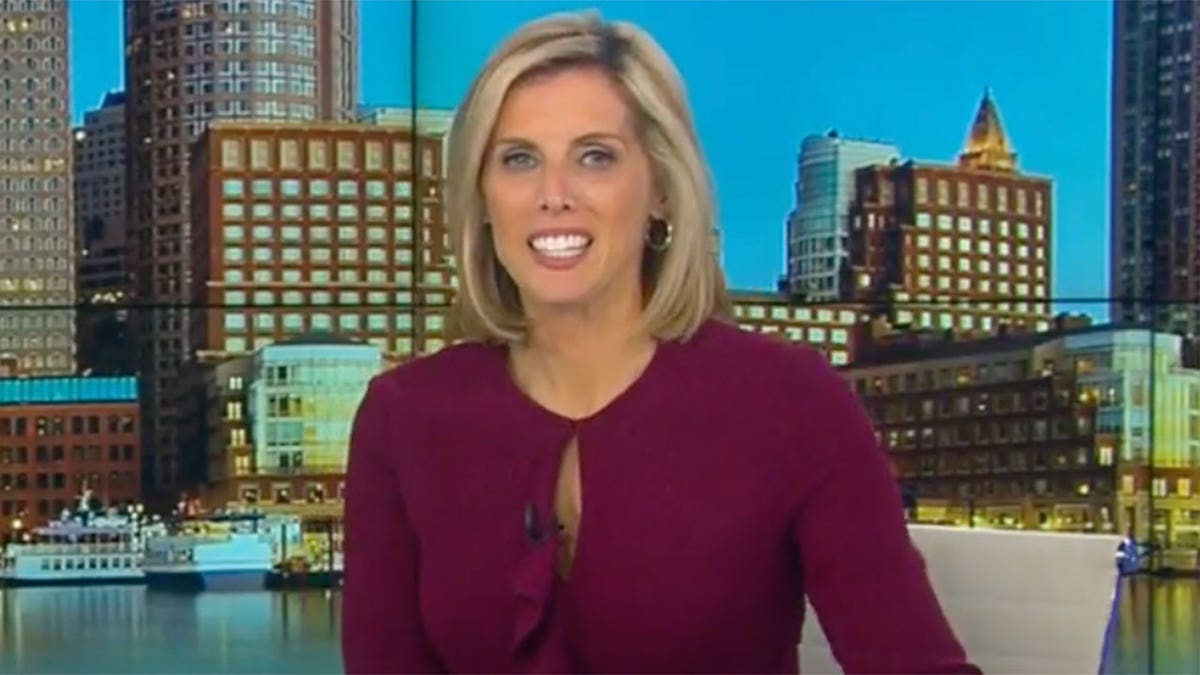
Kate Merrill Sparks Intense Debate Over Alleged Discrimination at CBS
Kate Merrill recently ignited a heated conversation within the media industry by making a series of troubling claims against CBS executives. She alleges that she faced clear discrimination during her tenure at the network, stating, “They even did it behind the scenes.” These accusations have not only raised questions about CBS’s workplace culture but have also brought to light ongoing concerns about discrimination in the entertainment industry.
Kate Merrill’s Allegations of Discrimination at CBS

Kate Merrill’s claims center around her experience working at CBS, where she alleges that executives engaged in discriminatory practices against her. According to Merrill, the discrimination was not always overt but often occurred behind closed doors, making it difficult to address or prove. She described situations where she was treated unfairly compared to her peers, suggesting that her gender and possibly other factors played a role in how she was marginalized.
The phrase “They even did it behind the scenes” highlights the covert nature of the alleged discrimination, implying that CBS executives may have deliberately concealed their biased actions. This has sparked a broader debate about transparency and accountability within major media organizations.
The Broader Impact of Discrimination Allegations in Media
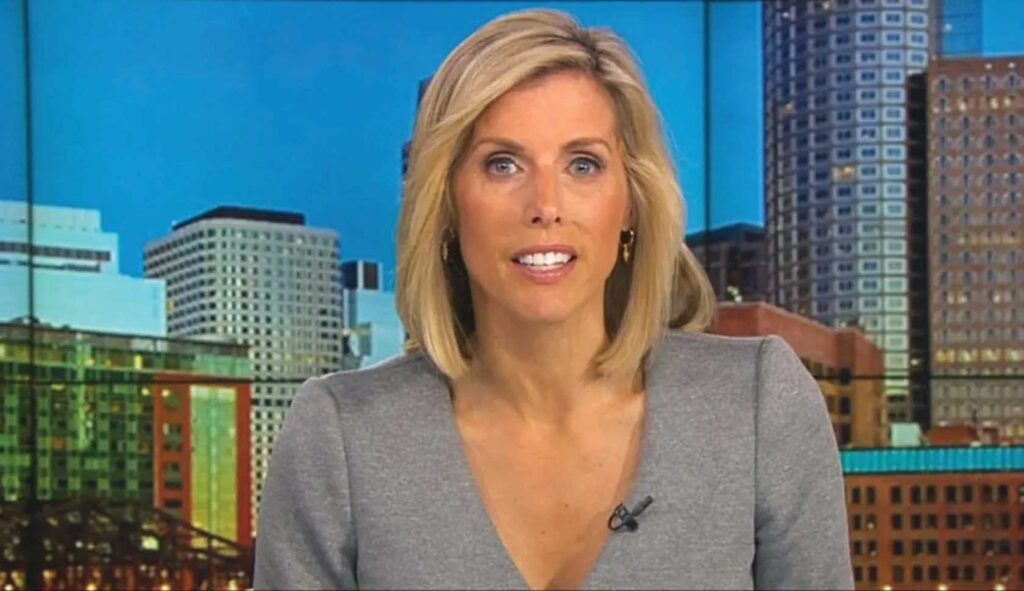
Kate Merrill’s allegations come at a time when the media industry is under increasing scrutiny for its treatment of employees, especially women and minorities. Discrimination in the workplace can take many forms, from unequal pay and limited opportunities for advancement to hostile work environments and exclusion from key projects.
The entertainment sector, including major networks like CBS, has faced numerous accusations over the years regarding discriminatory practices. These claims often lead to public outcry, internal investigations, and sometimes legal action. Merrill’s case adds to this ongoing narrative, emphasizing the need for systemic change to ensure fairness and equality.
Moreover, the fact that such discrimination allegedly occurred “behind the scenes” underscores the challenges employees face when trying to expose unfair treatment. It raises important questions about the effectiveness of current policies and protections designed to prevent workplace discrimination.
What CBS Has Said in Response

In response to Kate Merrill’s allegations, CBS has issued a statement denying any wrongdoing. The network emphasized its commitment to fostering an inclusive and respectful workplace environment. CBS stated that it takes all claims of discrimination seriously and that it investigates such matters thoroughly.
However, critics argue that statements alone are insufficient without concrete actions to address and prevent discrimination. They call for greater transparency in how media companies handle these allegations and for stronger protections for employees who come forward.
Why This Debate Matters

The debate sparked by Kate Merrill’s claims is significant because it highlights ongoing issues of discrimination that many employees face but may be reluctant to report. It also shines a light on the power dynamics within large media corporations, where executives hold significant influence over careers and workplace culture.
Addressing these concerns is essential not only for the individuals affected but also for the industry as a whole. Creating a fair and equitable workplace benefits everyone by fostering diversity, innovation, and trust.
Moving Forward: The Need for Change in Media Workplaces
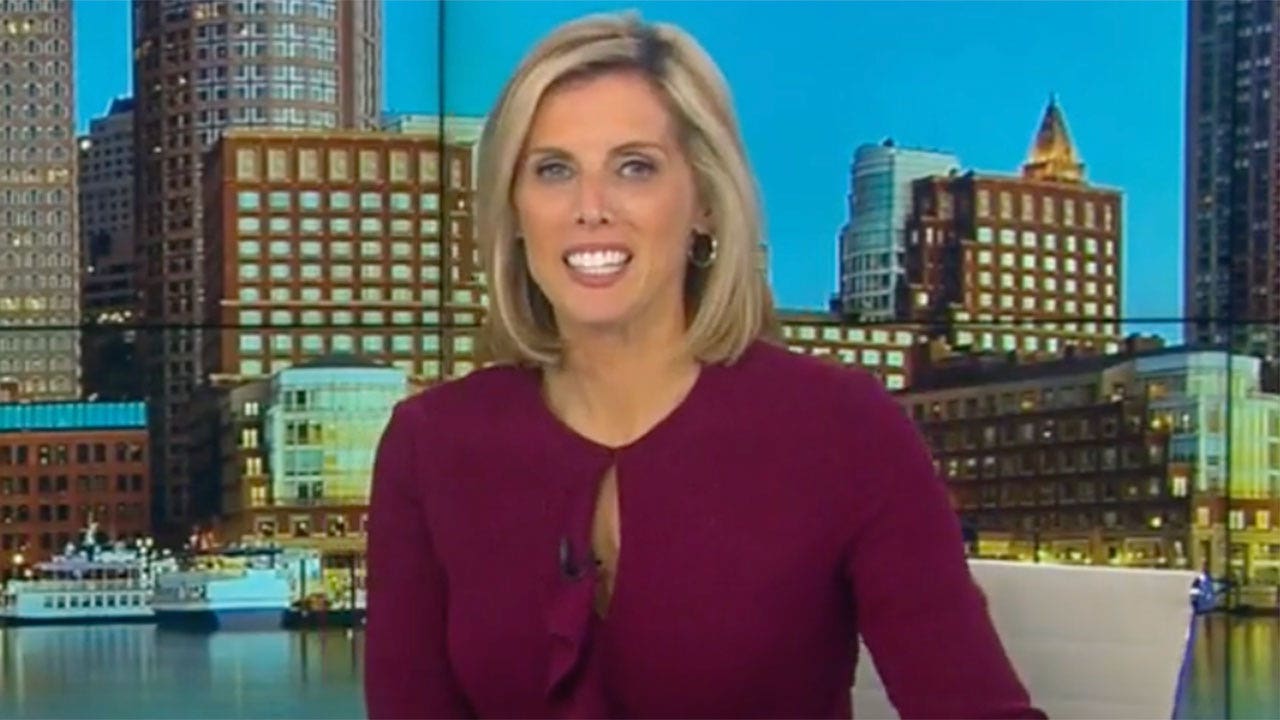
Kate Merrill’s experience serves as a call to action for media companies like CBS to reevaluate their policies and practices. To prevent discrimination, organizations must implement comprehensive training, establish clear reporting mechanisms, and ensure accountability at all levels.
Employees should feel safe and supported when raising concerns, and companies must be transparent about how they handle such issues. Only through sustained effort and commitment can the media industry hope to create an environment where all individuals are treated with respect and fairness.
How Viewers and Industry Professionals Can Support Change

Viewers and industry professionals alike play a role in promoting workplace equality. Supporting initiatives that advocate for fair treatment, amplifying voices like Kate Merrill’s, and demanding accountability from media organizations can drive meaningful progress.
By staying informed and engaged, the public can help ensure that discrimination allegations are taken seriously and that systemic change is prioritized.
Conclusion
Kate Merrill’s allegations of discrimination at CBS have sparked an important debate about fairness and transparency in the media industry. Her claims underscore the challenges many face when confronting bias, especially when it occurs behind the scenes. As the conversation continues, it is crucial for media companies to take meaningful steps toward creating inclusive workplaces. If you or someone you know has experienced workplace discrimination, don’t stay silent—speak up and support efforts to promote equality. Together, we can help build a media landscape where everyone has an equal opportunity to succeed.