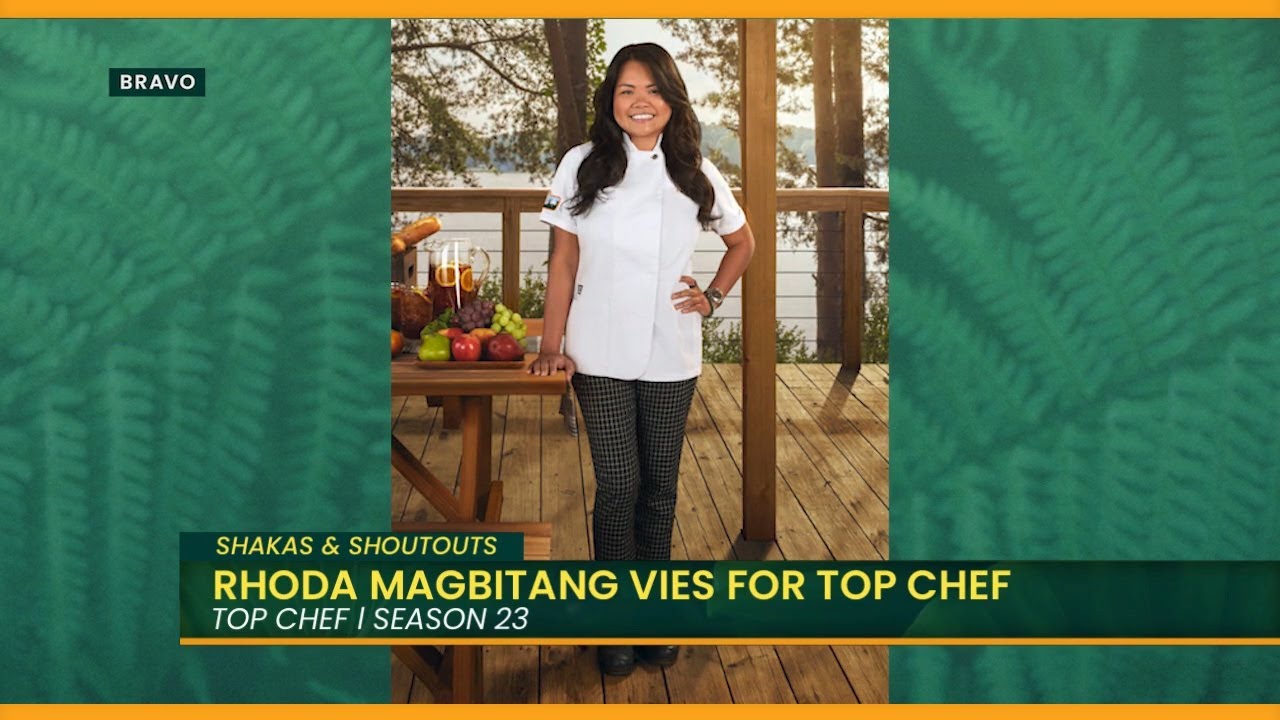
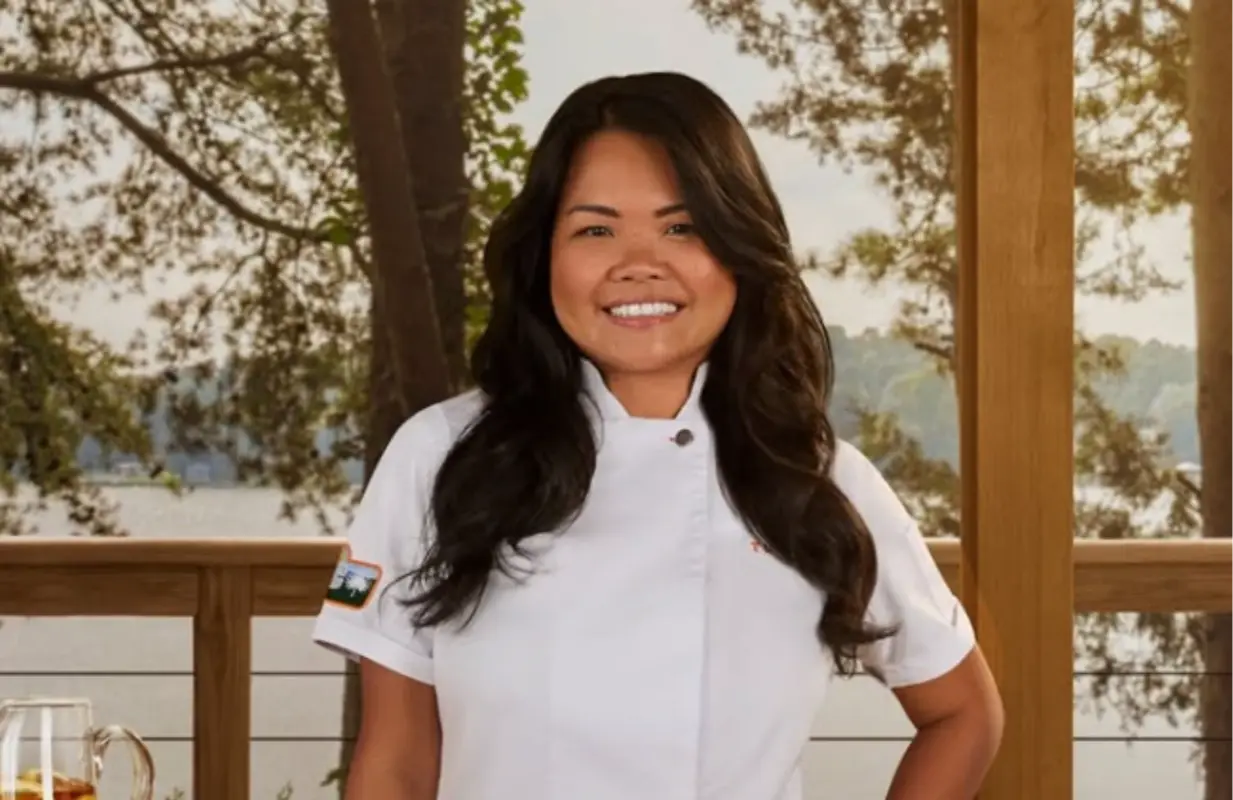
Rhoda Magbitang Declares She Does Not Need the Title of Top Chef Winner
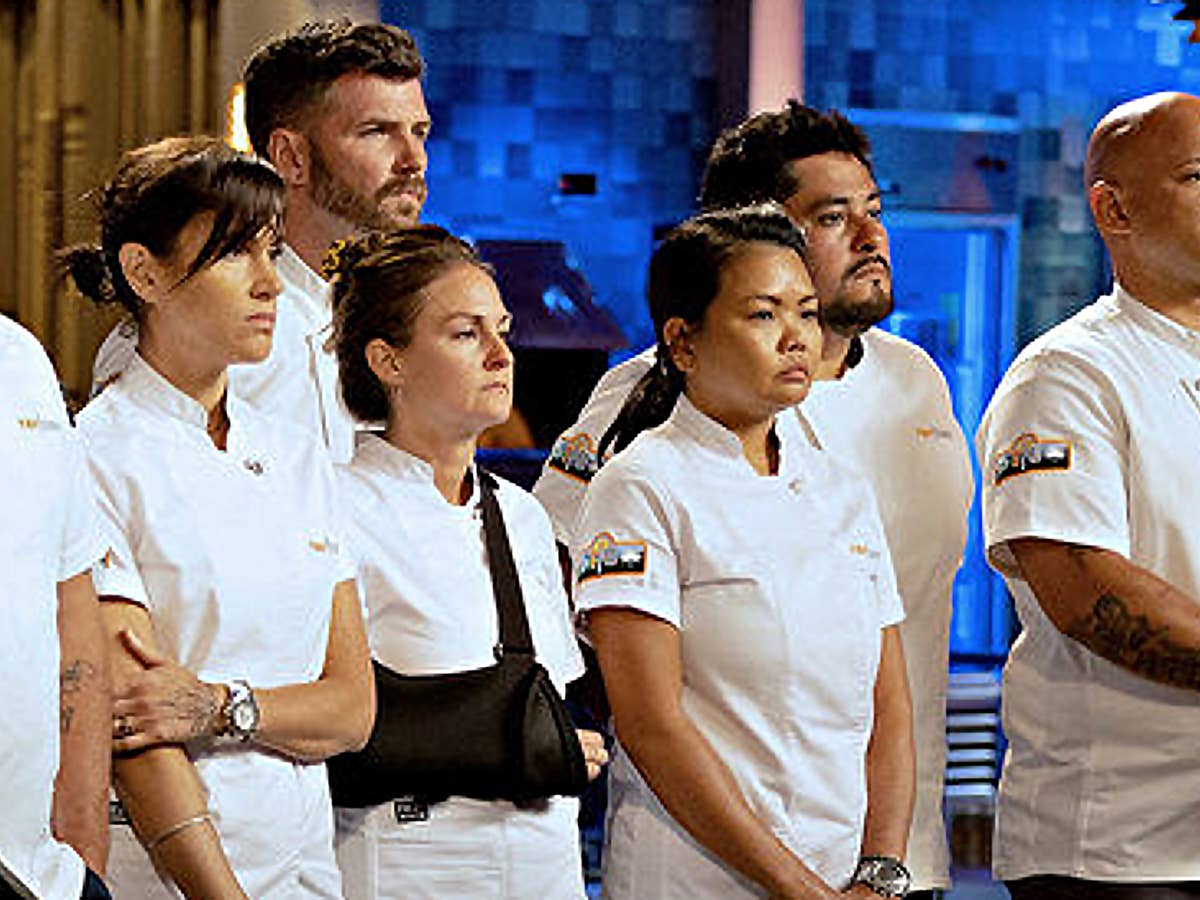
Rhoda Magbitang, a talented chef who recently appeared on the popular culinary competition Top Chef, has made a powerful and emotional statement that has caught the attention of fans and industry insiders alike. In a recent interview, Rhoda vehemently expressed that she does not need the title of Top Chef winner, accusing the show of exploiting her and stealing her intellectual work. This bold declaration has sparked widespread discussion about the treatment of contestants and the ownership of creative culinary ideas on competitive cooking shows.
Rhoda Magbitang’s Bold Statement: “They Exploited Me and Stole My Intellectual Work”
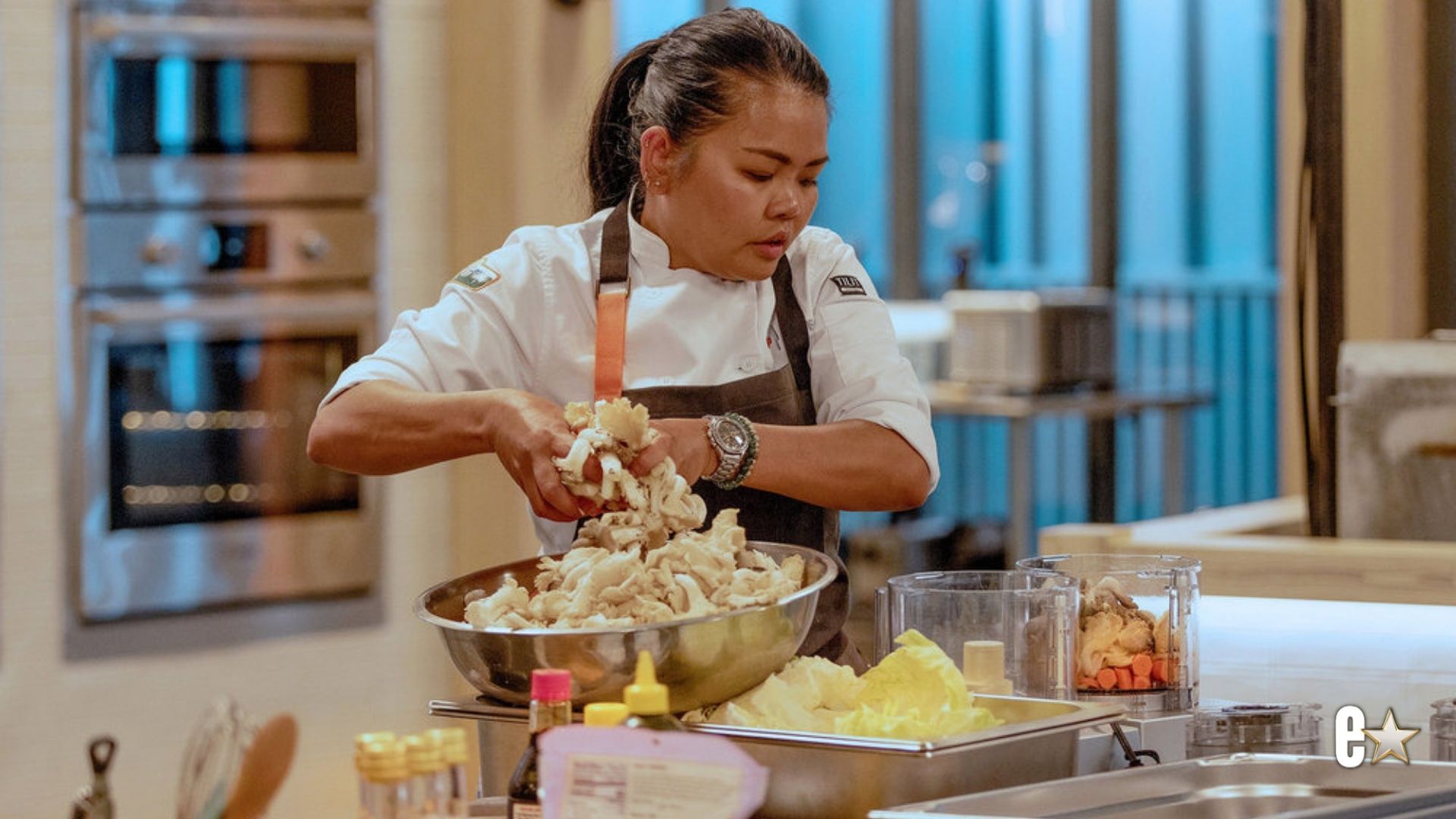
In her latest public statement, Rhoda Magbitang did not hold back her frustration and disappointment. She claimed that the producers and the show’s management took advantage of her talents without giving her the proper credit or compensation. According to Rhoda, her original recipes and culinary concepts were used without her consent, effectively stealing her intellectual property. This accusation raises important questions about the rights of chefs and creators who participate in reality TV competitions.
Rhoda’s words reflect a growing concern among many contestants who feel that their creative contributions are often undervalued or misappropriated in the pursuit of entertainment and ratings. Her refusal to accept the Top Chef winner title is a powerful statement of self-respect and a call for greater recognition of chefs’ intellectual property rights.
The Impact of Intellectual Property Theft in the Culinary Industry
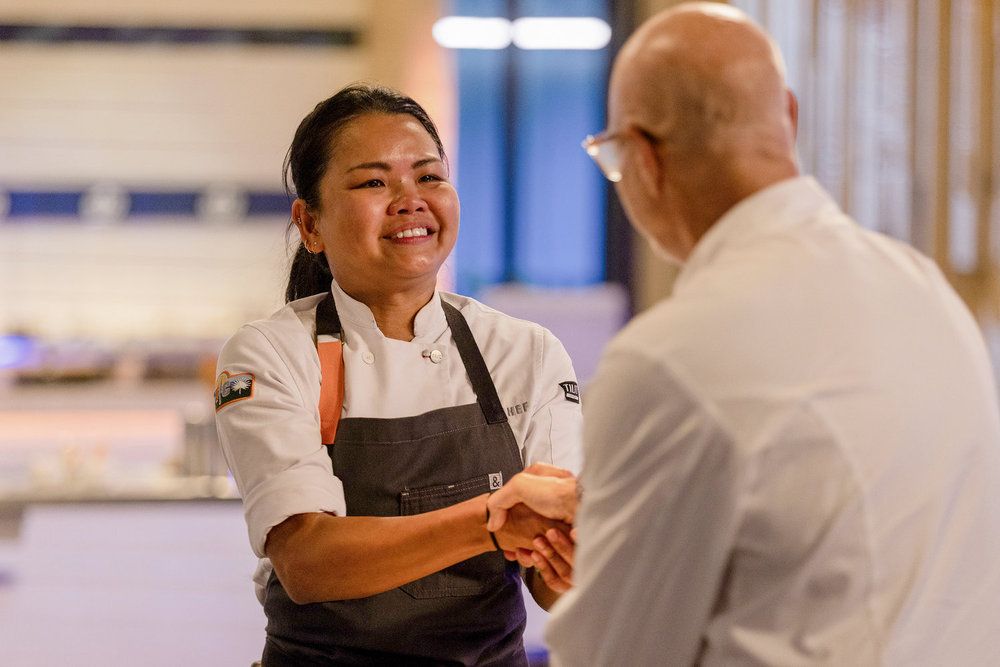
The culinary world thrives on creativity and innovation, with chefs constantly developing new recipes, techniques, and presentations. When these ideas are taken without permission or proper acknowledgment, it not only harms the individual chef but also undermines the integrity of the industry. Intellectual property theft in cooking competitions can discourage chefs from sharing their best work and stifle innovation.
Rhoda Magbitang’s experience sheds light on the need for clearer agreements and protections for contestants on cooking shows. Ensuring that chefs retain ownership of their original creations is essential for fostering a fair and respectful environment where talent can flourish without fear of exploitation.
What This Means for Future Contestants and the Industry
Rhoda’s public stance may inspire other contestants to speak out about their experiences and demand better treatment. It also puts pressure on production companies to review their policies regarding intellectual property and contestant rights. Transparency and fairness in these areas can improve the reputation of cooking competitions and attract more talented chefs who feel secure in showcasing their skills.
Moreover, this controversy highlights the importance for chefs to understand their legal rights before participating in such shows. Consulting with legal experts and negotiating clear terms can help protect their creative work and ensure they receive appropriate recognition and compensation.
Conclusion
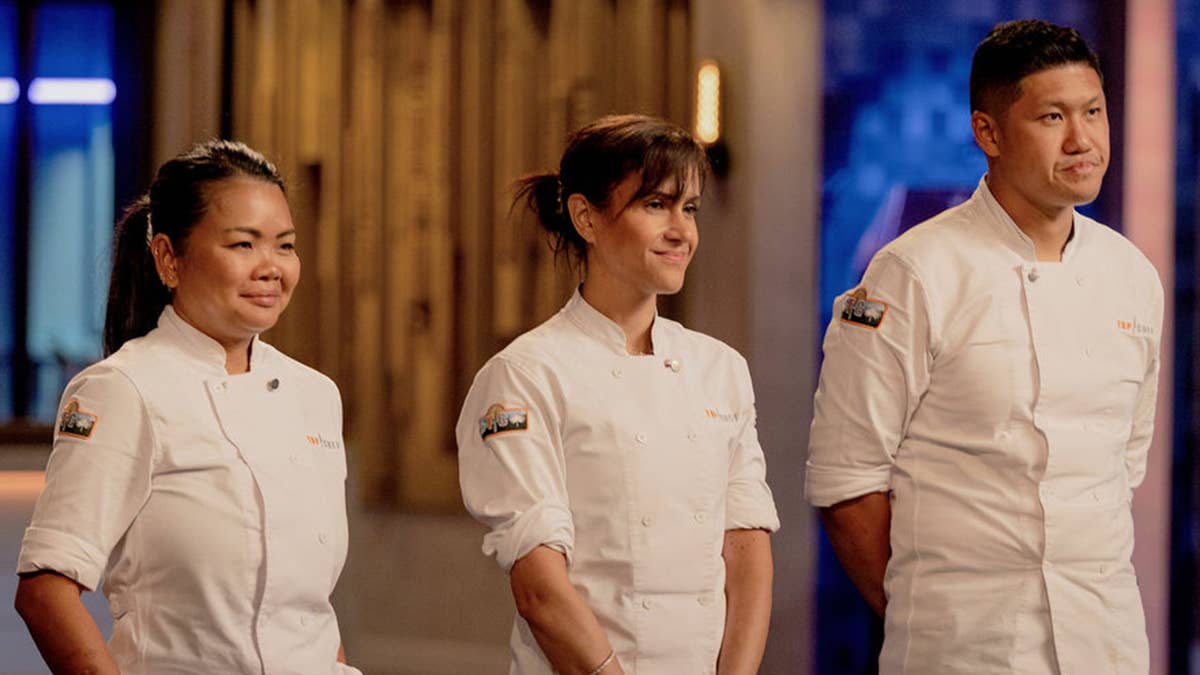
Rhoda Magbitang’s refusal to accept the Top Chef winner title and her accusations of exploitation and intellectual property theft have sparked an important conversation about fairness and respect in culinary competitions. Her courage in speaking out encourages chefs and contestants everywhere to stand up for their rights and demand transparency. If you are a chef or a creative professional, it’s crucial to protect your intellectual property and understand your rights before entering any competition. Stay informed, stay empowered, and don’t hesitate to advocate for yourself. For more insights on protecting your creative work and updates on this story, subscribe to our newsletter today!