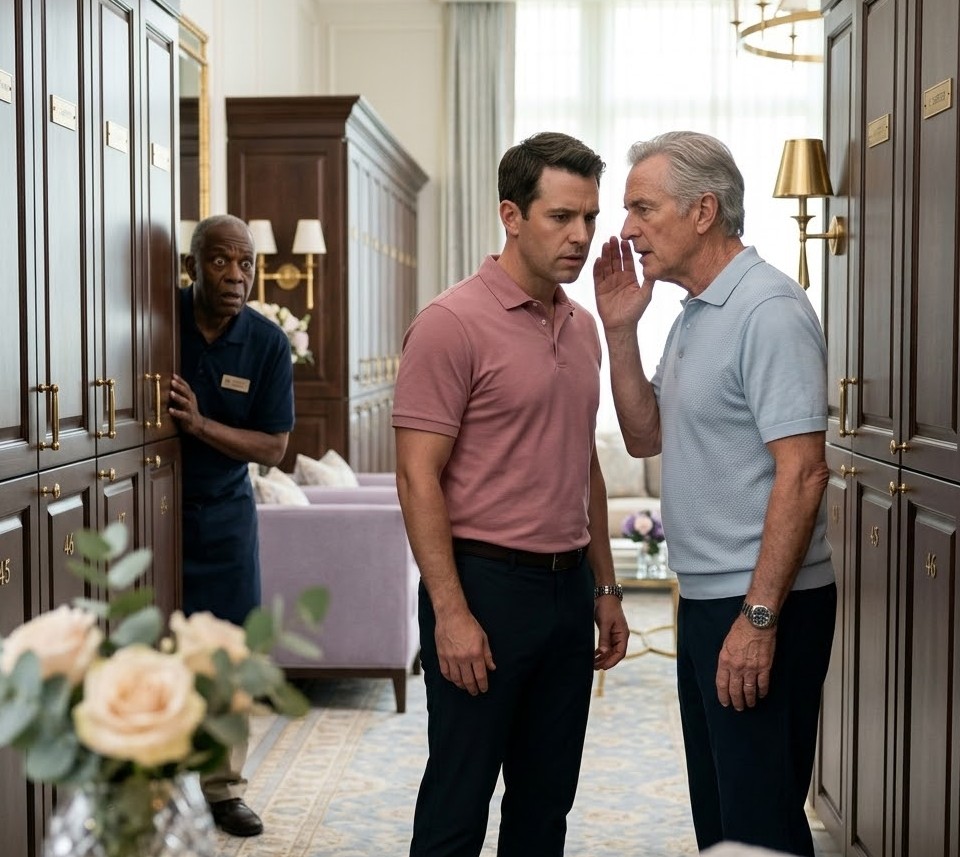
His Elder Brother Claimed the Entire Caldwell Estate After Their Father’s Death, But A Secret Document Revealed The True Heir Was Not Who Anyone Expected


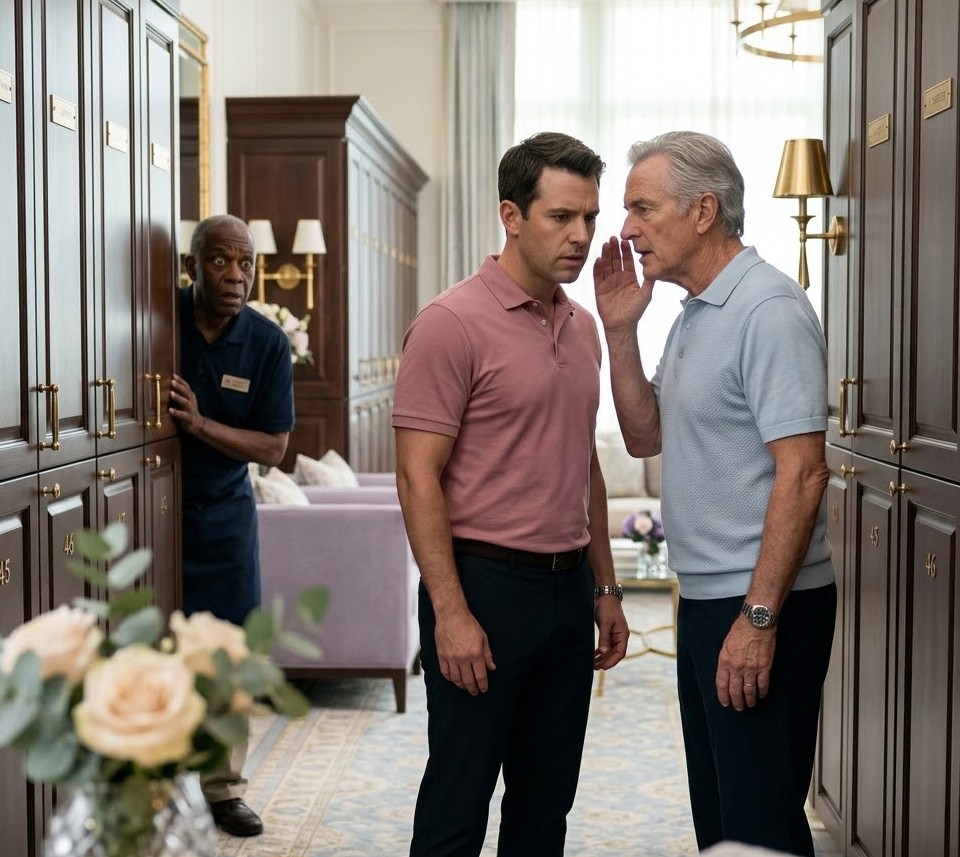
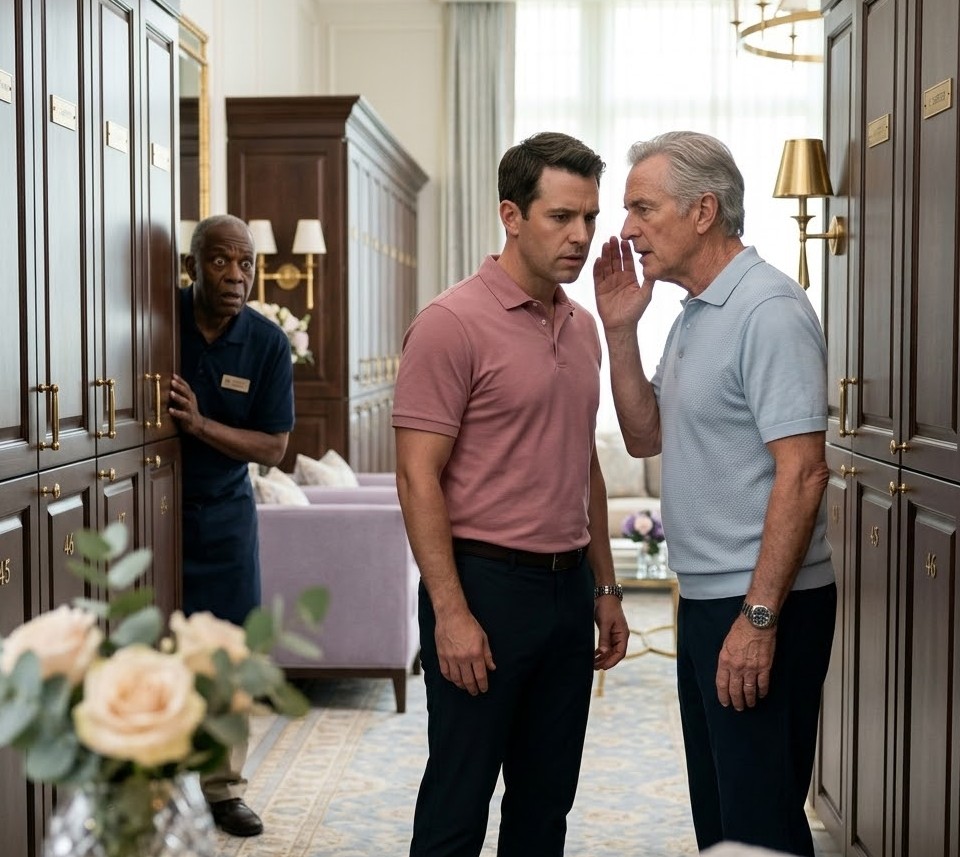
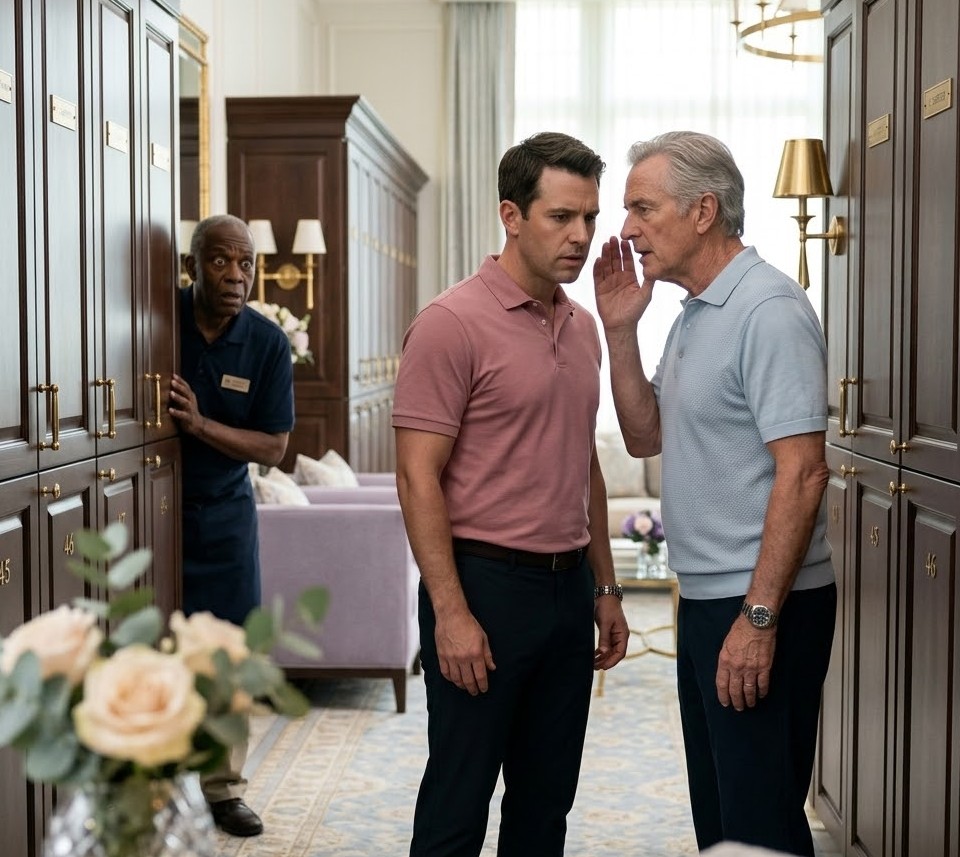

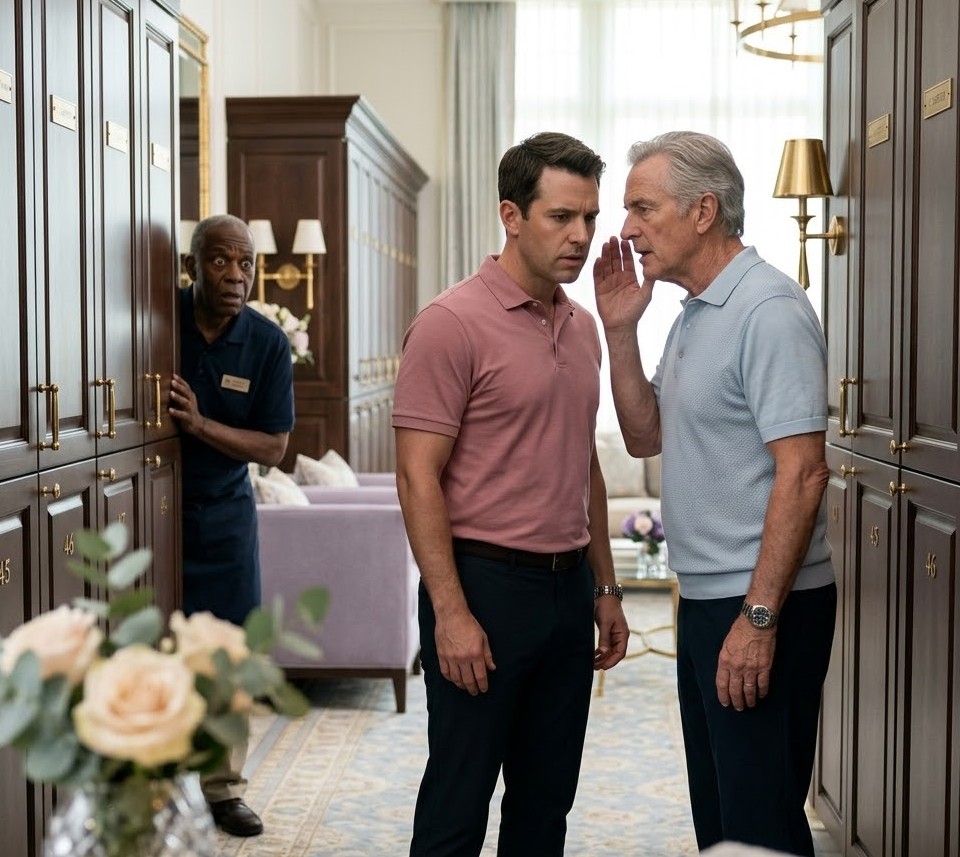
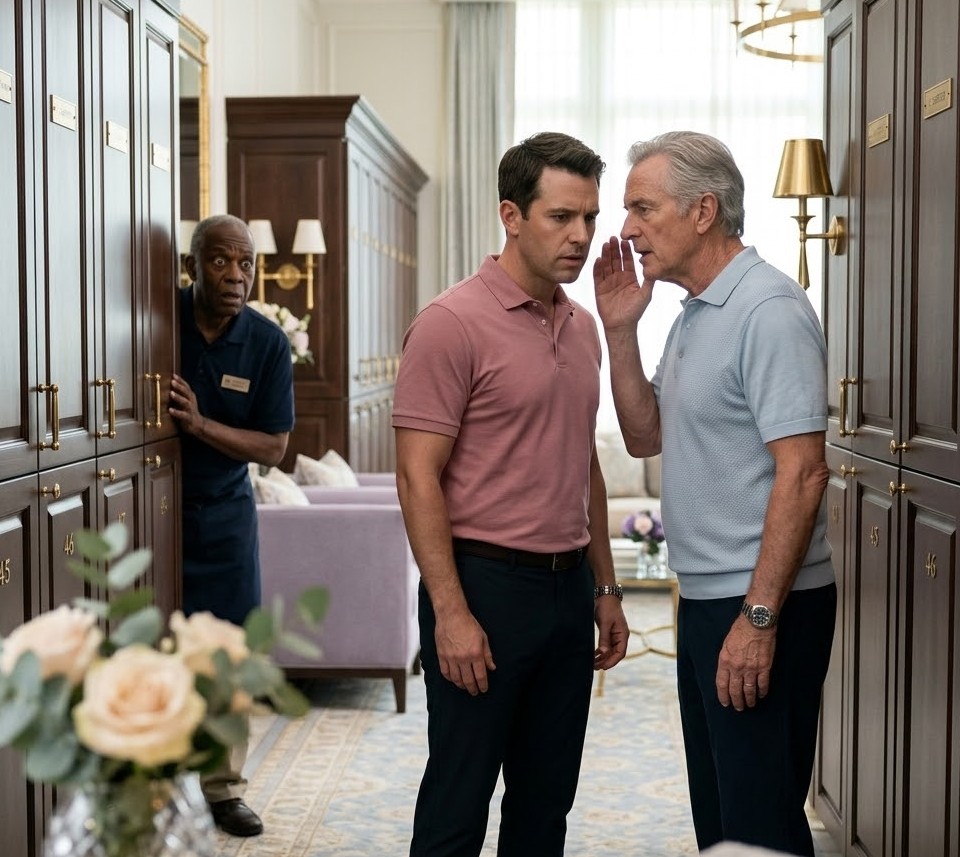
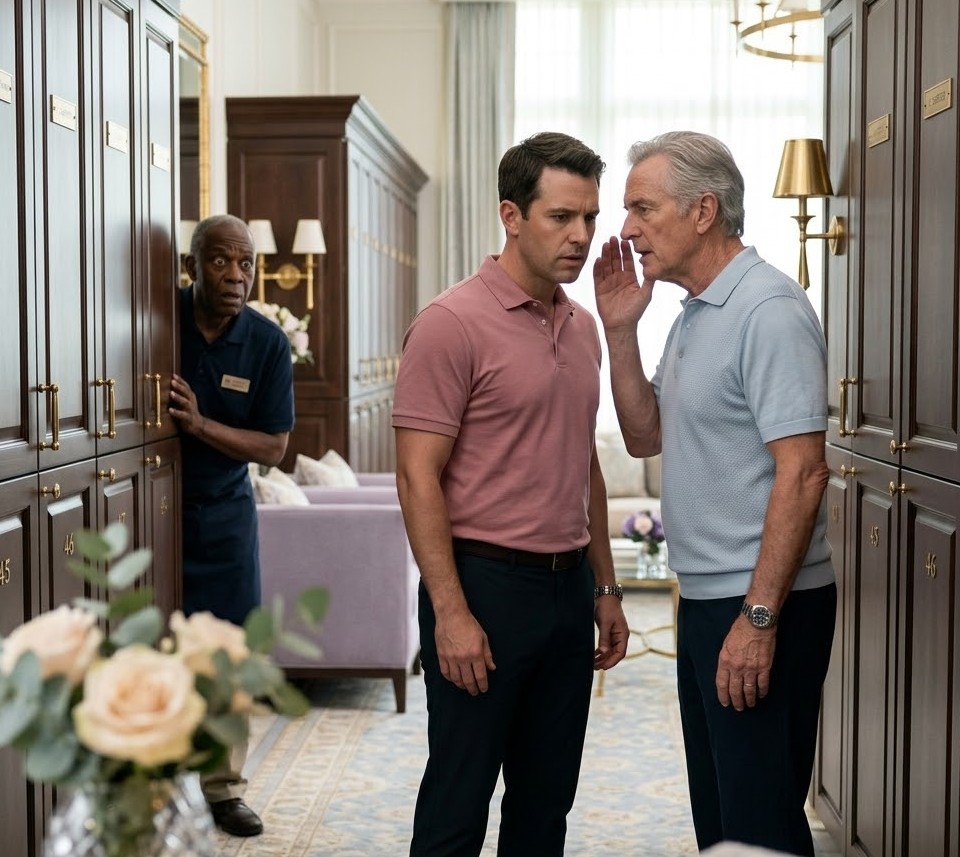
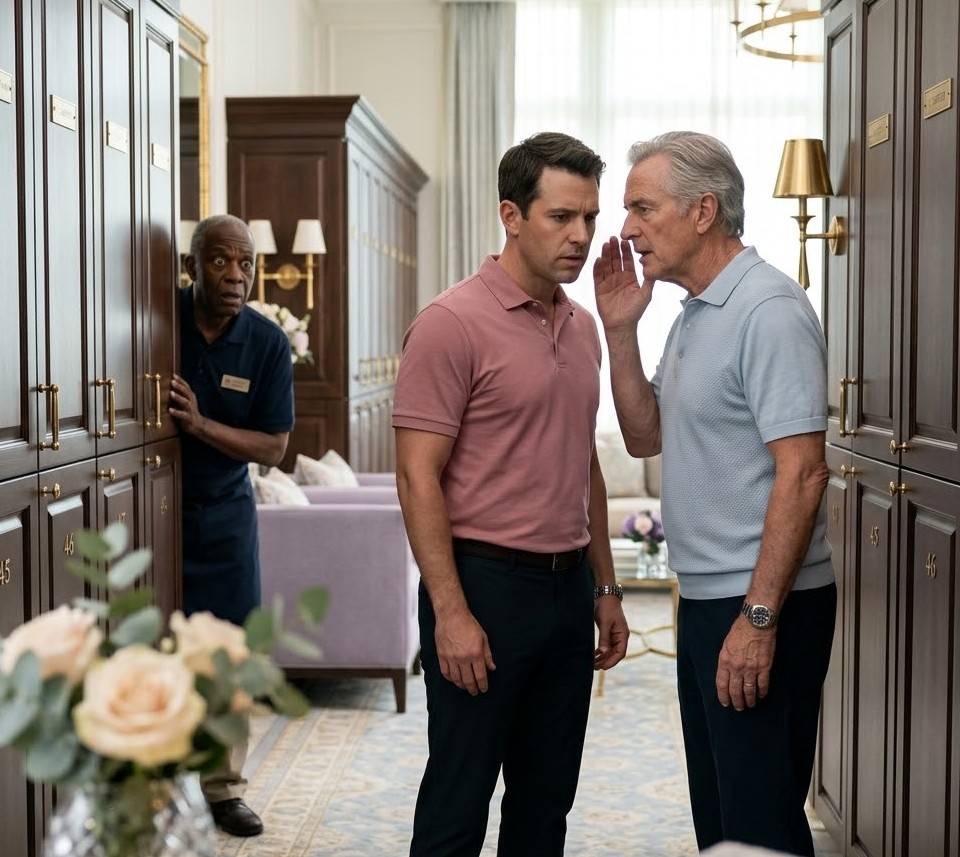

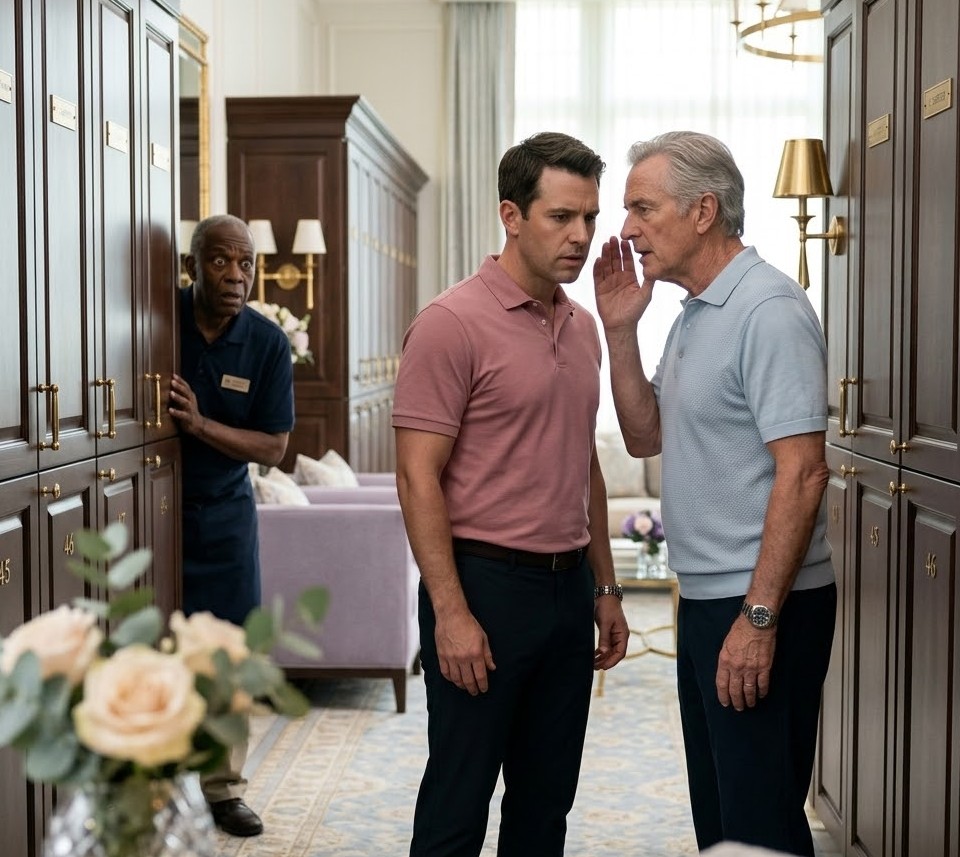
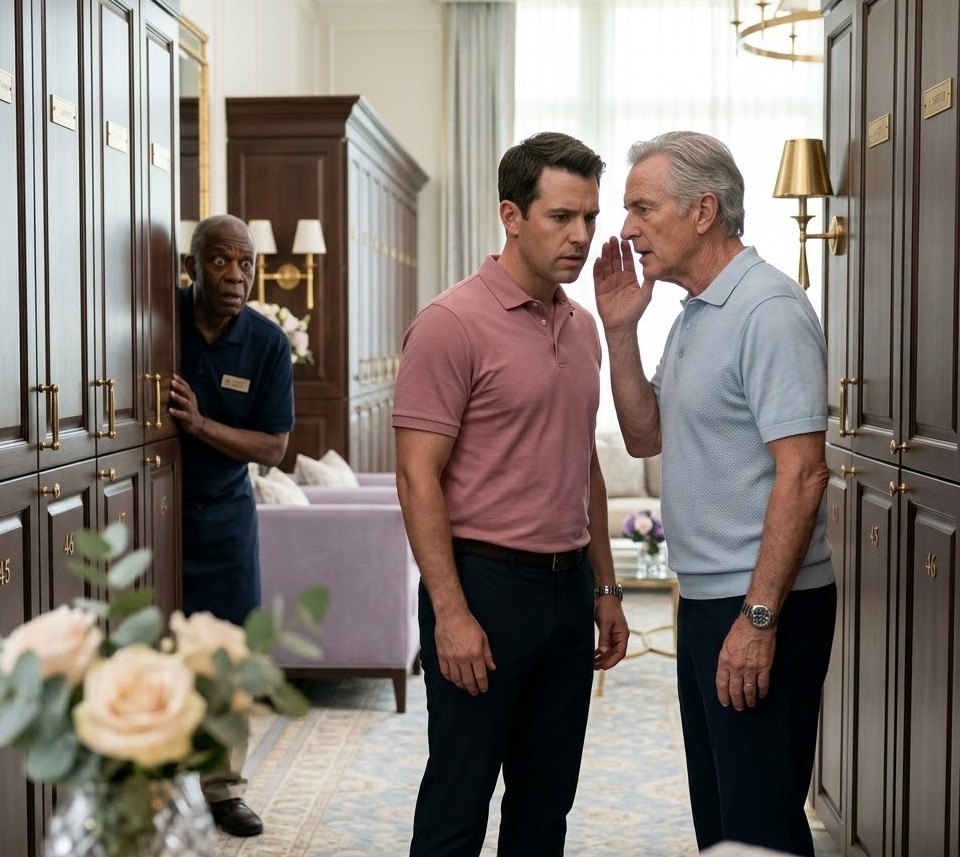
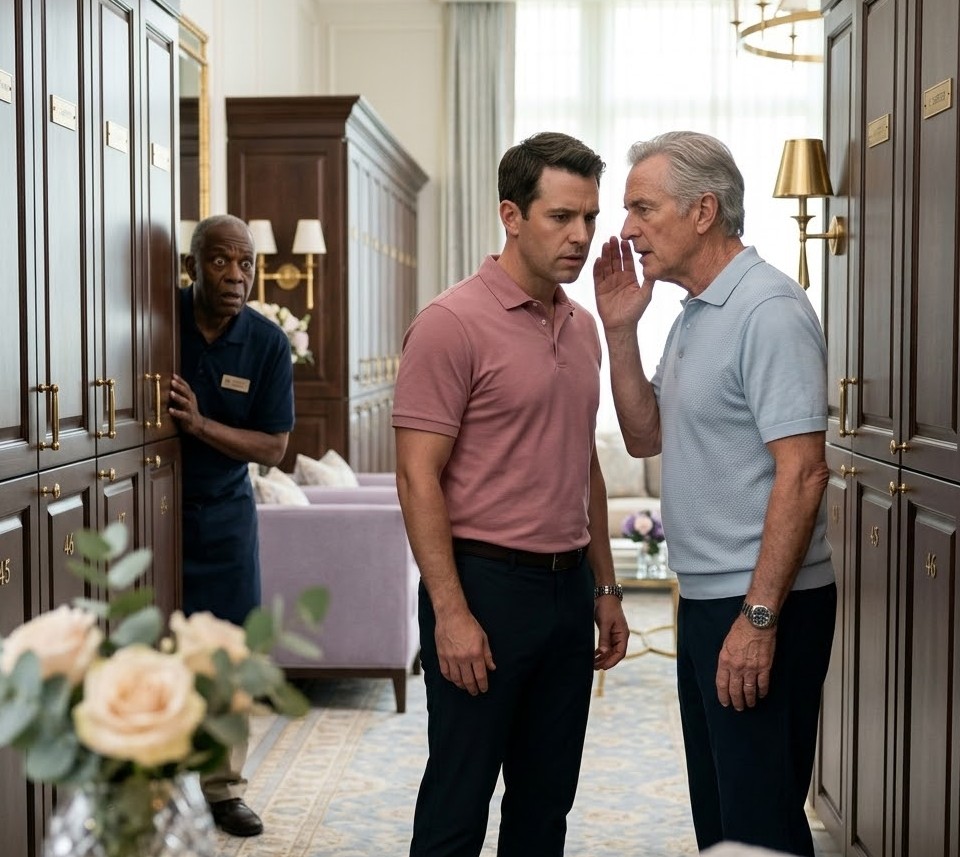
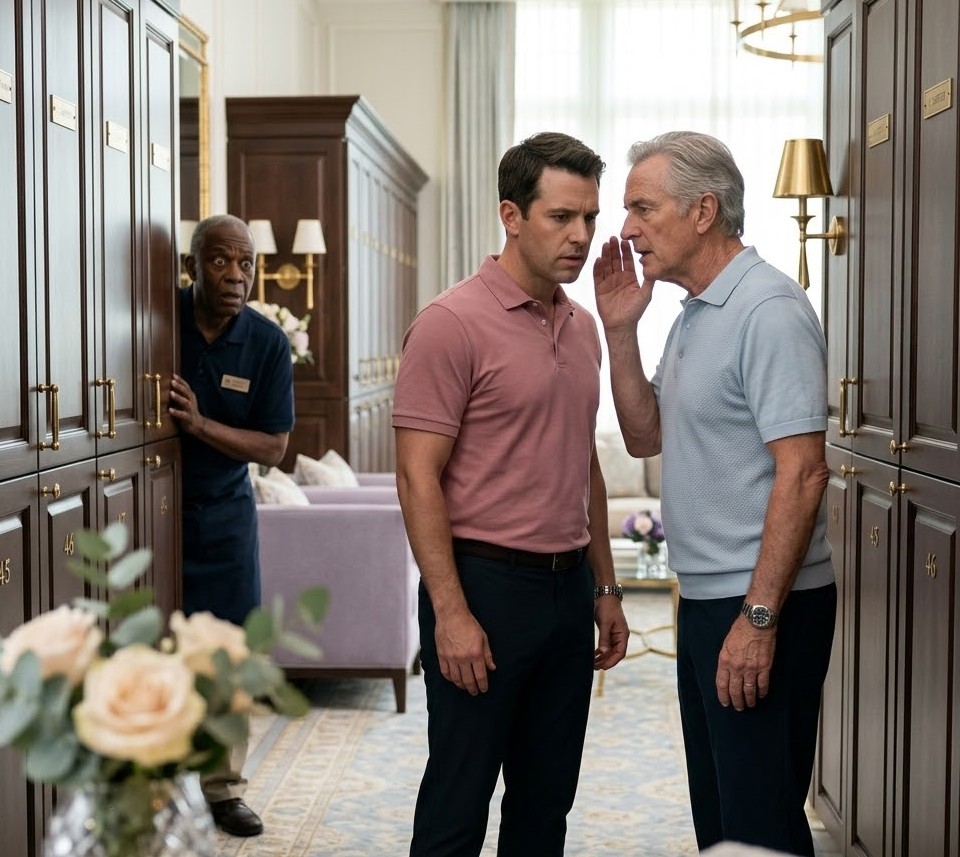
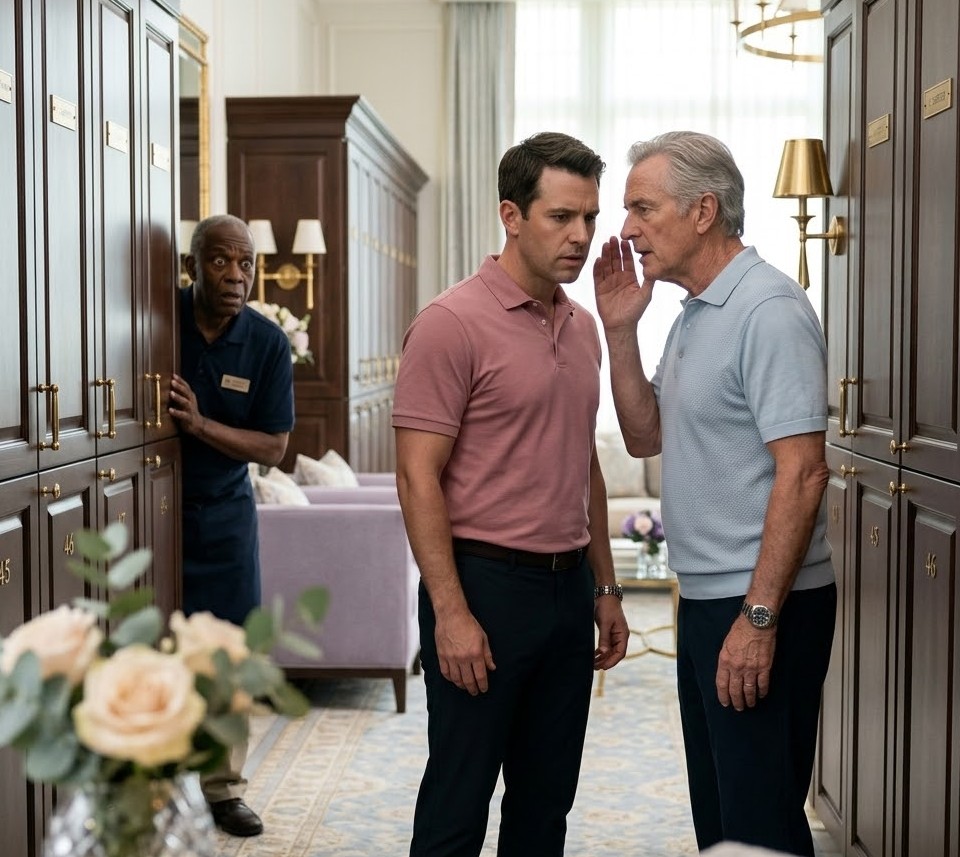
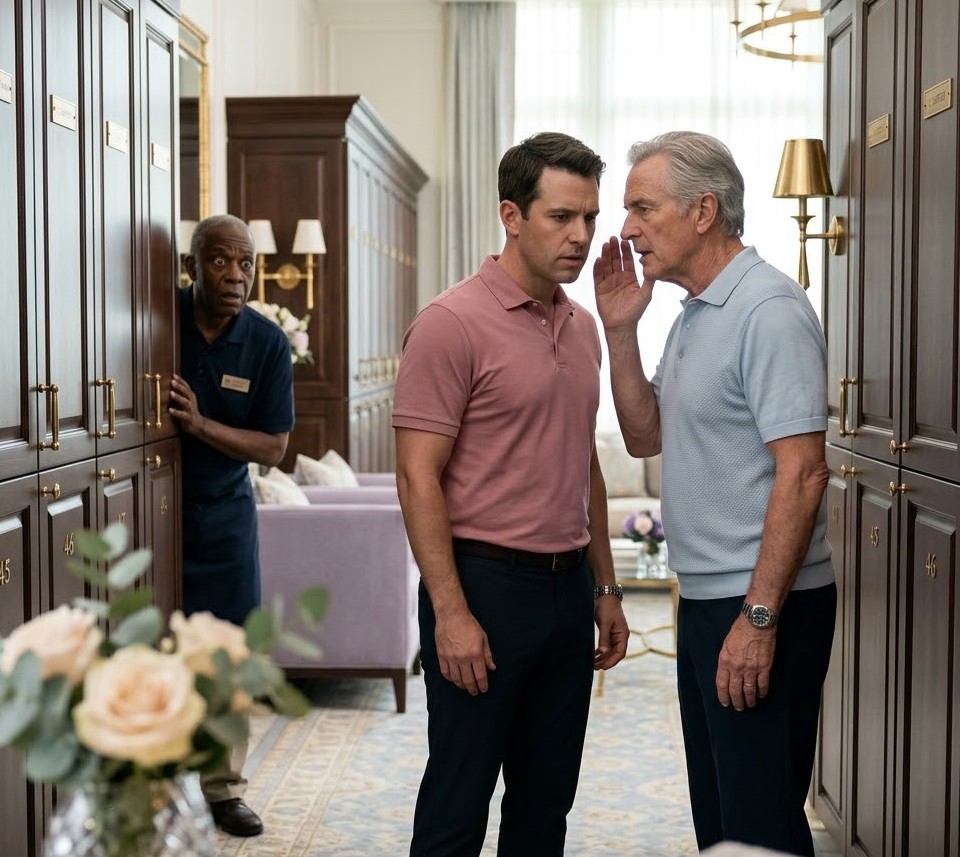
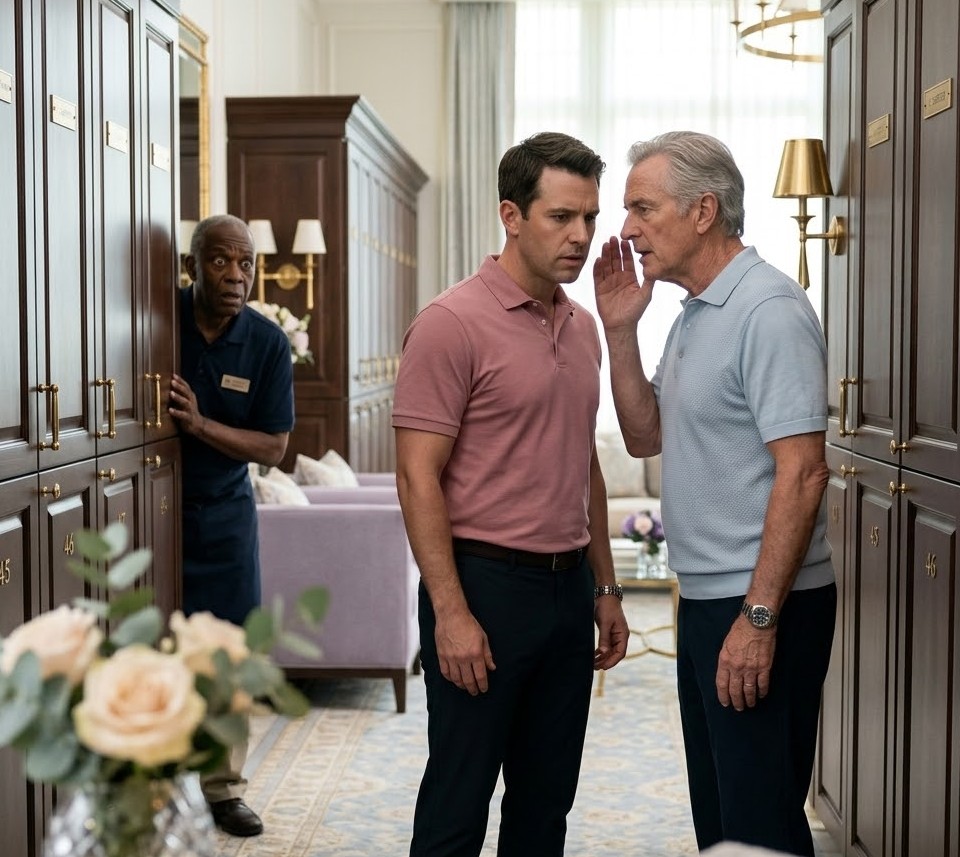
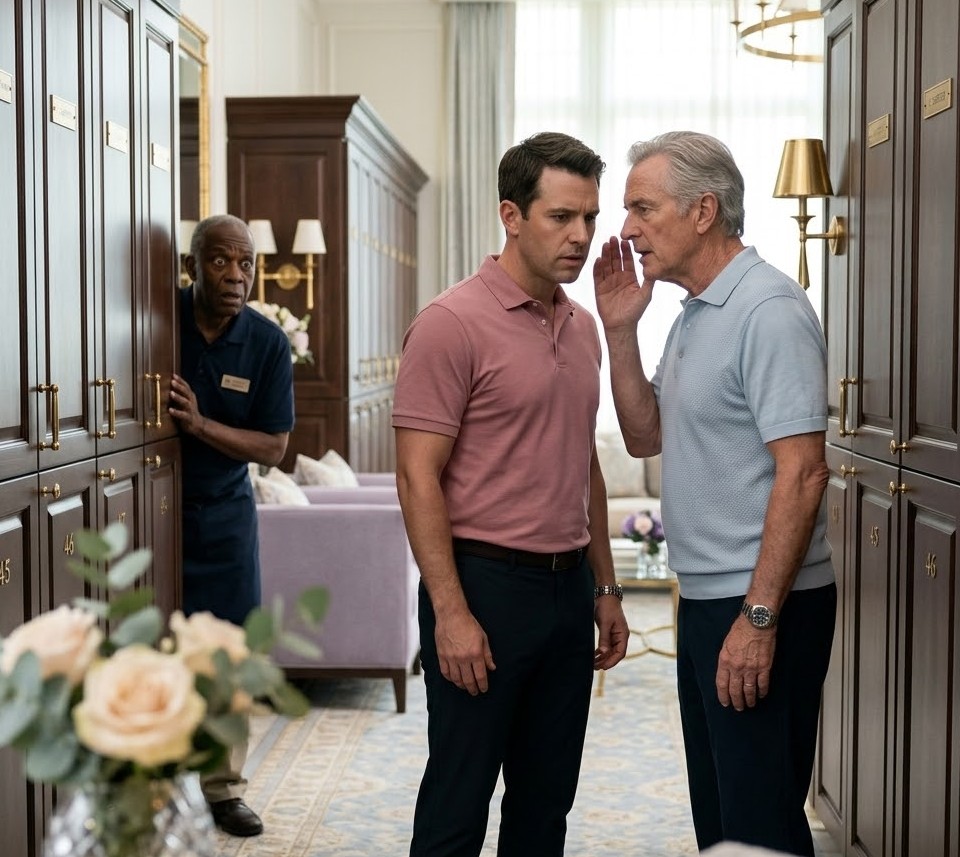
The heavy-bound document, Arthur Caldwell’s legitimate last will and testament, felt impossibly substantial in my hands. The date, January 14, 1865, stood as a silent rebuke to Silas’s claims. Ethan stood beside me, his small face reflecting my own awe and anticipation as we prepared to unveil the truth.
I carefully untied the thick red ribbon that secured the will. The pages, crisp and unmarred by time, rustled softly as I opened them. My eyes immediately sought out the distribution of the estate, my heart pounding with a mixture of hope and trepidation. I braced myself for the familiar wording that designated Silas as the primary heir, perhaps with some small, token gesture towards me.
But what I read instead stunned me into a profound silence.
The will indeed named me, Elias Caldwell, as the primary heir to the Caldwell estate, a wave of vindication washing over me. However, the details of that inheritance were radically different from anything I had ever imagined. It was not a simple transfer of wealth, but a complex, visionary directive.
A substantial portion, explicitly 30% of the Caldwell estate’s land—our most fertile tobacco fields—was to be immediately allocated. My breath hitched as I read on. Not for Silas, not for my personal use, but for a charitable trust. This trust was to be endowed with an additional significant fund: $12,000 in gold sovereigns, a princely sum in period currency, explicitly for its establishment and maintenance.
This trust was dedicated to a specific, groundbreaking purpose: the creation of an educational and vocational training center for the local freedmen community. My father’s words, flowing across the page, spoke of justice, of responsibility, and of rebuilding not just our family, but our community, in the wake of the war.
“It is our duty,” Father had written, his voice echoing from the page, “to uplift those who have suffered, to equip them with the tools of knowledge and skill, so they may forge their own futures in this new era. The Caldwell name shall not merely signify wealth, but responsibility.”
I looked up at Ethan, my mind reeling. The magnitude of my father’s vision was breathtaking. Silas’s forged will had been a simple, greedy grab for power, devoid of any such charitable, progressive intent. This true will, however, was a testament to Arthur Caldwell’s deep sense of social responsibility, a radical act of generosity in the Reconstruction-era South.
Ethan looked at me, his small face thoughtful. “What does ‘freedmen’ mean, Father?” he asked, his innocent question cutting through the shock.
I swallowed hard, my voice thick with emotion. “It means men and women who were once enslaved, son. Your grandfather wanted to help them build new lives, to learn trades, to read and write. He wanted to give them a real chance.”
The weight of this responsibility, this profound obligation, settled over me. It was not just an inheritance of land and wealth, but an inheritance of purpose, a challenging and noble legacy that went far beyond mere property. It was a beautiful, powerful act of justice, a stark contrast to Silas’s petty cruelty.
My father’s will wasn’t just a document of property transfer; it was a blueprint for social change, a daring act of defiance against the prevailing attitudes of the time. It made Silas’s treachery even more despicable, for he had sought to erase not just my claim, but this extraordinary vision of a more just future. The true inheritance was not just mine to claim, but mine to build.
More Stories












+ There are no comments
Add yours