
O'Connell Patriarch Humiliates Daughter with a Tarnished Gold Coin, Unwittingly Revealing a Hidden Family Charter and His Own Financial Deceit


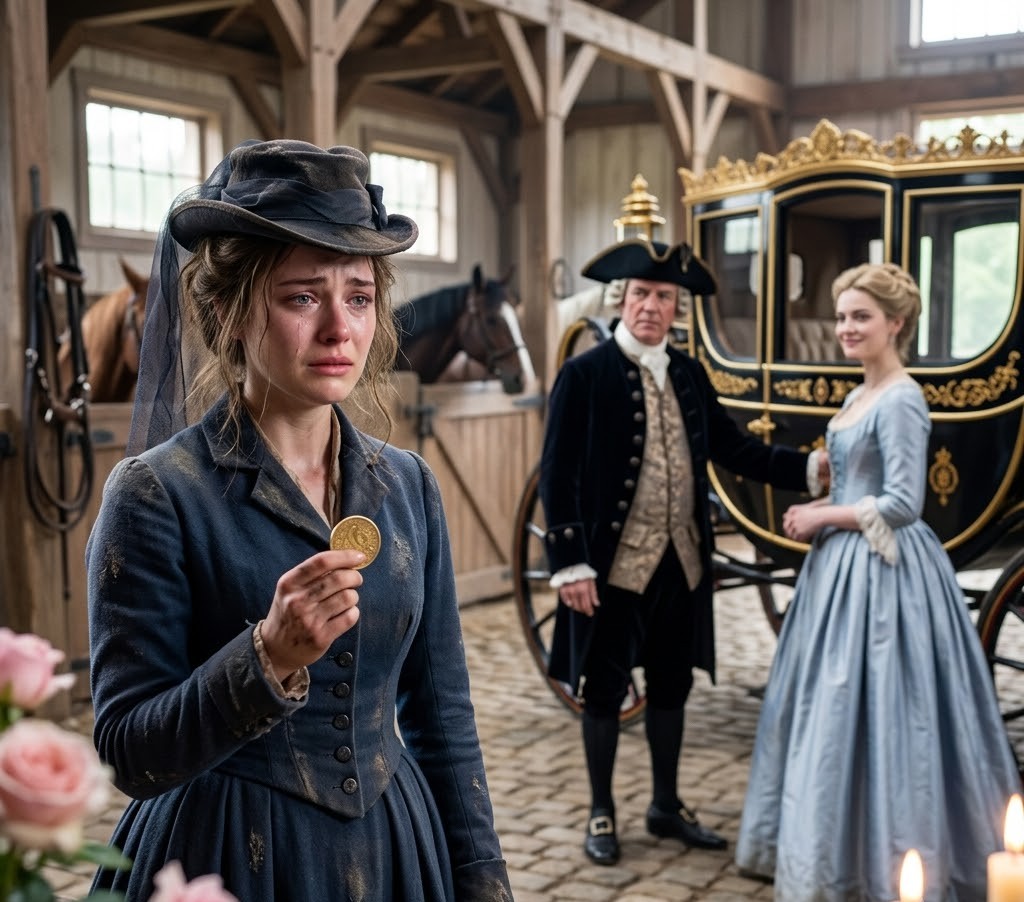


The bank’s foreclosure notice on Havenwood arrived like a physical blow, a harsh culmination of Patrick’s catastrophic deceit. Fiona and I held the official documents in our hands, the legal jargon cold and unyielding. We had fought for the truth, exposed the fraud, and legally secured our joint inheritance, but the victory tasted like ashes. Patrick’s $1.2 million line of credit, coupled with the exorbitant interest, penalties for fraud, and escalating legal fees, meant Havenwood was not merely indebted; it was financially crippled.
We sat in Grandfather’s study, the very room where the Legacy Ledger had been hidden, the weight of the new reality pressing down on us. The silence was thick, broken only by the rustle of official papers.
“We won,” Fiona said, her voice hollow. “But it feels like we’ve lost everything.”
I nodded, the words catching in my throat. The image of the gleaming new touring car Patrick had given her, contrasted with my tarnished gold coin, now felt like a cruel, twisted prophecy. The “inheritance” he had deemed appropriate for my “independent spirit” had, in the end, proven to be a heavy, relentless burden.
“The bank is moving quickly,” I stated, reading from the notice, the numbers swimming before my eyes. “They’ve given us a limited window to clear a substantial portion of the debt, or they will proceed with the sale.”
The reality was stark. To prevent Havenwood from being sold off, piece by agonizing piece, we faced years of concerted effort and immense personal sacrifice. The scale of the financial hole Patrick had dug was astronomical. It meant every personal resource, every penny Fiona and I possessed, and likely, far more, would need to be poured into saving the estate.
“We might have to sell off parts of the ancestral land,” Fiona whispered, her eyes fixed on the rolling hills outside the window, visible through the study’s heavy curtains. The thought of divesting cherished family acreage, land that had been in the O’Connell name for generations, was a profound, personal cruelty. It was a direct result of Patrick’s greed, forcing us to dismantle the very legacy he claimed to protect.
“Or the art,” I added, looking at the portraits lining the walls, the antique furniture, the priceless artifacts that filled Havenwood. “To pay off his debts, to save the core of the estate.”
The irony was not lost on us. We had fought to claim our rightful inheritance, only to inherit a monumental struggle. The sense of a “circular” ending, as if we were back at the beginning but with a far heavier burden, was palpable. Patrick had stripped us of a clean slate, leaving us with a colossal mess. The ancestral estate, once a symbol of stability and heritage, was now a fragile, vulnerable entity, teetering on the brink of collapse. His betrayal had not ended with his public shaming; it continued to inflict concrete, financial damage on our lives and the future of Havenwood.
Fiona rose, walking to the window, her back to me. “He didn’t just defraud the estate, Evie. He stole our peace. He stole the simple joy of inheriting something beautiful.”
Her words articulated the personal, intangible loss that accompanied the financial devastation. We hadn’t inherited a castle; we had inherited a battlefield. The path ahead was daunting, a long, arduous journey of rebuilding and sacrifice. The gold coin, once a symbol of insult, was now a painful reminder of the price of truth. The fight for justice had been won, but the true cost of that victory was only just beginning to unfold. Havenwood, our legacy, our home, was saved from Patrick’s control, but it was far from truly secure.
More Stories





+ There are no comments
Add yours