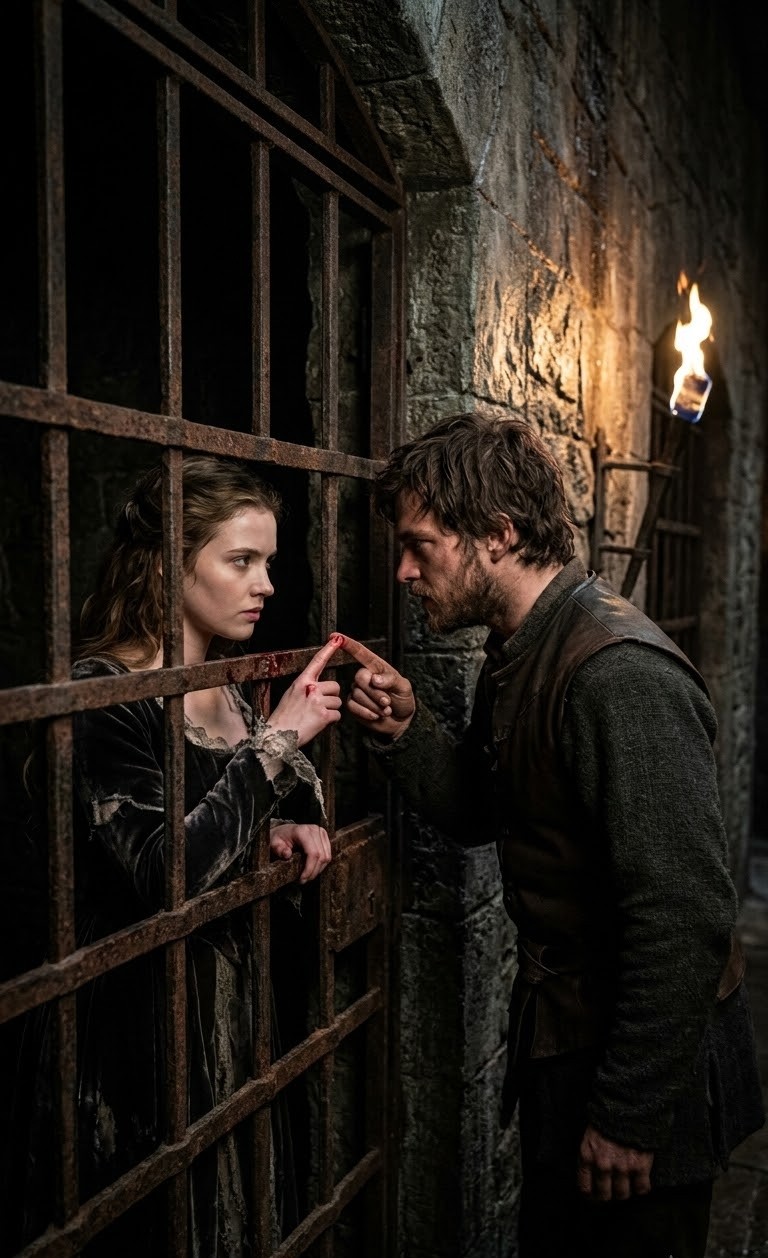
Framed for Adultery by Her Husband, a Southern Matron Strikes a Desperate Pact in a Cold Cellar to Reclaim Her Family's Legacy


In the immediate aftermath of the grand hall’s collapse, the Maxwell estate was a hive of legal activity. Investigations commenced, led by Sheriff Beaumont, unearthing every layer of fraud and deceit. Arthur, recovering from his injuries under guard, and Eleanor, her imperious facade shattered, faced a barrage of charges. Their once formidable power was utterly broken.
Amidst this maelstrom, I made a profound choice. Elias, now holding the original deeds, was recognized as the rightful heir to his father’s vision for the Beaumont-Maxwell syndicate. He approached me, a quiet gratitude in his eyes, ready to officially transfer my rightful claim back to me.
“Vivienne,” Elias began, his voice softer than I had ever heard it, “the syndicate is rightfully yours, or at least a significant portion of it. Your family’s legacy. You fought for it. It’s time to reclaim what was stolen.”
I looked at the documents, the names, the vast numbers representing immense wealth. For so long, reclaiming my inheritance had been my driving force, a burning desire for justice and vindication. But as I held the ancestral totem, now quiet and still against my chest, a different path unfolded before me. The wealth, the public acclaim that would come with reclaiming it, suddenly felt hollow. The truth was out; that was my real victory.
“The legacy is not just in the money, Elias,” I replied, my gaze meeting his. “It is in the purpose. In the integrity that my family always upheld.”
He listened intently, his head tilted. “What do you propose, then?”
“I publicly announce my intention to transfer full ownership of the Beaumont portion to you, Elias Maxwell,” I stated, my voice firm. “As the rightful heir to your father’s vision. But with a stipulation. A significant portion must be permanently endowed to support education and community rebuilding efforts in this war-ravaged region.”
Elias’s eyes widened, a flicker of surprise, then deep understanding, crossing his face. “A philanthropic endowment? Instead of reclaiming it for yourself?”
“Yes,” I affirmed. “This land, these people, they have suffered. The Beaumont legacy was always about more than just profit; it was about stewardship. Let us use this fortune, not for personal gain, but for genuine restoration. For rebuilding what the Maxwells sought to destroy.”
This was the sacrifice. I forewent my personal claim to the vast fortune, the public adoration that would come with reclaiming it for myself. I chose a quieter path, a less prominent future, to ensure a greater good. The casual cruelty of the war’s lingering effects, the widespread poverty and lack of opportunity, made the endowment a pressing need.
Elias slowly nodded, a rare, genuine smile touching his lips. “My father… he would have approved, Vivienne. More than approved. He always spoke of using our prosperity for the good of all.”
My decision brought a profound sense of peace. The battle had been won, not with a personal triumph of wealth, but with an act of enduring purpose. Justice, I realized, was not about restitution of personal fortune, but about restoring balance, about healing the wounds left by greed and corruption. It was a profound warmth beat, a moment of selfless grace.
I then arranged for Martha to be settled comfortably. Her lifelong loyalty, her unwavering support, deserved more than just thanks. I secured a small, charming cottage for her on the outskirts of the revived Beaumont lands, ensuring her financial security for the rest of her days. She cried, clutching my hands, overwhelmed by the gesture.
“You are too good, Vivienne,” she wept, her voice thick with emotion. “Too kind. After all you’ve been through…”
“You were my rock, Martha,” I replied, my own eyes welling with tears. “My truest family. This is the least I can do. It is a true legacy, built on loyalty and love, not on greed.”
The resolution of Martha’s subplot, her unwavering loyalty rewarded, brought a quiet satisfaction. It was a testament to the enduring bonds of genuine affection, a stark contrast to the Maxwells’ treacherous internal dynamics. The Beaumont legacy, cleansed of the Maxwell stain, would now be redefined by compassion and communal uplift, not by avarice. The silence of true freedom, I realized, tasted far sweeter than the loudest applause for a triumph I no longer needed.
More Stories














+ There are no comments
Add yours