
Her Husband Called Her a Parasite in Front of Family, But a Top Doctor's Arrival Revealed the Unspoken Truth About Her Medical Heroism


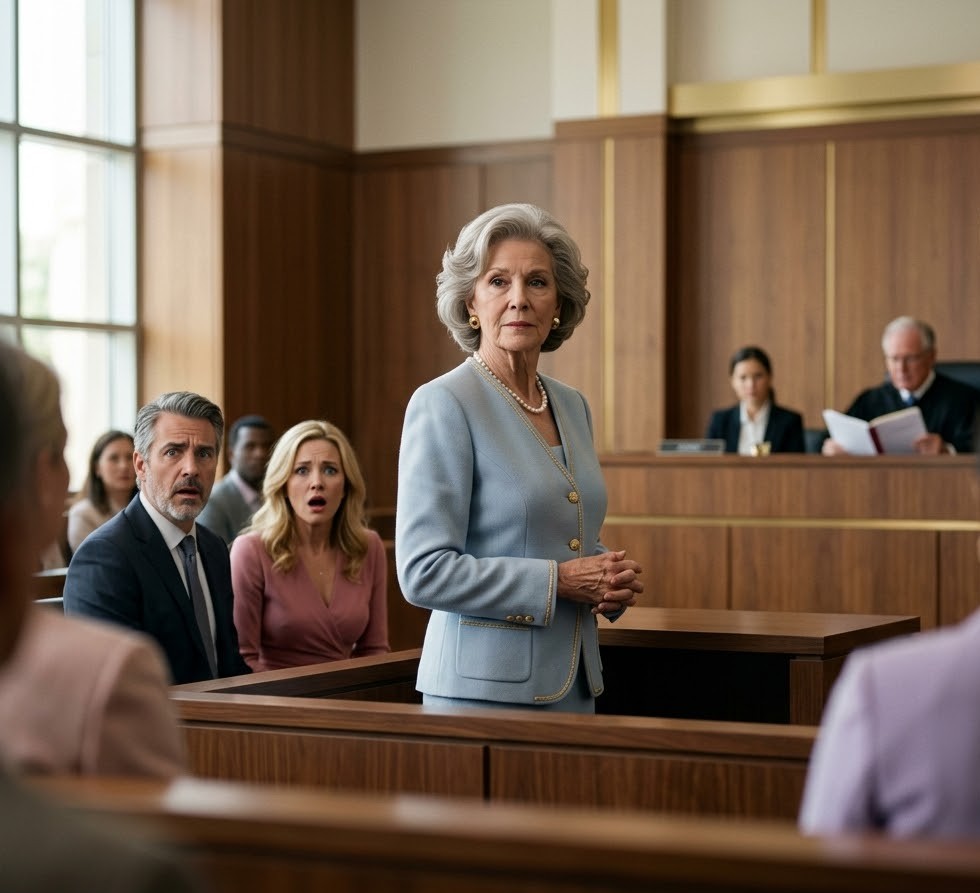
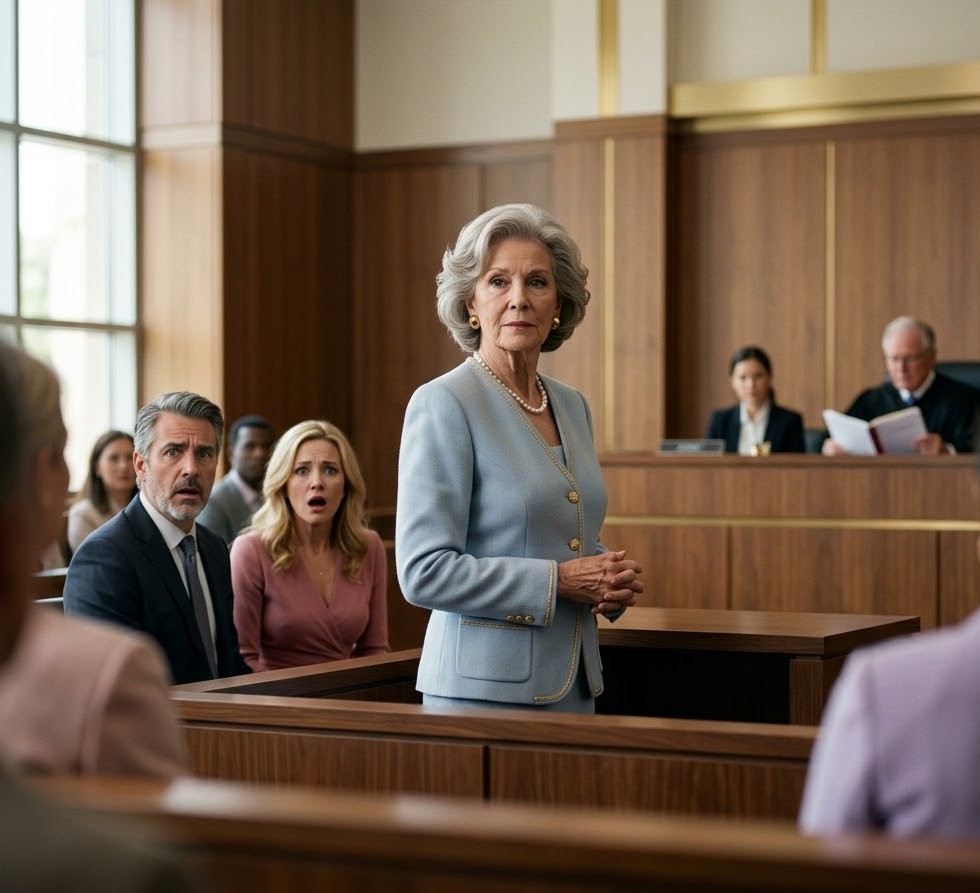
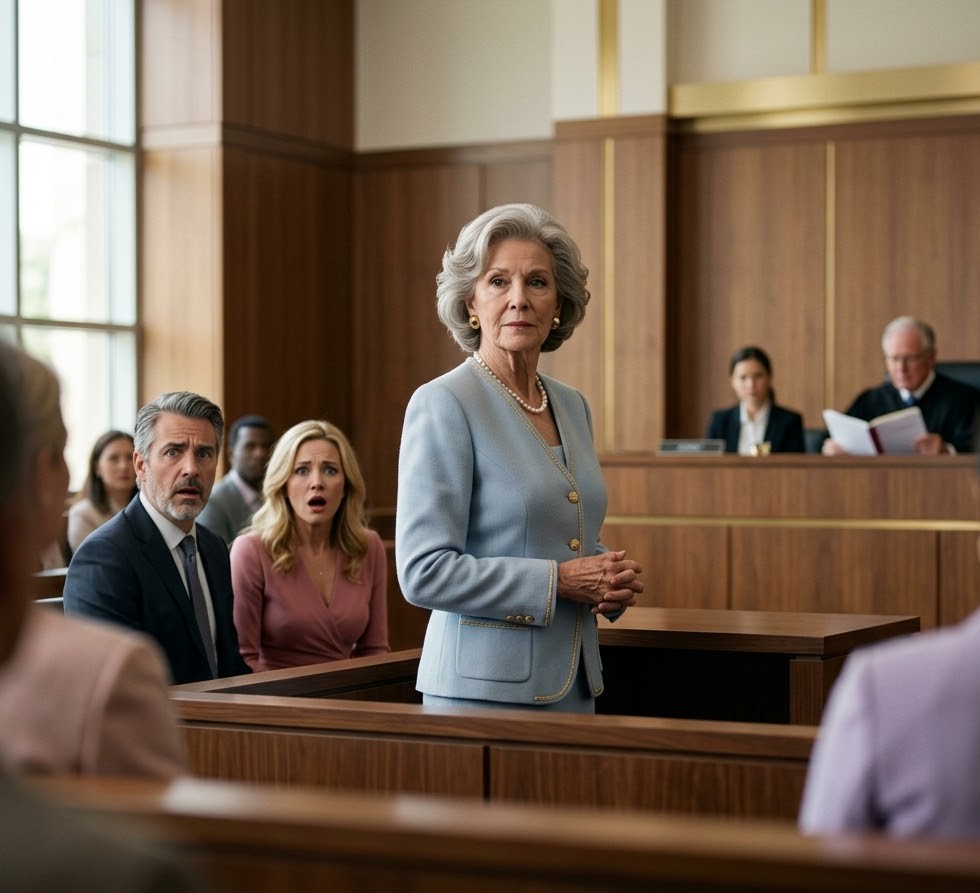

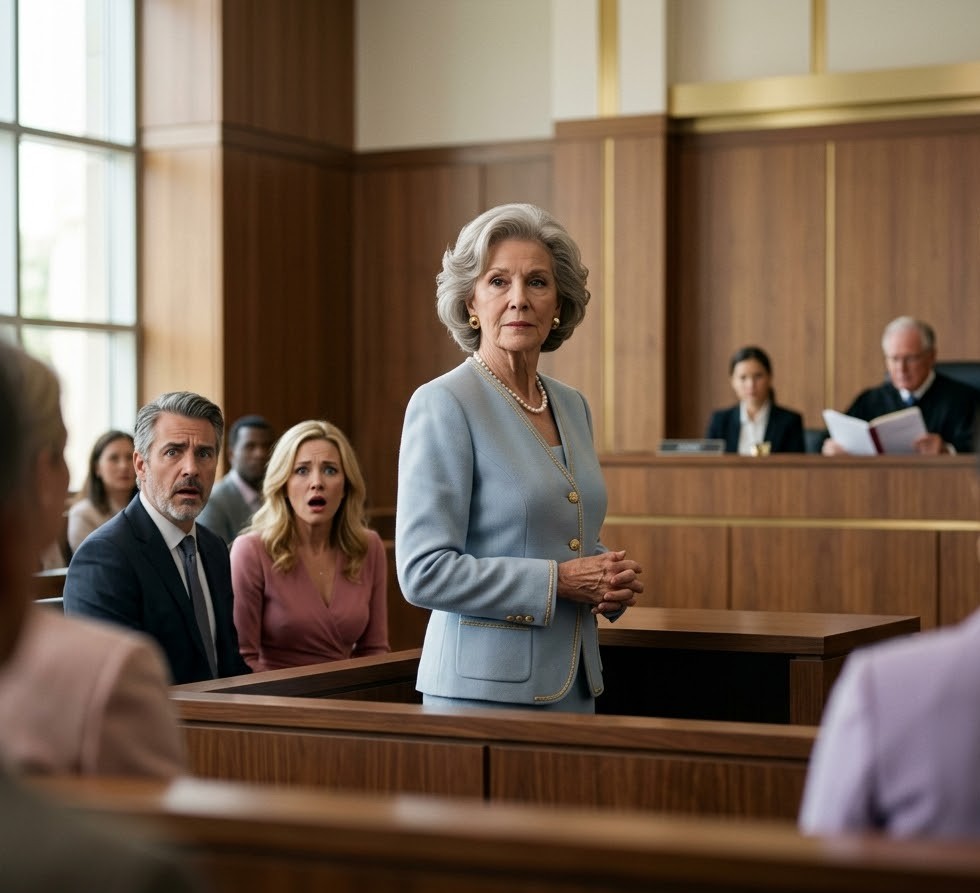
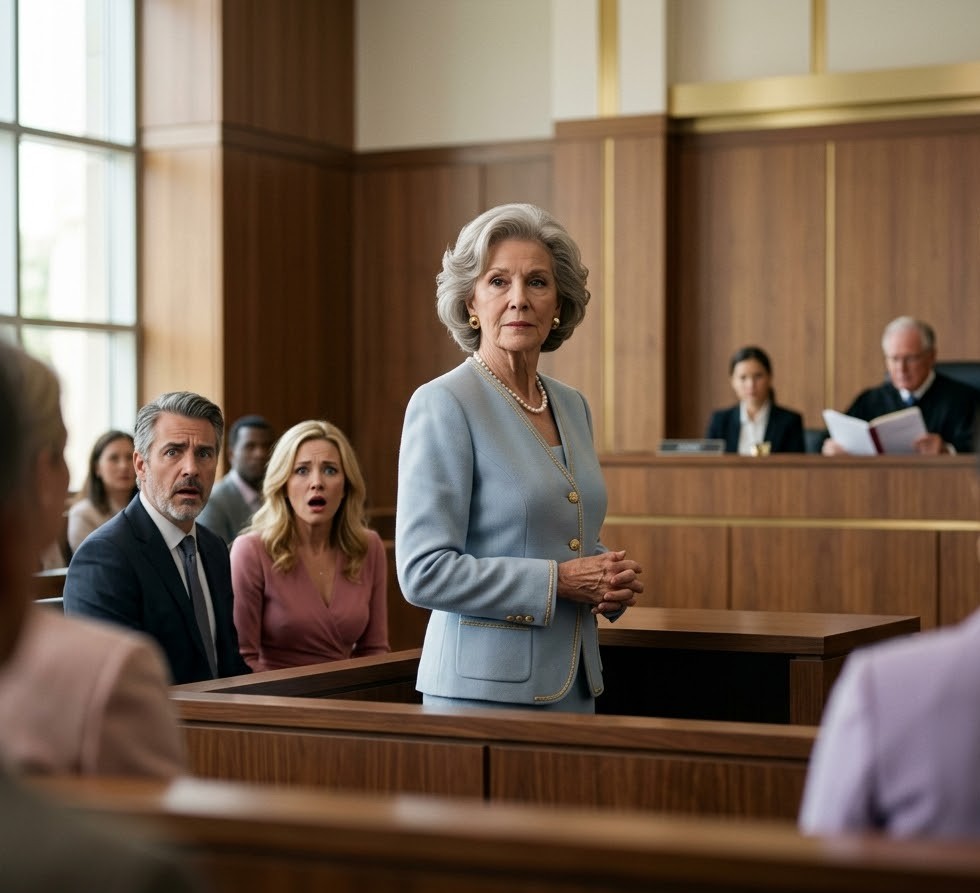

I sat rigidly in the cold conference room, the hum of the fluorescent lights a relentless drone in my ears. The hospital board’s initial inquiry panel faced me, a trio of unsmiling faces, Dr. Jennings leading them with an air of clinical detachment. My hands, clasped tightly in my lap, felt clammy and cold. This was my worst nightmare, made real.
Daniel sat across the room, carefully arranged to look concerned, yet distant. He had already presented his “evidence,” a stack of meticulously compiled, utterly fabricated documents. His voice, earlier, had been calm and measured, painting me as emotionally unstable and dangerously distracted.
“Nurse Hayes, are you prepared to address Mr. Caldwell’s allegations?”
Dr. Jennings’s voice was sharp, cutting through the silence.
“Yes, Dr. Jennings.”
My voice came out thin, barely a whisper. The weight of the system pressed down on me, the very institution I had dedicated my life to now questioning my fundamental competence.
“Mr. Caldwell claims your ‘personal distractions’ have rendered you a liability in the ICU.”
Dr. Jennings consulted a document, her brow furrowed.
“He specifically cites instances of emotional distress impacting your judgment.”
The accusation felt like a physical blow, though there was no outward mark. It was a specific, petty cruelty: twisting my private pain into a public professional failing.
“Those are not true. My personal life has never interfered with my patient care.”
I tried to keep my voice steady, but a tremor betrayed my composure. It felt like shouting into a void.
“Yet, Mr. Caldwell’s report details several occasions where he observed what he termed ‘unprofessional conduct’ related to marital discord.”
Another panel member, a stern-faced woman with tightly pulled-back hair, spoke, her tone skeptical. Daniel had clearly done his work well.
“These are private matters, unrelated to my nursing duties.”
I knew how weak that sounded in a professional setting. Daniel had made sure of it.
“In a high-stakes environment like the ICU, Nurse Hayes, personal stability is paramount.”
Dr. Jennings’s words were a cold, hard hammer.
“Are you denying you’ve been under significant personal stress recently?”
The question hung, an impossible trap. Admitting stress would confirm Daniel’s narrative. Denying it would be a lie that could be easily disproven by anyone who had seen me at home.
“I… I have experienced personal challenges, like anyone.”
I chose my words carefully, trying to find a footing.
“But my professional conduct, my commitment to my patients, has never wavered.”
Daniel shifted in his seat, a barely perceptible smile playing on his lips. He knew he had me cornered. He saw my quiet endurance as guilt, a profound misunderstanding of my character. This was his aim: to isolate me, to make me feel utterly alone in this fight.
“Mr. Caldwell suggests that your ‘excessive dedication’ to work is itself a distraction from your responsibilities at home, creating these ‘distractions’ he refers to.”
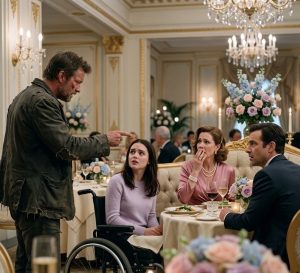
The panel member continued, twisting my work ethic into a negative. It was a familiar jab, the same one Daniel and Chloe had used at the party. It felt like another personal cruelty, validating their public insults.
“My dedication to my patients is not excessive. It is my job. It is my calling.”
My voice gained a little strength, a flicker of my true self breaking through.
“I care for critically ill patients. It requires my full attention, always.”
“And Mr. Caldwell claims that focus has come at the expense of your home life, leading to the instability he documented.”
Dr. Jennings steepled her fingers, her gaze unwavering.
“Instability that he now suggests could compromise patient safety.”
The words hung in the air, a direct assault on my professional integrity. The thought of losing my license, of being unable to do the work I loved, sent a chill through me.
“That is a baseless accusation. I have never compromised patient safety. My record speaks for itself.”
I tried to conjure a list of my accomplishments, the lives I had saved, but the words felt hollow in the face of their stern faces. They weren’t looking for my record; they were looking for a flaw.
“Mr. Caldwell provided specific dates and times, Nurse Hayes, noting your emotional state during shifts.”
He had even documented trivial arguments, twisting them into evidence. This was another specific cruelty, making my private life a weapon against me.
“These are misinterpretations, deliberate distortions.”
I wanted to shout, to tear his carefully crafted narrative apart. But I knew better. Emotion would only prove his point.
“Can you provide concrete evidence to refute these claims, Nurse Hayes?”
Dr. Jennings pressed, her tone suggesting she doubted I could.
I swallowed hard, my mind racing. How could I prove a negative? How could I prove I wasn’t emotionally compromised when he had manufactured such a convincing narrative? I had no witnesses, no counter-documents. Daniel had attacked me where I was most vulnerable, twisting my quiet nature and personal struggles into a professional failing.
“My colleagues can attest to my professionalism.”
It was all I could offer.
“Their testimony would be weighed against a spouse’s direct observations, Nurse Hayes.”
The panel member pointed out the obvious bias, clearly favoring Daniel’s perspective.
“A spouse who is also a high-ranking hospital executive.”
Daniel’s influence, even here, was palpable. He had orchestrated this perfectly, using his position to legitimize his lies. I felt the overwhelming unfairness of it all, the weight of his power bearing down on me.
“I assure you, I am a competent, dedicated nurse.”
My plea felt desperate, even to my own ears.
“My patients are my priority.”
“The panel is listening, Nurse Hayes. But we require more than just assurances.”
Dr. Jennings picked up a pen, a clear indication that she was far from convinced.
“We will review all evidence, and you will be informed of our decision.”
The meeting ended abruptly. I rose, feeling a profound sense of humiliation and helplessness. Daniel offered a brief, pitying glance before exiting the room, leaving me alone with the silent judgment of the panel members. His public insults at the party now seemed like a prelude to this more devastating, professional attack. He wasn’t just trying to shame me; he was trying to destroy my livelihood.
I walked out of the conference room feeling utterly drained, my legs shaky. The antiseptic smell of the hospital, usually a comfort, now felt oppressive. The reality of his scheme truly hit me: Daniel wasn’t content with just a divorce or a separation. He wanted to strip me of everything, to ensure I had no professional standing, no independence. He wanted to break me.
The thought of losing my license, the badge of my life’s work, was a sharp, aching pain. It wasn’t just a job; it was who I was. And Daniel was systematically trying to tear that identity away. His confidence, his calm presentation of the false claims, showed a chilling premeditation. He had planned this, meticulously.
His casual reference to my “excessive dedication” was particularly galling. It was a direct insult to everything I believed in. It felt like another personal cruelty, an invalidation of my passion for helping others. He believed my commitment to my patients was a flaw, a neglect of him, when in reality, it was my greatest strength.
The panel’s skepticism had been clear. They saw a husband’s detailed complaint against an emotionally distraught wife. They saw Daniel, a respected finance director, presenting a seemingly credible case. They didn’t see the quiet resilience, the years of selfless service, the true character beneath the accusations. They remained unconvinced of my innocence, and that chilling reality settled deep in my bones as I made my way out of the hospital. I felt professionally and personally isolated, exactly as Daniel intended.
More Stories













+ There are no comments
Add yours