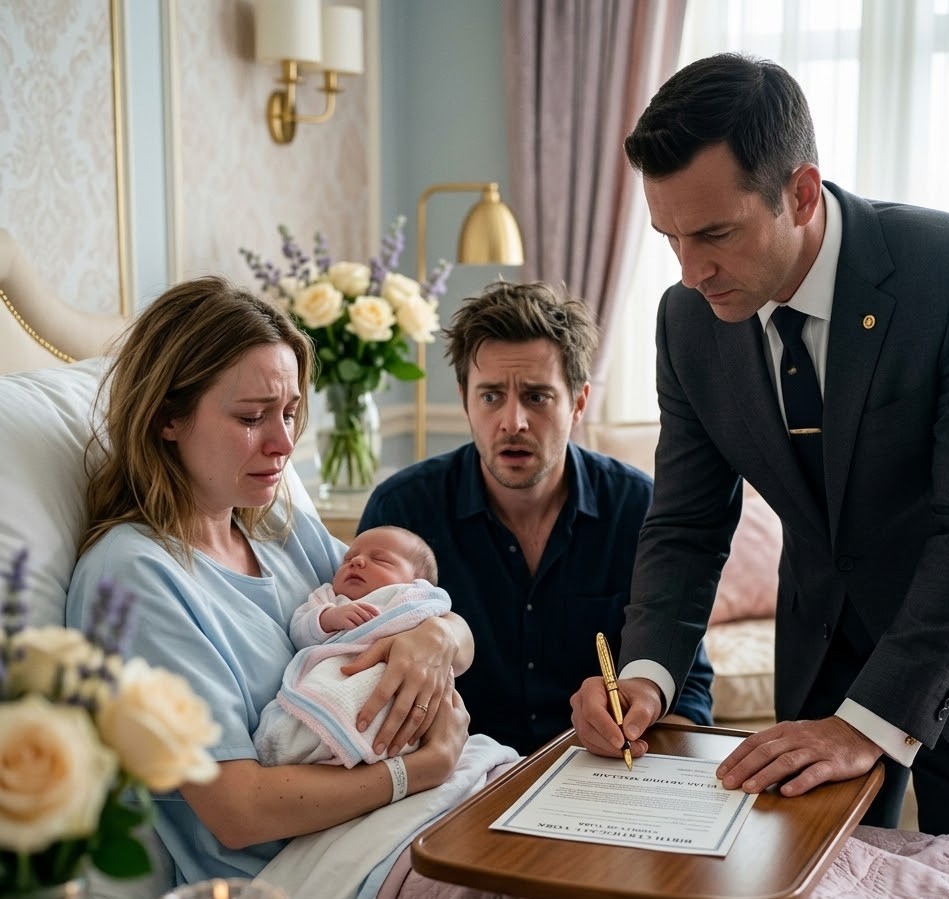
Famous Actor Damian Croft Denied His Newborn in a Hospital Scandal, Only For a Reclusive Hollywood Legend to Claim the Child
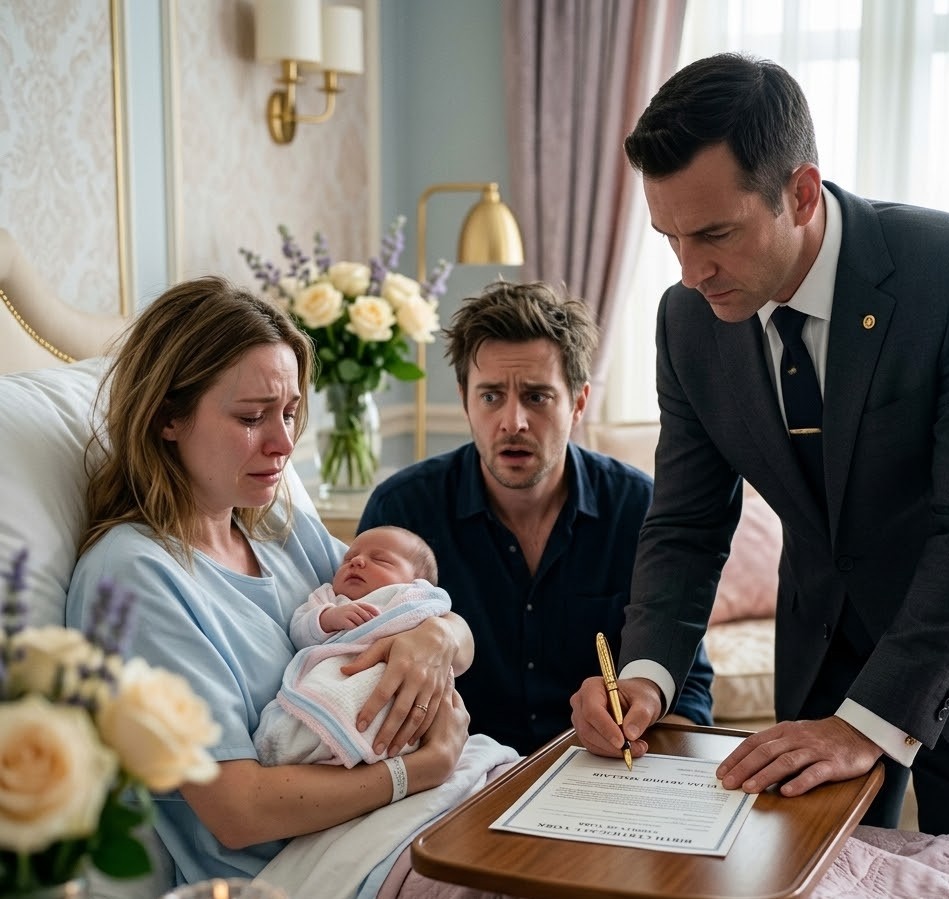
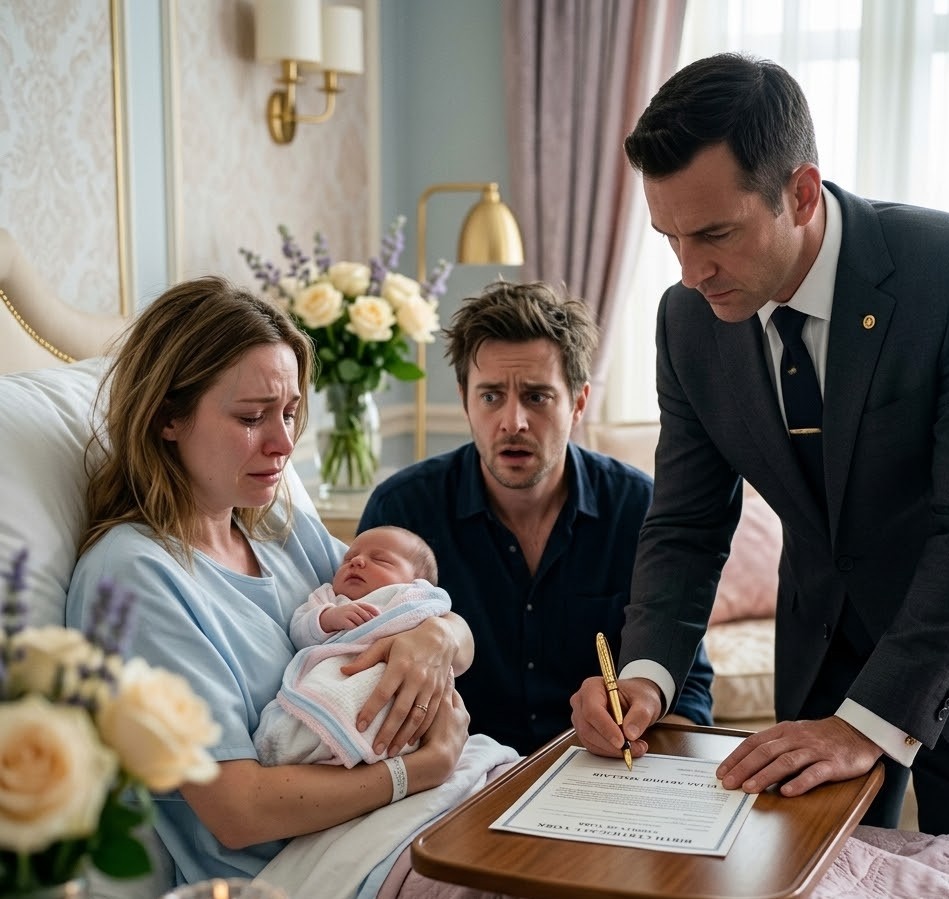
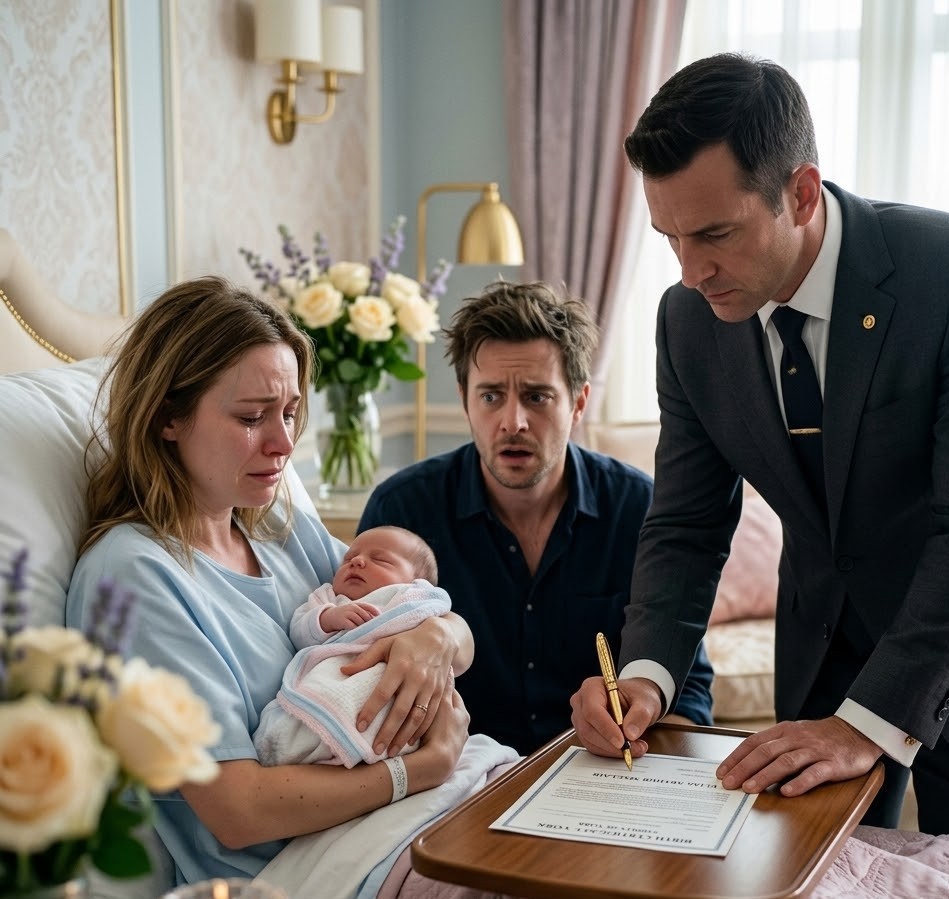


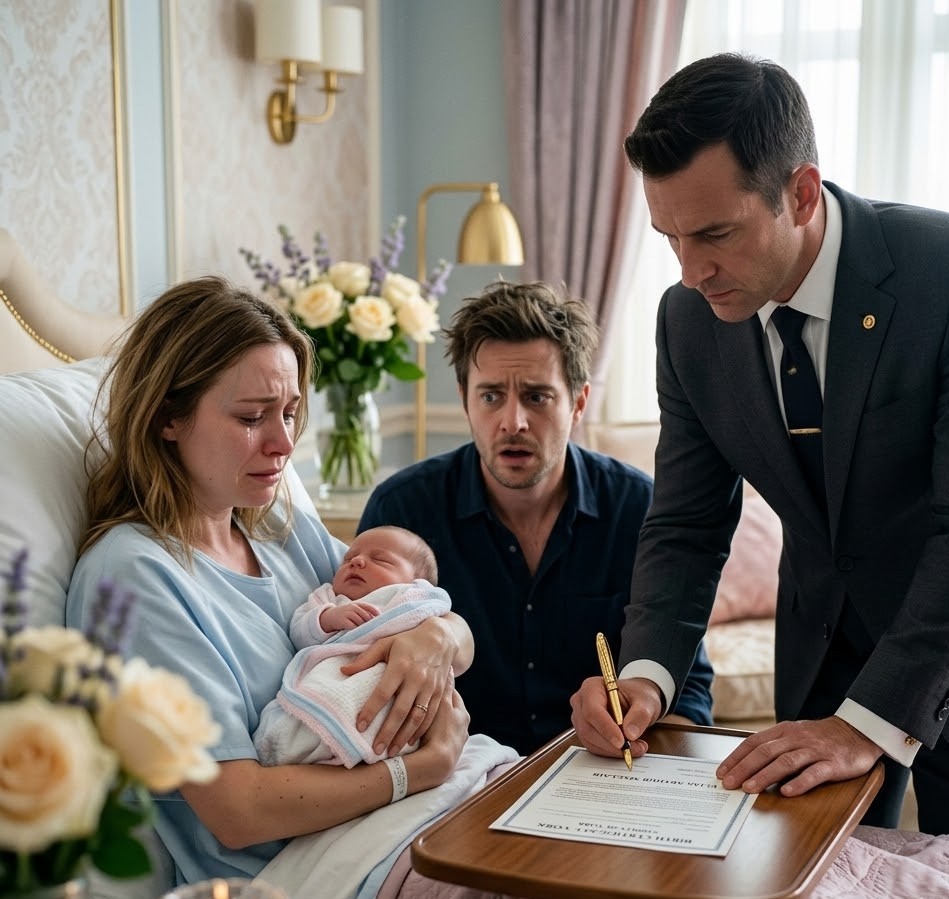

The news cycle, already buzzing with Damian’s PR-driven narrative, latched onto the sudden absence of Marcus’s images from my social media. It was interpreted exactly as Damian intended: proof of my desperation, a concession that I had nothing to show. Pundits on entertainment channels talked about “Elara Bellamy’s quiet retreat,” framing it as an admission of guilt.
“Another gold-digger bites the dust,” one commentator sneered, their voice echoing from a TV screen in a coffee shop I was trying to hide in. I gripped my lukewarm cup, my knuckles white.
My phone, once a source of connection, now felt like a conduit for judgment. The media, fueled by Damian’s PR machine, painted me as a desperate opportunist, further isolating me. Every public glance, every whispered comment, felt like a fresh cut. I was a pariah in a world that had once promised me a spotlight.
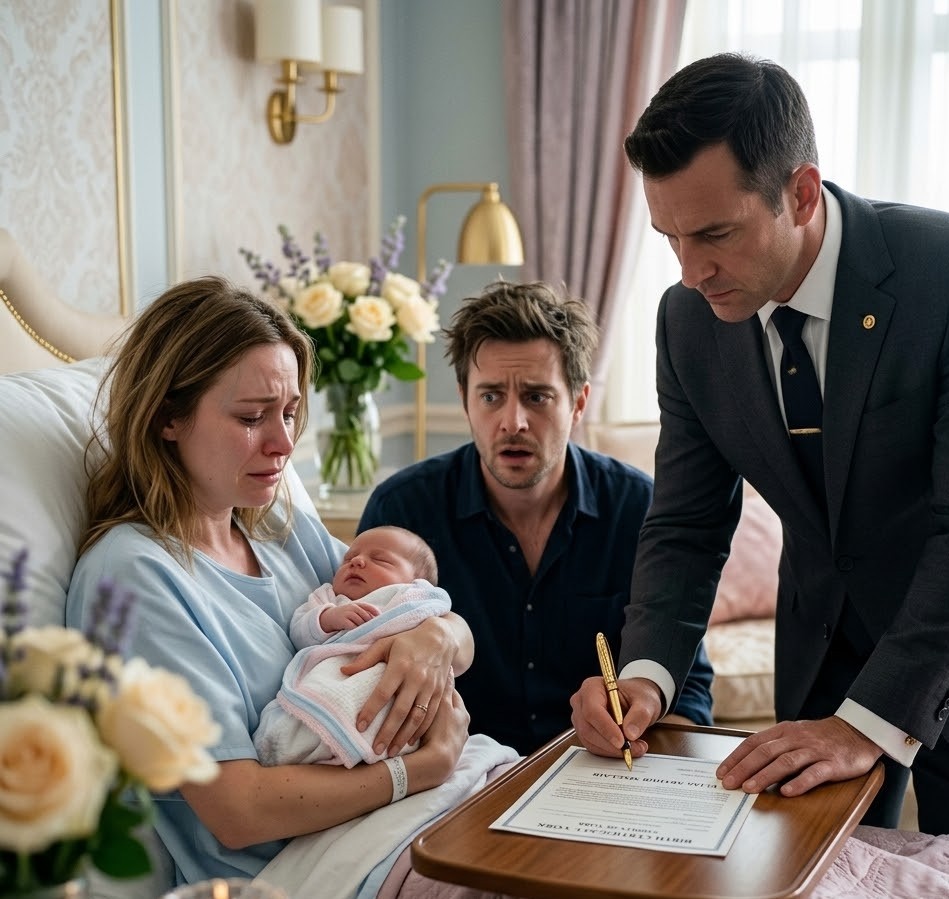
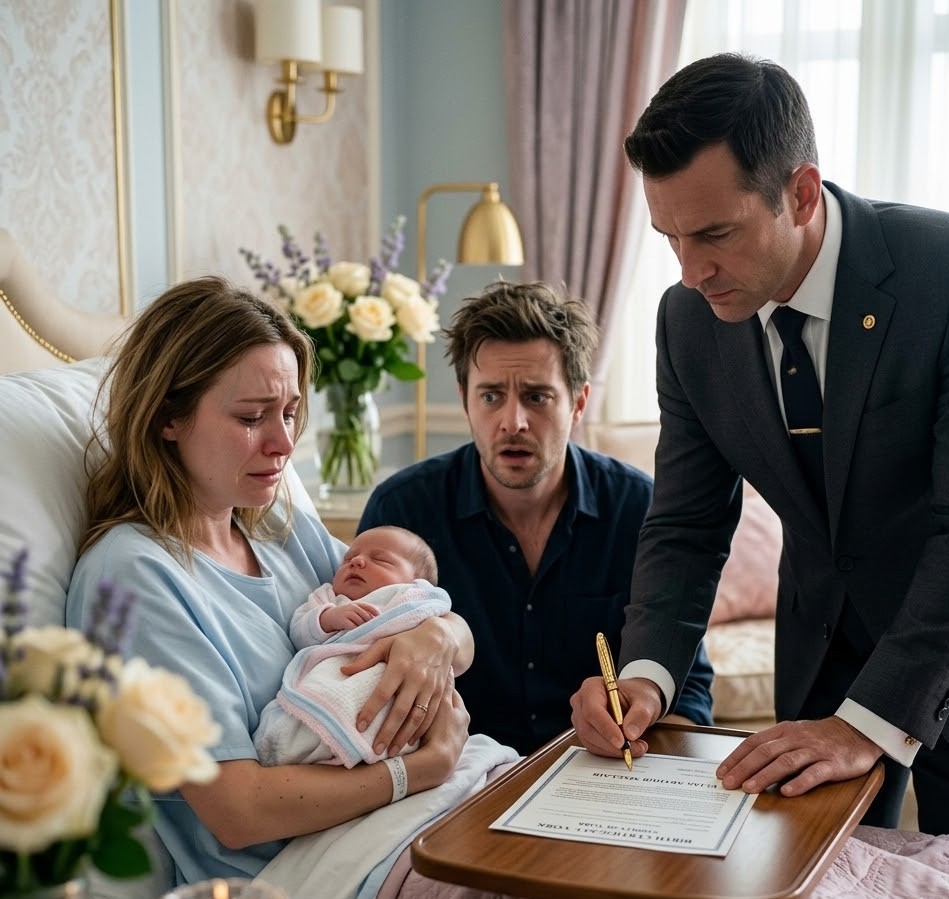
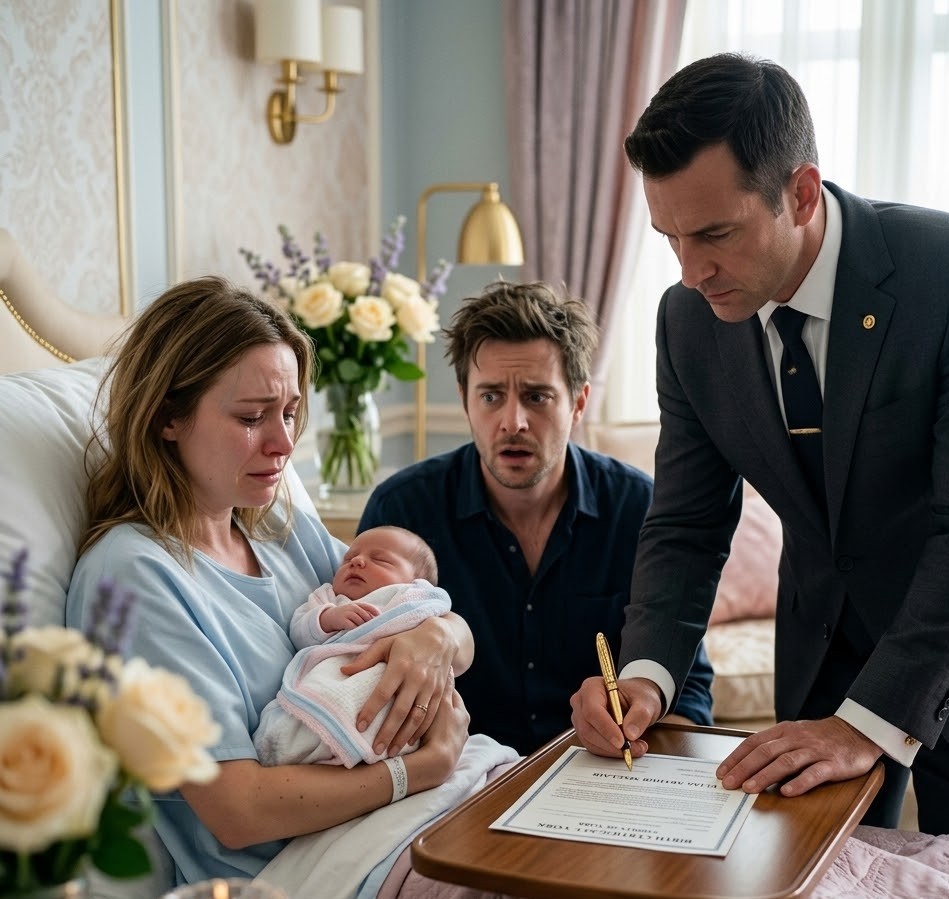
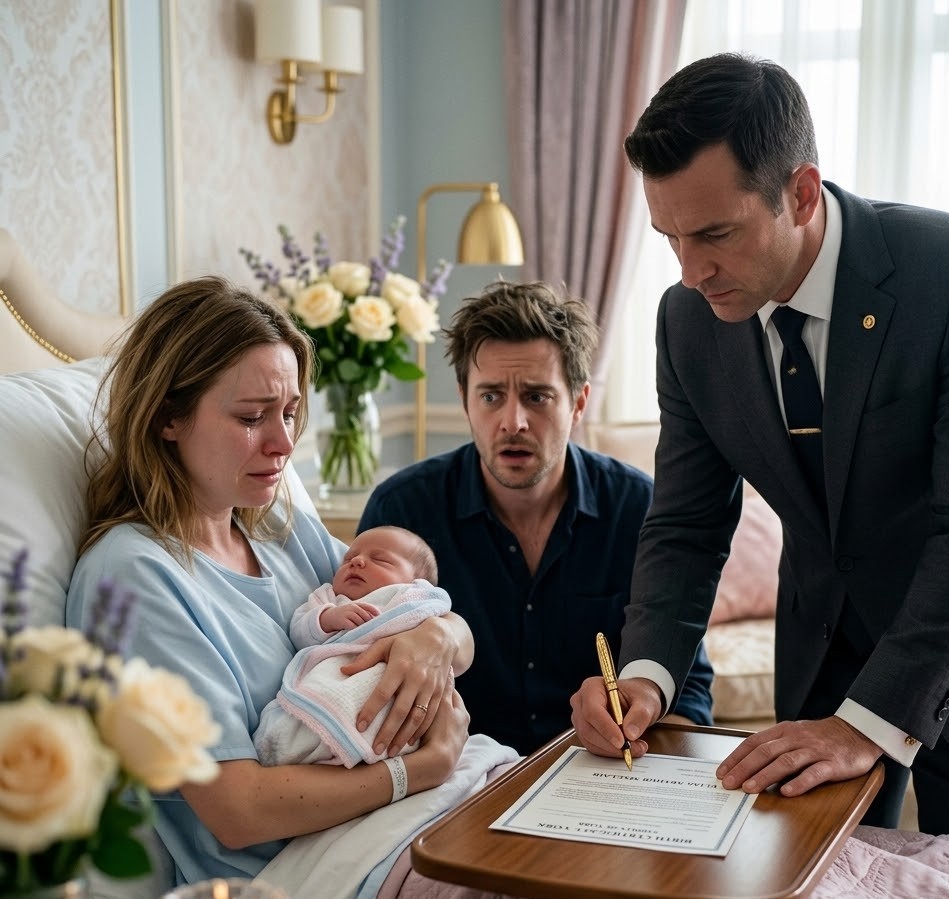
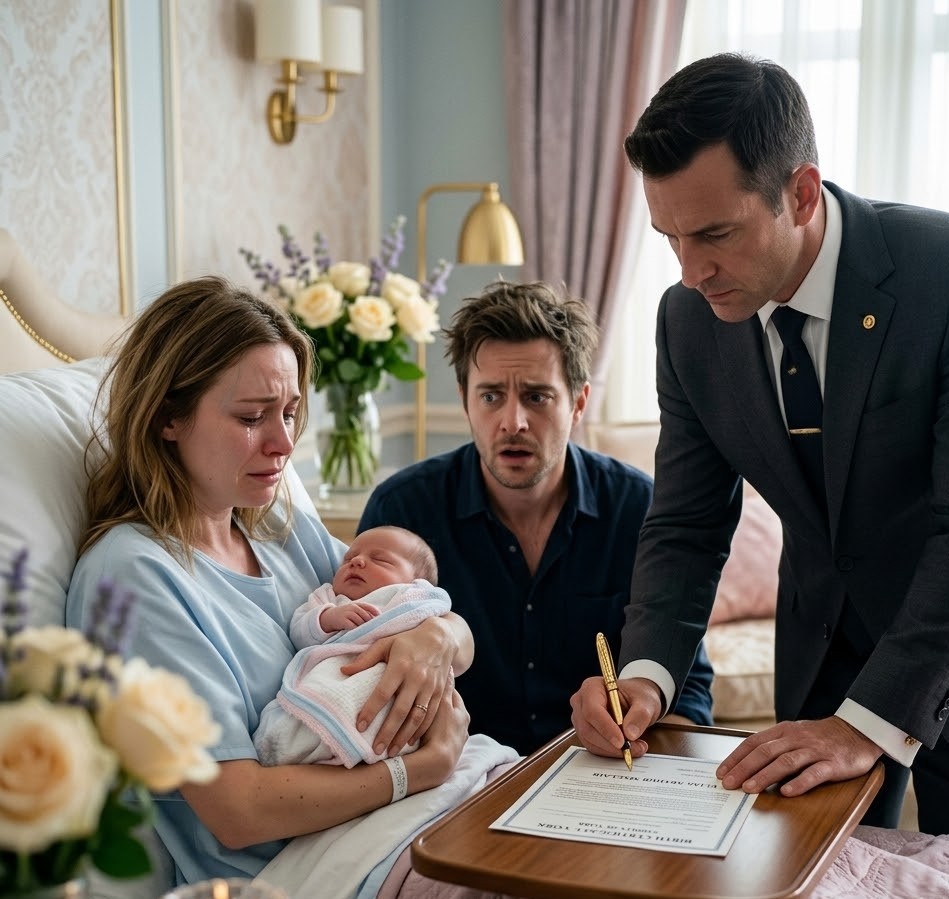
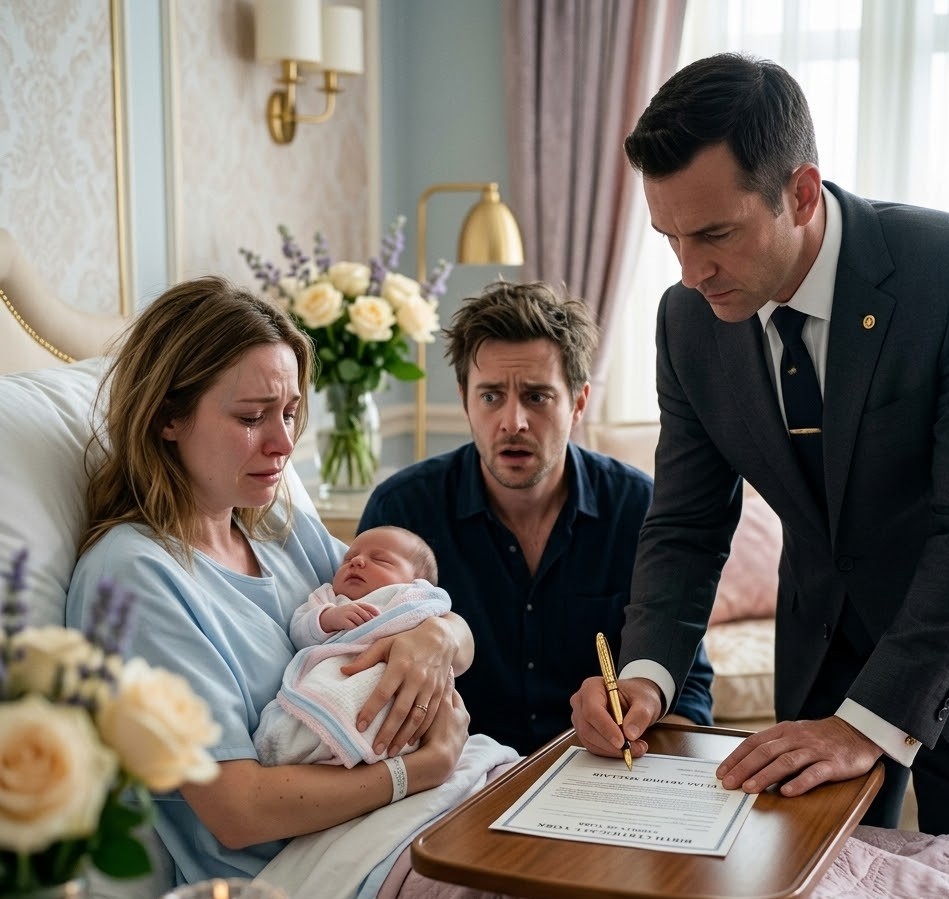
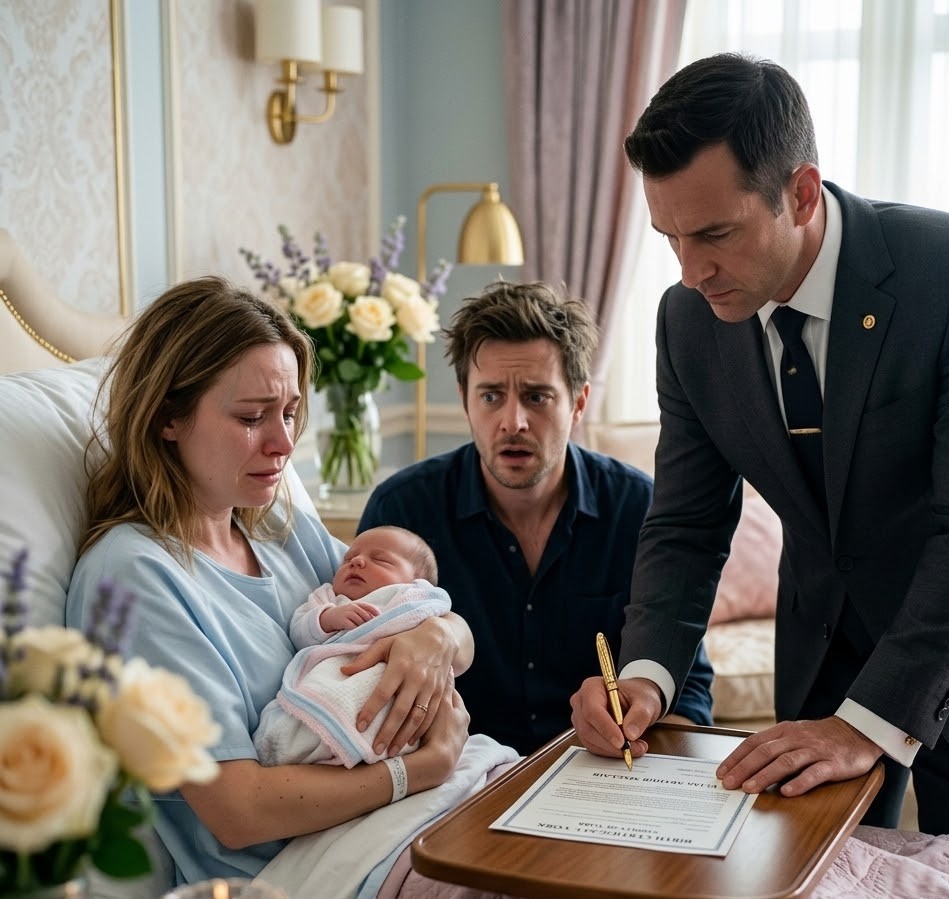
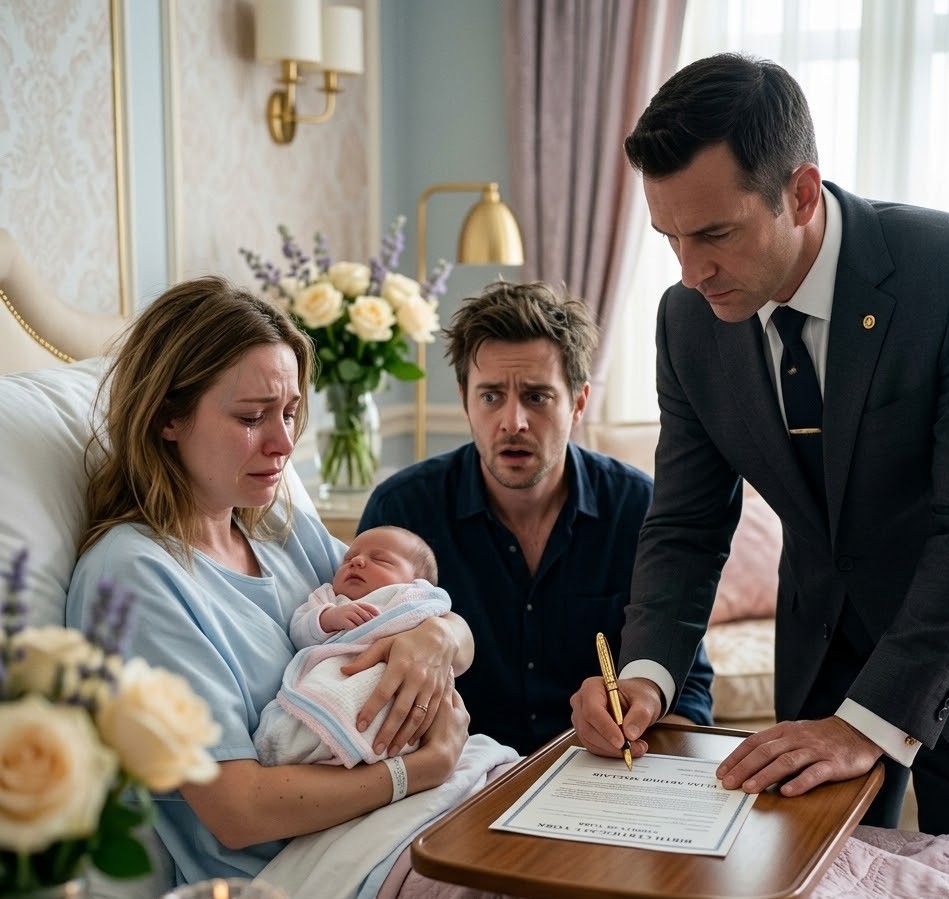
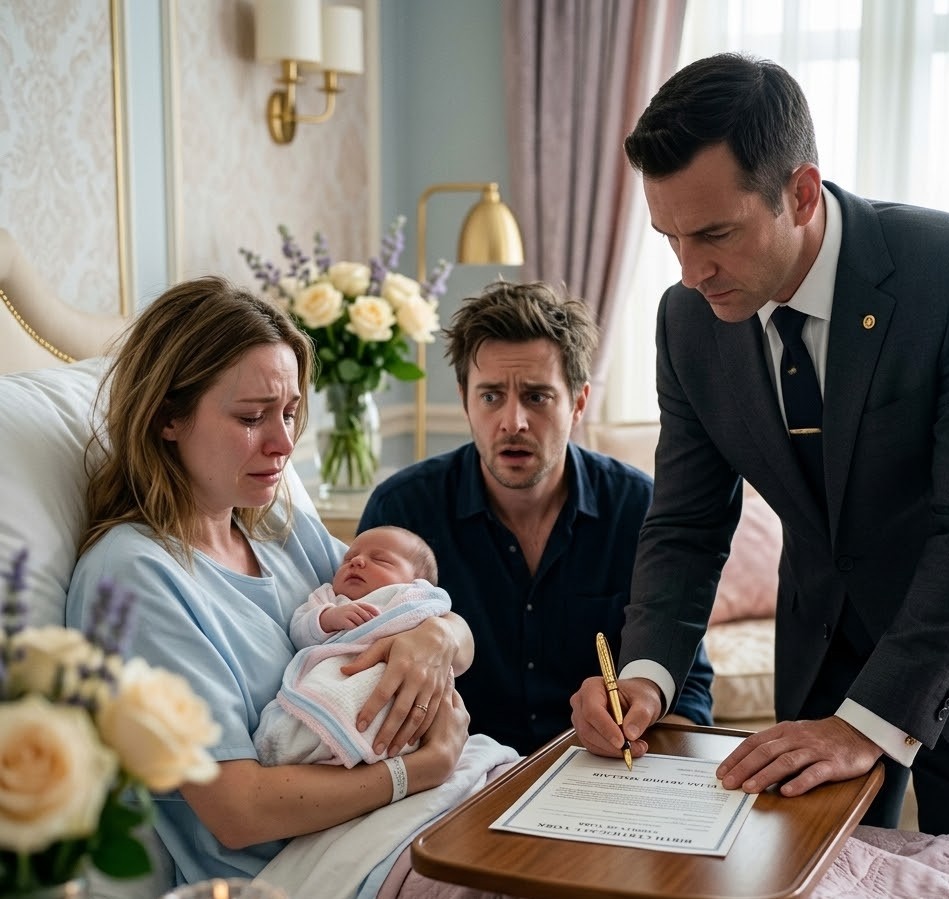
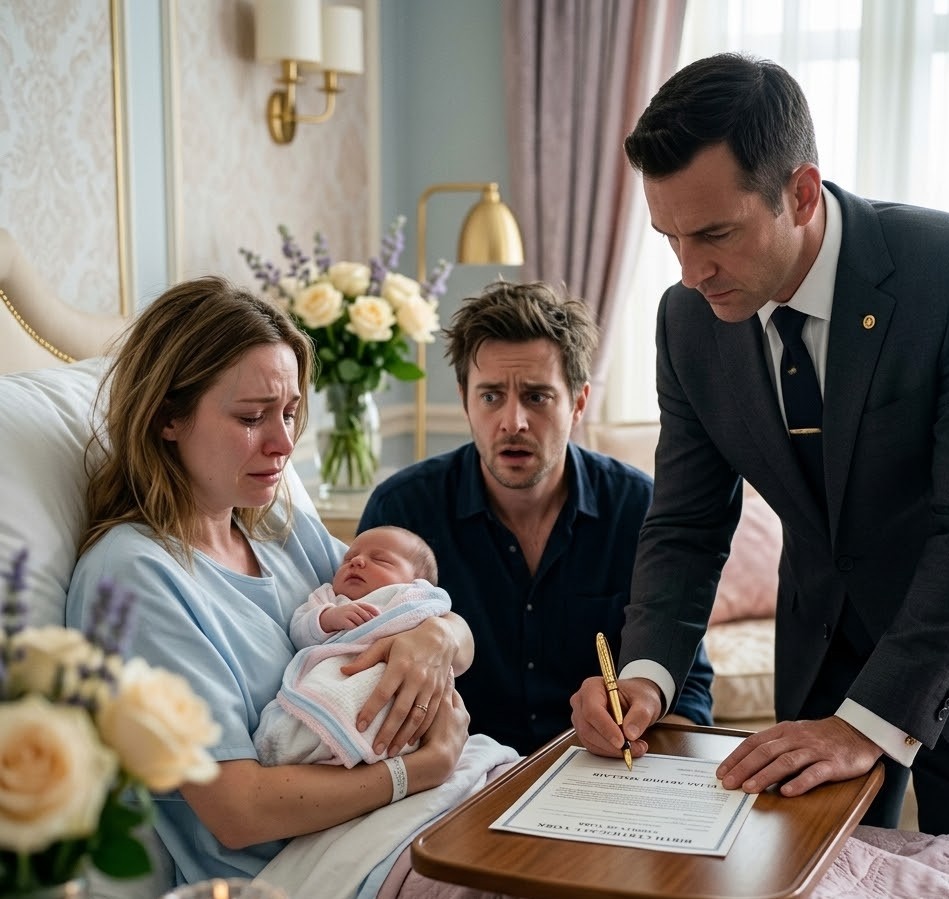
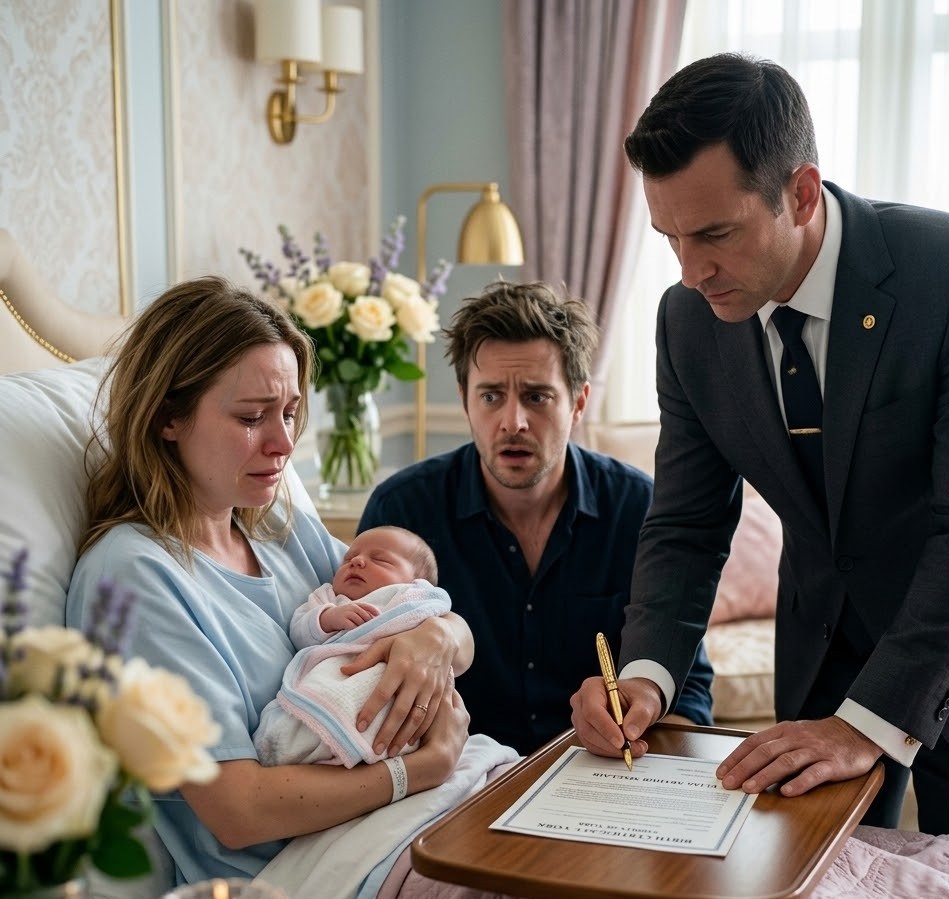
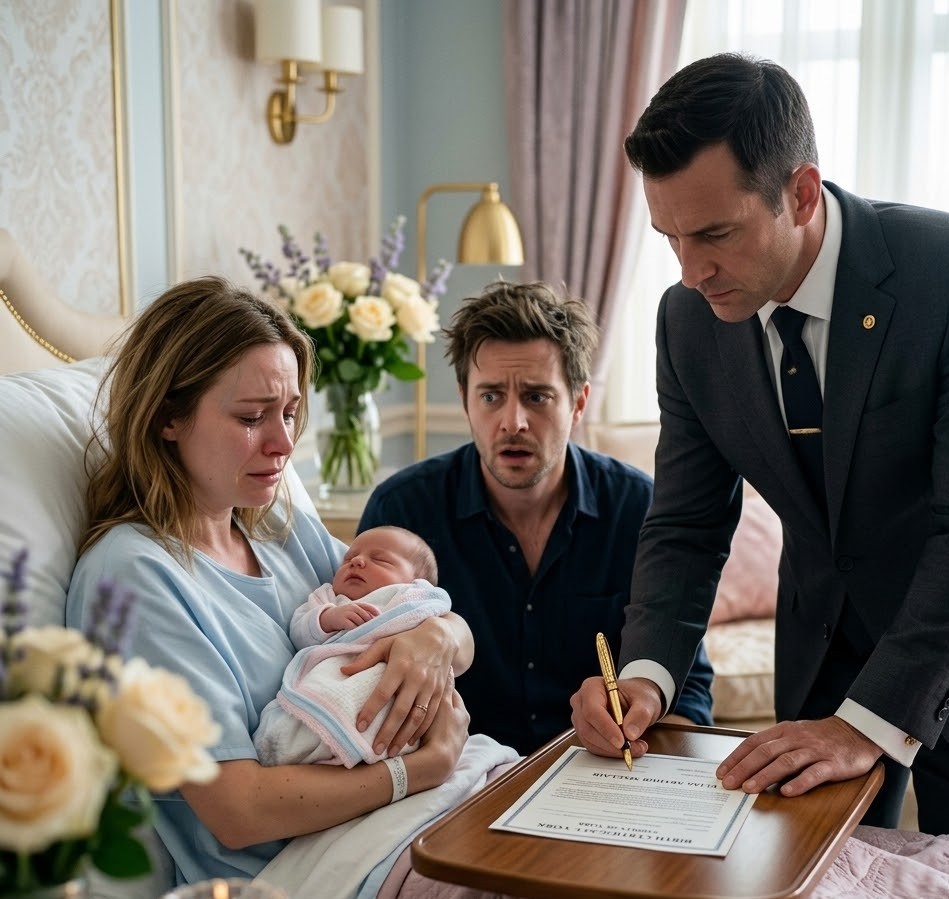
The silence from Arthur Finch was deafening to the public. After his dramatic intervention at the hospital, where he had unequivocally claimed Marcus as his own, he had vanished back into his reclusive world. The media, ever eager for a new angle, began to question his motives, suggesting his act was nothing more than an eccentric bid for attention.
“Where is the legendary director now?” one tabloid headline screamed. “Finch’s Paternity Claim: A Publicity Stunt Gone Wrong?”
His lack of public comment left a vacuum, allowing Damian’s narrative to solidify. Even some of my former colleagues, tentative friends from indie film sets, offered sympathetic but cautious advice, urging me to “lie low.” They didn’t understand the depth of the trap I was in, or perhaps they simply feared Damian’s reach.
The weight of judgment pressed down on me, heavy and suffocating. It felt like the entire industry believed I was a liar, a manipulator, trying to exploit a famous man. My reputation, painstakingly built over years of auditions and small roles, was in tatters.
I sat in my small apartment, the late afternoon sun casting long shadows across the floor. Marcus was stirring in his bassinet, and I gently lifted him into my arms, inhaling the sweet, powdery scent of his head. He looked up at me with wide, innocent eyes, oblivious to the storm raging around us. He was my anchor, my reason for enduring.
A discreet knock at my door startled me. It was a young woman I recognized as Arthur Finch’s personal assistant, Clara. She offered a small, apologetic smile.
“Ms. Bellamy,” she said softly, her voice barely audible. “Mr. Finch asked me to deliver this to you personally.”
She handed me a small, heavy envelope, made of thick, creamy paper. There was no return address, just my name handwritten in elegant calligraphy. My heart pounded with a mix of anticipation and apprehension. Had Arthur changed his mind? Was this an apology for getting involved?
I opened the envelope, my fingers fumbling slightly. Inside was a single, crisp piece of paper. On it, in Arthur Finch’s distinctive, elegant handwriting, were just five words: “Be patient. The truth has its own script.”
There was no signature, no grand gesture, just that quiet, powerful message. It wasn’t a public statement, not a press release, but a direct, personal communication. It was a lifeline in a sea of public condemnation, a validation from the one person whose opinion truly mattered.
A slow, steady breath escaped my lips. Arthur hadn’t abandoned us. He was simply playing a different game, one that didn’t involve grandstanding or public pronouncements. He was a man of action, but his actions were often unseen, deliberate, and devastatingly effective.
I reread the note, the words a balm to my raw nerves. “The truth has its own script.” It was an affirmation, a promise. It meant I wasn’t alone, not truly. It meant Arthur believed me, and that he had a plan, even if I couldn’t see it yet.
This quiet message, delivered by hand rather than through any digital means, felt like a whispered secret in a world full of shouting headlines. It bypassed the media entirely, a testament to Arthur’s reclusive nature and his distrust of the public spectacle. He understood the power of silence, and perhaps, the eventual power of a truth that could not be denied.
I looked at Marcus, then back at the note. “Be patient.” It was a hard instruction to follow when my career was crumbling and my reputation was in tatters. But Arthur Finch wasn’t a man who made empty promises. His words carried weight, a legacy of integrity in an industry often devoid of it.
Liam called later that evening, his voice strained. “The C&D is spreading, Elara. We’re getting pushback from every corner. Even small-time photographers are wary of working with you.”
“I know,” I replied, holding the note in my free hand. Its cool paper was a tangible comfort. “Arthur sent me a message. ‘Be patient. The truth has its own script.'”
There was a moment of silence on Liam’s end. “Finch, huh? He’s a wild card, but his word is gold in certain circles. He’s not one for empty gestures.”
“He believes me, Liam,” I said, a faint glimmer of hope igniting within me. “He believes us.”
“That means something,” Liam conceded, a note of grim determination entering his voice. “It means we’re not entirely alone in this fight.”
The subtle encouragement from Arthur Finch was precisely the emotional turn I needed. It anchored me amidst the storm of public scrutiny and Damian’s relentless attacks. It was a quiet affirmation that, even though the world painted me as a fraud, there were still those who saw through the lies, those who valued truth above manufactured celebrity.
But the waiting was torturous. Every day brought new rejections, new closed doors. My agent stopped returning my calls as quickly. The invitations to industry events dried up entirely. The public, fueled by Damian’s money and PR machine, continued to believe I was a scorned woman trying to leverage a scandal. My name became synonymous with ‘trouble.’
I ran my thumb over the elegant script of Arthur’s note, a small, tangible piece of hope. It was a whisper against a roar, but it was a whisper of immense power. Arthur Finch, the legendary director, was a man who moved mountains without ever raising his voice. Perhaps his silence, too, was a weapon. The question remained, what script was he preparing? And when would its truth finally be revealed?
More Stories















+ There are no comments
Add yours