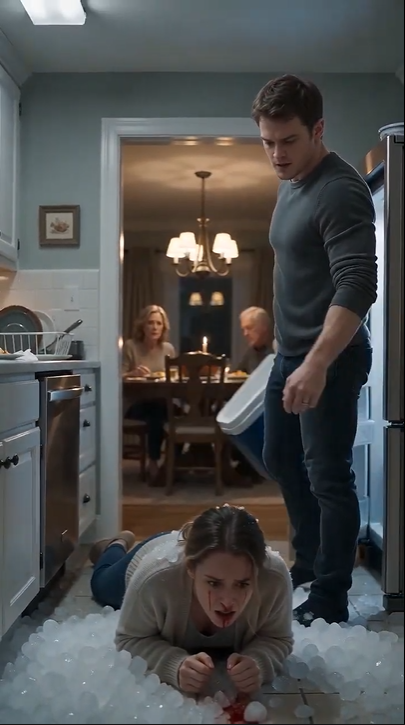
After Her Brother Assaulted Her, She Discovered Her Family Was Systematically Erasing Her From Their Lives

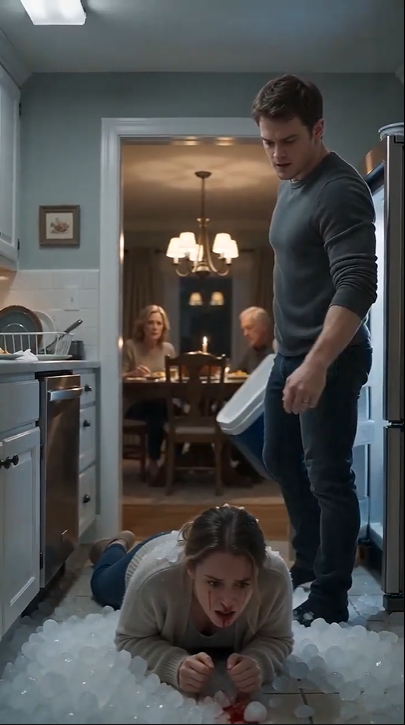
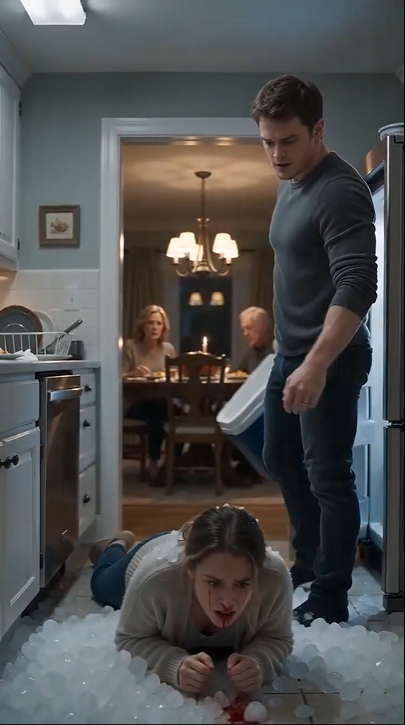
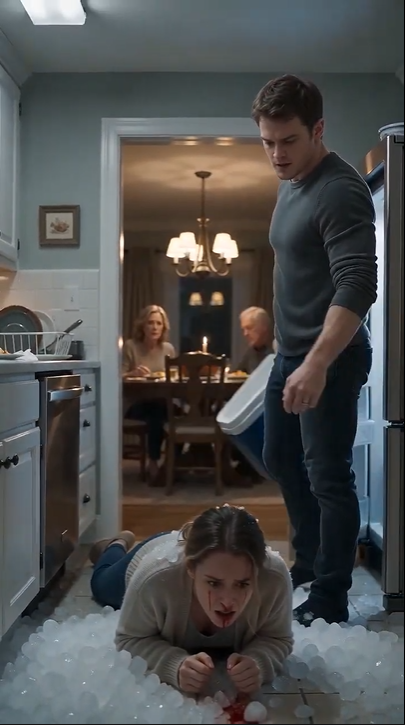
The discovery of the secret will made me rethink everything. My mind kept replaying conversations, searching for clues I’d missed. Aunt Martha, my mother’s older sister, kept surfacing in my thoughts. She was always the family outlier, the one who didn’t quite fit into my mother’s meticulously curated narrative.
I remembered Martha’s quiet support after my grandmother passed. She had always been fond of me, a warmth my own mother rarely showed. A few days after finding the will, I picked up my phone, my fingers hesitating over her contact.
Martha lived a few states away, a deliberate distance from the family drama. I hadn’t spoken to her in months, not since the last strained holiday gathering. Calling her now felt like admitting defeat, like needing validation from someone outside my immediate, fractured circle.
The phone rang twice before she answered. “Claire? Well, this is a surprise,” she said, her voice dry, but not unkind. “Everything alright?”
“Not exactly, Aunt Martha,” I admitted, choosing my words carefully. I couldn’t reveal everything yet, not to her. “I’ve just been… thinking about Grandma. And the house.”
A slight pause stretched between us. “Ah,” she said, a world of unspoken understanding in that single syllable. “The house. Elaine’s favorite possession, even when it wasn’t hers.”
That comment struck me. “What do you mean, ‘even when it wasn’t hers’?” I asked, a new thread unraveling in my mind.
“Just that Momma always had specific ideas about that place,” Martha replied, a wistful note entering her voice. “She poured her heart into it. And she always wanted it to be… a legacy. Not just for one, but for everyone.”
My grandmother had died almost ten years ago. I remembered her as kind, intelligent, and fiercely independent. She loved her garden, her books, and her grandchildren, equally, or so I thought.
“Did she ever say anything specific about who the house should go to?” I pressed, trying to keep my tone casual. “Like, in her will, or just… generally?”
Martha sighed, a long, weary sound. “Momma’s will was simple, straightforward. Everything to Elaine, for her to manage, with the understanding it would stay in the family. But her *intent*… that was a different thing entirely.”
“What was her intent?” I asked, my heart thrumming with a desperate hope.
“Momma always talked about fairness, Claire,” Martha said. “Especially with property. She believed in equity, in making sure everyone had a foundation. She saw the house as a base for all her descendants, not just a single branch.”
A specific memory surfaced: my grandmother, in her garden, showing me how to plant roses. She had said, “A strong root system supports the whole bush, not just the prettiest bloom.” At the time, I thought she was just teaching me horticulture. Now, it sounded like a parable.
“Did she ever talk about… imbalances?” I ventured, echoing the phrase Amelia had used.
“Oh, Lord, yes,” Martha chuckled, a sad, knowing sound. “Momma was a quiet woman, but she saw everything. She knew Elaine had her favorites, and she knew Elaine could be… possessive. Especially about things she felt were ‘hers’ by right.”
This was it. This was the subtle confirmation I needed. My grandmother had known Elaine’s tendencies, her deep-seated desire for control. She had tried to counteract it, subtly, through her “intent.”
“She once told me that sometimes the people closest to you are the ones who need the most reminding of what family truly means,” Martha continued, her voice growing softer. “She worried about how things would play out after she was gone.”
A wave of understanding washed over me. My grandmother hadn’t just loved me; she had seen my mother’s unfairness, her tendency to marginalize. She had tried to ensure I wouldn’t be cut out. This wasn’t just my feeling; it was a ghost of my grandmother’s concern.
“So, she wanted everyone to benefit?” I clarified, needing to hear it explicitly.
“That house was built with her dreams for *all* of us,” Martha confirmed. “Not just for Elaine to hoard, or to play favorites with. She valued family above all, and that meant everyone was included.”
My grandmother’s intent felt like a warm hand reaching across the years, a silent rebuke to my parents’ actions. It was a powerful counter-narrative to the “Claire is just after our money” line my family was pushing. My family was trying to erase me, but my grandmother had tried to ensure my place.
“Thank you, Aunt Martha,” I said, a genuine gratitude in my voice. “That actually helps a lot.”
“Be careful, Claire,” Martha warned, her voice suddenly serious. “Elaine doesn’t take kindly to people digging up old truths. Especially when they challenge her version of history.”
The conversation ended, but its echo lingered. Aunt Martha hadn’t explicitly said my mother was wrong, but her careful words, her choice of phrases, painted a clear picture. My grandmother’s will might have been legally simple, but her underlying intention was a powerful moral compass.
I imagined my grandmother, meticulously planning her estate, not just with legal clauses, but with unspoken expectations. She had seen my mother’s patterns of favoritism and control, and she had tried to build safeguards. The house, for her, was a symbol of shared legacy, a foundation for all her descendants.
My mother, however, had clearly seen it differently. She had viewed the house as *hers*, a right, a possession to wield as she saw fit. It was another layer of betrayal, a disregard for the very person who had given her the gift in the first place.
This wasn’t just about my parents’ current actions; it was about a long-standing pattern, inherited and amplified. Elaine’s resentment, her desire to control, her need to reshape reality – these weren’t new traits. They had simmered for decades, perhaps even been recognized by her own mother.
The phone felt heavy in my hand. I stared out the window at the setting sun, its last rays painting the sky in fiery oranges and purples. It was a beautiful, peaceful scene, so utterly disconnected from the turmoil raging inside me.
My family’s public narrative about my greed and instability clashed violently with the quiet, thoughtful intentions of my grandmother. My mother wanted to erase me, but my grandmother, even in death, was helping me reclaim my place. This conversation with Aunt Martha solidified a crucial piece of understanding: my fight wasn’t just against my parents; it was for my grandmother’s true legacy. The ghost of her intent now walked beside me, urging me forward.
I felt a fresh surge of resolve. The family might call me unstable, but I was simply uncovering truths that had been buried for years. These truths, once spoken, had the power to shatter the carefully constructed facade my mother had maintained for so long.
The subtle cruelty wasn’t just in cutting me out, but in twisting my grandmother’s benevolent intentions into a weapon. My mother had taken a symbol of shared family love and turned it into an instrument of exclusion. It was a desecration, in a way.
I thought of the legal documents, the cold, official language designed to sever. They directly contradicted the spirit of what my grandmother had wanted. This wasn’t a family dispute; it was a battle over a legacy, over memory, over truth itself.
Aunt Martha’s words were a lifeline, anchoring me to a reality beyond my parents’ distortions. My grandmother had seen me, truly seen me, and valued me. That validation was a powerful antidote to the years of feeling lesser.
This fight wasn’t just about the house or the money anymore. It was about honoring my grandmother’s vision, a vision of fairness and inclusion that my parents had so callously disregarded. It was a fight to ensure her memory wasn’t perverted by their greed and resentment.
The misunderstanding they cultivated—that I was only after money—was precisely what my grandmother had feared. My mother’s actions were the exact opposite of the generosity and equity my grandmother had championed. I had to prove it.
More Stories

















+ There are no comments
Add yours